
In the landscape of modern personal finance, discretionary spending often represents the most significant area for potential optimization. Among the various forms of leisure, the “night at the movies” has long been a staple of American culture. However, as the theatrical industry evolves, the answer to the seemingly simple question—”How much is an AMC ticket?”—has become increasingly complex. No longer a flat rate, cinema pricing now reflects a sophisticated model of variable costs, premium experiences, and subscription-based incentives.
For the budget-conscious consumer, understanding these price structures is essential for maintaining a healthy balance between entertainment and financial goals. This guide explores the multi-faceted world of AMC pricing, offering insights into how to navigate the costs of the big screen without compromising your financial stability.

Decoding the Variable Pricing Model of Modern Cinema
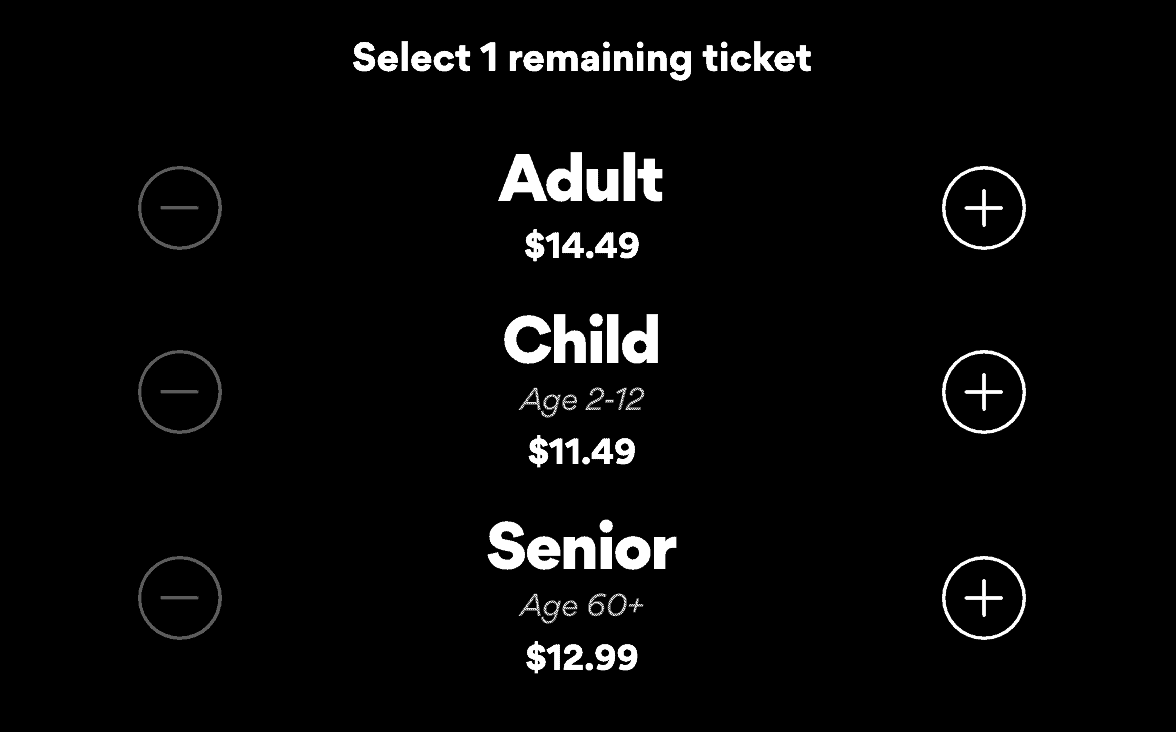
The cost of an AMC ticket is not a fixed figure; rather, it is a fluid price point determined by several geographic and temporal factors. When you ask about the price of admission, you are essentially engaging with a dynamic market that responds to demand, location, and technology.
Factors Influencing Ticket Prices
The most significant determinant of ticket cost is location. An AMC theater in Manhattan’s Lincoln Square will naturally command a higher premium than a suburban multiplex in the Midwest. Real estate costs, local taxes, and regional cost-of-living indices are all baked into the price of your ticket. Generally, adult tickets in major metropolitan areas can range from $15.00 to $22.00, while smaller markets may see prices between $10.00 and $14.00.
Furthermore, “Sightline at AMC” initiatives have introduced tiered seating in some locations, where “Value Sightline” seats (typically the front row) are priced lower, and “Preferred Sightline” seats (the middle of the theater) carry a surcharge. This reflects a shift toward the “stadium seating” model used in concerts and sporting events, where your perspective on the screen dictates your financial contribution.
Time-Based Fluctuations
Timing is the second pillar of AMC’s pricing strategy. Matinee screenings—those occurring before 4:00 PM—typically offer a 25% to 30% discount compared to evening shows. Conversely, weekend screenings (Friday evening through Sunday) represent peak demand and carry the highest price tags. For the financially savvy, shifting a movie outing from a Saturday night to a Sunday morning can result in significant annual savings.
Premium Experience Surcharges
The format of the film significantly impacts the final cost. AMC offers various “Premium Large Formats” (PLF) that provide enhanced visual and auditory experiences, each with its own markup:
- IMAX: Typically adds $5.00 to $8.00 to the base ticket price.
- Dolby Cinema: Generally priced similarly to IMAX, focusing on superior sound and high-contrast visuals.
- RealD 3D: Adds a surcharge for the 3D tech and glasses, usually around $3.00 to $5.00.
- AMC Prime: A middle-ground premium format with reclining seats and enhanced sound, often carrying a $2.00 to $4.00 premium.
Strategic Spending: How to Save on AMC Tickets
In the realm of personal finance, “full price” is often viewed as a choice rather than a necessity. AMC offers several avenues for consumers to lower their “cost per viewing” through loyalty programs and scheduled discounts.
The AMC Stubs Ecosystem
AMC utilizes a three-tiered loyalty program designed to incentivize frequent visits and capture consumer data.
- AMC Stubs Insider: This is the free tier. While it doesn’t offer free tickets, it provides “Discount Tuesdays” and waives online convenience fees when purchasing four or more tickets. From a money-management perspective, this is a “no-brainer” for the occasional moviegoer.
- AMC Stubs Premiere: For an annual fee (usually around $15.00), members get waived convenience fees on all tickets, accelerated points-to-rewards conversions, and birthday gifts. If you visit the theater more than five times a year, the savings on convenience fees alone typically cover the membership cost.
- AMC Stubs A-List: This is the subscription model. For a monthly fee (ranging from $19.95 to $24.95 depending on your state), members can see up to three movies per week in any format (including IMAX and Dolby). For the cinema enthusiast, this represents a massive Return on Investment (ROI). If a single IMAX ticket costs $22.00, the subscription pays for itself with just one movie a month.
Capitalizing on Discount Tuesdays
One of the most effective ways to manage an entertainment budget is to utilize AMC’s Discount Tuesdays. Stubs members (even at the free level) can purchase tickets at a significantly reduced rate—often as low as $5.00 to $7.00 depending on the location. By moving your “cinema night” to Tuesday, you can effectively cut your entertainment expenses by 50% or more, allowing that capital to be redirected toward savings or investments.
The Hidden Costs of the Movie-Going Experience
When calculating “how much is an AMC ticket,” many consumers fail to account for the “total cost of attendance.” Like many hospitality businesses, theaters often operate on thin margins for ticket sales, making up the difference through ancillary revenue.
Concessions: The High-Margin Trap
The “Popcorn Economy” is a well-documented phenomenon. It is estimated that movie theaters see profit margins of 85% or higher on concessions. A large popcorn and soda can easily exceed the price of the ticket itself, often landing between $15.00 and $20.00.
From a personal finance standpoint, this is the area where most “leakage” occurs. To mitigate this, savvy spenders might choose to eat a meal before arriving at the theater or leverage AMC Stubs rewards to pay for snacks. Small behavioral changes here can save a family of four upwards of $60.00 per outing.
Convenience Fees and Digital Surcharges
Purchasing tickets through third-party apps like Fandango or even the AMC app without a loyalty membership incurs “convenience fees.” These are typically $1.50 to $2.50 per ticket. While it seems negligible, a group of four could be paying $10.00 just for the privilege of booking online. Joining the free AMC Stubs Insider tier or the paid tiers is the most direct way to eliminate these fees and optimize your spending.
Integrating Cinema into Your Monthly Personal Finance Plan
Entertainment is a vital part of a balanced life, but it must be accounted for within a broader financial framework. To enjoy AMC’s offerings without financial stress, it is helpful to apply established budgeting principles.
The 50/30/20 Rule and Entertainment
Financial experts often recommend the 50/30/20 rule: 50% of income for needs, 20% for savings/debt, and 30% for “wants.” Movie tickets fall squarely into the 30% “wants” category. If your monthly discretionary budget is $300, a single night out at AMC (ticket, parking, and snacks) taking up $50 represents 16% of your monthly “fun money.”
By understanding the ticket prices upfront, you can decide if a premium IMAX experience is worth the “opportunity cost” of other leisure activities, like a dinner out or a new book.
Value Analysis: Theatre vs. Streaming
In the digital age, consumers must perform a constant value analysis between the theatrical experience and streaming services. A $20 AMC ticket provides roughly 2.5 hours of entertainment. In contrast, a $15 monthly Netflix subscription provides hundreds of hours.
However, the “value” isn’t just in the time; it’s in the experience. For blockbuster “event” films, the theatrical environment offers a quality of experience that home setups cannot replicate. The key to financial wellness is intentionality—choosing to spend on the theater when the film warrants the cost, rather than making it a mindless weekly habit that drains your account.
Conclusion: Balancing Luxury and Budget
Ultimately, the cost of an AMC ticket is a variable expense that can be managed with the same rigor as any other part of a financial portfolio. By understanding the nuances of geographic pricing, timing your visits to coincide with matinees or Discount Tuesdays, and leveraging the A-List subscription model, you can enjoy the pinnacle of cinematic technology without overextending your budget.
In the world of money management, it is rarely about cutting out all joy; it is about finding the most efficient way to fund that joy. Whether you are paying $5.00 on a Tuesday or $25.00 for a prime IMAX seat on a Saturday night, being an informed consumer ensures that your entertainment spending remains a source of pleasure rather than a source of financial strain.
aViewFromTheCave is a participant in the Amazon Services LLC Associates Program, an affiliate advertising program designed to provide a means for sites to earn advertising fees by advertising and linking to Amazon.com. Amazon, the Amazon logo, AmazonSupply, and the AmazonSupply logo are trademarks of Amazon.com, Inc. or its affiliates. As an Amazon Associate we earn affiliate commissions from qualifying purchases.