
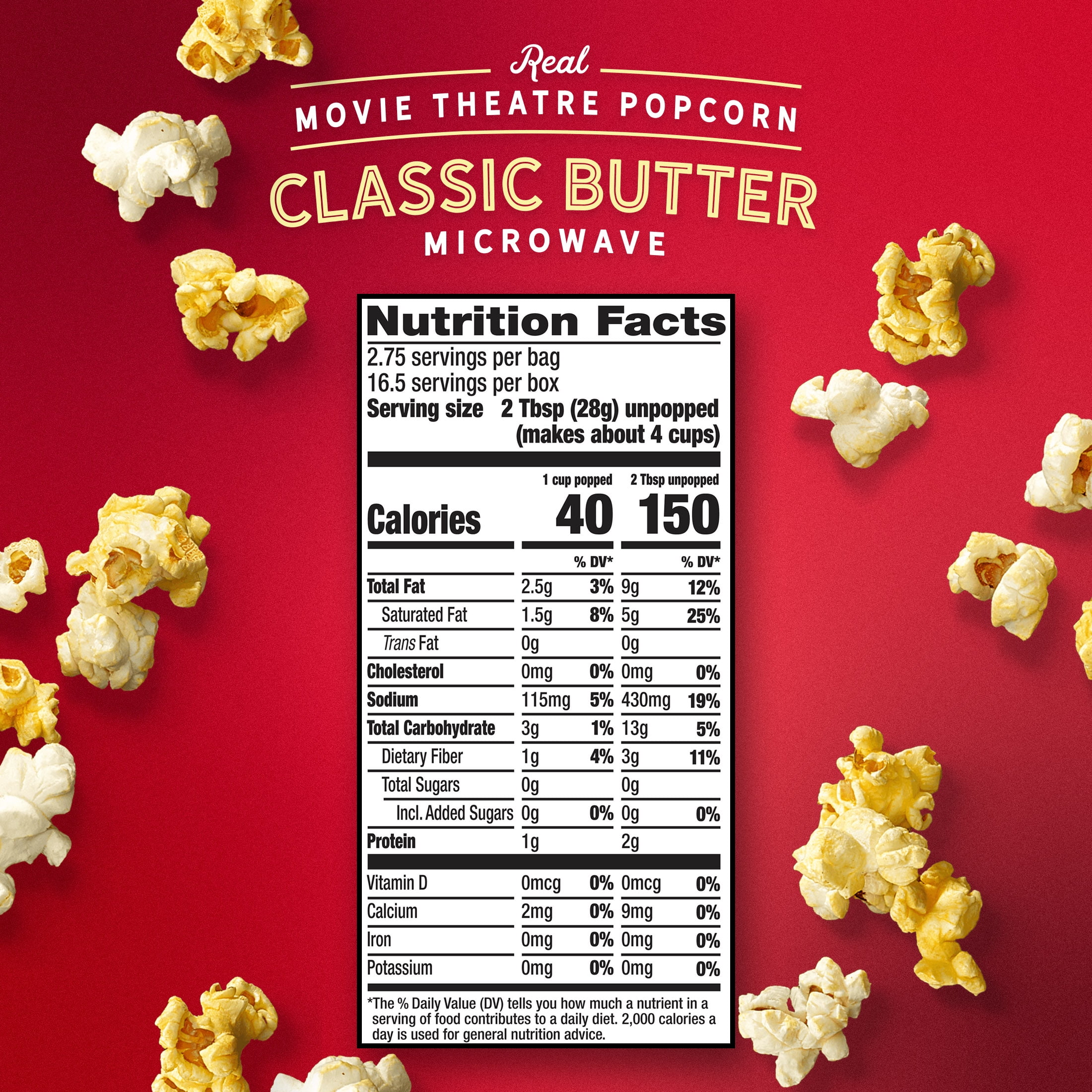
When a consumer asks, “How many calories are in movie theater popcorn?” they are usually looking for a nutritional value to manage their diet. However, from a business and personal finance perspective, those calories represent something far more significant: the lifeblood of the global film exhibition industry. In the world of business finance, movie theater popcorn isn’t just a snack; it is a high-margin financial instrument that keeps the doors open for major cinema chains like AMC, Regal, and Cinemark.
To understand the “calories” of this business, one must look past the butter and salt and into the unit economics, the ancillary revenue models, and the psychological pricing strategies that make a bucket of popped corn one of the most profitable retail items in existence.
The Unit Economics of Concessions: Why Popcorn is a Gold Mine
At the heart of the movie theater business model lies a stark disparity between the cost of goods sold (COGS) and the retail price. To a nutritionist, the calories in a large popcorn—often exceeding 1,200 calories when layered with “buttery” topping—are dense. To a CFO, the profit density is even more impressive.
The Cost of Production vs. The Price of Luxury
The raw materials required to produce movie theater popcorn are remarkably inexpensive. A bulk bag of butterfly or mushroom kernels, industrial-grade coconut oil, and Flavacol (the industry-standard seasoning salt) costs the theater mere cents per serving. When you factor in the paper bucket or bag, the total cost of production for a large popcorn often sits well below $1.00.
When that same item is sold for $8.00 to $12.00, the markup is frequently cited as being upwards of 900% to 1,500%. In the world of retail and personal finance, few products offer such a staggering return on investment (ROI). For the consumer, it is an expensive indulgence; for the theater, it is a necessary financial cushion that offsets the low margins found in other areas of the business.
Analyzing the Gross Margin of the “Large Bucket”
Gross margin is the percentage of revenue that exceeds the cost of goods sold. In most retail sectors, a gross margin of 30% to 50% is considered healthy. Movie theater concessions, spearheaded by popcorn, often operate at gross margins exceeding 85%.
This high margin is the “financial calorie” that fuels the theater’s ability to pay rent on massive real estate holdings, cover high utility costs for climate-controlled auditoriums, and invest in expensive laser projection and Dolby Atmos sound systems. Without the hyper-inflated price of popcorn, the traditional cinema business model would likely collapse under the weight of its own overhead.
The Ancillary Revenue Model: Why Theaters Don’t Make Money on Movies
It is a common misconception among moviegoers that their $15 ticket price is the primary source of profit for the theater. In reality, the “Money” niche of the film industry reveals a much more complex “Studio Split” that necessitates the high price of snacks.
The Studio Split: Where Your Ticket Money Really Goes
When a blockbuster like a Marvel film or a James Cameron epic hits the screen, the film distributor (the studio) negotiates a deal with the exhibitor (the theater). In the opening weeks of a major release, the studio often takes 60% to 70% of the box office revenue. After paying the studio, the theater is left with a small fraction of the ticket price, which must then cover staffing, taxes, and marketing.
As the weeks progress, the split usually shifts more in favor of the theater, but by then, the “hype” has often died down, and ticket sales have dwindled. This is why the first two weeks of a film’s release are a race for the theater to sell as many “financial calories” as possible via the concession stand.
Popcorn as the Financial Engine of Exhibition
Because the theater keeps 100% of the revenue from concessions (minus the negligible COGS), the snack bar is the primary driver of the bottom line. Financial reports for major cinema chains frequently show that while concessions account for only about 30% of total revenue, they contribute approximately 45% to 50% of the total gross profit.

From an investing standpoint, an analyst looking at a cinema chain’s stock isn’t just looking at the “slate” of upcoming movies; they are looking at “per-patron spend” (PPS). If a theater can increase the PPS by even $0.50 through better popcorn marketing or upselling, it can have a transformative effect on the company’s EBITDA (Earnings Before Interest, Taxes, Depreciation, and Amortization).
Consumer Behavior and Pricing Psychology
The pricing of movie theater popcorn is a masterclass in behavioral economics. To the average consumer, the prices seem exorbitant, yet they continue to pay them. This is not accidental; it is the result of carefully calculated psychological triggers designed to maximize the “yield” per customer.
The Decoy Effect: Small, Medium, and Large
Almost every movie theater employs “The Decoy Effect” in their popcorn pricing. You will often see a “Small” popcorn for $7.00, a “Medium” for $8.50, and a “Large” for $9.00.
By pricing the Medium so close to the Large, the theater makes the Medium look like a poor value and the Large look like a “steal.” The consumer, wanting to make the most “rational” financial decision, opts for the Large. In reality, the consumer didn’t need that many calories, and the theater only spent an extra fraction of a cent on the additional kernels, but they successfully extracted an extra $2.00 of pure profit from the transaction. This is a classic example of “upselling” that boosts the theater’s business finance metrics.
Emotional Spending and the Cinematic Experience
From a personal finance perspective, movie popcorn is an irrational purchase. However, the theater industry relies on “captive audience” dynamics and emotional anchoring. The smell of popcorn is intentionally vented through the lobby to trigger nostalgic responses.
For the consumer, the “experience” of the movie is inextricably linked to the ritual of snacking. This creates a price-inelastic environment where the theater can raise prices significantly without a corresponding drop in demand. In business terms, this is known as “pricing power,” and it is a hallmark of a successful, albeit controversial, brand strategy within the entertainment sector.
The Future of Theater Finance: Diversification and Digital Transformation
As streaming services like Netflix and Disney+ provide stiff competition, the “Money” side of the movie business is forced to evolve. The reliance on the high-margin popcorn model is being tested, leading to new financial strategies.
Subscription Models and Snack Upselling
To stabilize cash flow, many theaters have moved toward subscription models (like AMC Stubs A-List). While these subscriptions offer “free” or discounted tickets, their primary financial goal is to increase the frequency of theater visits. More visits mean more opportunities to sell high-margin concessions. Even if the theater “breaks even” on the ticket via the subscription, they “win” on the popcorn and soda.
External Competition and the Need for Premium Offerings
Modern theater chains are diversifying their “financial calories” by introducing luxury dining options, alcohol, and “Enhanced Cinema” experiences. By selling craft beer or gourmet meals, they are reaching a demographic willing to spend even more than the traditional popcorn-and-soda buyer.
However, popcorn remains the king of the balance sheet because the labor and overhead required to cook a burger or pour a cocktail are significantly higher than the automated process of popping corn. In the hierarchy of business finance, the “low-effort, high-markup” nature of popcorn remains the gold standard for ancillary revenue.
Conclusion: The Bottom Line on Popcorn Calories
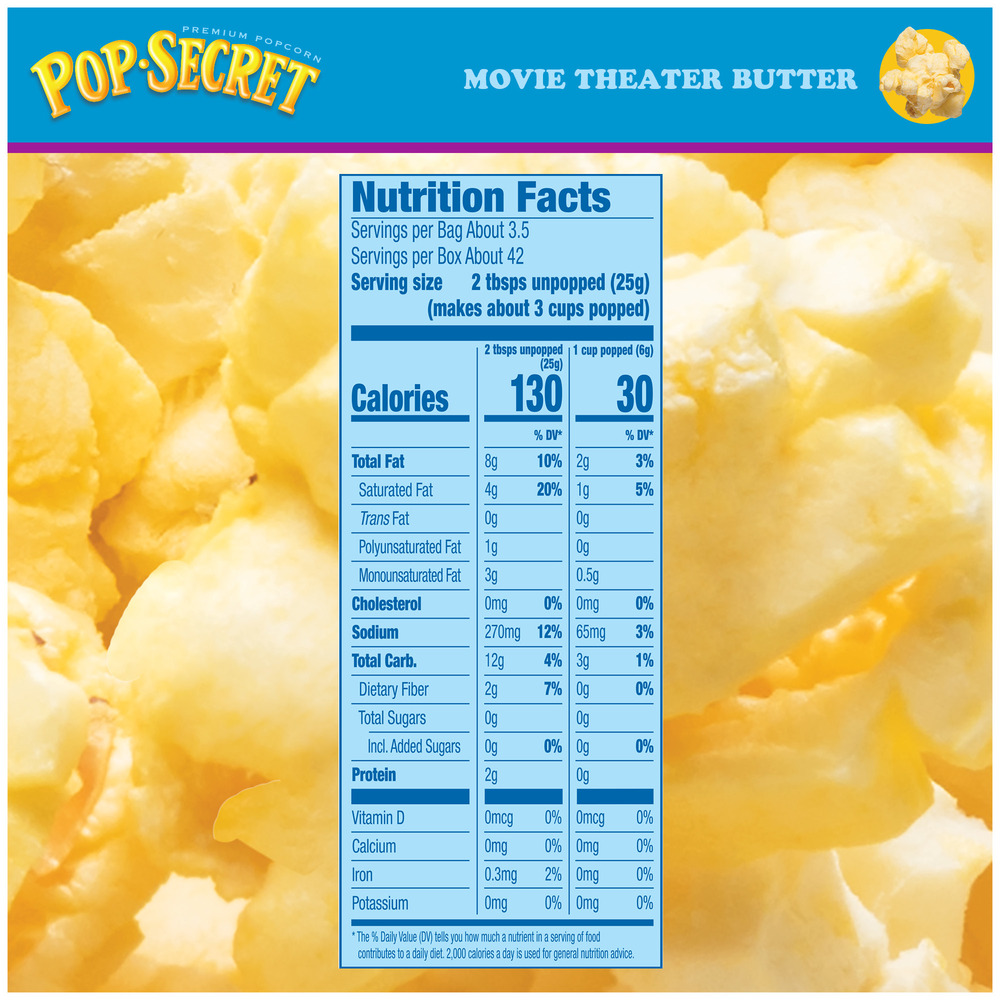
While a health-conscious individual might worry about the 1,200 calories in a bucket of theater popcorn, a business analyst sees those calories as the vital energy required to sustain a multi-billion dollar industry. The “calories” in movie theater popcorn are, in fact, the margins that allow the cinematic arts to exist in a physical space.
Understanding the economics of the concession stand provides deep insight into how “Money” works in the entertainment world. It is a world of lopsided studio contracts, psychological pricing decoys, and a desperate reliance on a product that costs pennies but sells for dollars. The next time you pay for a large popcorn, remember: you aren’t just buying a snack; you are providing the capital venture that ensures the lights stay on and the projector keeps running. In the grand scheme of business finance, that popcorn is the most important investment on the screen.
aViewFromTheCave is a participant in the Amazon Services LLC Associates Program, an affiliate advertising program designed to provide a means for sites to earn advertising fees by advertising and linking to Amazon.com. Amazon, the Amazon logo, AmazonSupply, and the AmazonSupply logo are trademarks of Amazon.com, Inc. or its affiliates. As an Amazon Associate we earn affiliate commissions from qualifying purchases.