
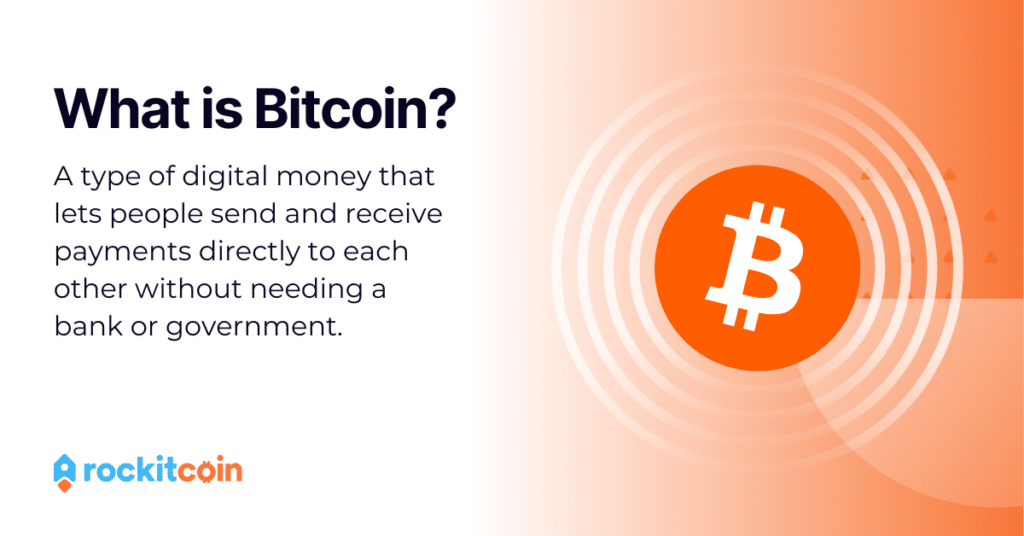
Bitcoin, often shrouded in a veil of technical jargon and speculative headlines, represents far more than just another digital asset. To truly understand “what Bitcoin means” is to delve into its profound implications for personal finance, global economics, and the very nature of money itself. Born from the ashes of the 2008 financial crisis, Bitcoin emerged as a radical proposition: a decentralized, peer-to-peer electronic cash system. Today, it stands as a pivotal innovation challenging traditional financial paradigms, demanding a re-evaluation of trust, value, and control in the digital age. Its meaning is multifaceted, evolving with technological advancements, market cycles, and an ever-growing global adoption, fundamentally reshaping how we perceive, transact with, and invest our financial resources.
Bitcoin as a Digital Asset: Beyond Traditional Currency
At its core, Bitcoin is a digital asset, but its significance extends far beyond simply being an online form of payment. It embodies a revolutionary approach to money, fundamentally different from the fiat currencies we use daily. Understanding this distinction is crucial to grasping its true financial meaning.
A Decentralized Revolution
The most defining characteristic of Bitcoin is its decentralization. Unlike traditional currencies, which are issued and controlled by central banks and governments, Bitcoin operates on a distributed ledger technology called blockchain. This means there is no central authority dictating its supply, verifying transactions, or setting monetary policy. Instead, a global network of computers collectively maintains and validates the ledger. For individuals, this decentralization offers a level of financial autonomy unprecedented in modern history. It means transactions are peer-to-peer, bypassing banks and other intermediaries, leading to lower fees, faster settlement times, and a reduced risk of censorship or third-party interference. From a financial perspective, this represents a shift from a trust-based system (trusting a bank or government) to a cryptographically-secured, trustless system. For those concerned about financial privacy and governmental overreach, Bitcoin offers a potent alternative, embodying a philosophy of individual sovereignty over one’s wealth.
Scarce Digital Gold
Another critical financial attribute of Bitcoin is its fixed and finite supply. Capped at precisely 21 million units, this scarcity is hardcoded into its protocol. This stands in stark contrast to fiat currencies, which can be printed in unlimited quantities by central banks, often leading to inflation and a gradual erosion of purchasing power. Bitcoin’s scarcity often leads it to be compared to “digital gold.” Historically, gold has served as a store of value due to its rarity, durability, and intrinsic demand. Bitcoin mirrors these qualities in the digital realm. Its predictable issuance schedule, coupled with the “halving” events that periodically reduce the rate at which new bitcoins are created, reinforces its deflationary nature. For investors and savers, this scarcity makes Bitcoin an attractive hedge against inflation and a potential long-term store of value, particularly in an era of quantitative easing and economic uncertainty. The promise of a truly limited asset in an increasingly inflationary world is a cornerstone of Bitcoin’s financial appeal.
Global & Borderless Transactions
Bitcoin’s architecture enables it to facilitate global and borderless transactions. Traditional international transfers, often referred to as remittances, can be slow, expensive, and subject to geographic and political restrictions. Sending money across borders typically involves multiple banks, currency conversions, and significant fees, taking days to settle. Bitcoin, by contrast, allows anyone with an internet connection to send and receive value anywhere in the world, often within minutes, with transaction fees that can be significantly lower than traditional methods, especially for larger sums. This has profound implications for international trade, remittances, and humanitarian aid. It democratizes access to global financial rails, empowering individuals and businesses in regions with underdeveloped banking infrastructure or those facing capital controls. For many, Bitcoin means liberation from the inefficiencies and costs of legacy financial systems, opening up new avenues for global commerce and personal financial freedom.
Bitcoin in Your Investment Portfolio: Opportunities and Risks
Beyond its role as a digital currency, Bitcoin has cemented its place as a legitimate, albeit volatile, investment asset. Understanding its position within an investment portfolio requires a careful balance of appreciating its potential for growth while acknowledging its inherent risks.
The Allure of High Returns
Bitcoin’s meteoric rise since its inception has captured the attention of investors worldwide. Its historical performance has outstripped most traditional asset classes, making it a compelling option for those seeking aggressive growth and diversification. Many view Bitcoin as a revolutionary technology disrupting global finance, believing its value will continue to appreciate as adoption grows and its network effects strengthen. For some, it represents a generational opportunity to participate in the early stages of a new monetary paradigm. Investors often allocate a portion of their portfolio to Bitcoin, viewing it as a “call option” on the future of digital finance, a potential hedge against the instability of traditional markets, or even as a safe haven asset during times of geopolitical uncertainty. Its appeal lies in its perceived uncorrelated nature with traditional stocks and bonds, offering a unique avenue for portfolio diversification and capital appreciation.
Volatility and Risk Management
Despite its allure, Bitcoin is notorious for its extreme price volatility. Sharp price swings of 10-20% in a single day are not uncommon, and it has experienced multiple significant corrections (drawdowns of 50% or more) throughout its history. This volatility stems from various factors, including its nascent market stage, speculative trading, regulatory uncertainty, and macroeconomic influences. For investors, this means that Bitcoin is not for the faint of heart. Prudent risk management is paramount. This includes only investing capital one can afford to lose, establishing a clear investment thesis, and adhering to a long-term perspective to weather market fluctuations. Dollar-cost averaging (investing a fixed amount regularly) is a popular strategy to mitigate the impact of volatility. Furthermore, Bitcoin should typically constitute a relatively small percentage of a diversified portfolio, commensurate with an individual’s risk tolerance and overall financial goals. Understanding the risk-reward profile is essential to leveraging Bitcoin effectively as an investment.
Custody and Security

Investing in Bitcoin also brings unique considerations regarding custody and security, which differ significantly from traditional asset management. When you buy stocks or bonds through a brokerage, your assets are typically held by the institution. With Bitcoin, you have the option of self-custody, where you hold your private keys (the cryptographic information that proves ownership) yourself, often in a hardware wallet or a secure software wallet. This gives you ultimate control over your funds, embodying the “be your own bank” ethos of Bitcoin. However, it also places the full responsibility of security squarely on your shoulders; losing your private keys means losing access to your Bitcoin, with no central authority to recover them. Alternatively, you can store your Bitcoin on centralized exchanges, which offer convenience but introduce counterparty risk – the risk that the exchange itself could be hacked, fail, or freeze your funds. Understanding these custody options and the associated financial risks and responsibilities is a crucial part of investing in Bitcoin, requiring careful research and a robust personal security strategy.
The Evolving Role of Bitcoin in Personal and Business Finance
Bitcoin’s meaning is dynamic, constantly expanding its reach from a niche technology to an increasingly integral part of personal and business financial ecosystems. Its utility is growing, moving beyond just speculation to practical applications.
Emerging Payment System
While initially envisioned as “peer-to-peer electronic cash,” Bitcoin’s volatility and transaction fees have historically limited its widespread adoption as an everyday payment method. However, this is changing rapidly. The development of layer-2 solutions, most notably the Lightning Network, has significantly enhanced Bitcoin’s scalability, enabling near-instant, low-cost microtransactions. This infrastructure is paving the way for Bitcoin to become a more viable medium of exchange for retail purchases and online payments. A growing number of merchants, both online and brick-and-mortar, are beginning to accept Bitcoin directly or through payment processors, recognizing the benefits of lower transaction fees, irreversible payments, and access to a global customer base. For individuals, this means new ways to spend their digital assets, while for businesses, it represents an opportunity to streamline payment processes, reduce operational costs, and cater to a tech-savvy demographic increasingly embracing digital currencies.
Financial Inclusion and Accessibility
One of Bitcoin’s most compelling meanings lies in its potential to foster financial inclusion. Globally, billions of people remain unbanked or underbanked, lacking access to essential financial services like savings accounts, loans, and efficient payment systems. This demographic often resides in developing countries, where traditional banking infrastructure is scarce, costly, or inaccessible. Bitcoin offers a direct and permissionless alternative. All that is required is a smartphone and internet access, enabling individuals to store value, send remittances, and participate in the global digital economy without needing a traditional bank account or credit history. This empowerment can significantly impact economic development, allowing individuals to build wealth, participate in global commerce, and secure their financial future. For those living under repressive regimes or experiencing hyperinflation, Bitcoin can offer a lifeline, providing a censorship-resistant and inflation-hedged store of value when local currencies fail.
Business Adoption and Treasury Management
The meaning of Bitcoin is also evolving significantly within the corporate world. What began with a few forward-thinking companies accepting Bitcoin as payment has expanded to publicly traded corporations adding it to their balance sheets as a treasury asset. This strategic move is driven by various factors: hedging against inflation, seeking diversification from traditional cash holdings, and signaling an innovative stance to investors and customers. Companies are exploring how Bitcoin can streamline international payments, reduce foreign exchange costs, and offer new revenue streams through Bitcoin-related services. Integrating Bitcoin into business finance requires careful consideration of accounting, tax implications, regulatory compliance, and cybersecurity. However, for many enterprises, Bitcoin represents a strategic asset and a foundational technology that could redefine corporate finance and global business operations in the coming decade.
Navigating the Future of Money with Bitcoin
The journey of Bitcoin from an obscure internet curiosity to a global financial phenomenon is far from over. Its future “meaning” will be shaped by ongoing developments, regulatory frameworks, and its interaction with established financial systems.
Regulatory Landscape and Impact
The regulatory environment surrounding Bitcoin remains a significant factor in its ongoing evolution. Governments and financial authorities worldwide are grappling with how to classify, regulate, and integrate cryptocurrencies. Approaches vary widely, from outright bans in some countries to comprehensive regulatory frameworks in others. The meaning of Bitcoin is heavily influenced by these policies: clear regulations can foster legitimacy and adoption, encouraging institutional investment and broader public acceptance. Conversely, restrictive or uncertain regulations can hinder growth, create market volatility, and push activity into unregulated spaces. The ongoing dialogue between innovators and regulators will determine how seamlessly Bitcoin integrates into the global financial system, impacting everything from taxation and consumer protection to its role in national economies. Understanding this dynamic is crucial for anyone engaging with Bitcoin financially.
The Macroeconomic Perspective
From a macroeconomic standpoint, Bitcoin represents a fascinating experiment with the potential to influence global monetary policy and the very structure of the international financial system. Its decentralized nature and fixed supply present an alternative to central bank-controlled fiat currencies, prompting discussions about monetary sovereignty, inflation control, and the future of reserve currencies. While Bitcoin is unlikely to replace national currencies entirely in the near term, its growing prominence has spurred central banks worldwide to explore and develop their own Central Bank Digital Currencies (CBDCs). Bitcoin’s existence forces a re-evaluation of fundamental economic principles and challenges traditional notions of monetary stability. Its meaning, in this context, is that of a powerful disruptor and a catalyst for innovation in global finance, potentially diversifying the global financial system and offering new tools for economic resilience in a rapidly changing world.

Understanding Bitcoin’s “Meaning” for You
Ultimately, what Bitcoin means is highly personal and context-dependent. For some, it represents a speculative investment, a digital lottery ticket with the potential for life-changing gains. For others, it’s a profound political statement, a tool for financial freedom and resistance against centralized control. For businesses, it might be an efficient payment rail or a strategic treasury asset. For those in developing nations, it could mean access to basic financial services. Bitcoin’s meaning evolves with each individual’s perspective, their financial goals, their risk tolerance, and their understanding of its underlying technology and economic implications. It demands education, critical thinking, and a willingness to engage with a rapidly evolving technological and financial landscape. Its true significance lies not just in its current market value, but in its potential to redefine the future of money, investment, and financial empowerment for generations to come.
In conclusion, Bitcoin is more than just a digital currency; it is a multi-faceted financial innovation challenging the very foundations of traditional economics and banking. Its meaning spans decentralized governance, scarce digital value, global financial accessibility, and a powerful, albeit volatile, investment opportunity. As it continues to mature and integrate into the global financial fabric, understanding “what Bitcoin means” will be essential for navigating the evolving landscape of personal and business finance in the 21st century.
aViewFromTheCave is a participant in the Amazon Services LLC Associates Program, an affiliate advertising program designed to provide a means for sites to earn advertising fees by advertising and linking to Amazon.com. Amazon, the Amazon logo, AmazonSupply, and the AmazonSupply logo are trademarks of Amazon.com, Inc. or its affiliates. As an Amazon Associate we earn affiliate commissions from qualifying purchases.