
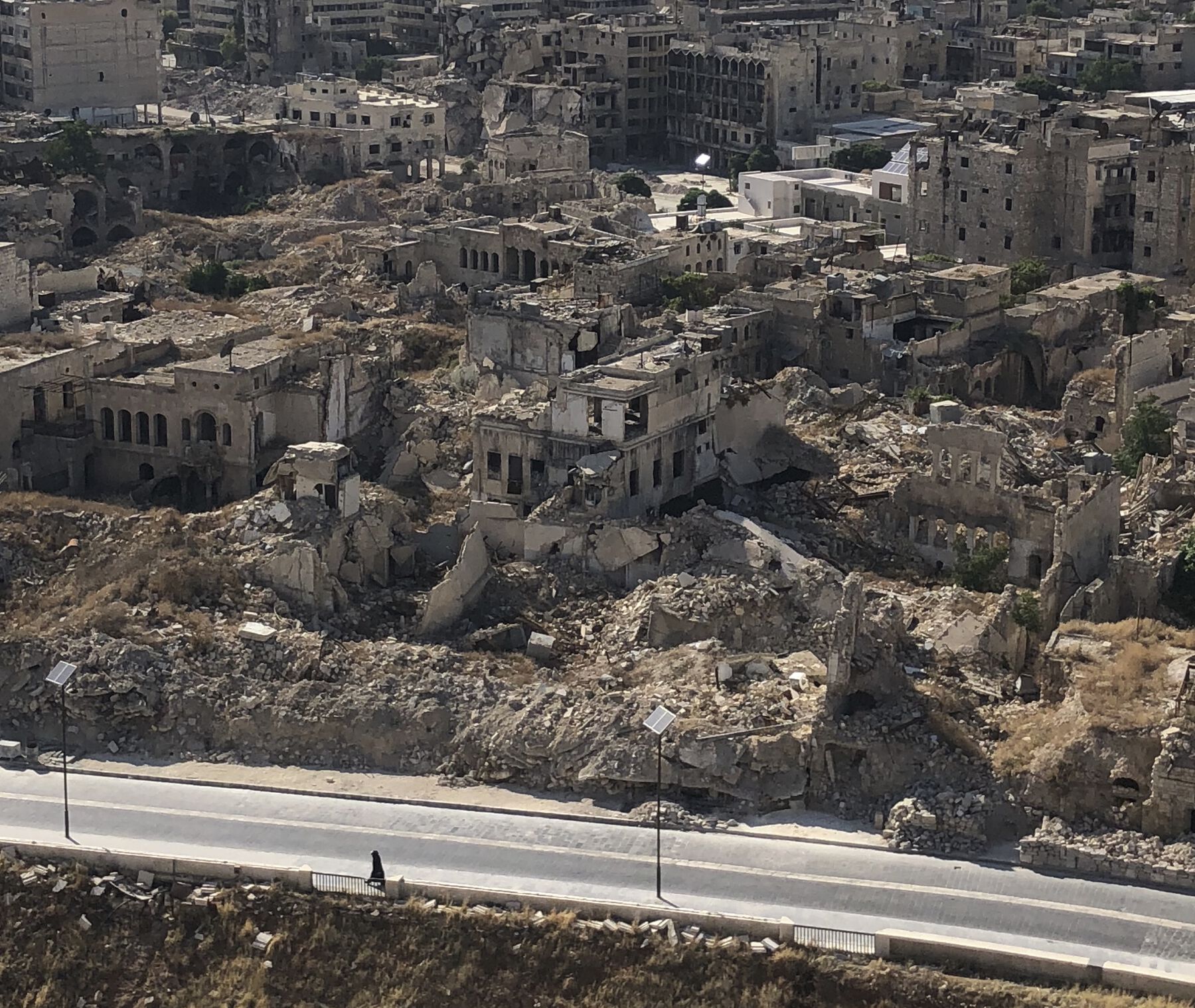
The echoes of conflict often reverberate far beyond the immediate blast, etching themselves into the fabric of society, infrastructure, and human experience. While the humanitarian crisis and geopolitical complexities of Aleppo, Syria, have been extensively documented, a critical, often understated, dimension is the profound role technology played – both as an instrument of destruction and control, and as a tool for resilience, documentation, and the nascent glimmer of recovery. From the earliest days of unrest to the devastating sieges and the arduous path to rebuilding, Aleppo became an unwitting laboratory for how modern technology intersects with urban warfare, humanitarian response, and the very concept of human connection amidst unprecedented adversity. This article delves into the technological footprint of the Aleppo crisis, examining how digital tools transformed the conflict, shaped global perception, and continue to influence the city’s precarious future.

I. The Digital Frontline: Technology as a Catalyst and Witness
In the contemporary landscape of conflict, the battleground extends far beyond physical terrain into the digital realm. Aleppo’s experience underscores how technology, particularly communication technologies, became an inseparable part of the narrative, influencing the flow of information, the conduct of operations, and the global response.
A. The Rise of Citizen Journalism and Social Media Warfare
Before the widespread devastation, smartphones and accessible internet connectivity transformed ordinary citizens into de facto journalists. The ubiquity of mobile devices meant that events unfolding in real-time could be captured, uploaded, and shared globally within minutes. This unprecedented level of instant documentation bypassed traditional media filters, offering raw, often harrowing, perspectives directly from the ground.
However, this democratic access to information also presented a double-edged sword. While it provided invaluable evidence of atrocities and galvanized international attention, it also became a fertile ground for misinformation, propaganda, and psychological operations. State and non-state actors alike leveraged social media platforms to disseminate their narratives, sow discord, and target specific demographics with tailored messages. The veracity of images and videos became a constant challenge, leading to the emergence of open-source intelligence (OSINT) communities dedicated to verifying content through geolocation, metadata analysis, and cross-referencing. Aleppo thus highlighted the intricate dance between authentic grassroots reporting and sophisticated digital manipulation, making it challenging for global audiences to discern truth from fiction amidst the fog of war.
B. Communication Breakdown and Resilience
As the conflict escalated, communication infrastructure became a prime target. Cellular networks, internet cables, and power grids were systematically damaged or destroyed, aiming to isolate populations and hinder coordination among opposition groups. The disruption of these vital arteries plunged communities into digital darkness, severing connections to the outside world and impeding the flow of critical information, including warnings, aid requests, and news from loved ones.
In response, communities and humanitarian organizations developed ingenious, if often ad-hoc, technological solutions. Satellite phones, while expensive and often targeted, became lifelines for critical communications. Mesh networks, though limited in range and requiring some level of technical expertise, offered localized connectivity, allowing residents to share information within neighborhoods. The ingenuity extended to power solutions, with generators and makeshift battery packs becoming essential for keeping devices charged. This period underscored the fundamental human need for connection, even in the most extreme circumstances, and the resilience displayed in finding technological workarounds when conventional systems failed.
II. Tech’s Dual Role: Surveillance, Cyber Warfare, and Humanitarian Innovation
The technological landscape of Aleppo was characterized by a pervasive duality: tools designed for connection and information sharing were repurposed for surveillance and control, while cutting-edge innovations emerged from the desperate need for humanitarian intervention.
A. The Pervasiveness of Digital Surveillance and Cyber Warfare
In conflict zones, the digital realm becomes a battleground for intelligence gathering and strategic disruption. Aleppo was no exception. Advanced surveillance technologies, ranging from sophisticated data interception tools to drone reconnaissance, were reportedly deployed to monitor populations, track movements, and identify targets. This digital panopticon aimed to suppress dissent and gain tactical advantages, with citizens becoming acutely aware of the digital breadcrumbs they left behind.
Beyond physical surveillance, cyber warfare played a subtler, yet impactful, role. Attacks on digital infrastructure, government websites, and communication networks aimed to disrupt services, steal sensitive data, and sow chaos. While direct evidence in Aleppo is scarce due to the clandestine nature of such operations, the global trend of cyber warfare suggests its likely integration into broader conflict strategies, further complicating the already dire situation for civilians and aid workers. The threat of digital compromise added another layer of vulnerability to an already imperiled populace.
B. Humanitarian Technology on the Frontlines
Amidst the devastation, technology emerged as a crucial enabler for humanitarian efforts. The scale of the crisis in Aleppo necessitated innovative approaches to aid delivery, damage assessment, and medical support. Drones, for instance, were deployed (with ethical and safety considerations) to map damaged areas, assess needs, and even deliver small, urgent packages where ground access was impossible or too dangerous. This aerial perspective provided invaluable data for planning and resource allocation that traditional ground surveys could not.
Telemedicine, though challenging due to connectivity issues, offered a lifeline to populations cut off from medical facilities. Remote consultations and guidance for local medical personnel, where possible, helped manage injuries and illnesses in dire circumstances. Data analytics and geographic information systems (GIS) became instrumental in tracking displaced populations, identifying critical infrastructure gaps, and coordinating the distribution of food, water, and shelter. These technological interventions, often spearheaded by non-governmental organizations and international bodies, showcased the potential of digital tools to mitigate suffering and optimize resource deployment in extreme environments.

III. Rebuilding a Digital Future: Post-Conflict Tech Challenges and Opportunities
As the immediate conflict subsided, Aleppo faced the monumental task of reconstruction, not just of its physical infrastructure but also of its digital capabilities and societal trust. Technology continues to play a vital, if complex, role in this ongoing process.
A. Reconstructing Digital Infrastructure and Connectivity
The physical destruction of Aleppo’s communications infrastructure left deep scars. Rebuilding this network is not merely about restoring pre-war capabilities; it’s an opportunity to implement more robust, resilient, and accessible digital systems. This involves not only laying new fiber optic cables and erecting cellular towers but also exploring alternative technologies like satellite internet to ensure redundancy and broader coverage, especially in hard-to-reach areas. The challenge lies in securing funding, attracting technical expertise, and navigating the political complexities inherent in such large-scale infrastructure projects.
Furthermore, ensuring equitable access to this rebuilt infrastructure is paramount. Bridging the digital divide within Aleppo means providing affordable internet access, public Wi-Fi zones, and digital literacy programs to empower all citizens, particularly those who were most marginalized during the conflict. A well-connected Aleppo can foster economic recovery, facilitate education, and reconnect fragmented communities, but only if the technology is accessible to everyone.
B. Leveraging Tech for Urban Planning and Economic Revival
Technology is indispensable for the meticulous process of urban planning and economic revitalization. Digital mapping and 3D modeling tools are being used to assess damage, plan reconstruction efforts, and visualize future urban layouts. Data-driven approaches can inform decisions on housing, infrastructure, and public services, ensuring that rebuilding efforts are efficient, sustainable, and meet the evolving needs of the population.
For economic revival, digital platforms offer a pathway for small businesses to emerge and thrive. E-commerce initiatives, online marketplaces, and digital payment systems can help local entrepreneurs reach broader markets, both domestically and internationally. Vocational training programs focused on digital skills – from coding and graphic design to digital marketing – are crucial for equipping the workforce with the competencies needed in a globalized, tech-driven economy. By fostering a digital ecosystem, Aleppo can harness the power of technology to create new opportunities, attract investment, and rebuild a resilient economic base.
IV. The Ethical Imperatives of Tech in Post-Conflict Settings
The deployment of technology in areas like Aleppo is not without its ethical quandaries. The lessons learned highlight the critical need for responsible innovation, data privacy, and inclusive governance in technology development and deployment.
A. Data Privacy and Digital Rights in Vulnerable Populations
In the aftermath of conflict, populations are often highly vulnerable, and their digital footprint can contain sensitive personal information. The collection and use of data for humanitarian aid, urban planning, or security purposes must be governed by strict ethical guidelines that prioritize individual privacy and digital rights. Robust data protection frameworks are essential to prevent misuse, exploitation, or discrimination against individuals based on their digital identities or past activities.
Furthermore, the digital identities of displaced persons and refugees often become fragmented or lost. Technology can play a role in restoring secure, verifiable digital identities, which are crucial for accessing services, proving lineage, and re-establishing legal standing. However, this must be done with extreme care, ensuring consent, transparency, and the prevention of any system that could inadvertently lead to further surveillance or control.
B. Building Trust and Countering Disinformation in Recovery
The pervasive role of misinformation during the conflict left a legacy of distrust. As Aleppo strives for recovery, fostering trust in information sources, public institutions, and digital platforms is paramount. Technology can aid this by supporting independent media, fact-checking initiatives, and digital literacy programs that empower citizens to critically evaluate information.
Furthermore, rebuilding social cohesion requires platforms that facilitate constructive dialogue and reconciliation, rather than polarizing narratives. Designing digital spaces that promote inclusivity, empathy, and evidence-based discourse is a significant challenge, but one that technology can help address. By investing in ethical AI, transparent content moderation, and community-driven digital governance, Aleppo can leverage technology not just to rebuild infrastructure, but to mend the social fabric fractured by years of conflict and digital manipulation.
Conclusion
Aleppo, Syria, stands as a stark testament to the multifaceted impact of technology in modern conflict and post-conflict recovery. From the raw, unfiltered reporting of citizen journalists to the systematic targeting of communication networks, and from ingenious humanitarian tech solutions to the ongoing challenges of digital reconstruction, technology has profoundly shaped the city’s trajectory. What happened in Aleppo is not just a story of geopolitical struggle and human resilience; it is also a critical case study in the evolving relationship between humanity and its digital creations in times of extreme crisis. As the world grapples with future conflicts and humanitarian emergencies, the technological lessons from Aleppo — encompassing both its destructive potential and its capacity for positive change — will remain indispensable for fostering a more informed, connected, and ultimately, more humane response.
aViewFromTheCave is a participant in the Amazon Services LLC Associates Program, an affiliate advertising program designed to provide a means for sites to earn advertising fees by advertising and linking to Amazon.com. Amazon, the Amazon logo, AmazonSupply, and the AmazonSupply logo are trademarks of Amazon.com, Inc. or its affiliates. As an Amazon Associate we earn affiliate commissions from qualifying purchases.