
“Black Mirror” isn’t just a television show; it’s a cultural phenomenon, a chillingly prescient anthology that has carved out a unique space in the modern media landscape. Its name itself evokes a sense of unease – the “black mirror” being the darkened screen of a television, smartphone, or tablet, reflecting our own image back at us, often in a distorted, unsettling way. For many viewers, the question “what genre is Black Mirror?” is less about fitting it into a neat category and more about articulating the profound, often uncomfortable, feelings it evokes. While it’s commonly labeled science fiction, to truly understand its genre, one must delve into its intricate relationship with technology, its speculative nature, and its piercing social commentary, all firmly rooted within the vast and ever-evolving domain of tech discourse.

At its heart, “Black Mirror” is a masterclass in speculative fiction centered on technology. It’s not merely a futuristic show; it’s a near-future narrative that extrapolates current technological trends to their logical, often terrifying, extremes. Each episode functions as a standalone thought experiment, presenting a world where a specific piece of technology – whether it’s advanced social media, immersive virtual reality, AI companions, or mind-uploading – has become commonplace, irrevocably altering human behavior, societal structures, and individual lives. This consistent focus on technology as the primary driver of its narratives firmly places it within the tech genre, not just as entertainment, but as a critical examination of innovation’s double-edged sword.
The Core of Black Mirror: Speculative Tech and Its Ramifications
“Black Mirror” distinguishes itself by refusing to present technology as inherently good or evil. Instead, it meticulously explores how human nature, societal structures, and individual choices interact with advanced technology, leading to unforeseen and often dystopian consequences. This nuanced approach makes it a vital piece of speculative tech, pushing boundaries and inviting critical thought.
Dystopian Futures and Technological Overreach
The most defining characteristic of “Black Mirror” is its exploration of dystopian futures born from technological overreach. Episodes frequently depict worlds where advancements, initially conceived with good intentions – for convenience, connection, security, or even immortality – mutate into tools of oppression, manipulation, or profound psychological torment. Take “Nosedive,” where social media ratings dictate every aspect of life, creating a brutally stratified and performative society. Or “Fifteen Million Merits,” which portrays a world where human existence is reduced to a relentless cycle of cycling for “merits” to consume digital entertainment, all while aspiring for a fleeting shot at televised fame. These aren’t just fantastical scenarios; they are exaggerated reflections of our current anxieties about data surveillance, algorithmic control, and the erosion of privacy, making them deeply resonant within the contemporary tech landscape. The show leverages technology to craft elaborate prisons, both literal and metaphorical, highlighting how the quest for ultimate convenience or connection can inadvertently lead to ultimate control.
Near-Future Realism and Predictive Tech
What makes “Black Mirror” so unsettlingly effective is its commitment to near-future realism. Unlike traditional science fiction that might feature warp drives or alien species, the technologies depicted in “Black Mirror” often feel just a few years, or even months, away from becoming reality. From advanced virtual reality systems (“Striking Vipers”) to sophisticated AI companions (“Be Right Back”) and even technologies that monitor and manipulate memories (“The Entire History of You”), the show grounds its speculative elements in believable extrapolations of current tech trends. This foresight allows it to act as a powerful thought experiment for tech developers, policymakers, and consumers alike. It implicitly asks: “If we can build it, should we?” and “What are the unintended consequences of this innovation?” This predictive quality, where today’s proof-of-concept becomes tomorrow’s dystopia, firmly positions the show as a cautionary tale within the tech ethics discourse. It serves as a stark reminder that every technological advancement carries with it profound ethical and societal implications that must be considered well before widespread adoption.
The Human Element in a Tech-Driven World
Crucially, “Black Mirror” is never just about the technology itself; it’s always about humanity’s interaction with it. The show expertly uses technology as a lens through which to examine fundamental human vulnerabilities, desires, and flaws. Characters are often pushed to their psychological limits, revealing how readily we can become enslaved by convenience, controlled by algorithms, or isolated by hyper-connectivity. Whether it’s the desperate attempt to recreate a lost loved one through AI, the obsession with social validation, or the blurring lines between reality and digital simulation, “Black Mirror” uses technology to dissect the human condition. It explores themes of identity, memory, grief, love, and power dynamics, all amplified and distorted by the technological frameworks within which the stories unfold. This human-centric approach, filtered through a tech-driven narrative, provides a richer, more engaging experience than pure tech exposition, making its commentary on technology all the more impactful.
Beyond Sci-Fi: Blending Genres for Maximum Tech Impact
While firmly rooted in speculative tech and science fiction, “Black Mirror” masterfully blends elements from various other genres to maximize its impact and deepen its exploration of technological themes. This multi-genre approach allows it to tackle complex issues from multiple angles, creating a uniquely unsettling and thought-provoking experience.
Psychological Thriller and Tech-Induced Paranoia
Many “Black Mirror” episodes lean heavily into the psychological thriller genre, inducing a profound sense of paranoia and unease directly stemming from technology. The suspense often comes not from external threats, but from the insidious ways technology manipulates perception, memory, or even consciousness. Episodes like “White Bear,” with its protagonist trapped in a horrifying loop of public shaming facilitated by mobile phones, or “Playtest,” which explores the terrifying possibilities of advanced virtual reality gaming blurring the lines of sanity, are prime examples. The technological elements serve to heighten the psychological distress, turning mundane devices into instruments of terror. This genre blend highlights the mental health implications of constant digital presence, surveillance, and immersive digital experiences, a growing concern within the tech and psychology communities.
Social Commentary and Digital Satire
“Black Mirror” is also a potent form of social commentary and digital satire. It holds a mirror up to contemporary society, critiquing our collective obsession with social media, our reliance on algorithms, and our increasingly detached interactions through screens. Episodes often satirize current tech trends, exaggerating them to reveal their inherent absurdities or dangers. “The Waldo Moment,” for instance, offered a chillingly prescient look at how digital personas and manufactured outrage could influence political landscapes, a concept that has only grown more relevant since its release. This critical function makes the show an important cultural touchstone for discussions around tech ethics, digital citizenship, and the impact of the internet on democracy. It’s not just showing us what could happen; it’s often showing us what, in a nascent form, is already happening.
Horror and Digital Body Horror
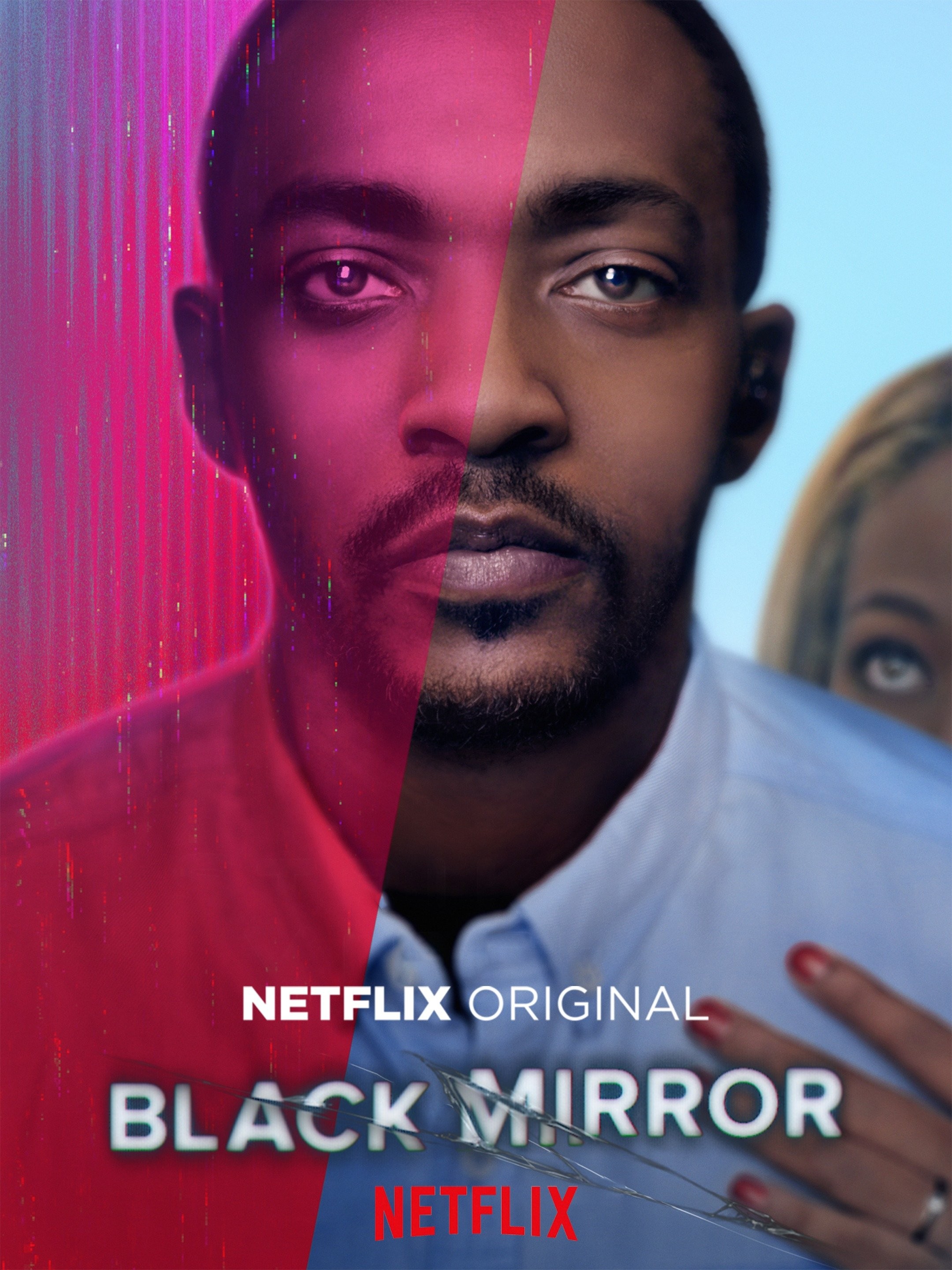
Certain episodes venture into the realm of horror, particularly what could be termed “digital body horror,” where technology not only affects the mind but also profoundly alters or traps the physical self, or digital constructs of the self. “San Junipero” delicately explores digital immortality, but other episodes like “USS Callister” present horrifying forms of digital enslavement and torture through consciousness uploads. “Black Museum” features various forms of consciousness manipulation and storage, blurring the lines between life, death, and persistent digital torment. This type of horror is unique to the tech genre, as it relies on the malleability of digital consciousness and the potential for eternal suffering within simulated realities. It pushes the boundaries of what it means to be human and what constitutes suffering in a technologically advanced world, sparking crucial philosophical debates.
Black Mirror as a Warning: Reflecting Our Tech Obsession
Beyond entertainment, “Black Mirror” serves as a powerful, often uncomfortable, warning about the trajectory of technological development and our uncritical adoption of it. Its narratives function as parables, urging viewers to reflect on their own relationships with technology and the wider implications for society.
The Algorithmic Society and Control
A recurring theme across “Black Mirror” is the pervasive influence and often oppressive nature of algorithms. From dating apps that dictate relationships to social credit systems that control opportunities, the show frequently explores a society governed by automated decision-making processes. This reflects growing real-world concerns about algorithmic bias, the black box nature of AI, and the erosion of individual agency in an increasingly data-driven world. “Nosedive” is perhaps the most direct commentary, but elements of algorithmic control are woven through many narratives, showcasing how technology can be used to monitor, categorize, and subtly (or not so subtly) control human behavior, often under the guise of optimization or convenience. The show acts as a fictional case study for understanding the potential dark sides of predictive analytics and machine learning.
Digital Immortality and Consciousness Transfer
Several episodes grapple with the profound ethical and existential questions surrounding digital immortality and the transfer of consciousness. “San Junipero” offers a bittersweet vision of a digital afterlife, while “Be Right Back” explores the complex grief and uncanny valley phenomenon associated with AI replicas. Other, darker tales within “Black Museum” and “USS Callister” portray consciousness as something that can be copied, fragmented, or even eternally tormented within digital prisons. These narratives push beyond simple sci-fi tropes, engaging with deep philosophical questions about what constitutes identity, soul, and personhood in an age where minds might be uploaded, downloaded, and manipulated. These scenarios, though currently fictional, are subjects of serious research in AI and neuroscience, making “Black Mirror’s” explorations particularly poignant for those tracking advancements in these fields.
The Perils of Hyper-Connectivity and Isolation
In an era defined by constant connection, “Black Mirror” paradoxically highlights the profound isolation that can result from hyper-connectivity. Characters often find themselves alone despite being constantly “online,” trapped in echo chambers, or performing for an unseen digital audience. The pressure for social validation, the anxiety of missing out, and the superficiality of online interactions are all themes explored through various technological lenses. The show suggests that while technology promises to bring us closer, it can also create new forms of alienation, fostering a performative existence where genuine human connection becomes increasingly elusive. This focus aligns with contemporary tech discussions around digital well-being, screen addiction, and the impact of social media on mental health, underscoring the show’s relevance as a commentary on the societal impact of current and near-future technologies.
The Evolving Tech Landscape and Black Mirror’s Enduring Relevance
As technology continues to advance at an exponential rate, “Black Mirror” doesn’t just remain relevant; it often feels increasingly prophetic. The very anxieties it explores are becoming more tangible with each passing year, solidifying its position as a crucial touchstone in the discourse surrounding technology’s future.
Predictive Analytics, AI, and Autonomous Systems
When “Black Mirror” first aired, some of its concepts felt distant, yet today, developments in AI, machine learning, and predictive analytics bring those concepts closer to reality. From autonomous vehicles making life-or-death decisions to AI-driven surveillance systems and sophisticated recommendation engines, the lines between human agency and algorithmic control are blurring. The show’s depictions of AI companions, intelligent homes, and systems that monitor every aspect of our lives are no longer purely fantastical but rather extreme iterations of technologies already in development. This makes “Black Mirror” an invaluable resource for understanding the societal implications of AI, sparking discussions about accountability, transparency, and the ethical frameworks necessary for governing increasingly intelligent autonomous systems.
Virtual, Augmented, and Extended Reality’s Blurred Lines
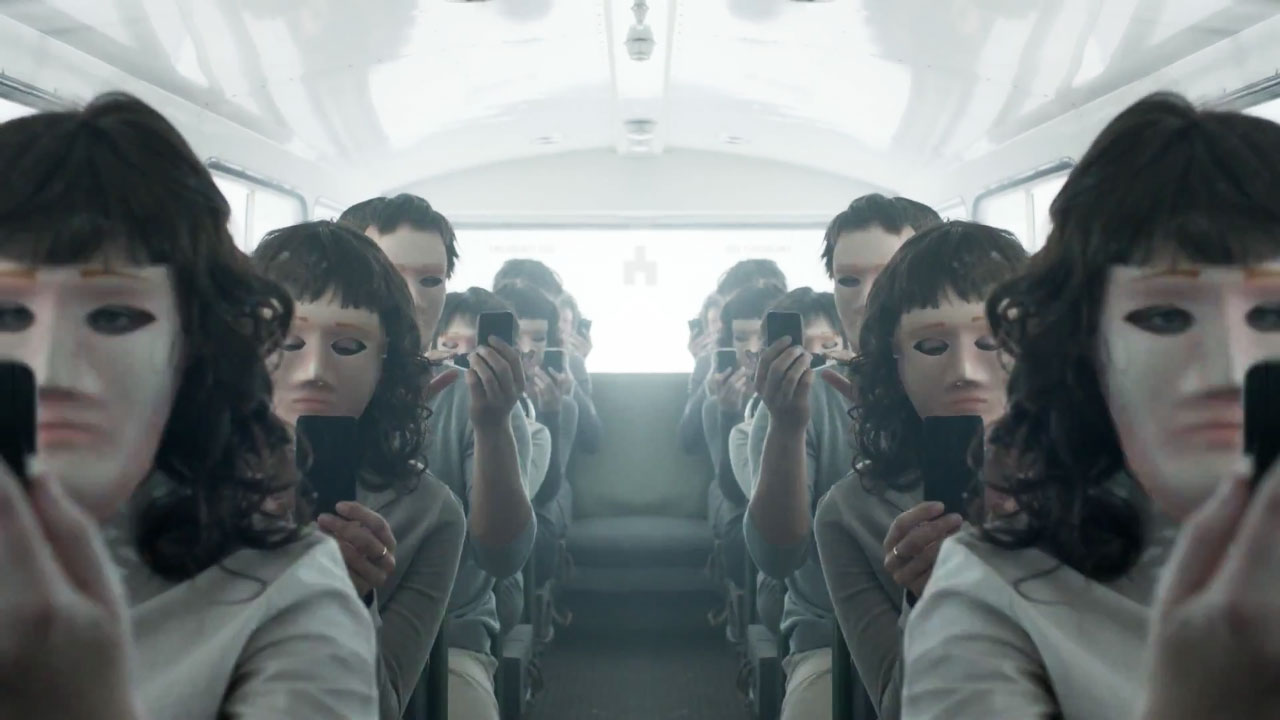
The show frequently features immersive virtual and augmented reality experiences, often leading to psychological distortion or profound existential crises. With the rise of metaverses, increasingly sophisticated VR headsets, and AR applications, the boundary between the physical and digital worlds is becoming increasingly permeable. “Black Mirror” episodes exploring these themes serve as powerful cautionary tales for the developers and users of these emerging technologies, highlighting the potential for addiction, identity confusion, and the ethical dilemmas of creating ever-more-convincing simulated realities. The questions it raises about the nature of reality, consent within digital spaces, and the psychological impact of extended immersion are more pertinent than ever.
Ethics in Technology Development and Governance
Ultimately, “Black Mirror” functions as a perennial ethics textbook for the tech industry and society at large. Each episode is a compelling case study on the importance of ethical considerations in design, development, and deployment of new technologies. It challenges engineers, entrepreneurs, and policymakers to think beyond functionality and marketability, urging them to deeply consider the long-term human and societal impacts of their creations. From data privacy and surveillance to algorithmic bias and the nature of consciousness, the show forces us to confront difficult questions about the future we are building. Its influence extends beyond entertainment, permeating discussions in academic institutions, tech conferences, and governmental policy debates, solidifying its genre as essential tech-driven speculative fiction with a profound ethical core.
In conclusion, while “Black Mirror” might wear many hats—psychological thriller, social commentary, drama, and even horror—its defining characteristic and true genre lie firmly within tech-driven speculative fiction. It is a series that consistently explores the implications of technology on human society, often through a dystopian lens, making it an essential and increasingly relevant piece of cultural critique within the technology landscape. It serves as a stark, often terrifying, reflection of our present and a chilling premonition of our potential future, urging us to look beyond the sleek interfaces and powerful algorithms to consider the profound impact of our own technological creations.
aViewFromTheCave is a participant in the Amazon Services LLC Associates Program, an affiliate advertising program designed to provide a means for sites to earn advertising fees by advertising and linking to Amazon.com. Amazon, the Amazon logo, AmazonSupply, and the AmazonSupply logo are trademarks of Amazon.com, Inc. or its affiliates. As an Amazon Associate we earn affiliate commissions from qualifying purchases.