
The Second Amendment of the United States Constitution—protecting the right of the people to keep and bear arms—is one of the most polarizing and fiercely debated topics in American society. While often discussed in legal, political, or social contexts, its profound influence on branding, corporate identity, marketing, and public perception is an area ripe for insightful exploration. For businesses, advocacy groups, and even individuals, understanding “what the Second Amendment means” extends far beyond its textual interpretation; it delves into how it shapes brand narratives, market positioning, stakeholder engagement, and ultimately, commercial success or failure.
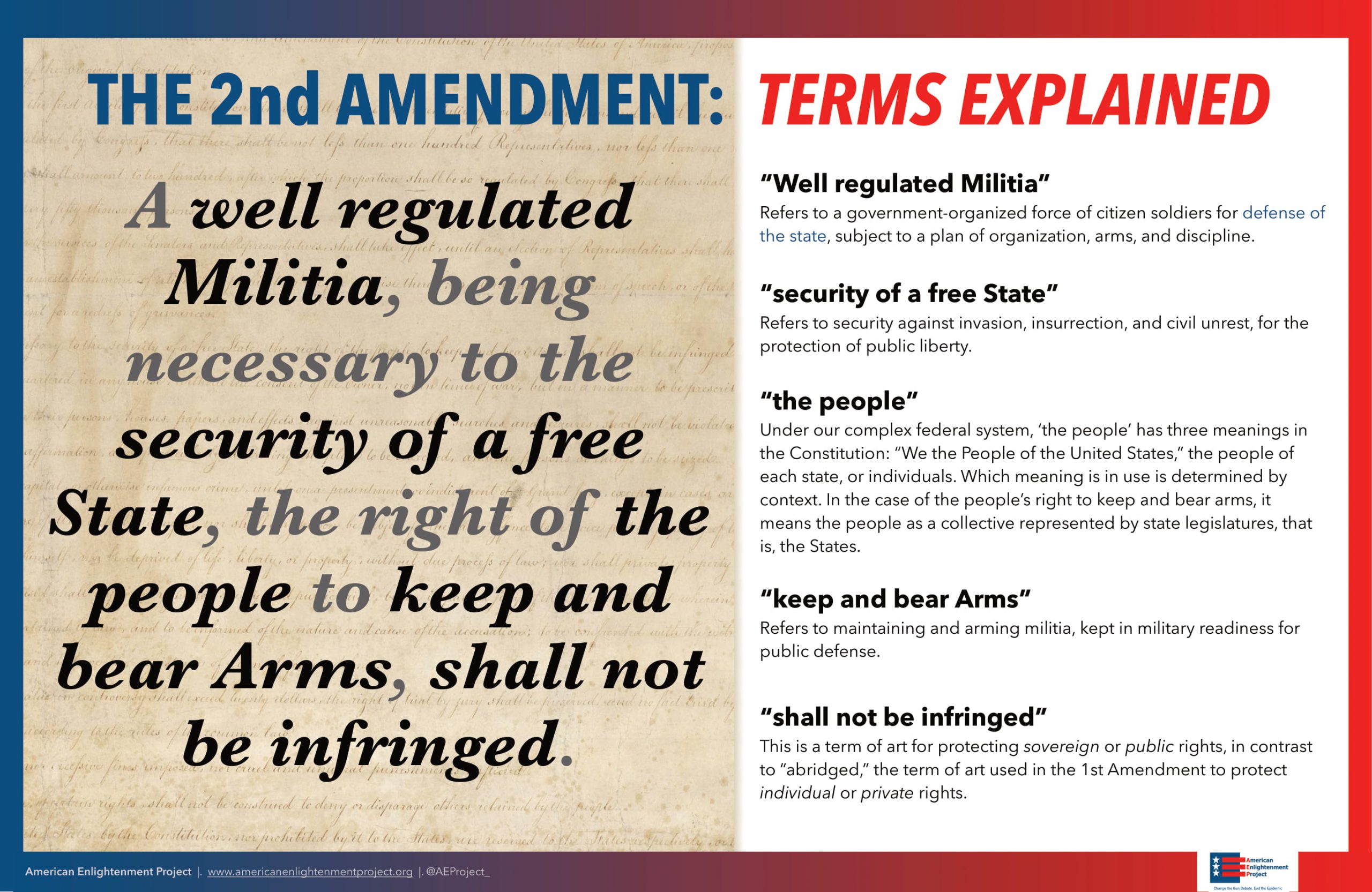
In an era where brand identity is inextricably linked to values, social stances, and perceived authenticity, the Second Amendment presents a unique challenge and opportunity. It functions less as a static legal clause and more as a dynamic cultural icon, imbued with diverse meanings by different segments of the population. Brands operating within its orbit—from firearm manufacturers and retailers to outdoor lifestyle brands, security services, and even political campaigns—must navigate this complex terrain with strategic foresight. This article will explore the multifaceted implications of the Second Amendment for brands, dissecting how it informs identity, marketing, risk management, and the crucial dialogue between a brand and its audience.
The Second Amendment as a Cornerstone of Brand Identity
For a significant segment of the market, the Second Amendment is more than a constitutional right; it is a fundamental pillar of personal liberty, a cultural touchstone, and a powerful symbol. Brands that either embody or intersect with these values find themselves with a distinct and often passionate audience. Understanding this deep-seated connection is the first step in leveraging or responding to the Second Amendment’s brand power.
Defining the Core “Brand” of the Second Amendment
The “brand” of the Second Amendment itself is multifaceted. To some, it signifies freedom, self-reliance, and the protection of constitutional rights against potential overreach. To others, it evokes concerns about public safety, violence, and social responsibility. This inherent duality means that any brand attempting to align with or address the Second Amendment must first articulate which facet of this complex “brand” it intends to champion or confront. For gun manufacturers, the brand often aligns with precision engineering, reliability, and personal defense—values that resonate with those who view firearm ownership as a responsible exercise of a constitutional right. For advocacy groups like the National Rifle Association (NRA), the brand is built around the defense of liberty and constitutional principles, positioning themselves as guardians of an essential freedom. Their corporate identity, marketing messages, and public communications are meticulously crafted to reinforce this specific interpretation, creating a strong, recognizable brand voice in the public discourse.
Aligning Values: From Manufacturers to Advocacy Groups
For businesses whose products or services are directly linked to firearms, ammunition, or related accessories, the Second Amendment is not merely a legal backdrop but a core component of their brand identity. Companies like Sturm, Ruger & Co. or Smith & Wesson don’t just sell products; they sell into a lifestyle and a set of values strongly associated with American heritage, personal responsibility, and constitutional freedoms. Their marketing often employs imagery and language that evoke patriotism, self-sufficiency, and the protection of family. This alignment of corporate values with the perceived values of the Second Amendment creates a powerful bond with their consumer base, fostering fierce brand loyalty. Beyond manufacturers, numerous smaller businesses, from gun shops to training academies, build their entire brand narrative around empowering individuals to exercise their rights responsibly. Their branding focuses on education, safety, and community, translating the abstract right into practical, empowering services. The challenge lies in maintaining this alignment while also demonstrating a commitment to safety and responsible use, thus balancing rights with responsibilities in their brand messaging.
Navigating the Brand Landscape: Opportunities and Risks
The visibility and controversy surrounding the Second Amendment mean that brands operating in this sphere face both unique opportunities for market penetration and significant risks to their reputation. Strategic brand management is paramount to capitalize on the former while mitigating the latter.
Identifying Target Audiences and Market Segments
Brands must precisely identify which segments of the population their Second Amendment-related messaging targets. The pro-gun demographic is diverse, encompassing sport shooters, hunters, collectors, and those prioritizing self-defense. Each segment may respond to different brand narratives. For example, a brand selling hunting rifles might emphasize tradition, outdoor recreation, and conservation, while a brand manufacturing concealed carry handguns would focus on personal safety and tactical proficiency. Conversely, brands that take a stance advocating for stricter gun control or distancing themselves from the firearm industry will target audiences with opposing views. Understanding these nuanced audience perceptions allows brands to tailor their messaging, product development, and partnership strategies effectively, ensuring their brand voice resonates with their intended consumers without alienating them. The digital age further segments these audiences through online communities, forums, and social media groups, allowing for highly targeted and effective brand engagement.
Reputational Management and Crisis Communication
The Second Amendment is a lightning rod for public opinion, meaning brands associated with it are under constant scrutiny. Any event involving gun violence can instantly thrust these brands into the spotlight, demanding swift and sensitive reputational management. Companies must have robust crisis communication plans in place, detailing how they will address public outrage, media inquiries, and potential boycotts. The failure to respond appropriately can lead to significant brand damage, loss of market share, and investor concerns. Conversely, a thoughtful and empathetic response, perhaps emphasizing safety initiatives or responsible ownership, can help to mitigate negative perceptions. This also extends to how brands handle their sponsorships and endorsements. For instance, major retailers that decide to limit gun sales or remove certain products face immediate backlash from Second Amendment advocates, requiring them to clearly articulate their brand’s evolving stance and values to their broader customer base. Managing this requires a deep understanding of public sentiment and the ability to communicate a consistent and authentic brand message, even under extreme pressure.

Marketing the Message: Strategy and Execution
Effective marketing in the Second Amendment space requires more than just product promotion; it involves storytelling, community building, and navigating sensitive communication channels. Brands must craft messages that inform, persuade, and resonate deeply with their audience, while being mindful of the broader societal context.
Content Marketing and Storytelling
In a highly contested domain, content marketing becomes a powerful tool for brands to shape perceptions and educate their audience. Instead of overt sales pitches, brands can leverage blogs, videos, podcasts, and social media to tell stories that reinforce their values. For firearm manufacturers, this might involve showcasing the heritage of their craft, the rigorous safety testing involved, or profiling responsible gun owners and their training. Outdoor brands might tell stories about conservation efforts supported by hunting revenues or the role of firearms in wildlife management. Advocacy groups utilize storytelling to highlight personal experiences, humanizing the debate and illustrating the impact of legislation on individuals. This narrative approach allows brands to build trust, demonstrate expertise, and connect with their audience on an emotional level, moving beyond the often-politicized rhetoric to build a more nuanced brand image. It helps to differentiate a brand by establishing thought leadership and a commitment to shared values, whether it’s responsible ownership or constitutional advocacy.
Digital Presence and Community Building
The digital landscape is a critical arena for brands engaging with the Second Amendment. Social media platforms, while often restrictive on direct gun advertising, offer unparalleled opportunities for community building and indirect brand promotion. Brands can foster online communities where enthusiasts share experiences, offer advice, and engage in respectful dialogue. This builds a sense of belonging and reinforces brand loyalty. Online forums, dedicated websites, and influencer partnerships also play a crucial role. Brands can collaborate with responsible gun owners, instructors, and outdoor enthusiasts who embody their values, leveraging their credibility to reach wider audiences. This digital strategy isn’t just about sales; it’s about nurturing a loyal base, providing value beyond products, and establishing the brand as a trusted authority and community leader within the Second Amendment sphere. However, brands must also navigate the often-fraught waters of platform policies, which can restrict or even prohibit content related to firearms, requiring creative and compliant digital marketing strategies.
Corporate Social Responsibility and Stakeholder Perception
The modern brand is increasingly judged not just on its products or profits, but on its ethical conduct, societal contributions, and how it responds to critical social issues. For brands associated with the Second Amendment, this means navigating complex questions of corporate social responsibility (CSR) and managing the perceptions of a diverse array of stakeholders.
Ethical Considerations and Public Discourse
Brands cannot exist in a vacuum, especially when tied to such a significant public debate. Ethical considerations for firearm manufacturers, retailers, and even financial institutions that service the industry include promoting safe gun storage, supporting mental health initiatives, and advocating for responsible gun ownership. Brands that proactively engage in these areas can differentiate themselves and build a more responsible public image, countering negative stereotypes. Conversely, ignoring these ethical responsibilities can lead to accusations of profiting from violence or failing to contribute to solutions, severely damaging brand equity. The public discourse around guns is intense, and brands are often forced to take a stance, implicitly or explicitly. How they navigate this, whether through advocacy for specific policies, investment in safety technology, or supporting educational programs, becomes a defining characteristic of their brand and influences how they are perceived by customers, investors, and the general public.
Investor Relations and Employee Engagement
Beyond consumer perception, brands engaged with the Second Amendment must also manage relations with investors and ensure employee engagement. Institutional investors are increasingly scrutinizing companies’ environmental, social, and governance (ESG) performance, which includes how they address controversial issues like gun violence. Brands might face pressure from investors to demonstrate ethical sourcing, responsible marketing, and contributions to safety. A strong CSR framework related to gun safety can be a differentiator in attracting socially conscious capital. Internally, employee engagement is crucial. Employees want to work for companies whose values they respect. Brands must foster an inclusive culture that respects diverse viewpoints while clearly articulating the company’s stance and commitment to responsible practices. Employees who understand and believe in the brand’s mission are more likely to be brand ambassadors, enhancing reputation from within. Conversely, misalignment can lead to internal dissent, attrition, and damage to brand morale.
The Future of Branding in the Second Amendment Sphere
The landscape around the Second Amendment is constantly evolving, influenced by technological advancements, shifts in public opinion, and changes in regulatory frameworks. For brands, staying agile and forward-thinking is essential to maintaining relevance and integrity.
Evolving Consumer Expectations
Future consumers, particularly younger generations, are often more socially conscious and expect brands to take clear stances on societal issues. This means brands associated with the Second Amendment must anticipate and adapt to changing consumer expectations regarding safety, social responsibility, and ethical business practices. The demand for “smart guns” with biometric locks, for instance, represents a technological innovation driven partly by safety concerns and could become a significant branding point for manufacturers. Brands that can demonstrate innovation in safety features, contribute positively to community well-being, and communicate their commitment to responsible ownership will be better positioned to appeal to a broader and evolving consumer base. The emphasis will increasingly shift from simply asserting a right to demonstrating how that right can be exercised responsibly and safely within a modern societal context.

Regulatory and Social Pressures
The future will likely bring continued debates over gun control legislation, which will inevitably impact the operating environment for brands in the Second Amendment sphere. Brands must be prepared to adapt their marketing, product development, and advocacy efforts to comply with new regulations and respond to ongoing social pressures. This could involve increased transparency in supply chains, stricter marketing guidelines, or investments in public safety campaigns. The ability of a brand to proactively engage with policymakers, contribute constructively to public safety debates, and demonstrate adaptability will be critical for long-term survival and brand strength. Brands that simply resist change without offering solutions risk being perceived as out of touch or irresponsible. Ultimately, “what the Second Amendment means for brands” is a dynamic story, constantly being rewritten by legal precedents, technological innovations, and the evolving narrative of American society itself. Brands that engage with this complexity thoughtfully, ethically, and strategically will be those that endure and thrive.
aViewFromTheCave is a participant in the Amazon Services LLC Associates Program, an affiliate advertising program designed to provide a means for sites to earn advertising fees by advertising and linking to Amazon.com. Amazon, the Amazon logo, AmazonSupply, and the AmazonSupply logo are trademarks of Amazon.com, Inc. or its affiliates. As an Amazon Associate we earn affiliate commissions from qualifying purchases.