
In the rapidly evolving landscape of artificial intelligence, certain acronyms become cornerstones, defining pivotal advancements and shaping the future of technology. Among these, “LLM” stands out, representing a revolutionary leap in how machines understand, process, and generate human language. LLM, or Large Language Model, refers to a class of AI models distinguished by their immense size, complex neural network architectures, and the colossal datasets they are trained on. These models have not only captivated the public imagination with their ability to engage in nuanced conversations and create diverse content but have also become indispensable tools across a multitude of industries. To truly grasp the significance of LLMs within the broader field of AI, one must delve into their underlying mechanisms, their transformative applications, and the challenges and ethical considerations they present.
The Foundational Concept: Demystifying Large Language Models
At its heart, an LLM is a sophisticated computer program designed to understand and generate human-like text. While the concept of machines processing language isn’t new, the “large” aspect of LLMs signifies a paradigm shift, enabling unprecedented levels of performance and versatility.
From Basic Algorithms to Neural Networks
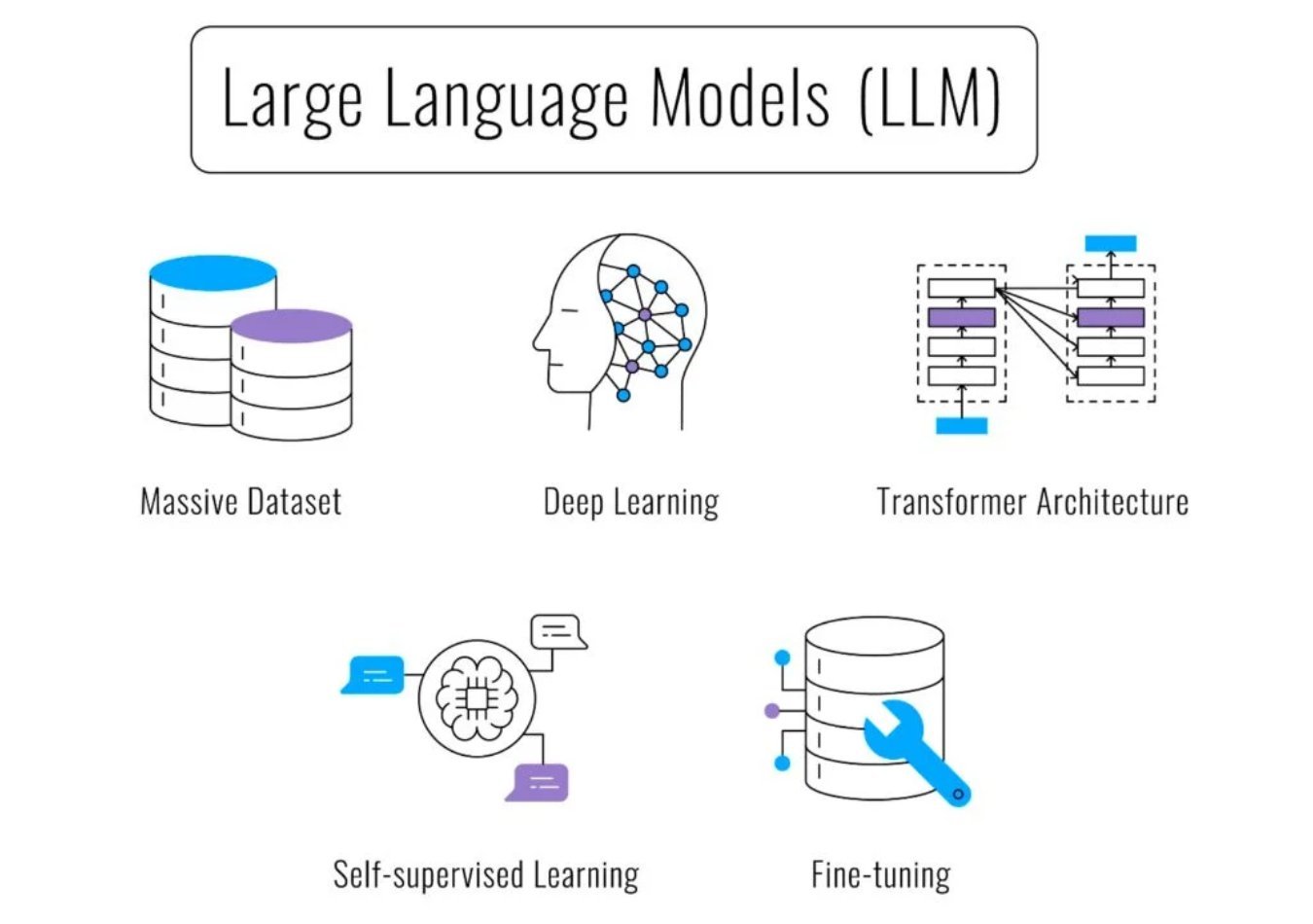
The journey of AI’s linguistic capabilities began with rule-based systems and statistical methods, which were limited in their ability to handle the complexities and nuances of natural language. The advent of neural networks, particularly deep learning, revolutionized this field. Early neural networks could identify patterns in text, but they lacked the capacity to grasp broader context or generate truly coherent and creative language. The breakthrough came with architectures like the Transformer, which allowed models to process entire sequences of text more effectively, understanding relationships between words regardless of their distance in a sentence. This paved the way for models that could learn from massive datasets.
What Makes Them “Large”?
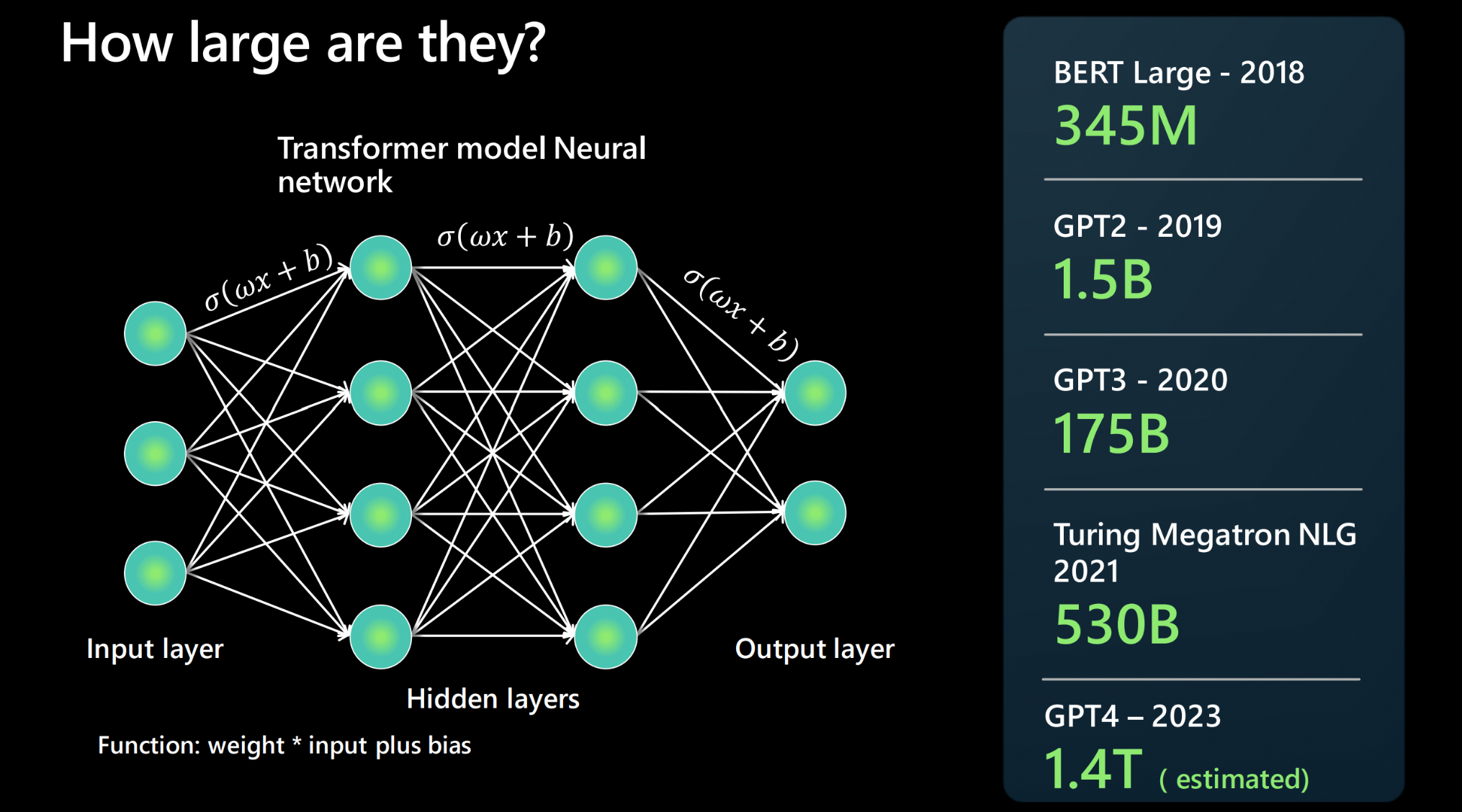
The term “large” in LLM refers primarily to two key dimensions: the number of parameters and the scale of training data. Parameters are the numerical values within the neural network that the model adjusts during training to learn from data. Modern LLMs can possess hundreds of billions, or even trillions, of parameters, giving them an enormous capacity to store and recognize intricate patterns in language. Coupled with this is the sheer volume of training data—often comprising trillions of words scraped from the internet, including books, articles, websites, and conversations. This vast exposure to human language allows LLMs to develop an extremely rich understanding of grammar, syntax, semantics, and even stylistic variations. The computational power required to train such models is equally immense, demanding cutting-edge hardware and significant energy resources.
The Core Mechanism: Transformer Architecture
The most significant architectural innovation enabling LLMs is the Transformer, introduced by Google in 2017. Before Transformers, recurrent neural networks (RNNs) and long short-term memory (LSTM) networks processed text sequentially, often struggling with long-range dependencies—i.e., understanding how a word at the beginning of a sentence relates to one much later. The Transformer addresses this with its “attention mechanism.” This mechanism allows the model to weigh the importance of different words in the input sequence when processing each word, simultaneously considering all parts of the input. This parallel processing capability is crucial for efficiency and for enabling the models to scale to the “large” sizes we see today, allowing them to capture intricate contextual relationships that were previously unattainable.
How LLMs Learn and Generate Language
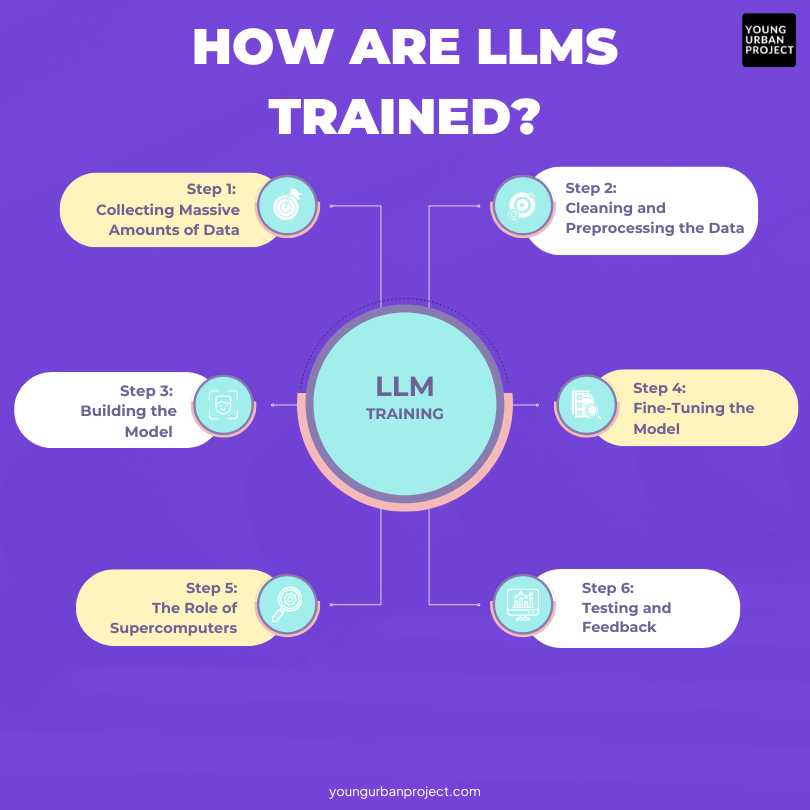
The impressive conversational abilities of LLMs are not innate; they are the result of a rigorous, multi-stage training process that involves ingesting vast amounts of text and refining their responses.
Pre-training: The Data-Driven Foundation
The initial and most computationally intensive phase is pre-training. During this stage, an LLM is exposed to an enormous and diverse dataset of text, typically consisting of billions or trillions of words from the internet. The model learns in an unsupervised manner, meaning it’s not explicitly told the “right” answers. Instead, it’s given tasks like predicting the next word in a sentence, filling in missing words, or understanding masked tokens. Through these predictive tasks, the model develops a statistical understanding of language—how words relate to each other, common phrases, grammatical structures, and factual knowledge implicitly embedded in the text. This process builds the model’s fundamental linguistic competence and general knowledge base.
Fine-tuning: Adapting for Specific Tasks
While pre-training gives the LLM a broad understanding of language, fine-tuning tailors it for specific applications or improved performance. This stage involves training the pre-trained model on smaller, more targeted datasets, often with labeled examples. For instance, a model might be fine-tuned on a dataset of customer service dialogues to improve its ability to handle customer queries, or on code examples to become a better code generator. A particularly impactful fine-tuning technique is “instruction tuning,” where models are trained to follow human instructions more effectively. More recently, Reinforcement Learning from Human Feedback (RLHF) has played a crucial role. In RLHF, human evaluators rank the quality of various model responses, and this feedback is used to further optimize the model, making its outputs more helpful, truthful, and harmless.
The Art of Generation: Predicting the Next Token
When you interact with an LLM, its responses are generated one “token” at a time. A token can be a word, part of a word, or even punctuation. Based on the input prompt and the context of the conversation so far, the LLM calculates the probability distribution of what the next most likely token should be. It doesn’t pick the absolute most probable token every time, which would lead to repetitive and predictable text. Instead, it uses sampling techniques (like temperature parameters) to introduce an element of randomness, allowing for more creative, diverse, and human-like output. This iterative process of predicting and generating one token after another, while maintaining coherence and context, is how LLMs construct lengthy, sophisticated responses.
The Transformative Impact and Diverse Applications of LLMs
The capabilities of LLMs extend far beyond simple chatbots, permeating various sectors and fundamentally changing how we interact with information and technology.
Revolutionizing Communication and Content Creation
LLMs have dramatically altered communication. They power sophisticated conversational AI agents and chatbots that can handle complex customer service inquiries, provide personalized assistance, and even engage in creative dialogue. For content creators, LLMs are invaluable tools for generating drafts of articles, marketing copy, social media posts, and even creative writing, significantly speeding up the ideation and production process. Their ability to summarize lengthy documents, translate languages with impressive accuracy, and rephrase text for different tones or audiences makes them indispensable for global communication and information synthesis.
Enhancing Productivity and Decision-Making
Beyond text generation, LLMs are powerful productivity boosters. Developers leverage them for code generation, debugging, and explaining complex programming concepts, accelerating software development cycles. In data analysis, LLMs can help users extract insights from unstructured text data, interpret complex reports, and even generate SQL queries from natural language prompts. For professionals across various fields, LLMs can act as intelligent assistants, helping to brainstorm ideas, draft emails, prepare presentations, and generally streamline tasks that involve information processing and communication, freeing up human cognitive resources for more complex problem-solving and strategic thinking.
Driving Innovation Across Industries
The impact of LLMs is being felt across a broad spectrum of industries. In healthcare, they assist with medical transcription, summarize patient records, and even aid in drug discovery by analyzing vast amounts of research papers. Financial institutions use them for market analysis, fraud detection by identifying unusual language patterns, and enhancing customer support. Education benefits from personalized tutoring systems and automated content generation for learning materials. Even scientific research is being accelerated as LLMs help researchers sift through literature, hypothesize, and draft papers, pushing the boundaries of discovery and innovation.
Navigating the Challenges and Ethical Considerations
Despite their immense potential, LLMs are not without their complexities, posing significant challenges and raising critical ethical questions that demand careful consideration and proactive solutions.
The Problem of Hallucination and Bias
One of the most persistent issues with LLMs is “hallucination,” where the model generates factually incorrect information presented with convincing confidence. Because LLMs are pattern-matching machines, they prioritize generating plausible-sounding text over factual accuracy, especially when information is sparse or ambiguous in their training data. Furthermore, LLMs can perpetuate and amplify biases present in their training data. If the internet content they learn from contains societal biases related to race, gender, or other demographics, the LLM will inevitably reflect these biases in its responses, leading to unfair, discriminatory, or offensive outputs. Addressing these issues requires continuous research into fact-checking mechanisms, robust fine-tuning with diverse and curated datasets, and sophisticated bias detection and mitigation strategies.
Computational Costs and Environmental Impact
Training and running LLMs demand prodigious computational resources. The sheer scale of parameters and data requires vast amounts of processing power, leading to significant energy consumption. This translates into substantial operational costs for developers and a notable environmental footprint. As models grow larger and more prevalent, the sustainability of this technology becomes a pressing concern. Research is ongoing to develop more energy-efficient architectures, optimize training processes, and explore methods for “distilling” larger models into smaller, more efficient versions that can perform well with fewer resources.
Ethical Deployment and Responsible AI
The power of LLMs brings with it a host of ethical dilemmas. Concerns around privacy arise from models potentially memorizing and regurgitating sensitive personal data present in their training sets. There’s also the risk of misuse, from generating deceptive content (deepfakes, fake news) and spam to aiding in cyberattacks or propaganda. The impact on employment, as AI automates tasks, also needs to be carefully managed. Consequently, responsible AI development is paramount. This involves developing robust safety guardrails, promoting transparency in model behavior, implementing robust content moderation, fostering interdisciplinary collaboration between AI developers, ethicists, policymakers, and the public, and working towards regulatory frameworks that ensure LLMs are developed and deployed in a way that benefits humanity.
The Future Landscape of LLMs in AI
The journey of LLMs is far from over. The field is rapidly evolving, with researchers continually pushing the boundaries of what these models can achieve and addressing their current limitations.
Towards Multimodality and Embodied AI
A significant direction for future LLMs is multimodality. Current LLMs are primarily text-based, but integrating other data types—like images, audio, and video—will create more comprehensive and intelligent AI systems. Imagine an LLM that can understand a visual scene, describe it, answer questions about it, and then generate a narrative based on its observations. This convergence will lead to more holistic AI experiences. Furthermore, the concept of “embodied AI,” where LLMs are integrated with robotic systems, will allow them to interact with the physical world, performing tasks and learning from real-world experiences, moving beyond purely digital interactions.
Greater Specialization and Efficiency
While large, general-purpose LLMs like GPT-4 are impressive, the future will likely see a proliferation of smaller, more specialized, and highly efficient models. These “small language models” (SLMs) will be fine-tuned for niche tasks, offering comparable performance to their larger counterparts in specific domains but requiring significantly less computational power and data. Techniques like quantization, pruning, and knowledge distillation will become more sophisticated, enabling the deployment of powerful AI on edge devices and with reduced environmental impact, making AI more accessible and sustainable.
The Quest for True AI and AGI
Ultimately, LLMs represent a critical step towards Artificial General Intelligence (AGI)—the ability of an AI to understand or learn any intellectual task that a human being can. While current LLMs excel at language tasks, they still lack true common sense reasoning, deeper conceptual understanding, and the ability to transfer learning across vastly different domains in the way humans do. Future research will focus on endowing LLMs with more robust reasoning capabilities, better long-term memory, and the capacity for self-improvement, moving closer to systems that can genuinely learn, adapt, and innovate across the full spectrum of human intellect.
In conclusion, Large Language Models are a testament to the remarkable progress in AI. By understanding what LLM means in AI—their foundational concepts, learning mechanisms, vast applications, inherent challenges, and future trajectory—we gain a clearer perspective on the cutting edge of technological innovation. These models are not just tools; they are powerful catalysts reshaping industries, transforming human-computer interaction, and laying the groundwork for a future where AI plays an even more integrated and intelligent role in our lives. As we continue to refine their capabilities and address their ethical implications, LLMs will undoubtedly remain a central focus in the ongoing evolution of artificial intelligence.
aViewFromTheCave is a participant in the Amazon Services LLC Associates Program, an affiliate advertising program designed to provide a means for sites to earn advertising fees by advertising and linking to Amazon.com. Amazon, the Amazon logo, AmazonSupply, and the AmazonSupply logo are trademarks of Amazon.com, Inc. or its affiliates. As an Amazon Associate we earn affiliate commissions from qualifying purchases.