
In an increasingly demanding world, sleep is often the first casualty in the battle for productivity and success. Many view it as a luxury, an expendable commodity that can be sacrificed in pursuit of deadlines, ambitions, or endless entertainment. However, this perspective overlooks a critical truth: inadequate sleep isn’t just about feeling tired; it’s a profound detriment to your financial health. Far from being a mere inconvenience, sleep deprivation systematically erodes your earning potential, impairs your financial judgment, and accumulates significant long-term costs. Ignoring the need for restorative sleep is, in essence, an incredibly expensive oversight.
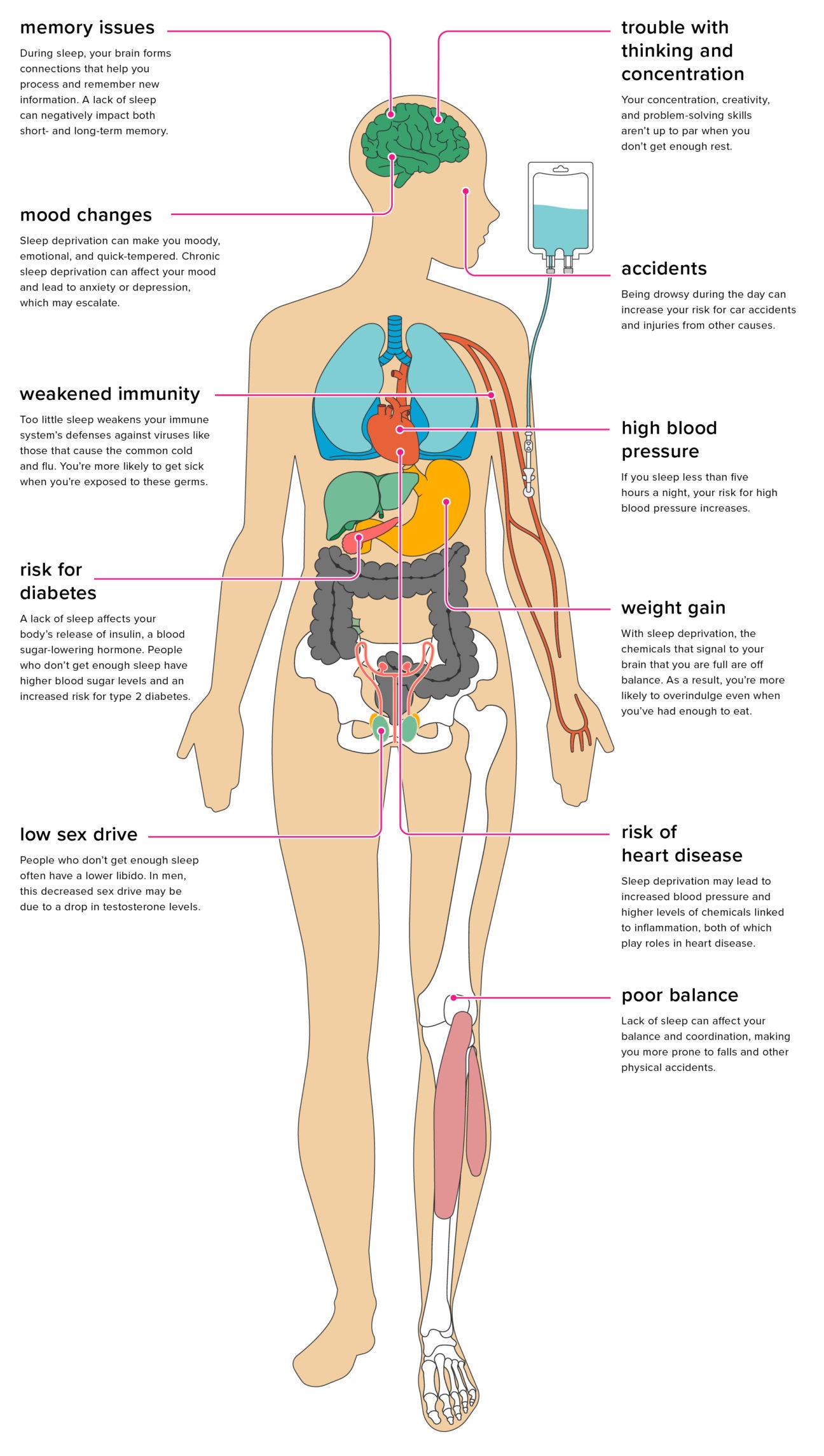
This article delves into the often-hidden financial consequences of insufficient sleep, demonstrating how a good night’s rest is not merely a component of well-being, but a fundamental pillar of sound financial management and wealth accumulation.
The Direct Drain: How Sleep Deprivation Hits Your Wallet
The immediate impact of chronic sleep deprivation often manifests in ways that directly deplete your financial resources, both through lost income and increased expenditure.
Eroding Daily Productivity and Earning Potential
One of the most insidious ways lack of sleep affects your finances is by silently chipping away at your productivity. When you’re running on fumes, your cognitive functions—focus, memory, problem-solving, and creativity—are severely compromised. This isn’t just about feeling a bit groggy; it translates into tangible financial losses:
- Reduced Efficiency and Errors at Work: Tired individuals take longer to complete tasks, make more mistakes, and struggle with complex problem-solving. This decreased efficiency can lead to missed deadlines, poor quality output, and a diminished capacity to take on more challenging, higher-paying projects.
- Impaired Decision-Making: Crucial financial decisions, whether at work or in personal investing, require clear thought and critical analysis. Sleep deprivation impairs judgment, leading to impulsive or poorly reasoned choices that can have significant financial repercussions, from botched business deals to unwise investment strategies.
- Stagnated Career Growth: Consistently underperforming due to fatigue can hinder career advancement. Promotions, salary raises, and opportunities for professional development are often awarded to those who demonstrate consistent peak performance, a state difficult to maintain without adequate rest. In severe cases, chronic underperformance can even jeopardize job security.
- Increased Absenteeism and Presenteeism: Fatigue contributes to a weakened immune system, leading to more sick days and lost wages. “Presenteeism,” where you’re at work but too tired to be effective, is an even greater hidden cost, as you’re physically there but contributing minimally.
Suboptimal Financial Decision-Making
Beyond work productivity, lack of sleep directly impacts your personal financial management, leading to costly mistakes that can set you back years.
- Impulsive Spending and Poor Budgeting: A tired brain struggles with self-control and future planning. This can lead to impulsive purchases, difficulty sticking to a budget, and a general lack of discipline in managing your money. The immediate gratification of a retail therapy session often outweighs the long-term financial goals when judgment is impaired.
- Risky Investments and Missed Opportunities: Investment decisions, whether in stocks, real estate, or business ventures, demand careful research and a rational assessment of risk. A sleep-deprived individual is more prone to emotional decision-making, taking on undue risk, or missing out on lucrative opportunities due to analysis paralysis or apathy.
- Vulnerability to Scams and Poor Deals: When cognitive defenses are down, individuals can become more susceptible to persuasive sales tactics or outright scams. Fatigue can cloud the ability to critically evaluate information, making one an easier target for schemes promising quick financial returns that rarely materialize.
The Hidden Costs of Coping Mechanisms
To counteract the effects of sleep deprivation, many resort to coping mechanisms that carry their own financial burden.
- Increased Spending on Stimulants: The daily ritual of multiple coffees, energy drinks, and sugary snacks to power through the day adds up significantly over time. These aren’t just minor expenses; they represent a recurring cost of managing fatigue.
- Reliance on Convenience: Too tired to cook? Ordering takeout or delivery becomes a frequent, expensive habit. Too tired to run errands? Paying a premium for delivery services or making multiple small, inefficient trips. These choices, born out of exhaustion, chip away at your savings.
- Unhealthy Retail Therapy: For some, shopping provides a temporary emotional lift when exhausted and stressed. This “retail therapy” often leads to purchases of non-essential items, accumulating debt and diverting funds from more productive uses.
The Compounding Debt: Sleep’s Impact on Health and Future Expenses
The financial repercussions of insufficient sleep extend far beyond daily drains, accumulating into significant long-term health issues and unforeseen expenses that can derail your financial future.
Escalating Healthcare Costs
Chronic sleep deprivation is a major risk factor for a host of serious health conditions, each carrying substantial financial implications.
- Increased Risk of Chronic Diseases: Poor sleep is linked to an elevated risk of obesity, type 2 diabetes, cardiovascular disease, and hypertension. Managing these conditions involves ongoing medical appointments, prescription medications, specialized diets, and potentially expensive surgeries, all of which represent a considerable financial burden.
- Mental Health Issues: Sleep deprivation significantly contributes to anxiety, depression, and other mental health disorders. Therapy, medication, and time off work for mental health treatment can incur substantial costs and impact earning capacity.
- Accidents Due to Fatigue: Drowsy driving is as dangerous as drunk driving, leading to thousands of accidents annually. Beyond the physical injuries and emotional trauma, these accidents result in hefty medical bills, vehicle repair costs, increased insurance premiums, and potential legal fees. Workplace accidents due to fatigue also lead to medical costs and lost income.
Reduced Longevity and Quality of Life’s Financial Implications
The long-term health consequences of poor sleep can directly impact your ability to work and live independently into old age, with profound financial implications.
- Impact on Retirement Savings: If chronic illness or cognitive decline due to poor sleep forces an early retirement, individuals have less time to save and may need to draw down their retirement funds prematurely, impacting their long-term financial security.
- Increased Long-Term Care Needs: Conditions exacerbated by sleep deprivation can lead to a greater need for assisted living or home healthcare services in later life, which are extraordinarily expensive and can quickly deplete even substantial savings.
- Diminished Ability to Enjoy Retirement: A lack of health due to lifelong sleep deprivation means less ability to enjoy the fruits of one’s financial planning, such as travel, hobbies, or time with family, effectively diminishing the return on a lifetime of financial sacrifice.
Impact on Insurance Premiums
While not always immediately apparent, the health consequences of poor sleep can ripple into higher insurance costs.
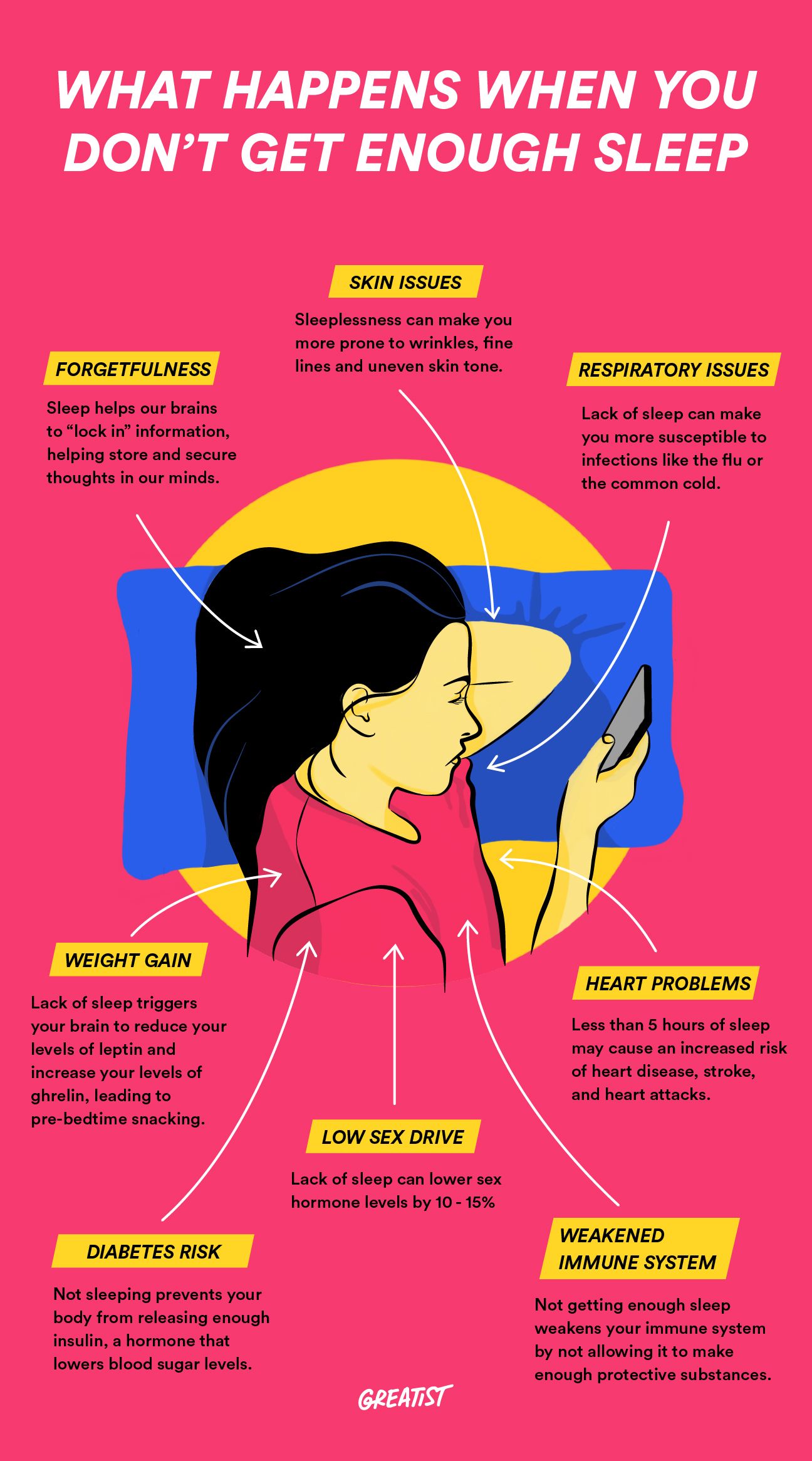
- Higher Health and Life Insurance Premiums: As chronic health conditions develop, health insurance premiums are likely to increase. Life insurance policies may also become more expensive, or even harder to obtain, for individuals with pre-existing conditions linked to sleep deprivation.
- Auto Insurance: A history of accidents related to drowsy driving will inevitably lead to higher auto insurance premiums, adding another layer of financial strain.
Investing in Rest: The Financial Returns of Prioritizing Sleep
Viewing sleep as an investment rather than a mere necessity reveals its profound capacity to generate significant financial returns, both immediately and over the long term.
Boosting Productivity and Income
Prioritizing sleep is one of the most cost-effective strategies for enhancing professional performance and, consequently, your earning potential.
- Improved Cognitive Function: Well-rested individuals experience enhanced focus, creativity, problem-solving abilities, and memory retention. This translates into higher-quality work, innovative solutions, and efficient task completion, making you a more valuable asset in any professional environment.
- Enhanced Career Advancement: Consistent high performance, powered by adequate sleep, leads to better performance reviews, increased eligibility for promotions, and justified salary increases. It also empowers individuals to take on leadership roles and entrepreneurial ventures with greater confidence and competence.
- Greater Capacity for Side Hustles and Learning: With renewed energy and mental clarity, individuals are better positioned to pursue additional income streams, acquire new skills, or engage in continuous learning, all of which contribute to long-term financial growth.
Smarter Financial Management
Adequate sleep is a cornerstone of sound financial decision-making and disciplined money management.
- Improved Budgeting and Saving Habits: A well-rested mind is better equipped to exercise self-control, make rational spending choices, and stick to financial plans. This leads to more effective budgeting, increased savings rates, and reduced impulsive expenditures.
- Disciplined Investment Strategies: With clear judgment, individuals can conduct thorough research, assess risks accurately, and make informed investment decisions that align with their long-term financial goals, avoiding costly emotional or impulsive moves.
- Reduced Financial Stress: The ability to manage finances effectively and make progress towards goals reduces financial anxiety, contributing to overall mental well-being and a positive feedback loop that encourages further financial discipline.
Reducing Future Financial Burdens
The proactive investment in sleep pays dividends in reducing future financial outlays related to health and longevity.
- Lower Healthcare Costs: By mitigating the risk of chronic diseases and mental health issues, adequate sleep significantly reduces the need for costly medical treatments, medications, and long-term care, preserving wealth for more fulfilling pursuits.
- Reduced Risk of Accidents: Alertness and quick reaction times, benefits of good sleep, drastically lower the risk of accidents, thereby saving on medical bills, repair costs, and insurance premium hikes.
- Increased Longevity and Enjoyment of Wealth: Maintaining good health through consistent sleep allows individuals to work longer if desired, accumulate more savings, and most importantly, enjoy a higher quality of life in retirement, fully appreciating the financial freedom they’ve worked to achieve.
Strategies for a Wealthier Wakefulness: Practical Steps
Recognizing sleep as a financial asset is the first step. The next is to actively implement strategies that protect and enhance this invaluable resource.
Cultivating a Sleep-Conducive Environment
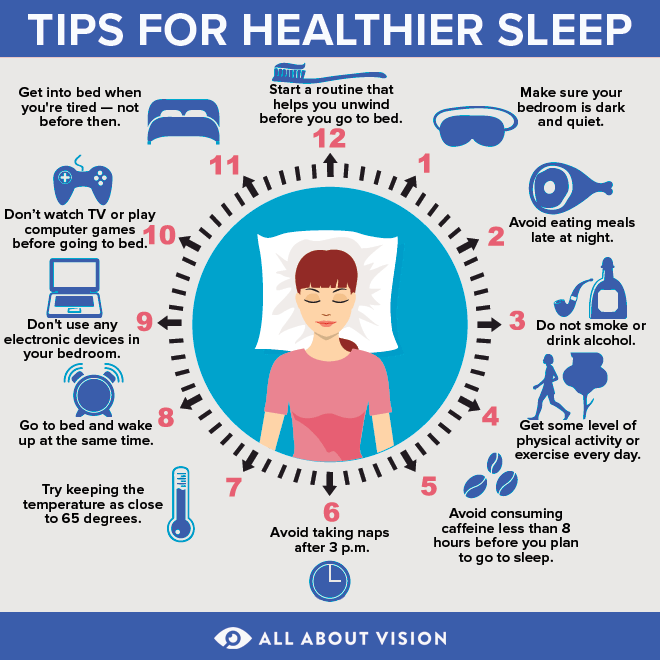
Invest in your sleep environment as you would any other important asset. Ensure your bedroom is dark, quiet, and cool. Consider blackout curtains, earplugs, or a white noise machine. A comfortable mattress and pillows are not luxuries but essential tools for restorative rest, paying dividends in mental clarity and physical well-being.
Establishing a Consistent Sleep Schedule
The body thrives on routine. Going to bed and waking up at roughly the same time each day, even on weekends, regulates your circadian rhythm. This consistency optimizes your sleep quality, leading to more sustained energy and better cognitive function throughout your waking hours – invaluable for consistent productivity.
Mindful Digital Disengagement
The blue light emitted from screens (phones, tablets, computers) suppresses melatonin production, interfering with your body’s natural sleep signals. Establish a “digital curfew” at least an hour before bedtime. This practice not only aids sleep but also prevents late-night impulsive online purchases or worrying about work emails that can wait until a well-rested morning.
Prioritizing Sleep as a Financial Asset
Shift your perception of sleep from an optional activity to a non-negotiable component of your financial strategy. Just as you allocate funds for investments or retirement, allocate time for sleep. Understand that the hours spent sleeping are not “lost” time but rather a critical investment that yields substantial returns in productivity, healthier financial decisions, and long-term wealth preservation. Make it a non-negotiable part of your daily routine, recognizing its fundamental role in your overall financial health.
Conclusion
The question “what can lack of sleep do to you” ultimately reveals a profound truth: it can systematically undermine your financial stability and future prosperity. Far from being an inconsequential aspect of life, sleep is a foundational pillar of cognitive function, emotional regulation, and physical health—all of which directly impact your ability to earn, save, invest, and manage your money effectively. The hidden costs of sleep deprivation, from lost income and poor financial decisions to escalating healthcare expenses, create a compounding debt that can severely impede your financial journey.
By recognizing sleep as a critical financial asset and prioritizing it with intention, you are not merely improving your well-being; you are making a strategic investment in your economic future. A commitment to adequate, restorative sleep is a commitment to a life of greater productivity, sharper financial acumen, reduced long-term expenses, and ultimately, a more secure and prosperous financial existence. It’s time to stop viewing sleep as a luxury and start treating it as the invaluable financial tool it truly is.
aViewFromTheCave is a participant in the Amazon Services LLC Associates Program, an affiliate advertising program designed to provide a means for sites to earn advertising fees by advertising and linking to Amazon.com. Amazon, the Amazon logo, AmazonSupply, and the AmazonSupply logo are trademarks of Amazon.com, Inc. or its affiliates. As an Amazon Associate we earn affiliate commissions from qualifying purchases.