
The Olympic Games, a venerable institution steeped in tradition, are not static. They are a dynamic global spectacle constantly evolving to remain relevant in a rapidly changing world. When we ask, “What are the new sports in the 2024 Olympics?”, the answer extends far beyond a simple list of disciplines. From a brand perspective, the inclusion of new sports is a strategic maneuver by the International Olympic Committee (IOC) to fortify the Olympic brand identity, attract new audiences, and ensure its continued resonance for generations to come. It’s a deliberate act of brand renewal, reflecting a keen awareness of market trends, demographic shifts, and the evolving landscape of global youth culture.
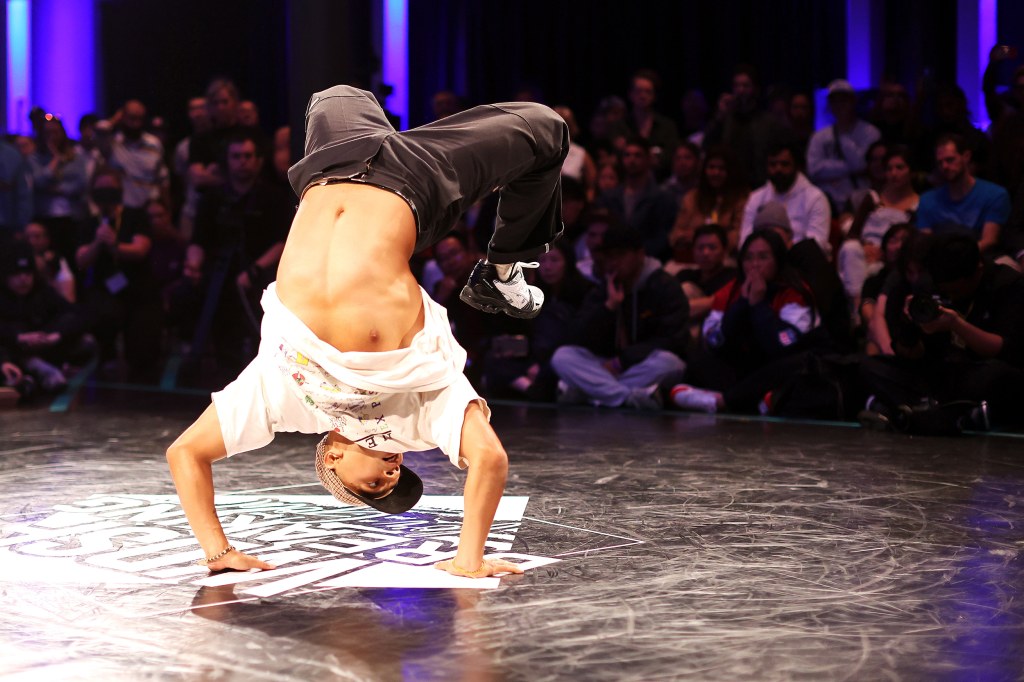
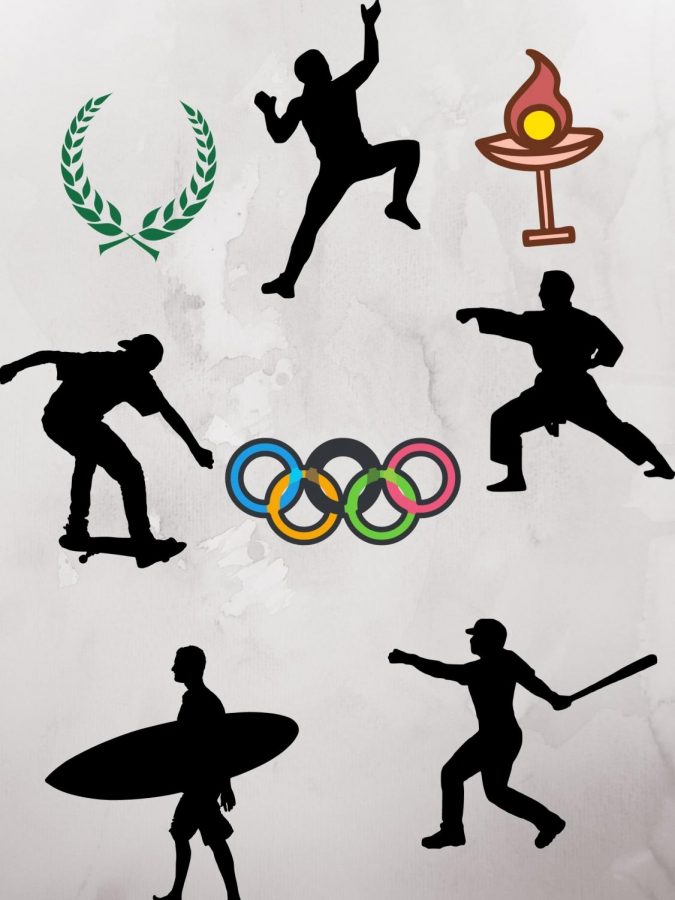
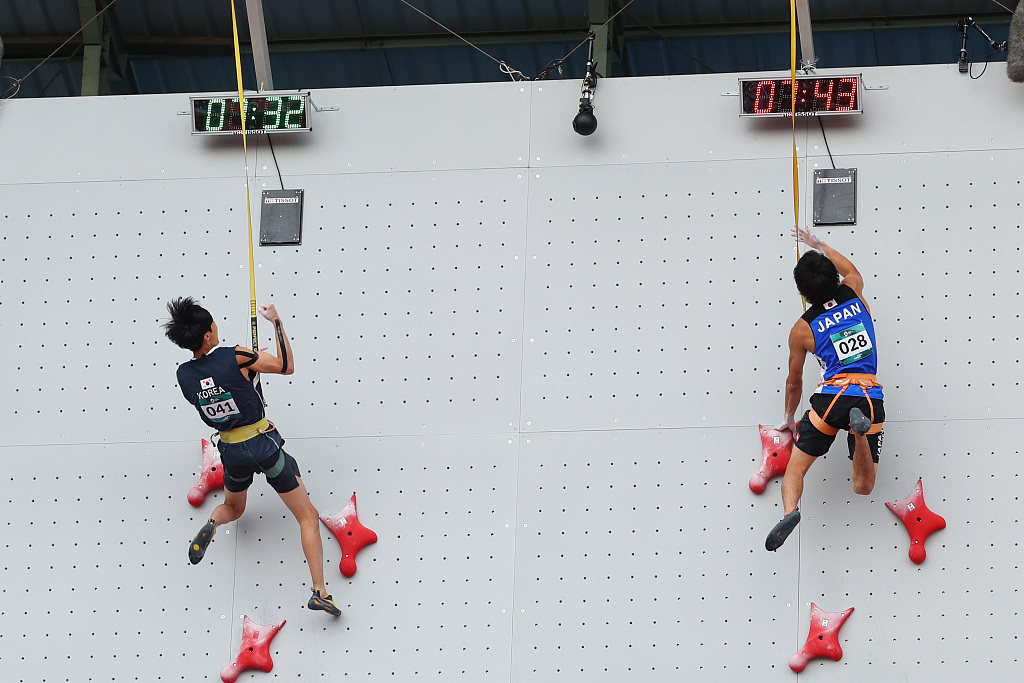
For Paris 2024, the most significant new sport addition, following its inclusion as a provisional sport at the Youth Olympic Games in Buenos Aires 2018, is Breaking. While Surfing, Skateboarding, and Sport Climbing, which debuted in Tokyo 2020 (held in 2021), will also return, Breaking stands as the fresh face. This decision is not arbitrary; it’s a meticulously calculated branding move designed to inject youthful energy, urban coolness, and artistic flair into the Olympic tapestry. This article delves into the strategic brand implications behind these additions, exploring how new sports serve as powerful tools for enhancing the Olympic brand, diversifying its marketing narratives, and ensuring its enduring legacy in the global consciousness.
The Strategic Refresh: Enhancing the Olympic Brand Identity
The Olympic Games represent one of the world’s most enduring and recognizable brands. Like any premier brand, its custodians – the IOC – must constantly innovate to maintain its allure and prevent stagnation. The integration of new sports is a cornerstone of this strategic refresh, a proactive effort to evolve the brand identity and ensure it remains vibrant, appealing, and culturally pertinent.
Evolving for Relevance: Appealing to Younger Demographics
A primary driver behind the inclusion of sports like Breaking, Skateboarding, and Surfing is the imperative to connect with younger demographics. For any global brand seeking long-term viability, capturing the attention and loyalty of Gen Z and Gen Alpha is paramount. Traditional Olympic sports, while deeply respected, may not always resonate with the fast-paced, digital-native youth culture. These newer sports, by contrast, possess an intrinsic coolness and accessibility that speaks directly to a younger audience.
The IOC’s “Agenda 2020” reforms explicitly emphasize flexibility and urban appeal, recognizing that the Olympic brand needs to reflect contemporary youth culture more closely. By embracing sports that originate from street culture and youth movements, the Olympics signals a willingness to adapt, demonstrating that it is not just a relic of the past but a dynamic platform for the future. This strategic shift is about brand longevity, ensuring that the Olympic flame continues to ignite passion across generations, drawing in viewers and participants who might otherwise feel disconnected from the more classical sporting disciplines. It’s a calculated move to expand the brand’s target audience, broadening its demographic reach and securing its future market share in the crowded entertainment landscape.
Cultural Resonance and Modern Image
New sports are chosen not just for their athletic prowess but also for their profound cultural resonance. Breaking, for instance, transcends mere athleticism; it is an art form rooted in hip-hop culture, embodying creativity, self-expression, and community. Its origins in the urban landscape offer a compelling contrast to the traditional stadium settings, presenting a raw, authentic, and globally accessible spectacle.
By embracing such disciplines, the Olympic brand actively cultivates a modern, progressive image. It demonstrates an openness to different forms of sporting expression and cultural heritage, moving beyond a purely Eurocentric or Western-centric view of athleticism. This embrace of diverse cultural forms enriches the Olympic narrative, making the brand more inclusive and reflective of global contemporary society. It signals that the Olympics is not afraid to challenge its own conventions, demonstrating agility and foresight in its brand positioning. This contributes to a refreshed brand perception, positioning the Olympics as an innovative and culturally aware entity rather than one solely steeped in historical legacy.
Diversifying the Global Appeal
The geographic and cultural footprint of the Olympic Games is immense, but constant expansion and diversification are crucial for its sustained growth. The introduction of sports with grassroots appeal in varied regions helps to broaden the Games’ global appeal and market penetration. Surfing, for example, connects with coastal communities worldwide, while Skateboarding has a universal urban presence. Breaking’s global proliferation through social media and street culture further extends this reach.
These new sports resonate deeply with populations that may not have strong connections to traditional Olympic disciplines, thereby opening new markets for viewership, participation, and merchandising. This strategy is vital for a global brand; it ensures that the Olympic message of unity and excellence speaks to a wider spectrum of people across continents and cultures. By tapping into these diverse fan bases, the IOC enhances the Olympic brand’s universality, making it a truly global phenomenon that caters to a wider array of tastes and preferences, strengthening its overall brand equity on a worldwide scale.
Crafting New Narratives: Marketing and Athlete Branding Opportunities
Beyond refreshing its core identity, the inclusion of new sports presents unparalleled opportunities for the Olympic brand to craft fresh narratives, ignite innovative marketing campaigns, and cultivate a new generation of athlete brands. These elements are critical for maintaining media interest, sponsor engagement, and fan excitement.
Unlocking Fresh Marketing Angles
New sports offer a wealth of fresh marketing angles and visual content. The dynamic, visually captivating nature of sports like Breaking, with its intricate dance moves, athleticism, and distinct aesthetic, provides compelling material for digital campaigns, broadcast features, and social media engagement. Marketing teams can leverage these novel visuals and compelling backstories to create campaigns that stand out from traditional Olympic advertising.
These sports also come with pre-existing, vibrant subcultures, complete with their own aesthetics, music, and language, which can be integrated into the broader Olympic marketing message. This allows the Olympic brand to tap into ready-made communities and organic buzz, expanding its reach through authentic connections. The excitement generated by something “new” naturally attracts media attention, providing invaluable earned media opportunities and creating new talking points that keep the Olympic brand in the public conversation long before and after the Games. This strategic infusion of novelty ensures that the Olympic marketing machine remains agile and continually provides fresh, engaging content for its global audience.
The Rise of New Sporting Icons and Personal Brands
Every Olympic Games creates new heroes, but new sports bring a new kind of hero. Athletes in disciplines like Breaking often cultivate strong personal brands long before they reach the Olympic stage, given the grassroots, community-driven nature of their sports. They are often active on social media, showcasing their unique styles, personalities, and journeys, creating a direct and authentic connection with their fans.
When these athletes compete at the Olympics, their personal brands merge with the Olympic brand, creating a powerful synergy. The Olympic platform elevates their profiles to a global stage, while their distinct personalities and stories inject new energy and authenticity into the Olympic narrative. This symbiotic relationship is a win-win: the athletes gain unparalleled exposure, and the Olympic brand benefits from their genuine appeal, diverse fan bases, and relatable human stories. This fosters a continuous cycle of engagement, as fans follow these new icons and, through them, become more invested in the broader Olympic movement.
Sponsorship Alignment and Brand Association
For corporate sponsors, aligning with the Olympic Games is a powerful branding statement. The introduction of new, youth-oriented sports opens up avenues for new types of sponsors and allows existing sponsors to refresh their brand associations. Companies targeting younger demographics, those in urban lifestyle sectors, or brands emphasizing innovation and creativity, find a particularly strong alignment with these modern disciplines.
Sponsors can strategically connect their brand image with the dynamism, artistic expression, and cultural relevance embodied by sports like Breaking. This allows them to tell new brand stories, tap into different consumer segments, and diversify their marketing portfolios. The inclusion of new sports therefore not only broadens the Olympic brand’s appeal to audiences but also expands its commercial viability, ensuring a robust funding model and a diverse ecosystem of brand partnerships that reinforce the Games’ forward-looking identity.
Design and Spectacle: Reinforcing the Olympic Visual Identity
The Olympic Games are as much a visual spectacle as they are a sporting competition. The aesthetic appeal, venue design, and overall experience contribute significantly to the Olympic brand’s visual identity and its ability to captivate audiences worldwide. New sports offer unique contributions to this immersive experience.
The Aesthetic Dimension of New Sports
Sports like Breaking are inherently visually dynamic. The combination of intricate footwork, power moves, freezes, and unique personal styles creates a mesmerizing performance that is tailor-made for broadcast and live spectatorship. This inherent visual appeal enriches the overall spectacle of the Games, providing moments that are not only athletically impressive but also artistically captivating.
This visual richness helps to diversify the content palette of the Olympic Games, offering distinct imagery that complements traditional sports. These visual elements become memorable brand assets, easily shareable on social media, and contribute to the iconic imagery associated with the Games. The aesthetic contribution of new sports is crucial for maintaining viewer engagement and ensuring the Olympic brand remains visually fresh and exciting in a highly competitive media landscape.
Venue Transformation and Experience Design
The integration of new sports often necessitates innovative approaches to venue design and experience creation. While traditional sports are often confined to purpose-built arenas, many of the newer disciplines thrive in more unconventional, often urban settings. For example, the breaking competition in Paris 2024 is slated for the iconic Place de la Concorde, transforming a historic public space into a vibrant sports arena.
This strategic choice of venue enhances the brand experience, blending sport with culture and heritage in novel ways. It demonstrates the Olympic brand’s adaptability and creativity in staging events, offering unique backdrops that generate excitement and provide powerful visual branding opportunities. These urban venues, often accessible and central, contribute to a more inclusive and integrated Olympic experience, reinforcing the idea that the Games are a celebration that permeates the entire host city, not just isolated stadiums.
Merchandise and Brand Extension
New sports naturally lead to new opportunities for merchandise and brand extension. Apparel, accessories, and collectibles inspired by the unique aesthetics and culture of breaking, skateboarding, or surfing can introduce the Olympic brand to new consumer segments. This allows the IOC to diversify its product lines, catering to different styles and preferences, and further embed the Olympic brand into everyday lifestyle choices.
From streetwear collaborations to gear designed for specific sports, new merchandise not only generates revenue but also serves as a powerful marketing tool, extending the Olympic brand’s presence beyond the competition dates. It fosters a sense of belonging and identification among fans of these new sports, turning them into ambassadors for the Olympic brand in their daily lives.
Navigating Brand Challenges and Future Strategy
While the integration of new sports is a strategic triumph for the Olympic brand, it also presents inherent challenges that must be carefully navigated to ensure long-term success and credibility.
Balancing Tradition and Innovation
One of the biggest brand challenges is maintaining the delicate balance between honoring Olympic tradition and embracing innovation. The Olympic brand is built on a legacy of ancient origins, timeless ideals, and established rituals. Introducing sports that are relatively young and rooted in contemporary culture requires careful integration to ensure they feel like natural extensions rather than jarring departures.
The IOC must communicate a cohesive brand narrative that explains how these new sports align with the core Olympic values of excellence, friendship, and respect, even if their format or presentation differs. Failure to do so risks alienating traditionalists or diluting the established brand identity. The strategy must be one of evolution, not revolution, ensuring that the Olympic brand remains recognizable and cherished while also pushing boundaries.
Ensuring Authenticity and Credibility
For the Olympic brand to maintain its credibility, the inclusion of new sports must feel authentic. It cannot be perceived as a mere opportunistic attempt to chase trends. The IOC must demonstrate a genuine commitment to these sports, working closely with their respective federations and communities to ensure that their spirit and integrity are preserved within the Olympic framework.
This involves respecting the unique culture of each sport, from its judging criteria to its presentation style, rather than attempting to force-fit it into a rigid traditional mold. Authenticity builds trust, and trust is a cornerstone of any strong brand. By genuinely embracing the ethos of these new disciplines, the Olympic brand reinforces its sincerity and deepens its connection with both athletes and fans.
Long-Term Brand Vision
The introduction of new sports for Paris 2024 is not an isolated decision but part of a continuous, long-term brand vision for the Olympic Games. The IOC is constantly evaluating global trends, youth engagement, and the sporting landscape to determine future inclusions and exclusions. This ongoing strategic assessment ensures that the Olympic brand remains agile and responsive to the evolving world.
The ability to adapt while staying true to its core values is what defines the Olympic brand’s resilience. By strategically adding and rotating sports, the Olympic Games reinforce their image as a progressive, forward-thinking institution that is committed to global appeal and enduring relevance. The “new sports in the 2024 Olympics” are more than just additions to the program; they are vital components of a masterful brand strategy designed to secure the Olympic legacy for generations to come, ensuring that the spectacle continues to captivate, inspire, and unite the world.
aViewFromTheCave is a participant in the Amazon Services LLC Associates Program, an affiliate advertising program designed to provide a means for sites to earn advertising fees by advertising and linking to Amazon.com. Amazon, the Amazon logo, AmazonSupply, and the AmazonSupply logo are trademarks of Amazon.com, Inc. or its affiliates. As an Amazon Associate we earn affiliate commissions from qualifying purchases.