
In the intricate world of international commerce and government policy, few terms carry as much weight and potential impact as “tariffs.” Far from being a mere bureaucratic fee, tariffs are powerful financial instruments that shape trade flows, influence consumer prices, impact business profitability, and often dictate the geopolitical landscape. For anyone involved in business finance, investing, or simply seeking to understand the economic forces that govern our globalized world, a clear comprehension of tariffs is not just beneficial—it’s essential.
At their core, tariffs are taxes imposed by governments on goods and services crossing national borders. While they might seem like a straightforward revenue-generating mechanism, their implications extend far beyond simple taxation, touching upon complex economic theories, strategic trade policies, and the daily financial decisions of businesses and individuals alike. Understanding “what are tariffs” means delving into their definitions, purposes, mechanisms, and far-reaching financial consequences.

The Core Concept: Defining Tariffs and Their Purpose
To fully grasp the financial implications of tariffs, we must first establish a foundational understanding of what they are and why they exist. They are not arbitrary charges but rather calculated policy tools with specific, often multifaceted, objectives.
What is a Tariff? A Foundational Definition
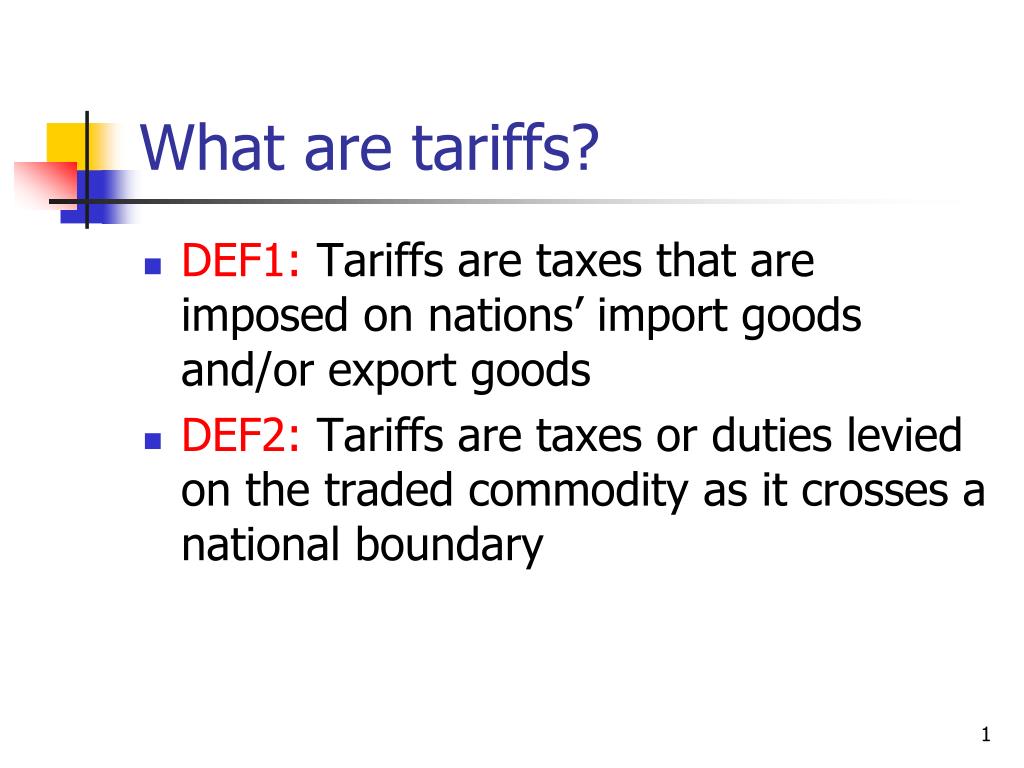
A tariff, in its simplest form, is a tax or duty levied on goods when they are moved across an international border. Historically, these duties were most commonly applied to imported goods, making them more expensive for domestic consumers and businesses, though they can also apply to exports. The party responsible for paying the tariff is typically the importer, who then often passes this cost on to the consumer or integrates it into their pricing strategy, affecting the final market price of the goods.
Tariffs are a form of trade barrier, designed to either restrict trade, protect domestic industries, or generate government revenue. Unlike a general sales tax, which applies universally within a country, a tariff is specifically targeted at international transactions. They can be applied to a vast array of goods, from agricultural products and raw materials to manufactured goods and digital services, and their rates vary significantly depending on the product, country of origin, and existing trade agreements.
Why Do Governments Impose Tariffs?
The motivations behind imposing tariffs are diverse, reflecting a blend of economic, political, and strategic considerations. From a financial perspective, these objectives directly influence business decisions and market dynamics.
- Revenue Generation: Historically, this was one of the primary reasons for tariffs. Before the widespread adoption of income taxes, tariffs were a significant source of funding for national governments. While their relative contribution to government coffers has diminished in many developed nations, they still provide substantial revenue, particularly for countries with high volumes of international trade or less developed tax systems.
- Protection of Domestic Industries: This is perhaps the most frequently cited reason for tariffs today. By making imported goods more expensive, tariffs reduce the competitive advantage of foreign producers, thereby “protecting” domestic industries from cheaper foreign competition. This protection is intended to safeguard jobs, foster local production, and allow nascent industries to grow without being overwhelmed by established international players. However, this often comes at the cost of higher prices and reduced choice for consumers.
- National Security: In certain strategic sectors, such as defense, energy, or critical technologies, governments may impose tariffs to ensure a domestic supply base and reduce reliance on potentially unstable foreign sources. This is a non-economic objective with significant financial implications for businesses in these sectors.
- Balance of Payments Adjustment: Countries facing a persistent trade deficit (importing more than they export) might use tariffs to reduce imports, thereby attempting to improve their balance of trade. This is a delicate balancing act, as it can provoke retaliatory measures.
- Political Leverage and Retaliation: Tariffs can be used as a bargaining chip in international negotiations or as a punitive measure against countries deemed to be engaging in unfair trade practices, human rights violations, or other geopolitical disputes. Such tariffs are often highly volatile and can introduce significant uncertainty for businesses.
Types of Tariffs
Tariffs come in several forms, each with a distinct calculation method and economic effect. Businesses must understand these distinctions to accurately forecast costs and manage financial exposure.
- Specific Tariffs: A fixed fee levied on each unit of an imported good. For example, $10 per imported bicycle, regardless of its value. This type of tariff is straightforward to administer but doesn’t account for variations in product quality or price.
- Ad Valorem Tariffs: A percentage of the declared value of an imported good. For example, a 15% tariff on the value of imported automobiles. This is the most common type and adjusts with the price of the good, maintaining a consistent protective effect.
- Compound Tariffs: A combination of a specific tariff and an ad valorem tariff. For instance, $5 per kilogram of imported cheese plus 10% of its value. This offers a dual layer of protection and revenue generation.
- Protective Tariffs: Imposed with the primary goal of shielding domestic industries from foreign competition. Their rates are often set high enough to make imports less attractive.
- Revenue Tariffs: Imposed with the primary goal of raising government revenue. These are often applied to goods not produced domestically, ensuring they don’t significantly impact local industries but still generate income.
The Mechanics and Economic Impact of Tariffs
Understanding how tariffs function in practice reveals their profound impact on various economic stakeholders, from multinational corporations to individual consumers. These impacts are central to financial analysis and strategic planning.
How Tariffs Work: The Flow of Goods and Money
When a good subject to a tariff is imported into a country, the importer (the company or individual bringing the good in) is typically responsible for paying the tariff to the customs authorities of the importing country. This payment is usually required before the goods can clear customs and enter the domestic market.
For a business, this tariff payment becomes an additional cost of acquisition, alongside the product’s purchase price, shipping costs, and insurance. This “landed cost” dictates the final price at which the importer can sell the good domestically while maintaining their desired profit margin. Consequently, the tariff cost is almost invariably passed down the supply chain, either fully or partially, ultimately reaching the end consumer in the form of higher retail prices.
Impact on Domestic Industries
For the domestic industries that tariffs are designed to protect, the immediate effect can be positive. With imported alternatives becoming more expensive, domestic products become relatively more competitive. This can lead to increased sales, higher production, and potentially more job creation within the protected sectors.
However, protection can also breed inefficiency. Shielded from international competition, domestic firms might have less incentive to innovate, reduce costs, or improve product quality. This can lead to complacency, making them less competitive globally in the long run and potentially harming consumers through stagnant product development and higher prices.
Impact on Consumers
Consumers are often the quiet bearers of tariff costs. When tariffs are imposed, the price of imported goods rises. If consumers continue to buy these goods, they pay more. If they switch to domestically produced alternatives, they might also pay more if the domestic producers raise their prices under the umbrella of reduced foreign competition. Moreover, tariffs can reduce the variety of goods available in the market and potentially lower overall product quality, as competitive pressure lessens. In essence, tariffs often act as a regressive tax, disproportionately affecting lower-income households.
Impact on International Trade Relations
Tariffs are a double-edged sword in international relations. While intended to benefit the imposing nation, they frequently provoke retaliatory tariffs from affected trading partners. This can escalate into “trade wars,” where multiple countries impose tariffs on each other’s goods, leading to a significant contraction in global trade volumes.
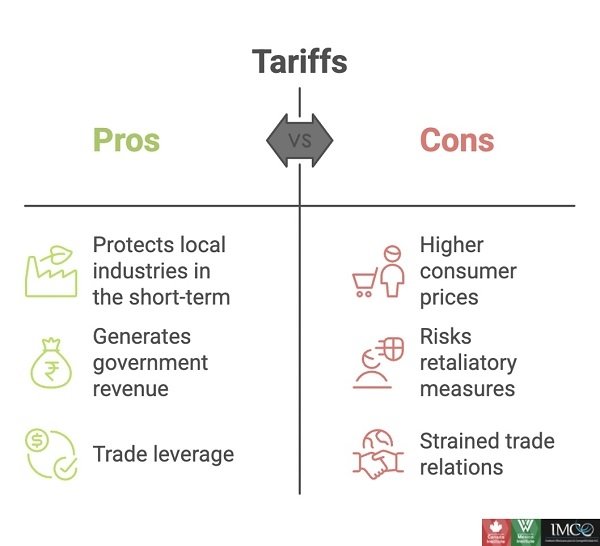
Such disputes disrupt established global supply chains, increase uncertainty for businesses, and can negatively impact global economic growth. The World Trade Organization (WTO) was established precisely to reduce such trade barriers and facilitate smoother international trade, yet tariff disputes remain a persistent challenge in the multilateral trading system.
Tariffs in Business Finance and Global Strategy
For businesses operating in an interconnected global economy, tariffs are not an abstract economic concept but a tangible line item that significantly impacts financial performance, strategic decisions, and risk management.
The Cost of Doing Business: Incorporating Tariffs into Financial Planning
For importers, manufacturers using imported components, or exporters facing tariffs in target markets, tariffs are a direct cost that must be meticulously accounted for. Financial planning must incorporate:
- Accurate Landed Cost Calculation: Beyond the purchase price, shipping, and insurance, tariffs are a critical component of the total cost of getting a product to its final destination. Miscalculating this can erode profit margins or lead to uncompetitive pricing.
- Budgeting and Forecasting: Volatility in tariff rates, especially during trade disputes, introduces significant uncertainty. Businesses need robust budgeting processes that can model different tariff scenarios to understand their potential impact on cash flow and profitability.
- Pricing Strategy: Companies must decide how much of the tariff cost to absorb and how much to pass on to customers. This decision impacts sales volume, market share, and overall revenue.
- Tax and Customs Compliance: Navigating complex customs regulations and ensuring compliance with tariff codes is essential to avoid penalties and delays, which have direct financial consequences.
Supply Chain Management and Tariffs
Tariffs can force a fundamental re-evaluation of global supply chains. Financial managers and operations teams must consider:
- Reshoring or Nearshoring: If tariffs make imports prohibitively expensive, companies might consider moving production back to their home country (reshoring) or to nearby countries (nearshoring) with lower or no tariff barriers. This involves significant capital expenditure, labor adjustments, and operational changes.
- Diversification of Suppliers: Relying heavily on suppliers from a single country can be risky if that country becomes subject to new tariffs. Diversifying the supplier base across multiple countries can mitigate this risk, though it might increase complexity and initial costs.
- Free Trade Zones and Customs Warehouses: Utilizing these facilities can defer or reduce tariff payments by allowing goods to be processed, stored, or manufactured without immediately incurring duties.
- Origin Optimization: Understanding rules of origin allows companies to potentially qualify for preferential tariff rates under various trade agreements.
Investment Decisions and Tariff Policies
Tariff regimes heavily influence foreign direct investment (FDI) decisions.
- Market Access: High tariffs can deter companies from exporting to a country, potentially leading them to invest directly in production facilities within that country (“tariff-jumping FDI”) to bypass the duties and gain market access.
- Industry-Specific Impacts: Tariffs on specific raw materials or components can significantly alter the attractiveness of investing in certain manufacturing sectors. For example, tariffs on steel can impact the profitability of industries reliant on steel, like automotive or construction.
- Risk Assessment: Political stability and predictability of tariff policies are crucial factors for investors. Unilateral tariff changes or trade disputes introduce significant geopolitical risk that financial models must account for.
Navigating Trade Agreements and Tariff Barriers
The global trade landscape is crisscrossed by a multitude of bilateral and multilateral trade agreements designed to reduce or eliminate tariffs.
- Free Trade Agreements (FTAs): These agreements create zones where goods can flow between signatory countries with reduced or zero tariffs. Businesses that understand and leverage FTAs can gain significant competitive advantages.
- WTO Rules: The World Trade Organization sets rules for international trade and aims to lower trade barriers. Members are generally bound by the “Most Favored Nation” (MFN) principle, meaning a tariff advantage given to one country must be extended to all WTO members (with exceptions for FTAs).
- Preferential Tariffs: Some countries offer lower tariffs to developing nations or specific partners as part of trade promotion or foreign policy initiatives. Identifying and qualifying for these can offer substantial cost savings.
Real-World Implications and Future Outlook
Tariffs are not new; they have been a tool of economic statecraft for centuries. Their ongoing relevance in today’s dynamic global economy underscores their powerful and enduring impact on financial markets and business strategies.
Historical Context: Tariffs as Tools of Economic Policy
From mercantilist empires seeking to maximize exports and minimize imports to the protectionist policies of the early 20th century, tariffs have long served as critical levers of economic policy. The infamous Smoot-Hawley Tariff Act of 1930, which dramatically raised U.S. tariffs on over 20,000 imported goods, is widely cited as exacerbating the Great Depression by triggering widespread retaliatory tariffs and a collapse in global trade. This historical lesson underpins much of the modern push for free trade and multilateral agreements. However, the rise of economic nationalism in recent decades has brought tariffs back to the forefront.
Case Studies: Notable Tariff Impositions and Their Outcomes
Recent history offers numerous examples of tariffs in action:
- US-China Trade War (2018-2020): The imposition of tariffs on hundreds of billions of dollars worth of goods by both the U.S. and China significantly disrupted global supply chains, increased costs for businesses and consumers, and created immense uncertainty for investors. While some domestic industries saw temporary benefits, the overall economic impact was largely negative for both nations and the global economy.
- Steel and Aluminum Tariffs (2018): The U.S. imposed tariffs on steel and aluminum imports, citing national security concerns. While intended to protect domestic producers, these tariffs raised input costs for downstream industries (like automotive and manufacturing), leading to calls for exemptions and retaliatory tariffs from key trading partners like the EU and Canada.
- Brexit and UK-EU Trade: The UK’s departure from the European Union led to the reintroduction of customs checks and potential tariffs on goods moving between the two entities, impacting vast swathes of businesses that previously enjoyed frictionless trade. This necessitated massive adjustments in supply chain management, compliance, and financial forecasting for thousands of companies.
The Future of Tariffs in a Globalized Economy
Despite decades of efforts to reduce trade barriers, tariffs remain a potent, if often contentious, tool. Their future evolution will likely be shaped by several emerging trends:
- Digital Tariffs: As the global economy becomes increasingly digital, countries are exploring ways to tax digital services, leading to new forms of “digital tariffs” that impact tech companies and online income streams.
- Climate Tariffs (Carbon Border Adjustment Mechanisms): Some nations are considering tariffs on imports from countries with less stringent environmental regulations, aiming to level the playing field and incentivize greener production practices globally. This introduces an entirely new dimension to trade policy and financial analysis.
- Resilience over Efficiency: Geopolitical shifts and recent global crises (like pandemics) have highlighted the fragility of highly optimized, global supply chains. This might lead governments and businesses to prioritize supply chain resilience and national self-sufficiency over pure cost efficiency, potentially justifying certain protective tariffs.
- Continued Geopolitical Leverage: Tariffs will likely remain a key instrument in geopolitical negotiations, serving as both a threat and a bargaining chip in international relations.
In conclusion, tariffs are much more than simple taxes; they are complex financial instruments with profound economic consequences. For individuals managing personal finances, investors seeking to understand market dynamics, and businesses charting their global strategy, a deep and nuanced understanding of tariffs—their definitions, purposes, impacts, and future trends—is indispensable for navigating the financial landscape successfully. As the global economy continues to evolve, tariffs will undoubtedly continue to play a pivotal, and often disruptive, role in shaping the flow of money, goods, and power across national borders.
aViewFromTheCave is a participant in the Amazon Services LLC Associates Program, an affiliate advertising program designed to provide a means for sites to earn advertising fees by advertising and linking to Amazon.com. Amazon, the Amazon logo, AmazonSupply, and the AmazonSupply logo are trademarks of Amazon.com, Inc. or its affiliates. As an Amazon Associate we earn affiliate commissions from qualifying purchases.