
The landscape of modern finance is constantly evolving, driven by innovation, shifting cultural paradigms, and groundbreaking scientific discoveries. One such emergent area, previously relegated to the fringes, is the burgeoning psychedelic industry. As psilocybin—often colloquially referred to as “shrooms”—and other psychoactive compounds move from illicit status towards medical research, decriminalization, and even potential regulated markets, they are creating significant ripple effects across the global economy. This article delves into the financial “side effects” of this phenomenon, exploring the investment opportunities, regulatory challenges, market volatility, and broader economic implications that investors, entrepreneurs, and policymakers must navigate.
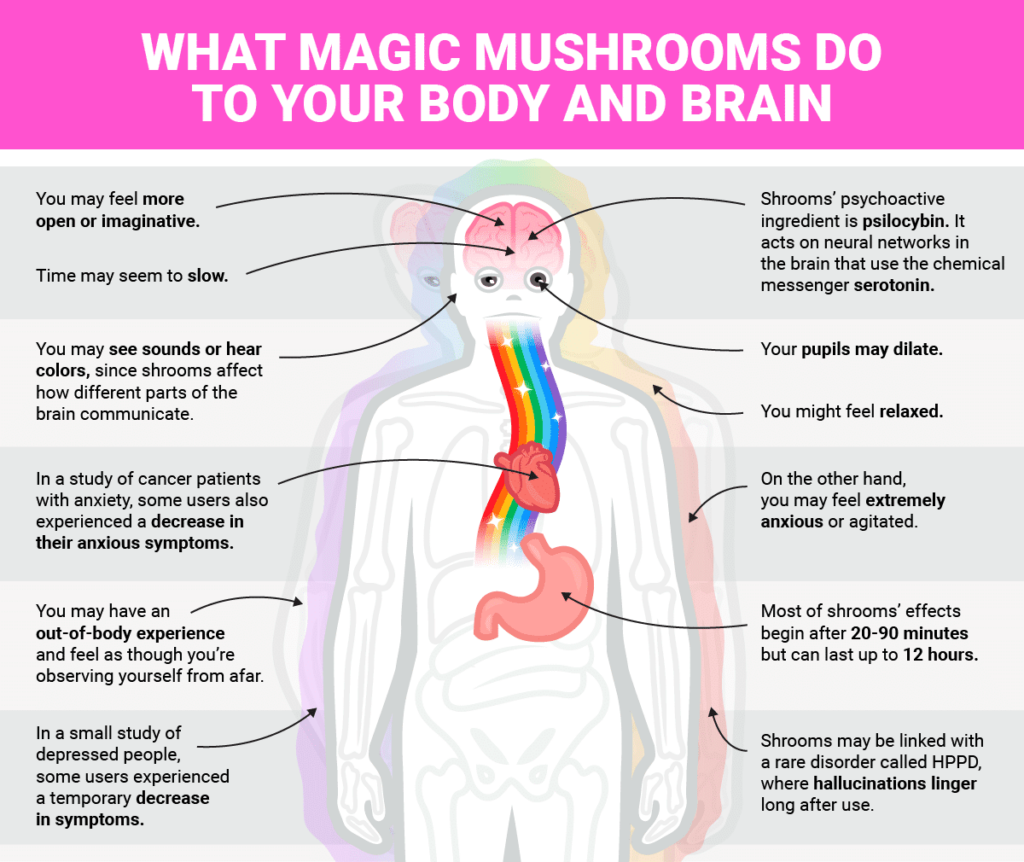
The Emerging Psychedelic Economy: A New Investment Frontier
The potential for psychedelics to revolutionize mental healthcare, wellness, and even spiritual practices has ignited a fervent interest from the financial community. What was once a black market commodity is slowly transitioning into a legitimate, albeit highly regulated, industry. This shift is creating entirely new segments within the broader healthcare, biotech, and consumer markets, presenting unique investment prospects.
Market Projections and Growth Drivers
Analysts are projecting substantial growth for the psychedelic therapeutics market in the coming years. Driven by a global mental health crisis—with conditions like depression, PTSD, and anxiety affecting hundreds of millions worldwide—the demand for novel, more effective treatments is immense. Early clinical trials of psilocybin, MDMA, and ketamine-assisted therapies have shown remarkable efficacy, often outperforming traditional pharmaceutical interventions for treatment-resistant conditions.
This clinical promise is the primary catalyst for market growth. As more studies advance through regulatory phases and secure FDA or equivalent approvals, the market capitalization for companies involved in psychedelic research and development is expected to soar. Furthermore, the push for decriminalization and regulated access in various jurisdictions, particularly in parts of the United States and Canada, could open doors to broader wellness and recreational markets, significantly expanding the addressable financial landscape. The investment thesis is built on a foundation of unmet medical need and a paradigm shift in therapeutic approaches.
Biotech and Pharmaceutical Innovation
At the heart of the psychedelic economy lies a vibrant ecosystem of biotech and pharmaceutical innovation. Companies are pouring capital into drug discovery, formulation development, and clinical trials for psilocybin, DMT, mescaline, and other compounds. These firms are not merely cultivating mushrooms; they are developing synthetic analogs, novel delivery mechanisms (like transdermal patches or sublingual tablets), and sophisticated therapeutic protocols. Intellectual property (IP) protection, including patents on synthesis methods, unique crystal forms, and therapeutic applications, is becoming a critical battleground for market dominance.
Investing in this sub-sector means betting on scientific breakthroughs and regulatory successes. It requires a keen understanding of drug development pipelines, clinical trial stages, and the competitive landscape. Success in this area could yield substantial returns, but failure—such as a clinical trial setback or a regulatory rejection—can lead to significant losses. This high-risk, high-reward dynamic is characteristic of early-stage biotech, but amplified by the unique regulatory and social stigma associated with psychedelics.
Wellness and Retreat Sector Expansion
Beyond pharmaceutical development, the emerging psychedelic economy is also fostering a growing wellness and retreat sector. As regulations loosen, particularly around certain compounds like psilocybin in specific jurisdictions, businesses are emerging to offer supervised psychedelic experiences in therapeutic or recreational settings. These range from luxury retreats focusing on personal growth and spiritual exploration to medically supervised clinics providing assisted psychotherapy.
This segment represents a distinct investment opportunity, albeit with a different risk profile than biotech. It is more consumer-facing, reliant on hospitality, healthcare service delivery, and brand building. Investors might look at real estate ventures (for retreat centers), service providers, digital platforms for patient management, or training programs for facilitators. The challenge here lies in navigating diverse local regulations, ensuring patient safety, and establishing ethical business practices that can withstand public scrutiny. The potential for a “psychedelic tourism” market, similar to cannabis tourism, also presents interesting economic development prospects for regions embracing these changes.
Unpacking the Financial “Side Effects”: Risks and Volatility
Like any rapidly evolving market, the psychedelic industry comes with its own set of “side effects”—unforeseen challenges, inherent risks, and periods of significant volatility that can impact investment portfolios and business ventures. Investors must approach this sector with caution and a thorough understanding of its unique complexities.
Regulatory Hurdles and Legal Ambiguity
The most significant “side effect” impacting financial projections and operational stability is the labyrinthine regulatory environment. Psychedelics remain Schedule I substances under international treaties and in many national jurisdictions, including the United States. This classification severely restricts research, production, and commercialization. While progress is being made, the path to federal legalization or rescheduling is arduous and uncertain, riddled with political and social resistance.
Varying state and municipal laws create a patchwork of regulations, making it difficult for businesses to scale operations nationally or globally. This legal ambiguity introduces substantial operational risks, compliance costs, and potential for sudden legislative reversals. Companies operating in this space must allocate significant resources to legal counsel and lobbying efforts, which can drain capital and slow growth. Investment decisions must carefully weigh the probability and timeline of regulatory shifts, as they are often the primary drivers of stock performance in this sector.
Ethical Investing Concerns and Social Impact
The financial “side effects” also extend into the realm of ethical investing and social impact. The history of psychedelic use, particularly among indigenous cultures, raises questions about intellectual property, biopiracy, and equitable access. As large corporations enter the space, there’s a risk of commodification and appropriation of traditional knowledge without adequate benefit sharing. Investors concerned with ESG (Environmental, Social, and Governance) principles must carefully vet companies for their ethical sourcing practices, commitment to social equity, and genuine patient-centric approaches versus pure profit motives.
Furthermore, the potential for recreational use, even in regulated markets, prompts societal debates about public health, addiction, and responsible consumption. Companies involved in the broader psychedelic ecosystem will face scrutiny regarding their marketing practices and their contribution to public welfare. Ethical missteps or perceived exploitation could lead to brand damage, consumer boycotts, and increased regulatory pressure, all of which have direct financial consequences.
Market Speculation and Bubble Risks

Given the nascent nature and high-growth potential of the psychedelic sector, it is highly susceptible to market speculation and the formation of investment bubbles. Early successes in clinical trials or favorable regulatory news can trigger significant surges in stock prices, often disproportionate to the underlying fundamentals of the companies involved. This speculative fervor can attract retail investors drawn by the “next big thing,” leading to inflated valuations.
The risk here is that many companies are pre-revenue or have limited revenue, meaning their valuations are based largely on future potential rather than current financial performance. If regulatory progress slows, clinical trials fail, or public sentiment shifts, these highly speculative valuations could collapse, leading to substantial losses for investors. Identifying genuine value amidst the hype requires rigorous due diligence, a deep understanding of the scientific and regulatory landscape, and a long-term investment horizon.
Beyond the Hype: Long-Term Economic Implications
While short-term financial “side effects” include volatility and regulatory hurdles, the long-term economic implications of the psychedelic revolution could be profoundly transformative, extending beyond direct market capitalization to broader societal benefits.
Healthcare Cost Savings and Productivity Gains
Perhaps the most compelling long-term economic argument for psychedelics lies in their potential to significantly reduce healthcare costs. Effective treatments for chronic mental health conditions could alleviate the enormous economic burden associated with these illnesses, which include direct treatment costs, lost productivity, disability payments, and indirect societal costs. If psychedelic-assisted therapies can offer more durable remission rates or even cures for conditions like PTSD and severe depression, the long-term savings for healthcare systems and employers could be astronomical.
Improved mental health in the workforce would translate directly into increased productivity, reduced absenteeism, and greater innovation. This ripple effect across various industries could contribute positively to national GDPs and enhance overall economic stability. Quantifying these long-term benefits is complex but crucial for policymakers and investors looking beyond immediate market returns.
Tourism and Local Economic Development
As certain regions embrace decriminalization or establish regulated access models, a unique form of “psychedelic tourism” could emerge, driving local economic development. Jurisdictions that establish safe, regulated environments for psychedelic experiences—whether therapeutic or recreational—could attract visitors seeking these novel services. This would generate revenue through licensing fees, taxation, hospitality services, and ancillary businesses.
Such developments could revitalize local economies, create new job opportunities, and attract investment in infrastructure. However, this also carries potential “side effects” like increased pressure on local resources, potential for unregulated operators, and the need for robust public health frameworks to manage the influx of visitors. Careful planning and responsible policy are essential to harness these economic benefits while mitigating potential downsides.
Tax Revenue and Public Funding
The move from an illicit market to a regulated industry inherently creates new avenues for tax revenue. Governments could implement specific taxes on the production, sale, and distribution of psychedelic substances and related services, similar to models for cannabis, alcohol, or tobacco. These revenues could then be earmarked for public services, mental health initiatives, addiction treatment programs, or further scientific research into psychedelics.
The financial “side effect” here is the potential for a significant new source of public funding, which could alleviate pressure on existing tax bases and fund critical social programs. However, effective taxation policies must strike a balance between generating revenue and preventing the perpetuation of black markets through excessive pricing. The economic impact on public coffers, therefore, depends heavily on thoughtful and strategic fiscal policy.
Navigating the Investment Landscape: Due Diligence and Strategy
Investing in the psychedelic space is not for the faint of heart, given its unique regulatory, ethical, and market complexities. However, for those willing to undertake thorough due diligence and adopt a strategic approach, the potential for significant financial returns and positive societal impact is tangible.
Identifying Key Players and Sustainable Models
A critical investment strategy involves identifying companies with strong scientific foundations, robust intellectual property portfolios, clear regulatory pathways, and—crucially—ethical business models. Look for firms that are conducting rigorous clinical trials, collaborating with reputable institutions, and demonstrating a commitment to patient safety and equitable access. Companies that focus on specific therapeutic indications with high unmet needs, or those developing truly innovative delivery systems, may offer more sustainable long-term value. Avoid entities built purely on hype or speculative claims.
Diversification and Risk Mitigation
Given the sector’s inherent volatility and concentration risks, diversification is paramount. Investors should consider a balanced portfolio that might include exposure to biotech companies, service providers (e.g., clinics, retreat centers), and even ancillary businesses (e.g., technology platforms, training programs). Spreading investments across different stages of company development (from early-stage research to those nearing commercialization) can also help mitigate risk. Furthermore, combining psychedelic investments with more stable, traditional asset classes can buffer against extreme market fluctuations.
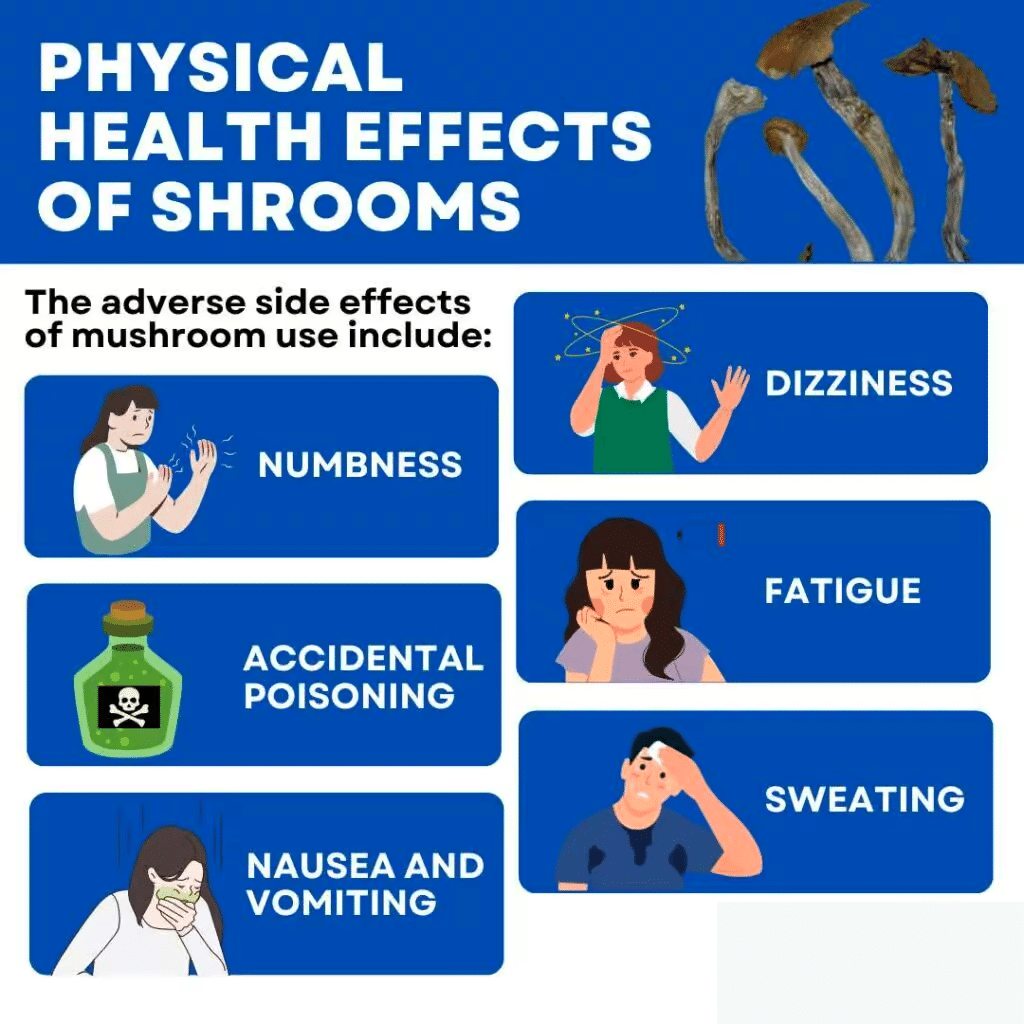
The Role of Social Responsibility in Investment
Finally, investors in the psychedelic space have a unique opportunity to align their financial goals with social responsibility. Supporting companies that prioritize ethical practices, contribute to scientific advancement, and ensure equitable access can lead to both financial rewards and positive societal change. Engaging with companies on ESG principles, advocating for responsible regulation, and understanding the historical and cultural context of psychedelics are not just ethical considerations—they are increasingly becoming critical factors for long-term financial success and public acceptance in this transformative industry.
In conclusion, the “side effects” of “shrooms” on the financial world are complex and multi-faceted. They represent both unprecedented opportunities for growth and significant challenges for investors and businesses. As this emerging industry continues to mature, those who navigate its intricacies with insight, caution, and a long-term perspective will be best positioned to capitalize on its profound economic and social impact.
aViewFromTheCave is a participant in the Amazon Services LLC Associates Program, an affiliate advertising program designed to provide a means for sites to earn advertising fees by advertising and linking to Amazon.com. Amazon, the Amazon logo, AmazonSupply, and the AmazonSupply logo are trademarks of Amazon.com, Inc. or its affiliates. As an Amazon Associate we earn affiliate commissions from qualifying purchases.