
The question “how much is YouTube?” is deceptively simple, yet the answer exists at the intersection of personal finance, corporate valuation, and global market influence. For some, the question refers to the monthly cost of a Premium subscription. For others, it is an inquiry into the staggering market value of the world’s most dominant video platform. For the modern entrepreneur, it represents the capital required to launch a digital media empire.
In this comprehensive analysis, we will break down the financial architecture of YouTube. We will explore the costs for consumers, the multi-billion dollar valuation of the platform as a subsidiary of Alphabet Inc., and the investment required for individuals looking to leverage the platform for online income.
1. The Cost of Consumption: Subscription Tiers and Consumer Value
For the average user, the “cost” of YouTube is traditionally paid in time—specifically, the time spent watching advertisements. However, as the platform has matured, it has pivoted toward a robust “freemium” model that offers various paid tiers designed to enhance the user experience and provide professional-grade alternatives to traditional cable.
YouTube Premium: Pricing and Financial Justification
As of 2024, the standard YouTube Premium subscription for an individual is priced at approximately $13.99 per month. For many, this is a calculated personal finance decision. The primary value proposition is the removal of advertisements, which, for a heavy user, can save dozens of hours of “attention capital” per year.
Beyond ad-free viewing, Premium includes YouTube Music and the ability to download videos for offline consumption. From a budgeting perspective, the “Family Plan” often offers the highest ROI (Return on Investment), allowing up to five household members to share the service for roughly $22.99 per month. For those in the “Money” niche of personal finance, the student discount—typically around $7.99—remains one of the most cost-effective digital subscriptions available today.
YouTube TV: The High-End Alternative to Cable
When discussing how much YouTube costs, one cannot ignore YouTube TV. Moving into the realm of business finance and household budgeting, YouTube TV represents a significant monthly line item, currently starting at $72.99 per month. This service is a direct competitor to traditional telecommunications providers, offering over 100 channels. For consumers looking to optimize their “cord-cutting” strategy, the financial trade-off involves comparing this flat rate against the hidden fees and contract escalations typical of traditional cable companies.
2. The Corporate Valuation: What is YouTube Worth?
To understand “how much” YouTube is in the context of the global economy, we must look at it as a financial asset. While Google (Alphabet Inc.) does not release a standalone valuation for YouTube because it is not a separate public company, financial analysts and investment banks frequently estimate its “intrinsic value.”
Estimated Market Capitalization
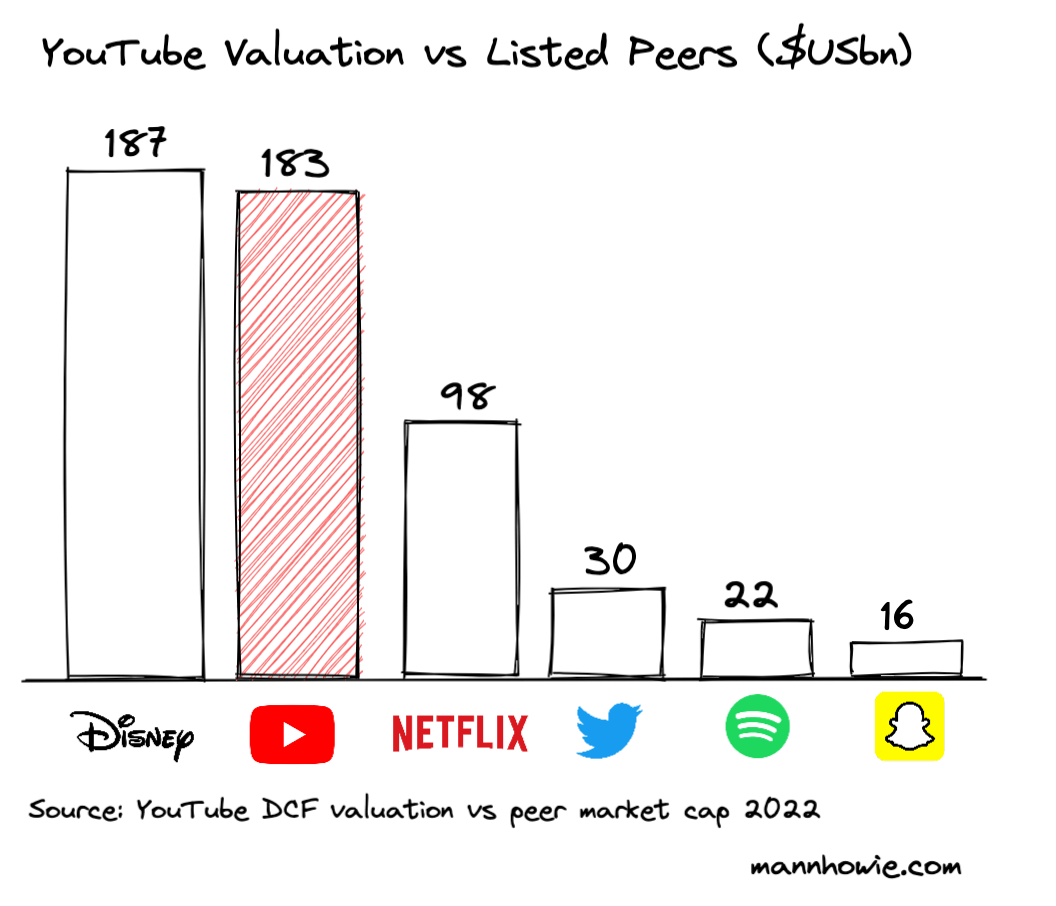
If YouTube were to spin off into an independent, publicly-traded entity today, most conservative estimates from firms like Morgan Stanley and Needleman & Co. place its valuation between $300 billion and $400 billion. To put this into perspective, this valuation would make YouTube more valuable than Disney, Netflix, or Comcast.
The platform’s value is derived from its unparalleled reach—over 2.5 billion monthly active users—and its data-driven advertising engine. For investors, the “price” of YouTube is baked into the Alphabet (GOOGL) stock price, acting as one of the primary drivers of growth for the parent company.
Annual Revenue and Growth Trajectory
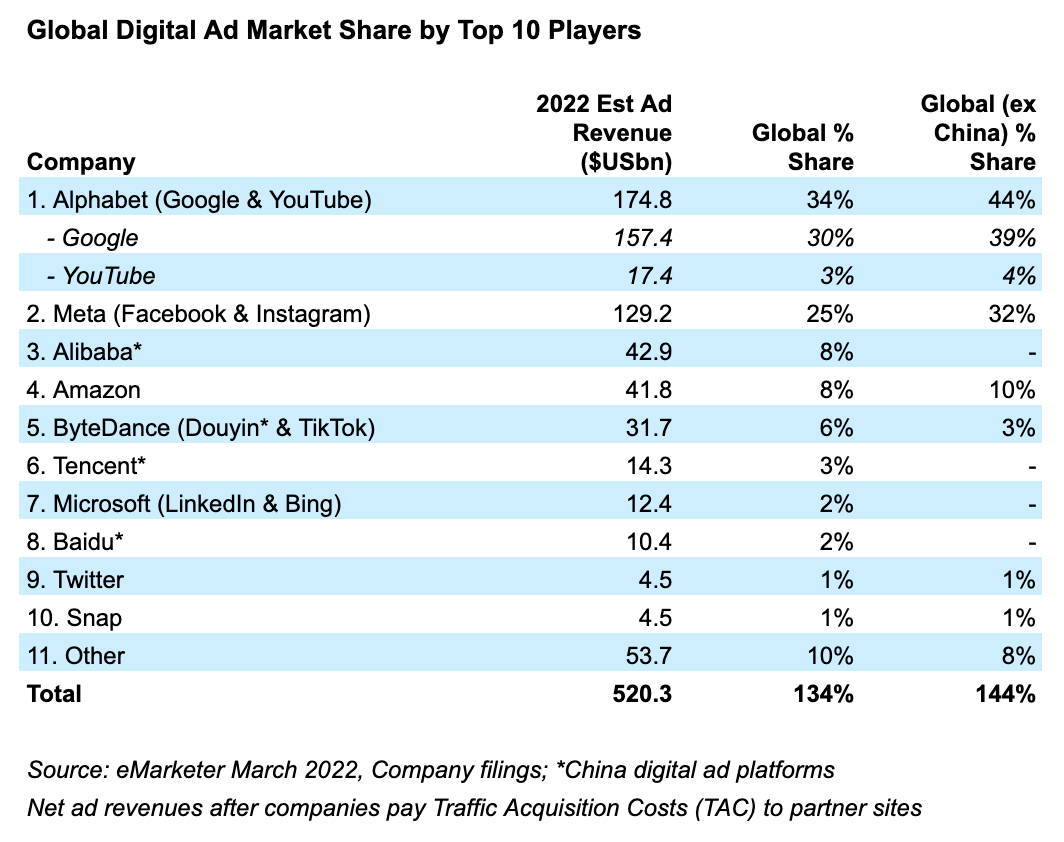
YouTube’s financial health is evidenced by its quarterly earnings reports. The platform consistently generates upwards of $30 billion in annual ad revenue alone. This does not account for the billions generated through “non-advertising” revenue, such as Premium subscriptions and the 30% cut YouTube takes from “Super Chats” and channel memberships. This diversified revenue stream makes YouTube a financial juggernaut, resilient to fluctuations in the volatile digital advertising market.
3. The Cost of Entry: Investing in the Creator Economy
For those viewing YouTube as a “Side Hustle” or a primary business venture, the question “how much is YouTube?” refers to the capital expenditure (CapEx) required to start and scale a channel. The creator economy is a multi-billion dollar industry, but it requires a strategic financial approach.
Initial Capital Requirements for Hardware and Software
While it is possible to start a YouTube channel with a smartphone, those treating it as a professional business must budget for “The Trinity of Production”: Visuals, Audio, and Lighting.
- Visuals: A mid-range mirrorless camera (e.g., Sony ZV-E10) costs roughly $700–$800.
- Audio: Professional microphones (like the Shure SM7B or Rode VideoMic) range from $200 to $400.
- Software: Subscription-based editing tools like Adobe Premiere Pro cost approximately $20.99/month, though free alternatives like DaVinci Resolve exist for those optimizing their initial burn rate.
A lean start-up budget for a professional-leaning YouTube channel typically falls between $1,500 and $2,500.
The Opportunity Cost of Time
In the world of finance, time is the ultimate currency. The “cost” of building a YouTube business is heavily front-loaded with unpaid labor. It often takes 12 to 24 months of consistent uploading before a channel reaches the “Monetization Threshold” (1,000 subscribers and 4,000 watch hours). For an aspiring entrepreneur, the “cost” is the forgone income from other employment during this development phase. Calculating the “break-even point” is essential for anyone treating YouTube as a financial investment.
4. Advertising ROI: How Much Does it Cost to Market on YouTube?
From the perspective of a business owner or a marketing manager, “how much is YouTube” translates to the cost of customer acquisition. YouTube operates on an auction-based advertising model, meaning the cost is fluid and determined by market demand.
Understanding CPM and CPV Models
Businesses pay for YouTube ads based on two primary metrics:
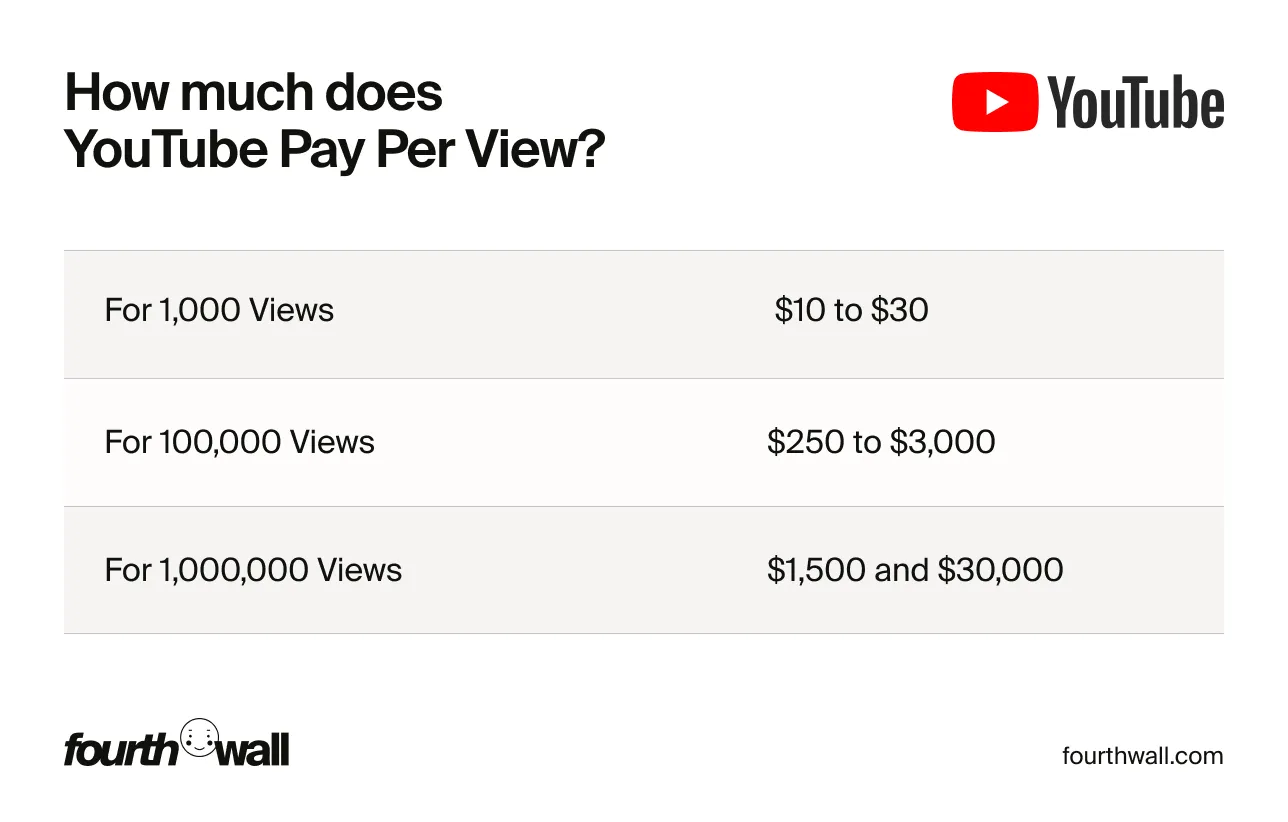
- CPM (Cost Per Mille): The cost for 1,000 impressions. Depending on the niche (Finance and Tech usually being the most expensive), a business might pay anywhere from $4 to $20 per 1,000 views.
- CPV (Cost Per View): A business typically pays when a viewer watches 30 seconds of an ad or interacts with it. Average CPVs range from $0.010 to $0.030.
Strategic Budgeting for Brand Awareness vs. Conversion
For a business, the financial decision to invest in YouTube ads depends on the Life Time Value (LTV) of a customer. If a financial tool company pays $2.00 in ad spend to acquire a lead that eventually generates $500 in revenue, the “cost” of YouTube is negligible compared to the massive ROI. Conversely, for low-margin products, the cost of YouTube advertising can quickly become prohibitive if the creative strategy is not optimized for high conversion rates.
5. The Financial Future: Is YouTube a Sound Investment?
As we look toward the future, the “value” of YouTube continues to shift. The platform is increasingly positioning itself as a hub for e-commerce integration, allowing creators to sell products directly through videos.
The Shift Toward “Social Commerce”
The integration of Shopify and other retail tools directly into the YouTube interface suggests that the platform’s next financial frontier is transaction-based revenue. This will change the answer to “how much is YouTube” for brands; it will no longer just be an advertising expense, but a storefront. The financial barrier to entry for retail brands is lowering as the platform becomes a vertically integrated sales funnel.
Diversification of Income Streams
For the individual, the financial landscape of YouTube is becoming more secure. Relying solely on “AdSense” is a risky business model. Today, the most successful YouTube “businesses” diversify into:
- Sponsorships: Often paying 2x to 5x what AdSense provides.
- Digital Products: Courses, eBooks, and software.
- Affiliate Marketing: Earning commissions on recommended tools.
By diversifying, creators can mitigate the financial risks associated with “algorithm volatility,” turning a volatile side hustle into a stable, high-cash-flow business.
Conclusion
How much is YouTube? If you are a consumer, it is $13.99 a month for a premium experience or $72.99 for a cable replacement. If you are an investor, it is a $400 billion pillar of the digital economy. If you are a creator, it is an initial investment of a few thousand dollars and a significant amount of “sweat equity” with the potential for uncapped financial upside.
In the modern financial landscape, YouTube is more than a video site; it is a global marketplace, a massive advertising engine, and a launchpad for the next generation of digital entrepreneurs. Understanding its costs and its value is essential for anyone looking to navigate the 21st-century economy.
aViewFromTheCave is a participant in the Amazon Services LLC Associates Program, an affiliate advertising program designed to provide a means for sites to earn advertising fees by advertising and linking to Amazon.com. Amazon, the Amazon logo, AmazonSupply, and the AmazonSupply logo are trademarks of Amazon.com, Inc. or its affiliates. As an Amazon Associate we earn affiliate commissions from qualifying purchases.