
The pulse of the housing market beats to the rhythm of mortgage rates. These dynamic figures are more than just numbers; they are powerful determinants of affordability, housing demand, and the overall economic landscape. For anyone looking to buy a home, refinance an existing mortgage, or simply understand the broader economic currents, knowing “what are mortgage rates doing today” is not merely a matter of curiosity, but a critical component of informed financial decision-making.
Unlike fixed interest rates on a savings account, mortgage rates are in a constant state of flux, influenced by a complex interplay of global economic trends, domestic monetary policy, and market sentiment. A slight shift can translate into hundreds or even thousands of dollars difference in monthly payments over the life of a loan, making their daily movements a key focus for millions. Today, as ever, these rates are responding to a mosaic of factors, signaling potential shifts that could reshape the strategies of homebuyers and homeowners alike. Understanding these underlying forces and their current trajectory is the first step toward navigating one of life’s most significant financial commitments with confidence and foresight.
Understanding the Forces Behind Mortgage Rate Fluctuations
Mortgage rates do not operate in a vacuum; they are a direct reflection of broader economic conditions and financial market dynamics. While many might assume a direct correlation with the Federal Reserve’s actions, the reality is a nuanced interplay of various powerful forces, each contributing to the daily, weekly, and monthly changes borrowers observe. Grasping these influences is key to deciphering current trends and anticipating future movements.
The Federal Reserve’s Influence and Monetary Policy
The Federal Reserve plays a pivotal role in the U.S. financial system, and while it doesn’t directly set mortgage rates, its monetary policy decisions exert significant indirect influence. The Fed’s primary tool is the federal funds rate, which is the target rate for overnight borrowing between banks. Changes to this rate impact the cost of money for banks, which can then ripple through to other lending products. However, mortgage rates are more closely tied to longer-term interest rates, particularly those of the 10-year Treasury yield, rather than the short-term federal funds rate.
Beyond the federal funds rate, the Fed’s stance on quantitative easing (QE) or quantitative tightening (QT) also matters. During QE, the Fed buys government bonds and mortgage-backed securities (MBSs) to inject liquidity into the market, which tends to lower long-term rates, including mortgage rates. Conversely, QT involves reducing the Fed’s balance sheet, which can put upward pressure on rates. The Fed’s dual mandate of maximizing employment and maintaining stable prices (i.e., controlling inflation) guides its policy decisions. When inflation is high, the Fed is more likely to pursue tighter monetary policy, which generally pushes mortgage rates higher. When economic growth slows or unemployment rises, a more accommodative stance might be adopted, potentially leading to lower rates.
Economic Indicators and Market Sentiment
Financial markets are highly reactive to economic data, and mortgage rates are no exception. Key economic indicators provide insights into the health and direction of the economy, shaping market sentiment and, consequently, bond yields and mortgage rates. Inflation reports, such as the Consumer Price Index (CPI) and the Personal Consumption Expenditures (PCE) index, are perhaps the most closely watched. Higher-than-expected inflation figures often signal to the market that the Fed might need to tighten monetary policy further, leading to an immediate rise in mortgage rates.
Employment data, including the monthly jobs report (Non-Farm Payrolls), unemployment rate, and jobless claims, also heavily influence market sentiment. A robust job market with strong wage growth can be inflationary, potentially pushing rates up. Conversely, signs of a weakening labor market might prompt expectations of easier monetary policy, which could bring rates down. Gross Domestic Product (GDP) growth, consumer confidence surveys, and retail sales figures further contribute to the economic picture. Beyond domestic indicators, global events – from geopolitical tensions to international economic shifts – can also create uncertainty and influence the risk appetite of investors, impacting demand for U.S. Treasury bonds and, by extension, mortgage rates.
The Bond Market: A Key Bellwether
Perhaps the most direct and immediate influence on mortgage rates comes from the bond market, particularly the yield on the 10-year Treasury note. Mortgage rates typically track the 10-year Treasury yield quite closely, albeit with a spread that accounts for credit risk and other factors. When demand for Treasury bonds is high, their prices rise, and their yields fall. Conversely, when demand is low, prices fall, and yields rise.
Investors consider government bonds relatively safe investments. When there’s economic uncertainty or a flight to safety, investors flock to bonds, driving yields down. When the economy is strong and there’s less perceived risk, investors might seek higher returns elsewhere, reducing demand for bonds and pushing yields up. Mortgage-backed securities (MBSs), which are bundles of mortgages that investors can buy, also play a crucial role. The pricing and demand for MBSs directly influence what lenders can offer borrowers. When MBS prices are high, yields are low, allowing lenders to offer lower mortgage rates. Understanding this intricate relationship between the bond market, economic indicators, and the Federal Reserve’s actions is fundamental to comprehending the daily fluctuations of mortgage rates.
Current Trends and Their Impact on Borrowers
The dynamic nature of mortgage rates means that understanding current trends is crucial for anyone engaging with the housing market. Today’s rates are a snapshot in time, but they reflect recent economic activity and market expectations, carrying significant implications for both prospective homebuyers and existing homeowners contemplating refinancing.
Analyzing Recent Rate Movements
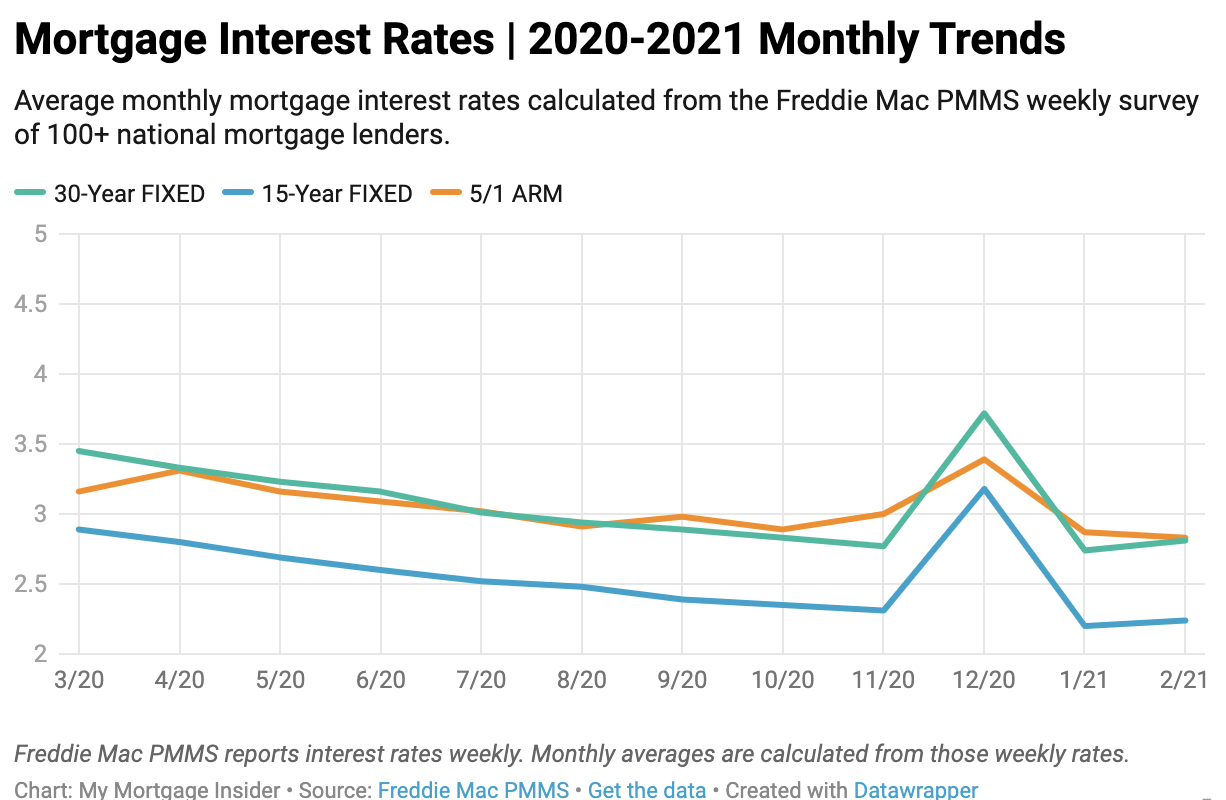
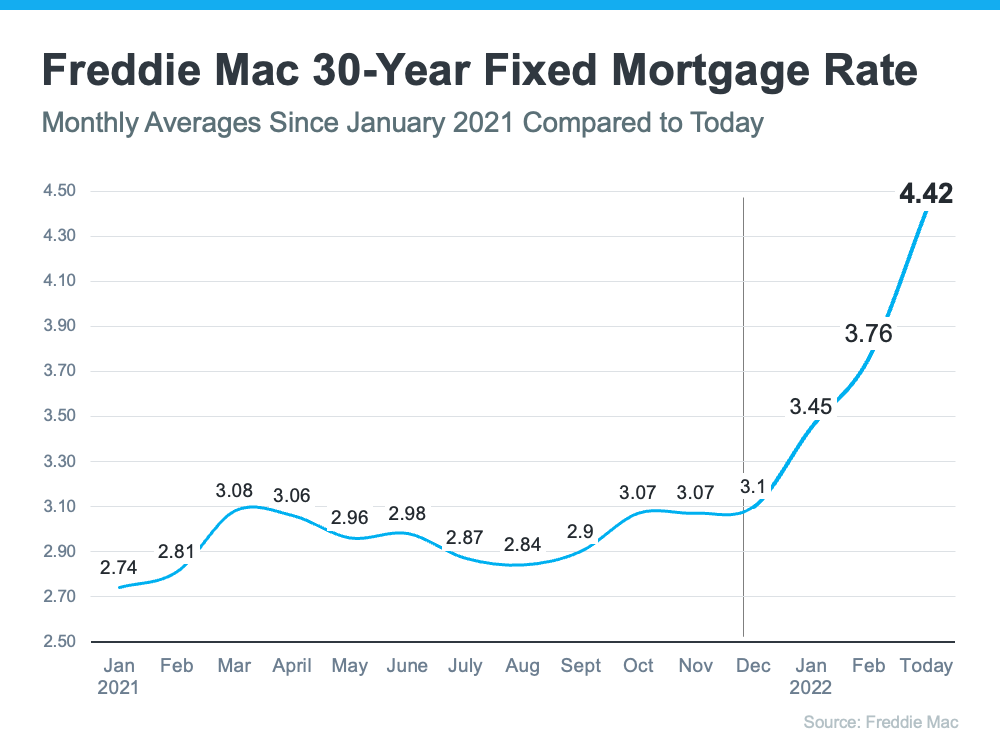
In recent periods, mortgage rates have largely been characterized by volatility, reflecting the ongoing battle against inflation and shifting expectations regarding global economic stability. Following a period of aggressive rate hikes by the Federal Reserve to combat persistent inflation, the market has entered a phase where any new economic data point – whether it’s an inflation report, jobs number, or GDP revision – can trigger noticeable shifts. We’ve seen periods where rates spiked in response to stronger-than-expected economic resilience, suggesting the Fed might keep rates higher for longer. Conversely, signs of economic cooling or disinflationary trends have occasionally offered glimpses of lower rates, providing some relief.
This environment means that borrowers are frequently facing a moving target. While rates may have generally moved within a certain range, daily and weekly fluctuations can still be substantial enough to impact affordability calculations. The recent trend indicates a market searching for equilibrium, where the trajectory of inflation, the strength of the labor market, and geopolitical stability continue to dictate the overall direction. Borrowers should expect continued sensitivity to incoming economic news, making flexibility and timely decision-making paramount.
Implications for Homebuyers
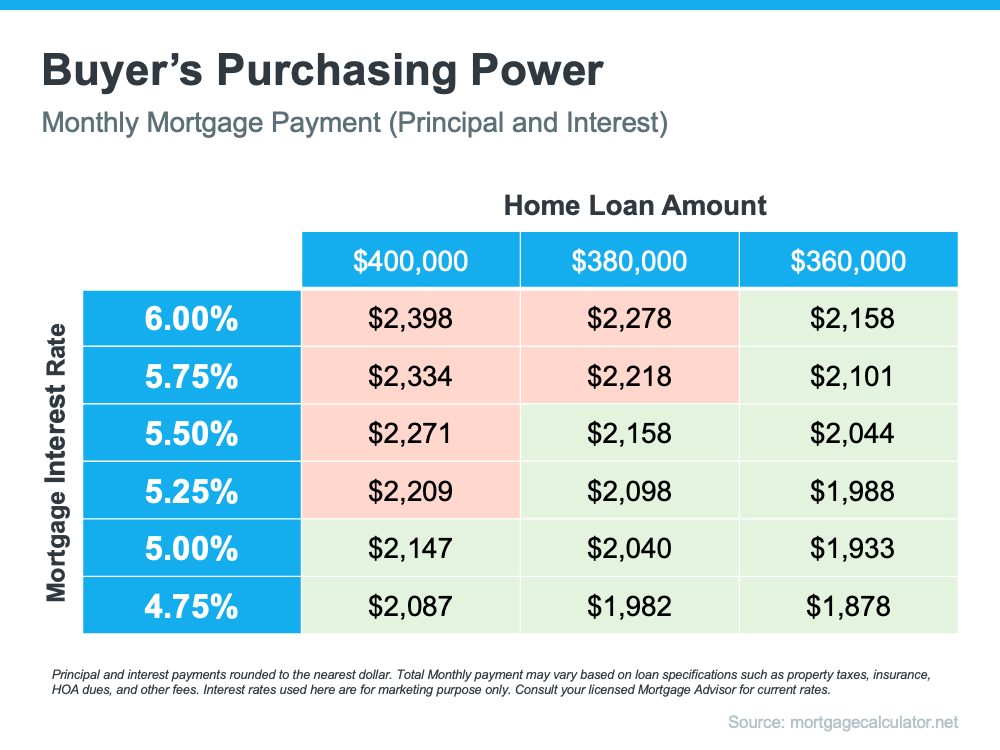
For prospective homebuyers, the current mortgage rate environment presents both challenges and opportunities. Elevated rates, relative to the historically low levels seen in previous years, directly translate into higher monthly mortgage payments for the same loan amount. This increase in carrying costs can significantly impact affordability, potentially pushing some buyers out of their desired price range or forcing them to reconsider their housing aspirations. It means that purchasing power is reduced, and buyers may need to look at smaller homes, different neighborhoods, or save a larger down payment to keep their monthly expenses manageable.
Furthermore, higher rates can contribute to a cooling effect on the housing market. While this might lead to some stabilization or even slight reductions in home prices in certain areas, the benefit of potentially lower prices can be offset by the increased cost of borrowing. First-time homebuyers, who often have tighter budgets, are particularly vulnerable to these affordability challenges. Buyers must carefully evaluate fixed-rate versus adjustable-rate mortgage (ARM) options. While fixed rates offer stability, ARMs might present lower initial payments but come with the risk of future payment increases, a gamble that requires careful consideration in a volatile rate environment.
Considerations for Existing Homeowners (Refinancing)
Existing homeowners also face important decisions in the current rate landscape, particularly regarding refinancing. For many who secured mortgages when rates were at historic lows, the current environment makes traditional “rate-and-term” refinancing – where the primary goal is to lower the interest rate – less attractive, if not unfeasible. Unless their current rate is significantly higher than today’s prevailing rates (perhaps due to poor credit at the time of original loan or an older, higher-rate mortgage), the financial incentive to refinance for a lower rate is diminished.
However, refinancing can still be a viable option for other purposes, such as a cash-out refinance. Homeowners who have built substantial equity might consider a cash-out refi to consolidate high-interest debt, fund home improvements, or cover other significant expenses. In such cases, the benefit of accessing equity at a potentially lower rate than other forms of debt (like personal loans or credit cards) might outweigh the fact that the new mortgage rate is higher than their original one. Another option for accessing equity without refinancing the entire mortgage is a Home Equity Line of Credit (HELOC) or a home equity loan. These products often have variable rates but can provide flexibility without disturbing a historically low primary mortgage rate. The decision to refinance or use home equity should always involve a thorough cost-benefit analysis, factoring in closing costs, the new interest rate, and personal financial goals.
Navigating the Mortgage Market: Strategies for Borrowers
In a dynamic and sometimes unpredictable mortgage market, equipping oneself with effective strategies is paramount for any borrower. Whether you’re a first-time homebuyer or an experienced homeowner, understanding how to approach the mortgage process can lead to significant financial advantages and peace of mind.
The Importance of Rate Shopping
One of the most critical steps a borrower can take is to actively shop around for the best mortgage rate. Many assume that rates are uniform across all lenders, but this is a costly misconception. Lenders, including large banks, credit unions, and independent mortgage brokers, have different overheads, risk assessments, and product offerings, leading to variations in the rates and fees they charge. Even a seemingly small difference of an eighth or a quarter of a percentage point can translate into tens of thousands of dollars over the life of a 30-year mortgage.
When rate shopping, it’s essential to compare not just the advertised interest rate but also the Annual Percentage Rate (APR). The APR provides a more comprehensive measure of the total cost of the loan, as it includes the interest rate plus certain upfront fees and costs. Requesting loan estimates from multiple lenders allows for a clear, side-by-side comparison. Your credit score plays a significant role in the rates you’ll be offered; the higher your score, the better your chances of securing the most competitive rates. It’s also important to understand that mortgage rate inquiries made within a short period (typically 14-45 days) are often grouped as a single credit inquiry by credit bureaus, minimizing the impact on your credit score.
Locking in Your Rate
Once you’ve found a competitive rate and are moving forward with a specific lender, the decision of when and whether to “lock in” your rate becomes crucial. A rate lock guarantees that the interest rate offered by the lender will not change between the time of the lock and the closing of your loan, even if market rates fluctuate. This provides certainty and protects you from potential rate increases during the underwriting process.
The timing of a rate lock depends on your confidence in current rates and your assessment of future market movements. If you believe rates are likely to rise, locking in sooner might be advantageous. Conversely, if you expect rates to fall, you might consider “floating” your rate until closer to closing. Most rate locks have a specified duration, typically 30, 45, or 60 days. Longer lock periods can sometimes come with a slightly higher cost or rate to compensate the lender for the increased risk. Some lenders also offer “float-down” options, which allow you to secure a lower rate if market rates drop significantly before your closing, usually for an additional fee. It’s vital to discuss all these options with your lender to make an informed decision that aligns with your risk tolerance and market outlook.
Preparing for a Mortgage Application
A smooth mortgage application process begins long before you even choose a lender. Thorough preparation can not only expedite the process but also improve your chances of securing favorable terms. The most significant factor is your credit score. Lenders rely heavily on credit scores to assess your creditworthiness. Therefore, it’s crucial to review your credit report for any errors and take steps to improve your score, such as paying down existing debts and making all payments on time, well in advance of applying.
Another key financial metric lenders evaluate is your debt-to-income (DTI) ratio, which compares your total monthly debt payments to your gross monthly income. A lower DTI ratio indicates you have more disposable income to cover mortgage payments and is generally viewed more favorably. Aim to reduce your outstanding debts and avoid taking on new ones during the mortgage application process. Finally, gather all necessary documentation early. This typically includes pay stubs, W-2 forms, tax returns, bank statements, and statements for any investment or retirement accounts. Having these documents organized and readily available will streamline the verification process and help prevent delays, allowing you to focus on the pivotal step of locking in the most advantageous mortgage rate for your financial future.
What the Future Might Hold for Mortgage Rates
Predicting the exact trajectory of mortgage rates is akin to predicting the weather weeks in advance – highly speculative. However, understanding the factors that will likely continue to influence them and considering expert perspectives can help borrowers mentally prepare for potential scenarios. The future of mortgage rates is intrinsically tied to the broader economic outlook, particularly the path of inflation and the policy decisions of central banks.
Expert Predictions and Forecasts
Economic forecasts for mortgage rates often present a range of possibilities rather than definitive numbers, reflecting the inherent uncertainties of the global economy. Many economists and housing analysts expect continued volatility, at least in the short to medium term. The primary driver of this outlook remains the ongoing efforts to bring inflation back to target levels. If inflation proves more stubborn than anticipated, the Federal Reserve might need to maintain a restrictive monetary policy stance for longer, potentially keeping mortgage rates elevated or even pushing them higher. Conversely, if inflation cools more rapidly and the economy shows signs of slowing significantly, there could be room for the Fed to ease its stance, which would likely lead to a gradual decline in mortgage rates.
Some experts foresee a slow and steady decline in rates over the coming year, assuming inflation continues its downward trend and the economy avoids a deep recession. Others caution that the “new normal” for mortgage rates might be structurally higher than the ultra-low rates experienced in the decade following the 2008 financial crisis, due to evolving global economic dynamics and supply chain shifts. Borrowers should consult a variety of reputable sources for forecasts, understanding that these are projections based on current information and subject to change.
Long-Term Outlook and Economic Health
Looking beyond short-term fluctuations, the long-term outlook for mortgage rates is fundamentally linked to global economic health, productivity growth, and long-term inflation expectations. If economies around the world achieve sustained, healthy growth without triggering runaway inflation, it could create an environment where rates stabilize at levels that are neither excessively high nor unsustainably low. Innovation and increased productivity could absorb some inflationary pressures, allowing for more moderate borrowing costs.
The interplay of fiscal and monetary policy will also be crucial. Government debt levels and spending policies can influence bond markets, thereby impacting mortgage rates. Furthermore, global geopolitical stability and trade relations can have profound effects on supply chains, commodity prices, and investor confidence, all of which trickle down to long-term interest rate trends. While short-term tactical decisions about locking a rate are important, understanding these deeper structural forces provides a more robust framework for long-term financial planning related to homeownership and investment. Borrowers should remain informed, adaptable, and prepared to adjust their strategies as the economic landscape evolves.
The question of “what are mortgage rates doing today” is never a static one. It’s a daily inquiry into a complex system driven by economic indicators, monetary policy, and market sentiment. For borrowers, this means staying informed, proactively shopping for the best terms, and strategically preparing for the application process. While predictions about future rates are inherently uncertain, a foundational understanding of the forces at play empowers individuals to navigate the mortgage market with greater confidence and make financially sound decisions for their housing future.
aViewFromTheCave is a participant in the Amazon Services LLC Associates Program, an affiliate advertising program designed to provide a means for sites to earn advertising fees by advertising and linking to Amazon.com. Amazon, the Amazon logo, AmazonSupply, and the AmazonSupply logo are trademarks of Amazon.com, Inc. or its affiliates. As an Amazon Associate we earn affiliate commissions from qualifying purchases.