
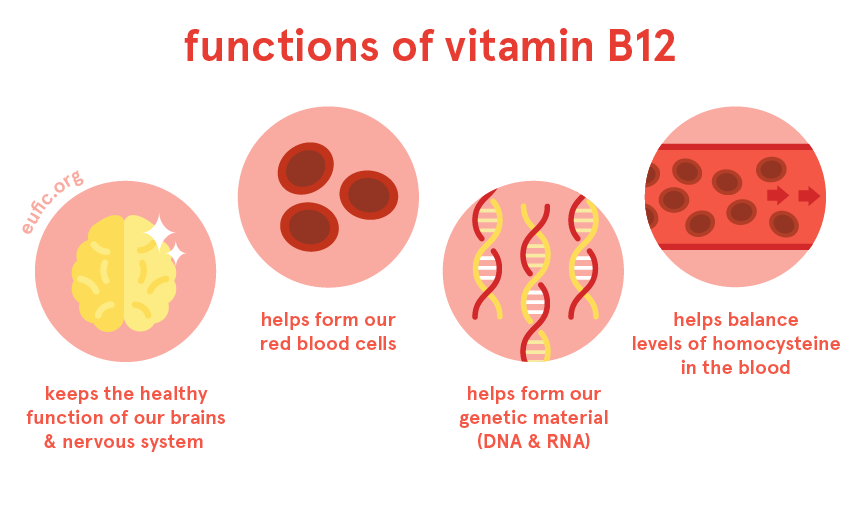
Vitamin B12, scientifically known as cobalamin, is an essential water-soluble vitamin that plays a crucial role in numerous physiological processes. From DNA synthesis and red blood cell formation to neurological function and energy metabolism, its importance to human health is undisputed. However, beyond its biochemical functions, Vitamin B12 carries a significant, often underestimated, financial and economic footprint. Understanding “what are B12” extends far beyond its molecular structure; it delves into a complex web of healthcare costs, market dynamics, investment opportunities, and personal financial implications that impact individuals, industries, and economies worldwide.

This article will explore the multifaceted financial dimensions of Vitamin B12, examining the economic burdens of deficiency, the burgeoning market for B12-related products, and the personal finance strategies crucial for managing health investments.
The Economic Footprint of B12 Deficiency
While often overlooked until symptoms manifest, Vitamin B12 deficiency is a global health concern with substantial economic repercussions. Its prevalence varies across populations, influenced by factors like diet, age, underlying health conditions, and medication use. The downstream effects of inadequate B12 levels extend from direct medical expenditures to indirect costs associated with reduced productivity and long-term care.
Healthcare Costs Associated with Diagnosis and Treatment
Diagnosing B12 deficiency typically involves blood tests, which, while relatively inexpensive individually, contribute to a larger economic burden when performed on a population scale. The true financial weight emerges from the treatment of deficiency and, more critically, the management of its wide-ranging complications. Untreated B12 deficiency can lead to severe and irreversible neurological damage, chronic fatigue, anemia, and cognitive impairments.
The costs associated with managing these conditions can be staggering. Neurological treatments, physical therapy, long-term care for severe cognitive decline, and ongoing medical supervision all represent significant expenditures for healthcare systems and individuals alike. For example, a person suffering from B12-related neuropathy might require multiple specialist consultations, expensive medications, and assistive devices, accumulating substantial bills over time. In countries with public healthcare, these costs are borne by taxpayers; in systems reliant on private insurance, premiums and out-of-pocket expenses skyrocket. Early diagnosis and intervention, though requiring an initial investment, often prove to be a financially prudent strategy, preventing far more costly downstream complications. The cost-effectiveness of preventative health screenings, including B12 level checks for at-risk groups, is increasingly being recognized as a vital component of sustainable healthcare economics.
Productivity Losses and Economic Impact on Workforce
The impact of B12 deficiency extends beyond direct medical costs into the realm of workforce productivity and national economies. Symptoms like chronic fatigue, weakness, and impaired cognitive function directly hinder an individual’s ability to perform effectively at work or even participate in the labor force. This translates into absenteeism, reduced output, and an overall decrease in economic contribution.
For businesses, a workforce affected by such deficiencies can mean lower efficiency, increased sick leave, and higher turnover rates due to health issues. A study might reveal that a significant percentage of employees experiencing unexplained fatigue or ‘brain fog’ are suffering from mild B12 insufficiency, unknowingly impacting their performance and the company’s bottom line. At a macro level, widespread B12 deficiency within a population can depress national productivity, strain social welfare systems, and impede economic growth. Investing in public health initiatives that promote awareness, improve dietary education, and facilitate access to screening and supplementation can yield significant economic returns by fostering a healthier, more productive populace.
The Burden of Chronic Conditions Linked to B12
Perhaps the most insidious financial burden of B12 deficiency lies in its potential to contribute to or exacerbate chronic conditions. The link between B12 and cardiovascular health, bone density, and mental health issues like depression and anxiety is an area of ongoing research. While B12 deficiency may not be the sole cause, its role as a contributing factor or a comorbidity can significantly increase the complexity and cost of managing these long-term illnesses.
Managing chronic conditions requires continuous medical attention, specialized medications, and potentially costly lifestyle adjustments over many years, often decades. The financial drain on individuals and healthcare systems from conditions like osteoporosis, heart disease, or severe depression, where B12 deficiency could be a contributing factor, is immense. This long-term financial burden underscores the economic imperative of addressing B12 status as part of holistic chronic disease prevention and management strategies. The initial investment in ensuring adequate B12 levels pales in comparison to the cumulative costs of managing complex, B12-related chronic health problems.
The B12 Supplement Market: An Investment Landscape
The growing awareness of B12’s importance and the prevalence of its deficiency have fueled a robust and expanding global market for B12 supplements and fortified foods. This segment of the nutraceutical industry presents significant investment opportunities and illustrates the substantial monetary value derived from addressing health needs.
Market Size and Growth Projections
The global Vitamin B12 market is a multi-billion dollar industry, characterized by steady growth driven by several key factors. An aging global population, which is more susceptible to B12 malabsorption; the rising adoption of plant-based diets, which often lack natural B12 sources; and increasing consumer awareness about preventive healthcare all contribute to this expansion. Market research reports consistently project continued growth, with compound annual growth rates (CAGRs) indicating a healthy outlook for the coming years.
This growth encompasses various product forms, including tablets, capsules, liquids, injections, and fortified foods and beverages. The market is also segmented by end-user (e.g., adults, children, pregnant women) and distribution channel (e.g., pharmacies, online stores, supermarkets). For investors, this diverse landscape offers multiple entry points and opportunities, from established supplement brands to innovative delivery systems. The sustained demand positions B12 as a stable and attractive segment within the broader health and wellness industry.
Key Players and Pharmaceutical Innovation
The B12 supplement market is home to both large pharmaceutical corporations and numerous specialized nutraceutical companies. Major players often have extensive research and development capabilities, allowing them to innovate in areas like improved bioavailability, novel formulations (e.g., sublingual sprays, extended-release tablets), and combination supplements addressing multiple deficiencies. These companies invest heavily in marketing and brand building to capture market share in a competitive environment.
Beyond supplements, pharmaceutical innovation also plays a role in the development of prescription B12 injections for severe deficiencies and specialized medical foods. The intellectual property surrounding these innovations, including patents for specific formulations or delivery methods, creates significant value and competitive advantage. For investors, understanding the landscape of these key players, their R&D pipelines, and their market penetration strategies is crucial for identifying promising investment targets. The drive for more effective, convenient, and patient-friendly B12 solutions continues to spur innovation and, consequently, economic activity.
Investment Opportunities in Biotech and Nutraceuticals
The B12 market isn’t just about selling pills; it’s a dynamic arena for investment in biotechnology and nutraceuticals. Biotech companies might focus on developing advanced diagnostic tools for early and accurate B12 deficiency detection, or even genetically engineered food sources that naturally produce higher levels of the vitamin. There are also opportunities in sustainable production methods for B12, often involving microbial fermentation processes, which can appeal to environmentally conscious investors.

Nutraceutical companies, on the other hand, focus on functional foods and beverages fortified with B12, tapping into the broader trend of consumers seeking health benefits from their diet. Investment in startups specializing in personalized nutrition, where B12 levels are monitored and tailored supplement recommendations are provided, also represents a growing niche. Furthermore, the rise of direct-to-consumer (DTC) models and e-commerce platforms has lowered barriers to entry for innovative smaller brands, creating diverse opportunities for venture capital and angel investors looking to capitalize on health-tech and wellness trends. The sustained importance of B12 ensures a fertile ground for both established firms and agile startups to thrive.
Personal Finance and B12: Managing Your Health Investment
For individuals, maintaining adequate B12 levels isn’t just a health imperative; it’s a critical component of personal financial planning. Proactive management of B12 status can significantly reduce future healthcare costs and safeguard long-term financial stability. Viewing B12 supplementation and dietary choices as an investment in one’s health empowers individuals to make fiscally sound decisions.
Budgeting for B12 Supplementation and Dietary Needs
Integrating B12-related expenses into a personal budget requires careful consideration. While B12 supplements are generally affordable, ranging from a few dollars to higher-end formulations, consistent, long-term use can add up. Individuals following vegan or vegetarian diets, for instance, must consciously budget for supplements or fortified foods, as natural B12 is primarily found in animal products. This involves understanding the various forms of B12 (e.g., cyanocobalamin, methylcobalamin) and their cost differences, as well as choosing reputable brands.
Beyond supplements, dietary choices also have financial implications. Incorporating B12-rich foods like lean meats, fish, dairy, and eggs can be a cost-effective way to meet requirements for omnivores. However, for those with specific dietary restrictions or malabsorption issues, regular supplementation becomes a non-negotiable budget item. Strategic shopping, bulk purchasing of supplements, and utilizing store loyalty programs can help mitigate these costs. Ultimately, allocating a consistent portion of one’s budget to essential nutrients like B12 is an investment that pays dividends in sustained health and reduced future medical expenses.
Health Insurance Coverage and Out-of-Pocket Expenses
The extent of health insurance coverage for B12-related services varies widely depending on the provider and policy. Routine B12 level testing may or may not be covered, particularly if it’s preventative rather than symptom-driven. Prescription B12 injections for clinically diagnosed deficiencies are generally covered, but co-pays and deductibles can still lead to significant out-of-pocket expenses. Over-the-counter supplements are almost never covered by insurance, placing the full financial responsibility on the individual.
Understanding one’s insurance policy—what it covers, what requires a physician’s referral, and what the annual deductibles and co-insurance rates are—is paramount. Individuals experiencing symptoms of B12 deficiency should consult their healthcare provider to ensure that any necessary diagnostic tests or treatments are medically justified and thus more likely to be covered. Proactive engagement with insurance providers can help individuals navigate the financial complexities and minimize unexpected costs, turning potential large medical bills into manageable expenses.
Long-Term Financial Planning for Health Maintenance
Integrating B12 management into long-term financial planning is a savvy strategy for ensuring sustained well-being and mitigating future financial risks. Just as one plans for retirement or education, planning for health maintenance, including essential nutrients, is vital. This involves setting aside funds for regular health check-ups, potential supplement costs, and any unforeseen health challenges.
A healthy individual, free from B12-related complications, is more likely to maintain steady employment, avoid costly medical interventions, and enjoy a higher quality of life into retirement. This translates into greater earning potential, lower healthcare expenditures in later life, and the ability to pursue personal interests without the burden of debilitating health issues. Conversely, neglecting B12 status and allowing deficiency to progress can lead to chronic conditions that erode savings, impact financial independence, and necessitate costly long-term care. Prioritizing B12 as part of a holistic financial plan is an investment in future self-sufficiency and peace of mind.
Entrepreneurial Ventures and Online Income in the B12 Space
The robust and expanding B12 market also provides fertile ground for entrepreneurial endeavors and opportunities for online income generation. The digital age has democratized access to markets, allowing individuals and small businesses to capitalize on the sustained demand for B12-related products and information.
E-commerce and Direct-to-Consumer Models
The rise of e-commerce platforms has made it easier than ever for entrepreneurs to launch their own B12 supplement brands or distribution channels. Direct-to-consumer (DTC) models eliminate middlemen, allowing businesses to offer competitive pricing, control their brand message, and build direct relationships with customers. From crafting unique formulations (e.g., vegan-friendly B12 sprays) to specializing in specific B12 delivery methods, the online space allows for niche targeting and agile product development.
Successful e-commerce ventures in this space often leverage digital marketing strategies, including social media advertising, search engine optimization (SEO), and influencer collaborations, to reach their target audience. The relatively low overheads compared to traditional brick-and-mortar retail make this an attractive avenue for aspiring business owners. Furthermore, subscription models for recurring supplement purchases provide stable revenue streams, enhancing the financial viability of these ventures.
Content Creation, Affiliate Marketing, and Health Coaching
Beyond direct product sales, the demand for information about B12 has created numerous opportunities for content creators and health educators to generate online income. Bloggers, YouTubers, and podcasters who provide well-researched and engaging content about B12 deficiency, symptoms, benefits, and supplementation can monetize their platforms through advertising, sponsored content, and affiliate marketing.
Affiliate marketing, in particular, is a popular strategy where content creators earn commissions by promoting B12 supplements or related health products from other companies. This performance-based model allows individuals to leverage their expertise and audience trust without needing to develop their own product lines. Similarly, certified health coaches or nutritionists can offer online consultations, courses, or personalized meal plans that incorporate B12 guidance, turning their professional knowledge into a valuable online service. The educational component of the B12 space presents a strong revenue stream for those adept at disseminating accurate health information.
Innovating B12 Delivery and Diagnostic Solutions
The entrepreneurial spirit also drives innovation in B12 delivery and diagnostics. Startups are exploring novel ways to administer B12, such as transdermal patches for continuous release, or advanced oral formulations designed for enhanced absorption in individuals with malabsorption issues. These innovations aim to improve patient compliance, efficacy, and convenience, creating new market segments and significant commercial value.
On the diagnostic front, there’s a growing need for more accessible, rapid, and accurate testing methods that can be used outside of traditional clinical settings. Companies developing at-home B12 test kits, or integrating B12 monitoring into wearable health tech devices, are tapping into a burgeoning market for personalized health management. These ventures attract investment for their potential to revolutionize how B12 deficiency is detected and managed, representing high-growth opportunities for both founders and investors.
Conclusion
The question “what are B12” unveils a story far richer than mere biochemistry. It reveals a powerful narrative of economic impact, market opportunity, and personal financial stewardship. From the multi-billion dollar costs associated with deficiency-related illnesses and lost productivity to the vibrant growth of the B12 supplement market, its financial significance is undeniable. Individuals are increasingly recognizing B12 management as a crucial component of long-term financial planning, budgeting for supplements, navigating insurance, and safeguarding future health and economic stability. Simultaneously, entrepreneurs are finding fertile ground in developing innovative products, educational content, and services within the B12 space, transforming health needs into lucrative online income streams and successful ventures. Understanding B12, therefore, is not merely about health; it’s about comprehending a critical facet of our global economy and personal financial well-being.
aViewFromTheCave is a participant in the Amazon Services LLC Associates Program, an affiliate advertising program designed to provide a means for sites to earn advertising fees by advertising and linking to Amazon.com. Amazon, the Amazon logo, AmazonSupply, and the AmazonSupply logo are trademarks of Amazon.com, Inc. or its affiliates. As an Amazon Associate we earn affiliate commissions from qualifying purchases.