
In a world saturated with choices and fleeting attention spans, a brand is far more than just a name or a logo. It is a promise, an experience, and a relationship. For businesses striving to carve out a distinctive presence, the journey begins not with creative flair, but with deep, introspective questioning. The timeless interrogatives – “where,” “why,” “what,” and “when” – form the bedrock of strategic branding, guiding organizations through the complexities of identity, purpose, market positioning, and timing. By rigorously addressing these fundamental inquiries, brands can build a resilient foundation, cultivate authentic connections, and achieve sustained relevance in an ever-evolving landscape.
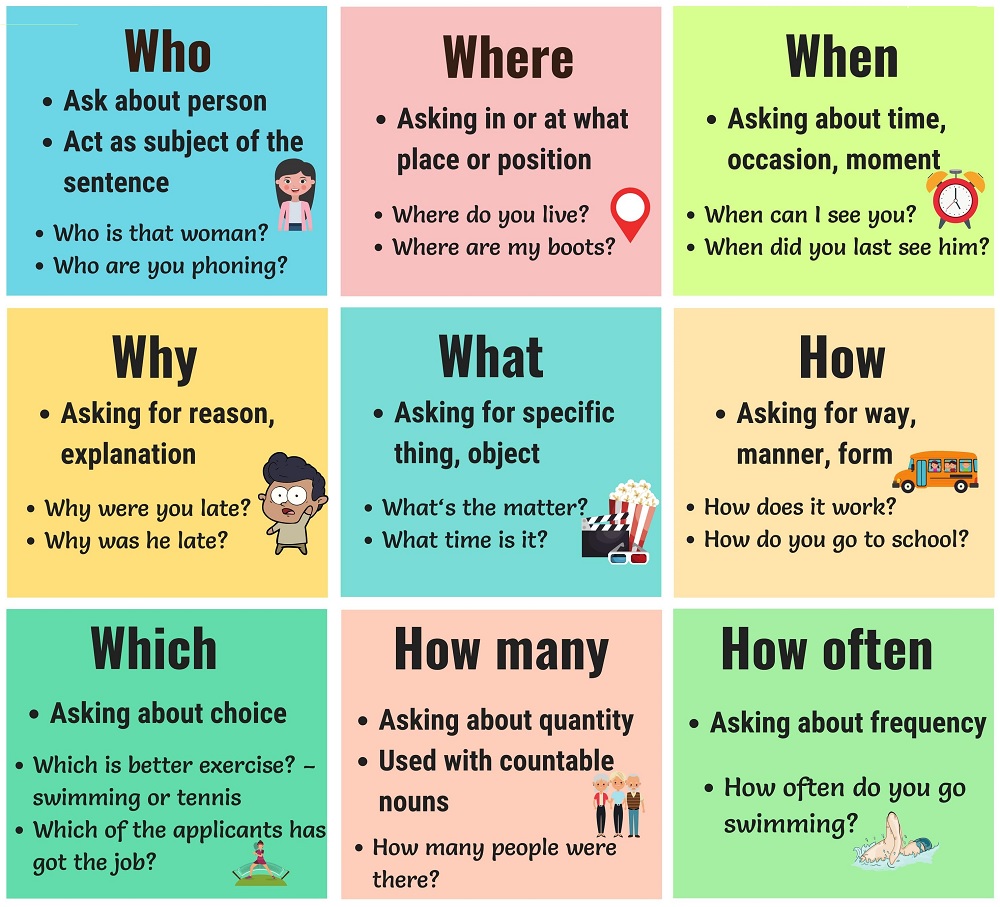
This article delves into how these four simple words unlock profound insights, enabling brands to move beyond superficial aesthetics and into the realm of meaningful impact. We will explore how a disciplined approach to “what” defines identity, “why” articulates purpose, “where” maps market presence, and “when” dictates strategic evolution.
What is Your Brand, Really? Defining the Core Identity
Before a brand can communicate, influence, or grow, it must first understand itself. The question “what is your brand?” pushes beyond surface-level attributes to uncover the very essence of its existence. It’s about defining the intrinsic qualities, values, and promises that differentiate it from every other entity in the market.
Beyond the Logo: The Essence of Identity
Many mistakenly believe a brand begins and ends with its visual elements – a striking logo, a memorable color palette, or a catchy slogan. While these components are crucial for recognition, they are merely expressions of a deeper identity. The true “what” of a brand lies in its core mission, vision, and values.
- Mission: What problem does your brand solve? What purpose does it serve for its customers, employees, and stakeholders? A well-defined mission statement acts as the brand’s North Star, articulating its fundamental reason for being. For Patagonia, it’s not just selling outdoor gear, but also “building the best product, causing no unnecessary harm, using business to inspire and implement solutions to the environmental crisis.” This clarity informs every product decision, marketing campaign, and corporate policy.
- Vision: What future does your brand aspire to create? Where does it see itself in five, ten, or even fifty years? A compelling vision inspires both internal teams and external audiences, painting a picture of the impact the brand aims to achieve. It provides a long-term direction, ensuring that short-term tactics align with overarching ambitions.
- Values: What principles guide your brand’s actions and decisions? These are the non-negotiable beliefs that dictate how a brand operates, how it treats its employees, and how it interacts with its customers and community. Values like integrity, innovation, customer-centricity, or sustainability are not just buzzwords; they are the behavioral anchors that define a brand’s character and build trust over time.
By meticulously answering these questions, a brand develops a robust internal identity that serves as the blueprint for all external communications and experiences. Without this intrinsic understanding, any branding effort risks being superficial, inconsistent, and ultimately unconvincing.
The Promise and the Perception: Crafting Your Message
Once the internal identity is clear, the next “what” involves translating that essence into a clear, compelling brand promise and managing its perception.
- Brand Promise: What specific benefits or experiences does your brand guarantee to its customers? This is the core commitment that customers expect to receive every time they interact with your brand. It’s not just about features, but about the tangible and intangible value delivered. For example, Volvo’s brand promise is deeply rooted in safety, while Apple’s promise revolves around intuitive design and seamless user experience. Crafting an authentic promise requires understanding customer needs and ensuring that the brand can consistently deliver on that expectation.
- Brand Perception: How do target audiences actually view your brand? Perception is the sum total of all experiences and associations people have with your brand, whether direct or indirect. It’s often shaped by marketing messages, customer service, product quality, and even word-of-mouth. Discrepancies between the intended brand promise and actual brand perception can be detrimental. Regularly auditing brand perception through market research, customer feedback, and sentiment analysis is vital to ensure that the brand is communicating effectively and living up to its promise.
Defining “what” your brand is, from its deepest values to its outward promise, is the critical first step towards building a coherent and impactful brand narrative.
Why Does Your Brand Matter? Uncovering Purpose and Value
Understanding “why” a brand exists, beyond merely generating profit, is increasingly crucial in today’s conscientious marketplace. Consumers are not just buying products or services; they are buying into ideologies, supporting causes, and aligning with brands that reflect their own values. The “why” question delves into the brand’s ultimate purpose and its unique contribution to the world.
The Emotional Connection: Why Consumers Choose You
In a crowded market, functionality alone is rarely enough to secure lasting customer loyalty. The “why” question probes the deeper motivations behind consumer choices, exploring how a brand creates an emotional resonance that transcends transactional interactions.
- Solving Real Problems: At its most fundamental, a brand matters because it solves a problem or fulfills a need. But beyond the functional solution, why is your solution better or more appealing? Is it the ease of use, the innovative approach, the reliability, or the exceptional customer support? Understanding the specific pain points your brand addresses and why your approach resonates with your target audience is paramount.
- Building Emotional Bridges: Successful brands tap into human emotions – aspiration, belonging, security, joy, or purpose. Why does a customer feel a connection to your brand over another? Is it because your brand embodies a lifestyle they desire (e.g., Nike’s inspiration for athletes), provides comfort and nostalgia (e.g., Coca-Cola), or empowers them to achieve something meaningful (e.g., Google’s access to information)? Brands that articulate their “why” effectively can forge powerful emotional bonds, turning customers into advocates. This emotional resonance is often rooted in shared values and a sense of collective identity.
Differentiation and Competitive Advantage: Why Stand Out?
The “why” also illuminates a brand’s competitive landscape, forcing an examination of what truly makes it distinct and valuable in a sea of alternatives. Why should anyone choose your brand over a competitor?
- Unique Value Proposition (UVP): This is the core reason why a customer should buy from you instead of someone else. Your UVP articulates why your brand matters more, offers a better solution, or delivers a superior experience. It could be superior quality, lower price, unparalleled customer service, cutting-edge innovation, or a powerful social mission. Clearly articulating this “why” allows a brand to carve out its niche and attract customers who specifically value what it offers.
- Sustainable Advantage: Beyond short-term differentiation, a brand must understand why its unique position can be maintained over time. Is it proprietary technology, a strong community, an unassailable reputation, or deep intellectual property? Sustainable competitive advantage ensures that the brand’s “why” remains relevant and defensible against new entrants and evolving market dynamics. It’s about establishing barriers to entry and continuously innovating to stay ahead.
A compelling “why” transforms a product or service into a brand with meaning, inspiring loyalty, fostering differentiation, and creating a lasting impact that extends far beyond quarterly earnings.
Where Does Your Brand Reside? Mapping Your Market and Presence
Once a brand knows what it is and why it matters, the next crucial step is to determine “where” it exists in the marketplace, both physically and psychologically. This involves understanding the target audience, the competitive environment, and the channels through which the brand will connect with its consumers.
The Digital and Physical Footprint: Where to Find Your Audience
In an increasingly omnichannel world, a brand’s presence is multifaceted. The “where” question prompts a strategic assessment of the various touchpoints where the brand interacts with its audience.
- Target Audience Identification: Where are your ideal customers? What demographics, psychographics, and behaviors define them? Are they Gen Z digital natives, affluent suburban families, or small business owners in specific industries? Understanding who your audience is directly informs where you need to be to reach them effectively. This involves detailed market research, audience segmentation, and developing buyer personas.
- Channel Strategy: Where should your brand be present to engage with its audience? This involves a strategic decision regarding digital platforms (social media, website, SEO, email marketing, apps), physical locations (retail stores, pop-ups, events), and traditional media (TV, radio, print). A modern brand’s footprint is often a blend, leveraging the strengths of each channel. For instance, a luxury fashion brand might prioritize curated physical retail experiences alongside aspirational Instagram content, while a SaaS company might focus on LinkedIn for B2B engagement and targeted digital ads. The key is to be present where your audience naturally congregates and consumes information, ensuring consistency in brand messaging across all touchpoints.
Market Positioning and Landscape: Where Do You Stand?
Beyond simply reaching customers, “where” also refers to a brand’s position within the broader competitive landscape and its geographic reach.
- Competitive Landscape: Where does your brand stand relative to its competitors? Are you a market leader, a challenger, or a niche player? This involves mapping out direct and indirect competitors, analyzing their strengths, weaknesses, and market share. Understanding “where” you fit helps in identifying white spaces, potential threats, and opportunities for differentiation. For example, if you’re a new coffee shop entering a market dominated by Starbucks, your “where” might be positioned as a local, artisanal alternative, emphasizing community and unique blends.
- Geographic and Cultural Context: Where does your brand operate, and how does that influence its identity and messaging? A brand’s “where” can be local, national, or global. Each geographic context brings unique cultural nuances, regulatory frameworks, and consumer preferences. A brand expanding internationally must consider how its identity translates across different cultures, adapting its messaging, visuals, and even product offerings to resonate with local audiences while maintaining its core essence. This localization ensures that the brand feels relevant and authentic wherever it establishes a presence.
By meticulously mapping its “where,” a brand can strategically allocate resources, optimize its communication channels, and refine its positioning to achieve maximum impact within its chosen markets.
When Should Your Brand Act? Timing, Trends, and Evolution
The final interrogative, “when,” introduces the critical dimension of time into brand strategy. It’s not enough to know what your brand is, why it matters, and where it resides; a truly strategic brand must also understand the optimal timing for its actions, be it a launch, a rebrand, or an evolutionary shift.
Seizing Opportunities: When to Launch, Rebrand, or Pivot
Timing is paramount in the success or failure of branding initiatives. The “when” guides decisions on critical strategic moves.
- Launch Timing: When is the opportune moment to introduce a new product, service, or an entirely new brand to the market? This involves assessing market readiness, consumer demand, competitive activity, and technological advancements. Launching too early might mean an underdeveloped product or an unprepared market; launching too late could mean missed opportunities or being outmaneuvered by competitors. For example, Apple’s product launches are meticulously timed to build anticipation and capitalize on peak consumer interest.
- Rebrand Timing: When is it time for a brand to refresh or completely overhaul its identity? A rebrand might be necessary due to a shift in business strategy, outdated perception, negative publicity, market saturation, or a merger/acquisition. Deciding “when” to rebrand requires careful consideration of potential disruption, cost, and the risk of alienating existing customers versus the reward of renewed relevance and appeal. A successful rebrand often aligns with significant company milestones or market shifts, signaling a new chapter.
- Pivot Timing: When should a brand fundamentally change its direction or business model? A strategic pivot is often a response to significant market shifts, technological disruptions, or a realization that the current path is unsustainable. This “when” demands agility, foresight, and the courage to adapt. Instagram, for instance, pivoted from a location-based check-in app (Burbn) to a photo-sharing platform, recognizing the greater market potential and user engagement in the latter.
Sustaining Relevance: When to Evolve and Innovate
Beyond major strategic shifts, “when” also speaks to the ongoing imperative for a brand to evolve, innovate, and adapt to maintain its relevance over time. The market is dynamic, and consumer expectations are constantly shifting.
- Responding to Trends: When should a brand incorporate new trends – be they technological, social, or cultural – into its strategy? This doesn’t mean chasing every fleeting fad, but strategically adopting relevant trends that align with the brand’s identity and resonate with its audience. For example, understanding “when” to embrace sustainable practices or integrate AI into customer service can significantly enhance a brand’s perceived value and modernity.
- Continuous Innovation and Iteration: When should a brand innovate its products, services, or communication methods? The answer is often “continuously.” Brands that remain stagnant risk becoming obsolete. This involves regular market scanning, customer feedback loops, and a culture of experimentation. “When” to release a new feature, update an app, or refresh a marketing campaign is an ongoing decision-making process driven by the desire to stay competitive and valuable. It’s about being proactive rather than reactive, predicting future needs, and setting new benchmarks.
- Crisis Management and Reputation: When does a brand need to respond to a crisis or manage its reputation? This “when” is often unpredictable but demands immediate, transparent, and empathetic action. The timeliness and manner of a brand’s response during challenging times can significantly impact its long-term trust and perception.
By meticulously considering the “when” of its actions, a brand can navigate the complexities of market dynamics, capitalize on opportunities, mitigate risks, and ensure its continued growth and relevance.

Conclusion
The power of “where, why, what, when” in strategic branding cannot be overstated. These four simple interrogatives collectively form a comprehensive framework that guides brands from initial conception to sustained market leadership. “What” defines the brand’s intrinsic identity and promise; “why” articulates its purpose and fosters emotional connections; “where” maps its presence within the competitive and audience landscape; and “when” dictates the strategic timing of its actions and evolution.
Successful brands are not built on guesswork or fleeting trends; they are built on profound self-awareness, clear purpose, strategic placement, and impeccable timing. By consistently and rigorously addressing “where, why, what, when,” businesses can move beyond superficial branding to create authentic, resilient, and impactful entities that resonate deeply with their audiences and endure the test of time. This continuous inquiry ensures that a brand remains agile, relevant, and deeply connected to its core mission and its community.
aViewFromTheCave is a participant in the Amazon Services LLC Associates Program, an affiliate advertising program designed to provide a means for sites to earn advertising fees by advertising and linking to Amazon.com. Amazon, the Amazon logo, AmazonSupply, and the AmazonSupply logo are trademarks of Amazon.com, Inc. or its affiliates. As an Amazon Associate we earn affiliate commissions from qualifying purchases.