
In the dynamic and often tumultuous landscape of modern commerce, where countless brands vie for attention and loyalty, the pursuit of distinction is paramount. Yet, many organizations leap into marketing tactics without first laying a robust strategic foundation. The seemingly simple interrogatives – “where,” “what,” “why,” and “when” – serve not merely as questions but as the cardinal directions on the compass of brand strategy. These four pillars, when thoroughly explored and meticulously answered, construct the framework for a brand that is not only visible but also resonant, authentic, and enduring. This article delves into how addressing these fundamental inquiries provides clarity, purpose, and strategic foresight, enabling brands to carve out a meaningful existence and foster deep connections with their audience.
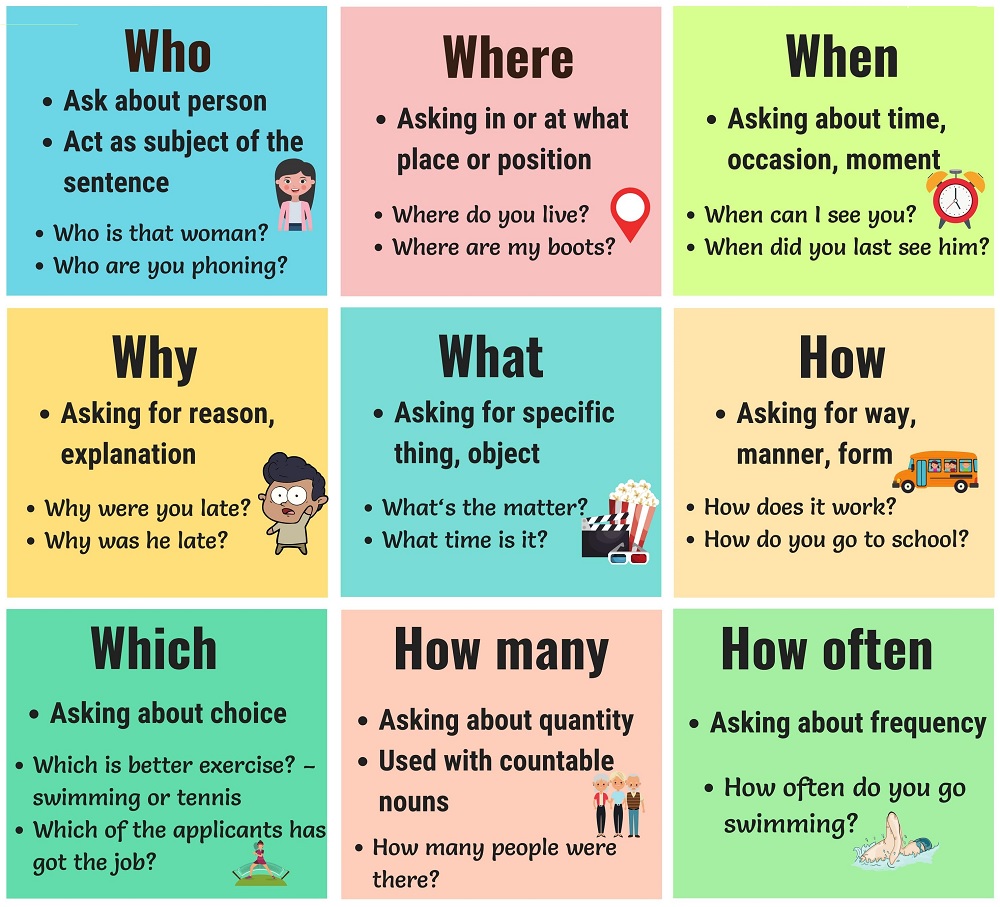
Where: Defining Your Brand’s Universe and Strategic Positioning
The “where” of brand strategy is about understanding the environment your brand inhabits, both physically and conceptually. It requires a meticulous assessment of the market, the competitive landscape, and the precise location within that landscape where your brand aims to plant its flag. This foundational analysis dictates everything from product development to communication channels and ultimately, market perception. Without a clear understanding of your brand’s universe, efforts risk being misdirected, diluted, or entirely lost in the vastness of the market.
Market Positioning & Competitive Landscape
To establish where your brand belongs, you must first understand the terrain. This involves a comprehensive analysis of the broader market trends, identifying emerging opportunities, and recognizing potential threats. More critically, it demands a deep dive into the competitive landscape. Who are your direct and indirect competitors? What are their strengths and weaknesses? How are they positioned in the minds of consumers? By mapping out the competitive arena, a brand can identify white space – underserved segments or unique value propositions – that allow it to differentiate rather than merely compete on price or features. Strategic positioning isn’t just about being different; it’s about being meaningfully different to a specific audience, thereby carving out a defensible and profitable niche. This involves defining your brand’s unique value proposition (UVP) and clearly articulating how it solves a problem or fulfills a need better than any other option available.
Target Audience & Consumer Touchpoints
The “where” also extends to your audience: where do they reside, both demographically and psychographically? Understanding your target audience is not merely about age, gender, or income; it’s about delving into their aspirations, pain points, values, and behaviors. Where do they spend their time, both online and offline? What influences their decisions? Once these insights are gathered, brands can strategically identify the most impactful consumer touchpoints – the myriad instances where an audience interacts with or perceives the brand. This could range from social media platforms and digital advertisements to physical retail spaces, customer service interactions, and word-of-mouth referrals. The aim is to strategically place the brand at these critical junctures, ensuring its message resonates effectively and consistently across all points of contact, thereby optimizing the user journey and fostering engagement.
Digital & Physical Presence
In today’s omnichannel world, “where” your brand exists encompasses both its digital and physical manifestations. A robust digital presence is non-negotiable, spanning a well-optimized website, active social media profiles, and potentially e-commerce platforms, apps, and digital communities. Each digital space serves a unique purpose, from information dissemination to direct sales and community building, and must be aligned with the overall brand strategy. Simultaneously, for many brands, a physical presence remains vital – be it through retail stores, pop-up experiences, event sponsorships, or product packaging on store shelves. The challenge lies in ensuring a seamless and cohesive brand experience across all these diverse locations. The consistency of messaging, visual identity, and brand personality across both digital and physical realms reinforces brand recognition and builds a unified, trustworthy perception.
What: The Essence of Your Brand Identity and Value Proposition
Once the “where” is established, the next critical step is to define “what” your brand truly is. This delves into the core identity, encompassing everything from its foundational values to the tangible products or services it offers. The “what” is the substance, the very definition of the brand, and it must be clear, compelling, and consistently communicated to resonate with the target audience. Without a well-defined “what,” a brand risks appearing ambiguous, undifferentiated, or even inauthentic, struggling to convey its unique contribution to the market.
Core Values & Brand Personality
At the heart of any strong brand is a set of deeply held core values that guide its actions, decisions, and interactions. These values are not mere buzzwords; they are the non-negotiable principles that define the brand’s ethical compass and operational philosophy. For instance, a brand might prioritize innovation, sustainability, customer-centricity, or transparency. These values, in turn, inform the brand’s personality – the human-like traits and characteristics it projects. Is the brand seen as adventurous, reliable, sophisticated, witty, or nurturing? A well-articulated brand personality creates an emotional connection, making the brand more relatable and memorable. It helps to attract customers who share similar values and resonate with the brand’s character, fostering a sense of community and belonging.
Products, Services, & Value Proposition
The “what” also directly refers to the tangible offerings of the brand: its products or services. However, it’s not enough to simply list features. A truly effective brand communicates its unique value proposition (UVP) – what specific benefit or solution it provides that no other competitor can match, or at least not as effectively. This requires a deep understanding of customer needs and how the brand’s offerings uniquely address them. Is it superior quality, unparalleled convenience, innovative technology, exceptional customer service, or affordability? The UVP must be clear, concise, and compelling, articulating precisely why a customer should choose this brand over alternatives. This clarity in “what” you offer and “what” unique value it brings is fundamental to attracting and retaining customers, forming the basis of all subsequent marketing and sales efforts.
Visual & Verbal Identity
The “what” extends to how your brand presents itself to the world through its visual and verbal identity. This is the sensory manifestation of the brand’s personality and values. The visual identity encompasses elements like the logo, color palette, typography, imagery, and overall design aesthetic. These elements must be cohesive, distinctive, and reflective of the brand’s essence. A strong visual identity ensures instant recognition and conveys professionalism and consistency. Similarly, the verbal identity, or brand voice, defines the tone, style, and language used in all communications. Is it formal or casual, authoritative or friendly, playful or serious? A consistent brand voice across all channels – from website copy and social media posts to advertising and customer support scripts – reinforces the brand’s personality and ensures a unified perception. Together, the visual and verbal identities are powerful tools for communicating the “what” of your brand in an instantly recognizable and emotionally resonant way.
Why: Uncovering Your Brand’s Purpose and Emotional Resonance
Beyond the physical location and the tangible offerings, the “why” of brand strategy delves into the very soul of the organization. It’s the profound reason for the brand’s existence, transcending mere profit motives to touch upon its core mission, vision, and the positive impact it seeks to make. In an increasingly cynical marketplace, consumers are drawn to brands that stand for something beyond their products; they seek authenticity, shared values, and a sense of purpose. Answering “why” is therefore not an academic exercise but a critical determinant of a brand’s ability to connect deeply, inspire loyalty, and ultimately, build a movement around its mission.
The ‘Why’ Beyond Profit: Mission & Vision
For far too long, businesses operated under the premise that their primary “why” was profit maximization. While financial viability is essential, today’s most successful brands are fueled by a more profound purpose. This purpose is encapsulated in their mission and vision statements. The mission defines the brand’s fundamental reason for being, its primary goal, and the problem it aims to solve for its customers and the world. The vision, on the other hand, describes the desired future state the brand aspires to create – the impact it hopes to leave. When a brand clearly articulates its “why,” it provides a powerful narrative that extends beyond transactional exchanges. It gives employees a sense of shared purpose, guides strategic decisions, and, most importantly, resonates with customers who are increasingly seeking to align themselves with brands that share their values and contribute positively to society.
Emotional Connection & Brand Storytelling
The “why” is inherently emotional. It taps into human desires for meaning, connection, and belonging. Brands that effectively communicate their purpose don’t just sell products; they tell stories that evoke feelings and create a sense of shared identity. Brand storytelling is the art of weaving narratives around the brand’s origins, its challenges, its triumphs, and its aspirations. These stories are not fictional; they are authentic expressions of the brand’s journey and its values. They humanize the brand, making it relatable and memorable. By sharing “why” the brand was founded, “why” it chose a particular path, or “why” it believes in a certain cause, brands forge deeper emotional connections with their audience. This emotional resonance moves beyond rational decision-making, transforming customers into advocates and creating a powerful bond that withstands market fluctuations and competitive pressures.
Building Trust & Loyalty
A clear and compelling “why” is a cornerstone for building trust and fostering enduring loyalty. When consumers understand and believe in a brand’s purpose, they are more likely to trust its intentions and products. This trust is not easily earned; it requires consistent action that aligns with the stated “why.” For instance, a brand proclaiming a commitment to sustainability must demonstrate this through its supply chain, manufacturing processes, and product lifecycle. Discrepancies between the espoused “why” and actual behavior can quickly erode trust and damage reputation. Conversely, when a brand consistently lives its purpose, it builds a reservoir of goodwill. This translates into unparalleled customer loyalty, where consumers are not only repeat purchasers but also fervent advocates, willing to defend the brand and recommend it to others. In an age of information overload, a strong “why” acts as a beacon, guiding consumers towards brands they can believe in and stand behind.
When: Timing, Adaptation, and Future-Proofing Your Brand
The final, yet equally critical, interrogative in brand strategy is “when.” This dimension addresses the temporal aspects of a brand’s journey: the timing of its initiatives, its ability to adapt to changing environments, and its foresight in anticipating future trends. A brand might have a compelling “where,” a distinctive “what,” and a powerful “why,” but without strategic timing and the agility to adapt, its potential impact can be significantly diminished. The “when” ensures that a brand remains relevant, responsive, and resilient over time, navigating market shifts and seizing opportune moments for growth and evolution.
Strategic Launch & Campaign Timing
The timing of a brand’s market entry, product launches, or major marketing campaigns can be a make-or-break factor. Strategic timing involves careful consideration of market readiness, competitive activity, seasonal cycles, and prevailing cultural narratives. Launching a cutting-edge product when the market isn’t educated or prepared for it might lead to early failure, just as introducing a campaign during a period of public sensitivity could backfire. Conversely, aligning a campaign with a significant cultural event, a relevant societal trend, or a consumer need can amplify its impact and resonance. This requires astute market intelligence, a nuanced understanding of consumer psychology, and the ability to execute with precision. Optimizing “when” a message is delivered or a product is introduced ensures maximum visibility, engagement, and effectiveness, setting the stage for success rather than struggling against the current.
Adapting to Market Shifts & Trends
The business environment is in a constant state of flux, driven by technological advancements, evolving consumer behaviors, geopolitical events, and emergent social trends. A static brand strategy is a recipe for obsolescence. The “when” demands continuous vigilance and a proactive approach to adaptation. This involves regularly monitoring market shifts, consumer preferences, and technological innovations. For instance, the rapid rise of AI tools, changes in privacy regulations, or shifts in consumer attitudes towards sustainability all require brands to assess their current strategies and adjust accordingly. Adaptation might involve updating product lines, refining communication strategies, entering new distribution channels, or even recalibrating the brand’s positioning. Brands that are agile and willing to pivot when necessary are better equipped to maintain relevance and competitive advantage, transforming potential threats into opportunities for growth and innovation.
Sustaining Relevance & Legacy Building
Ultimately, the “when” is about ensuring the brand’s long-term viability and building a lasting legacy. Sustaining relevance is an ongoing process that extends beyond immediate campaign cycles. It involves understanding when to innovate, when to reiterate core messages, and when to evolve the brand identity without losing its foundational essence. This long-term perspective requires a commitment to continuous learning, investment in research and development, and a willingness to embrace change as a constant. A brand that plans for its future, anticipates generational shifts, and actively seeks ways to stay ahead of the curve is better positioned to build a legacy that transcends transient trends. It understands that “when” is not just about isolated moments but about the continuous journey of growth, adaptation, and sustained connection with an ever-evolving audience.
Synthesizing the Quadrant: A Holistic Brand Approach
The power of the “where,” “what,” “why,” and “when” framework lies not in addressing each question in isolation, but in their synergistic interplay. A truly effective brand strategy emerges when these four dimensions are deeply integrated, creating a cohesive and compelling narrative that guides every aspect of the brand’s operations and communications.
Integration for Impact
When a brand clearly understands where it operates, what it offers, why it exists, and when to act, it possesses a profound clarity of purpose and direction. This integrated understanding allows for consistent messaging across all touchpoints, ensuring that the brand story remains coherent and impactful. For example, a brand whose “why” is environmental stewardship will ensure its “what” (products) are sustainable, its “where” (market positioning) targets eco-conscious consumers, and its “when” (campaigns) aligns with environmental awareness events. This seamless integration builds a strong, authentic brand persona that resonates deeply with its audience, leading to higher engagement, greater trust, and ultimately, sustained success. Disjointed answers across these quadrants can lead to a fragmented brand identity, confusing customers and diluting market impact.

Continuous Evolution
The brand journey is not a static one. The answers to “where,” “what,” “why,” and “when” are not set in stone but require continuous review and refinement. Market conditions change, consumer preferences evolve, technologies advance, and societal values shift. Therefore, a successful brand strategy necessitates a commitment to ongoing analysis, feedback loops, and iterative adjustments. Brands must be prepared to revisit these foundational questions periodically, adapting their strategies to maintain relevance and responsiveness. This continuous evolution ensures that the brand remains dynamic, resilient, and capable of navigating future challenges and opportunities, securing its place in the hearts and minds of its audience for years to come.
In conclusion, the simple yet profound questions of “where,” “what,” “why,” and “when” form the bedrock of any successful brand strategy. By diligently exploring and articulating the answers to these fundamental inquiries, organizations can move beyond mere product promotion to craft a brand that is purpose-driven, deeply connected to its audience, strategically positioned, and built to endure. This holistic framework empowers brands to define their unique identity, navigate competitive landscapes with confidence, articulate their true purpose, and strategically time their actions, ultimately fostering an enduring legacy in the ever-evolving marketplace.
aViewFromTheCave is a participant in the Amazon Services LLC Associates Program, an affiliate advertising program designed to provide a means for sites to earn advertising fees by advertising and linking to Amazon.com. Amazon, the Amazon logo, AmazonSupply, and the AmazonSupply logo are trademarks of Amazon.com, Inc. or its affiliates. As an Amazon Associate we earn affiliate commissions from qualifying purchases.