
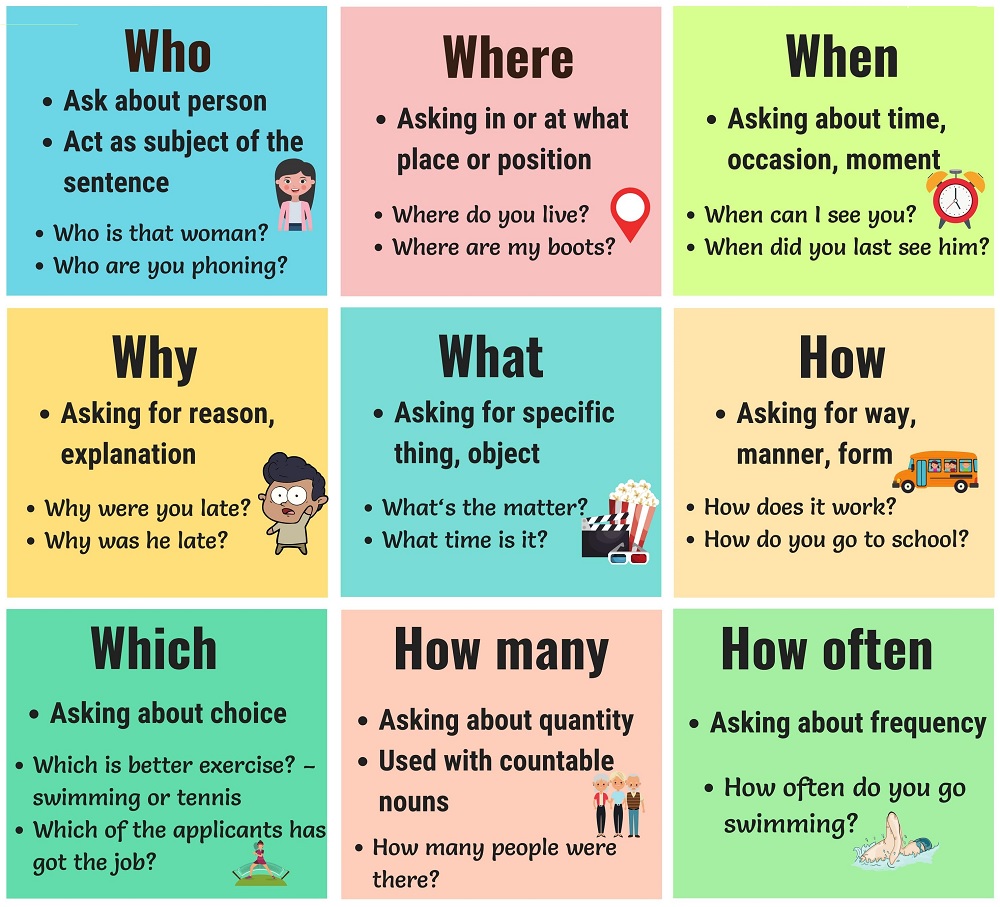
In the intricate dance of establishing and growing a successful entity, be it a burgeoning startup, a seasoned corporation, or even a personal persona, three fundamental questions persistently echo: When? Why? What? These aren’t mere interrogatives; they are the bedrock of strategic thought, especially within the realm of branding. To navigate the complexities of market saturation, shifting consumer loyalties, and the relentless march of digital transformation, a brand must possess an unwavering clarity on its purpose, a keen sense of timing, and a precise understanding of its manifestation. This article delves into the strategic imperatives of these three pivotal questions, demonstrating how their harmonious alignment is crucial for crafting brands that not only resonate but also endure and thrive.
The Foundational “Why”: Unearthing Your Brand’s Purpose
Before a single design element is conceptualized or a marketing campaign launched, the most critical question a brand must answer is “Why?” This isn’t about the product or service itself, but the deeper motivation, the intrinsic value, and the ultimate reason for the brand’s existence. The “why” is the heart of your brand, dictating its direction, inspiring its actions, and forming the emotional connection with its audience. Without a clear “why,” a brand is merely a commodity, vulnerable to competition and lacking the magnetic pull that fosters loyalty.
Beyond Products: Defining Core Values and Mission
A brand’s “why” extends far beyond its utilitarian offerings. It encapsulates its core values, its mission, and its vision for the world. What problems does your brand genuinely seek to solve? What beliefs does it uphold? What future does it envision contributing to? Patagonia, for instance, isn’t just selling outdoor gear; its “why” is deeply rooted in environmental activism and sustainable practices. Dove doesn’t merely sell soap; its “why” champions real beauty and self-esteem. By articulating these profound principles, a brand establishes a moral compass and a higher purpose that resonates deeply with conscious consumers who increasingly seek to align with brands that share their values. This clarity enables every decision, from product development to supply chain management, to be a testament to the brand’s unwavering commitment to its foundational principles.
The Emotional Connection: Resonance and Relatability
People don’t just buy products; they buy stories, emotions, and aspirations. The “why” is the wellspring of this emotional connection. When a brand’s purpose aligns with the aspirations, beliefs, and emotional needs of its target audience, it transcends transactional relationships and fosters a bond built on trust and shared identity. Think of Apple’s “Think Different” campaign; it wasn’t just about computers but about empowering creativity and individuality. This emotional resonance is powerful because it taps into the very human desire for belonging, self-expression, and meaning. A compelling “why” allows consumers to see a piece of themselves in the brand, transforming them from passive buyers into active advocates, eager to share their affinity and become part of a larger community.
Strategic Differentiators: Standing Out in a Crowded Market
In an era of unprecedented market saturation, differentiation is paramount. While product features can be replicated and prices undercut, a truly authentic “why” is inimitable. It provides a unique lens through which all other aspects of the brand are perceived. If two companies offer similar products, the one with a clearer, more compelling “why” will inherently possess a stronger competitive edge. This differentiator is not just about being different; it’s about being meaningfully different in a way that matters to the consumer. It enables a brand to carve out its unique niche, attracting a dedicated audience that values its ethos above superficial comparisons, thereby building a moat around its market position that is difficult for competitors to breach.
The Critical “When”: Timing Your Brand’s Evolution
Once the “why” is unequivocally established, the next strategic imperative surfaces: “When?” Timing is everything in brand building, impacting market entry, growth trajectories, and even crisis management. A perfectly conceived brand strategy can falter if launched prematurely or too late, just as a necessary pivot can fail to gain traction without astute timing. Understanding the “when” involves a dynamic interplay of market readiness, consumer sentiment, competitive landscape, and internal organizational capabilities.
Launching New Ventures: Seizing the Moment
For startups and new product launches, the “when” is about identifying and seizing the opportune moment. This involves thorough market research to assess unmet needs, emerging trends, and the readiness of the target audience to embrace something new. Is the market mature enough for disruption, or is it too saturated? Are consumers yearning for innovation, or are they resistant to change? Launching too early can mean educating a skeptical market at great expense, while launching too late risks losing first-mover advantage or entering an already crowded space. Strategic timing allows a brand to capture attention, cultivate early adopters, and establish authority before competitors fully mobilize, creating a powerful initial impact that sets the stage for sustained growth.
Rebranding: Adapting to Changing Landscapes
The “when” also applies to the crucial decision of rebranding. Rebranding is not merely a cosmetic update; it’s a strategic overhaul driven by significant shifts – market evolution, audience demographics changing, a need to shed a negative perception, or even an expansion into new sectors. Deciding when to rebrand requires careful consideration. A brand might choose to refresh its image to stay relevant with a younger demographic, or it might undergo a complete overhaul after a merger to signal a new unified identity. Misjudging the timing can lead to alienation of loyal customers or an inability to effectively communicate the brand’s renewed purpose. The “when” for rebranding is often triggered by internal introspection and external market signals, demanding a calculated move to reinforce relevance and align with future aspirations.

Crisis Management and Brand Resilience
In an unpredictable world, every brand will eventually face a crisis. The “when” in crisis management refers to the swiftness and appropriateness of response. Delayed or mishandled communication during a crisis can irrevocably damage a brand’s reputation and erode consumer trust. Brands that act decisively, transparently, and empathetically “when” a crisis hits often emerge stronger, demonstrating resilience and commitment to their values. This immediate and genuine response reinforces the brand’s “why” and can even turn a potential disaster into an opportunity to showcase integrity and accountability. Proactive crisis planning, anticipating potential vulnerabilities, and establishing clear communication protocols are essential components of strategic “when” in building brand resilience.
The Actionable “What”: Crafting and Communicating Your Brand Identity
With the “why” firmly rooted and the “when” strategically assessed, the final and most visible question comes into play: “What?” This is where the abstract ideals of purpose and the timing of execution materialize into tangible brand assets and experiences. The “what” encompasses the entire spectrum of how a brand presents itself to the world – its visual identity, verbal identity, and the holistic brand experience. It is the practical application of strategy, turning intention into perception and engagement.
Visual Identity: Logos, Colors, and Typography
The “what” begins with the visual language of the brand. A logo is more than just an emblem; it is often the first point of contact and a powerful mnemonic device. Paired with a carefully selected color palette, typography, and imagery, these elements form the brand’s aesthetic blueprint. Every visual choice must be intentional, reflecting the brand’s “why” and aligning with its target audience’s preferences. A tech startup might opt for a minimalist, futuristic aesthetic, while a luxury fashion brand might embrace elegant, classic motifs. Consistency across all visual touchpoints — from website to packaging, social media to advertising — is paramount to building strong brand recognition and conveying professionalism.
Verbal Identity: Messaging, Tone of Voice, and Storytelling
Equally critical is the brand’s verbal identity, the “what” it says and “how” it says it. This includes the brand’s core messaging, its unique tone of voice, and the compelling stories it tells. Messaging articulates the brand’s value proposition and differentiates it from competitors. The tone of voice – whether authoritative, friendly, playful, or sophisticated – imbues personality into every communication, from marketing copy to customer service interactions. Storytelling, meanwhile, breathes life into the brand’s “why,” creating narratives that resonate emotionally and reinforce its values. A coherent verbal identity ensures that the brand’s voice is distinct, memorable, and consistent across all platforms, fostering a deeper connection with its audience.
Brand Experience: Consistency Across Touchpoints
Ultimately, the “what” culminates in the holistic brand experience. This isn’t just about what the brand looks like or says, but how it makes people feel at every touchpoint. From the user interface of an app to the unboxing of a product, from customer service interactions to in-store environments, every moment contributes to the overall brand perception. Consistency in experience is vital; a disconnect between a brand’s advertised promises and its actual delivery can be detrimental. The brand experience is the manifestation of the “why” through the “what,” delivered at the right “when.” It’s about ensuring that every interaction reinforces the brand’s core values and leaves a lasting positive impression, turning casual consumers into loyal advocates.
Integrating “When Why What” for Sustainable Growth
The questions of “when, why, and what” are not isolated pillars but interconnected components of a dynamic, holistic brand strategy. Neglecting one in favor of another leads to an imbalanced and ultimately fragile brand. A compelling “why” without a strategic “when” or an effective “what” remains an unfulfilled promise. Similarly, a brilliant “what” launched at the wrong “when” or without a clear “why” will lack direction and staying power. True brand building lies in the seamless integration and continuous calibration of these three strategic imperatives.
The Iterative Nature of Brand Strategy
Brand building is not a one-time event but an ongoing, iterative process. The “when why what” framework encourages continuous evaluation and adaptation. Markets evolve, consumer behaviors shift, and competitive landscapes transform. A brand’s “why” might need re-articulation to resonate with a new generation, its “when” for a campaign might be recalibrated based on real-time data, and its “what” might undergo refinements in visual or verbal identity. Embracing this iterative approach allows brands to remain agile, responsive, and relevant, ensuring that they can continually connect with their audience and maintain their strategic advantage over time.
Measurement and Adaptation: Gauging Brand Health
To effectively integrate “when why what,” brands must establish clear metrics for success and continuously gauge their brand health. This involves monitoring brand awareness, perception, loyalty, and market share. Are consumers understanding the “why” through the “what”? Was the “when” of a product launch optimal? Feedback loops, analytics, and market research are crucial tools for understanding the impact of brand initiatives and identifying areas for improvement. By systematically measuring performance against strategic objectives, brands can make data-driven decisions, adapting their strategies to ensure that their “when,” “why,” and “what” remain aligned and impactful, driving sustainable growth and fostering enduring relationships with their audience.
In conclusion, the deceptively simple questions of “when, why, and what” are, in fact, the most profound inquiries a brand can undertake. They compel a deep dive into purpose, a calculated assessment of timing, and a meticulous articulation of identity. Mastering these strategic imperatives is not just about building a recognizable name; it’s about forging a resonant identity, making meaningful connections, and securing a future where the brand not only exists but truly flourishes. By consistently revisiting and refining these foundational questions, brands can navigate an ever-changing world with clarity, conviction, and an unwavering commitment to their unique strategic vision.
aViewFromTheCave is a participant in the Amazon Services LLC Associates Program, an affiliate advertising program designed to provide a means for sites to earn advertising fees by advertising and linking to Amazon.com. Amazon, the Amazon logo, AmazonSupply, and the AmazonSupply logo are trademarks of Amazon.com, Inc. or its affiliates. As an Amazon Associate we earn affiliate commissions from qualifying purchases.