
The Dominican Republic, a vibrant Caribbean nation renowned for its stunning beaches, rich culture, and warm hospitality, is also a dynamic economic powerhouse within the region. Beyond the idyllic facade of a tourist paradise, a complex and evolving financial landscape is taking shape, attracting significant interest from investors, businesses, and individuals alike. To truly understand “what’s going on” in the Dominican Republic today requires a deep dive into its economic resilience, investment climate, financial sector transformation, and the avenues for personal financial growth. From robust tourism recovery and strategic industrial growth to the burgeoning fintech scene and real estate boom, the DR is navigating a period of significant economic momentum, albeit with its own set of unique challenges and opportunities. This exploration will unravel the intricate layers of the Dominican Republic’s financial story, providing an insightful perspective on its current economic trajectory and future potential.

Economic Resilience and Growth Drivers
The Dominican Republic has consistently demonstrated remarkable economic resilience, bouncing back swiftly from global downturns and maintaining a trajectory of growth that outpaces many of its regional peers. This stability is underpinned by a diversified economic base, shrewd fiscal management, and a strategic embrace of its natural advantages. Understanding these core drivers is essential to grasping the nation’s financial vitality.
Tourism’s Enduring Strength and Evolution
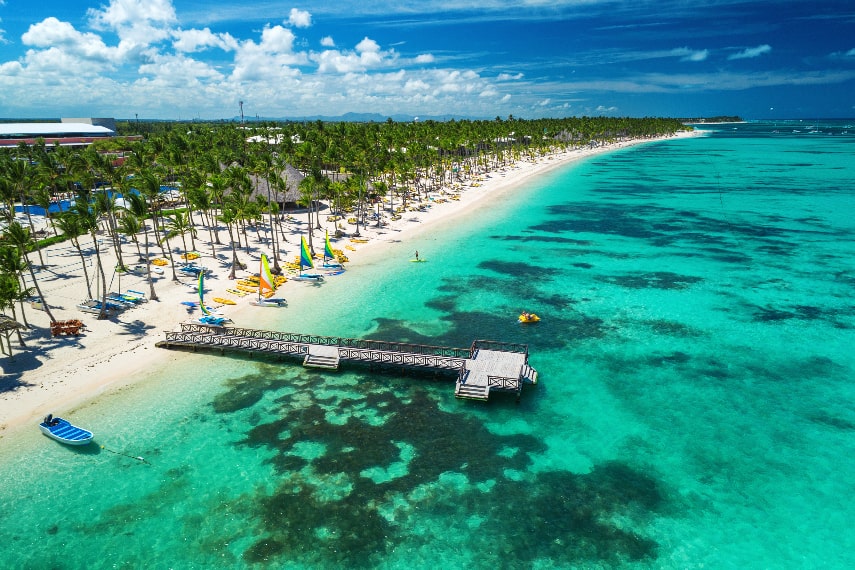
Tourism remains the undisputed cornerstone of the Dominican economy, a sector that has not only recovered vigorously post-pandemic but is actively evolving. The country consistently breaks its own tourism records, drawing millions of visitors annually. This influx translates directly into substantial foreign currency earnings, job creation across the service sector, and significant demand for local goods and services. Beyond the traditional all-inclusive resorts in Punta Cana and Puerto Plata, there’s a noticeable shift towards diversifying the tourism offering. Ecotourism in areas like Jarabacoa and Barahona, cultural tourism in Santo Domingo’s Colonial Zone, and even medical tourism, particularly for specialized procedures, are gaining traction. This diversification strategy aims to attract a broader range of travelers, increase per-visitor spending, and distribute economic benefits more widely across the country, further fortifying the industry’s financial contribution.
Diversification Beyond the Beaches
While tourism dominates headlines, the Dominican Republic’s economic resilience is also rooted in its efforts to diversify. The free trade zones (FTZs) are a crucial component, housing hundreds of companies engaged in manufacturing, textile production, medical devices, and electronics assembly for export. These zones benefit from tax incentives and a strategic location, making the DR an attractive hub for nearshoring and reshoring activities. Agriculture, historically significant, continues to contribute through exports of sugar, coffee, cocoa, and tobacco, while adapting to global demand for organic and specialized products. Mining, particularly gold and silver, also plays a notable role in export revenues. The service sector, encompassing everything from telecommunications to professional services, is growing steadily, reflecting an increasingly sophisticated domestic economy. Government initiatives actively promote these non-tourism sectors, understanding that a broader economic base mitigates risk and fosters sustainable growth.
Macroeconomic Stability and Fiscal Prudence
A key differentiator for the Dominican Republic is its commitment to macroeconomic stability. The Central Bank of the Dominican Republic has been proactive in managing inflation, which, despite global pressures, has largely remained within target ranges. The Dominican Peso (DOP) has exhibited relative stability against major currencies, providing a predictable environment for businesses and investors. Fiscal policy has generally trended towards prudence, with efforts to manage public debt and ensure responsible government spending. International financial institutions often commend the DR for its commitment to structural reforms and sound economic governance. This stability builds confidence, reduces investment risk, and creates a conducive environment for long-term financial planning and growth, both domestically and internationally.
Investment Landscape: Opportunities and Challenges
The Dominican Republic’s dynamic economy and strategic geographical position make it an alluring destination for both domestic and foreign investment. The investment landscape is characterized by a blend of established opportunities and emerging sectors, though like any developing economy, it also presents specific challenges that investors must navigate.
Foreign Direct Investment (FDI) Magnets
The Dominican Republic consistently ranks among the top recipients of Foreign Direct Investment (FDI) in the Caribbean and Central America. The primary magnets for FDI include the aforementioned tourism sector, with ongoing development of new hotels, resorts, and tourism infrastructure. Real estate, closely tied to tourism, sees significant foreign capital flowing into luxury residential projects, vacation homes, and commercial developments. The energy sector is another major draw, particularly for renewable energy projects (solar, wind) as the country seeks to diversify its energy matrix and reduce reliance on fossil fuels. Infrastructure development, often through public-private partnerships, attracts investment in roads, ports, and logistics facilities, enhancing the country’s connectivity and trade capabilities. Government incentives, such as tax exemptions and simplified bureaucratic processes in designated investment zones, further enhance the DR’s appeal.
Emerging Sectors and Niche Investments
Beyond the traditional FDI strongholds, several emerging sectors offer exciting niche investment opportunities. Technology and innovation, while still nascent compared to global hubs, are gaining traction. There’s growing interest in local tech startups, particularly in areas like e-commerce, digital services, and agri-tech. The logistics sector is poised for significant growth, leveraging the DR’s strategic position as a transshipment hub between North, South, and Central America, and Europe. This includes investments in port expansions, logistics parks, and warehousing. Moreover, the “experience economy” beyond mainstream tourism is ripe for targeted investments in boutique hotels, specialized adventure tourism, cultural experiences, and health and wellness retreats, catering to a more discerning traveler and offering higher returns on niche projects.
Navigating the Regulatory Environment
While the Dominican Republic has made strides in improving its business climate, investors still need to carefully navigate the regulatory environment. Efforts to streamline processes for company registration, obtain construction permits, and enforce contracts are ongoing, with some positive results. However, bureaucracy can still be a hurdle, and understanding local labor laws, environmental regulations, and intellectual property rights is crucial. Engaging with local legal counsel and business consultants is highly advisable to ensure compliance and mitigate potential risks. Transparency initiatives and anti-corruption efforts are also slowly progressing, aiming to create a more predictable and fair playing field for all investors. Staying informed about legislative changes and engaging with relevant government agencies can help investors successfully navigate this evolving landscape.
The Evolving Financial Sector and Digital Transformation
The Dominican Republic’s financial sector is undergoing a significant transformation, driven by modernization efforts, increased competition, and the rapid adoption of digital technologies. This evolution is impacting everything from traditional banking services to new avenues for financial inclusion and payment systems.
Banking Modernization and Credit Access
The traditional banking sector in the Dominican Republic is robust and increasingly sophisticated. Major commercial banks offer a full suite of services, from corporate lending to retail banking, wealth management, and international trade finance. There’s a strong focus on enhancing customer experience through digital channels and expanding access to credit. While microfinance institutions have played a vital role in reaching underserved populations, mainstream banks are also increasingly leveraging technology to extend credit to small and medium-sized enterprises (SMEs) and individuals who previously found it challenging to access formal financial services. The regulatory framework, overseen by the Superintendency of Banks, is continually adapting to ensure stability, protect consumers, and foster healthy competition within the sector.
Fintech Adoption and Innovation
Perhaps one of the most exciting developments is the rise of financial technology (fintech). The Dominican Republic is witnessing a surge in mobile payment solutions, digital wallets, and online lending platforms. These innovations are not only improving convenience for consumers but are also playing a crucial role in enhancing financial inclusion, particularly for those in rural areas or without traditional bank accounts. Local startups and international players are entering the market, offering solutions for remittances, bill payments, peer-to-peer lending, and investment platforms. The Central Bank and regulatory bodies are actively exploring frameworks to support this innovation while ensuring proper oversight and consumer protection. This burgeoning fintech ecosystem signifies a leap forward in modernizing the country’s financial infrastructure.
Regulatory Sandbox and Innovation Hubs
Recognizing the potential of fintech, the Dominican government and regulatory bodies are exploring and implementing initiatives such as regulatory sandboxes. These controlled environments allow fintech companies to test innovative products and services under supervision, fostering innovation while mitigating risks. Beyond official sandboxes, various private sector innovation hubs and accelerators are emerging, providing resources, mentorship, and funding opportunities for fintech startups. These hubs are crucial for nurturing local talent, attracting venture capital, and positioning the Dominican Republic as a regional leader in financial innovation. The goal is to create an ecosystem where new financial solutions can thrive, benefiting both businesses and the general populace.
Navigating Personal Finance and Wealth Creation
For individuals living in or considering moving to the Dominican Republic, understanding the local personal finance landscape and opportunities for wealth creation is paramount. The economic growth and investment climate create unique avenues for income generation and asset building, alongside considerations regarding the cost of living and financial literacy.
Cost of Living and Income Disparities
The cost of living in the Dominican Republic can vary significantly depending on location and lifestyle. Major urban centers like Santo Domingo and tourist hubs like Punta Cana tend to have higher costs, especially for housing and imported goods, while rural areas offer a more affordable existence. Income disparities persist, with a growing middle class alongside segments of the population facing economic challenges. Understanding these nuances is crucial for budgeting and financial planning. While the formal economy is expanding, informal sectors still contribute significantly to livelihoods, highlighting the importance of financial inclusion initiatives that cater to diverse income streams and savings habits.
Real Estate as an Investment and Asset
The Dominican Republic’s real estate market has been booming, particularly in coastal areas and key urban centers. For many, real estate represents a significant avenue for wealth creation, whether through purchasing primary residences, investment properties for rental income (especially short-term rentals for tourists), or land for future development. The appeal to foreign buyers is strong, driven by competitive prices compared to other Caribbean destinations, a favorable climate, and a robust tourism industry that ensures demand for rental units. Due diligence, including legal counsel and understanding local property laws and taxes, is essential. The appreciation of property values in sought-after locations has made real estate a compelling investment, contributing significantly to personal wealth accumulation for both locals and expatriates.
Savings, Investment Vehicles, and Financial Literacy
While traditional savings accounts remain popular, the evolving financial sector is providing individuals with more sophisticated investment vehicles. These include mutual funds, government bonds, and access to the local stock market through brokerage firms, offering opportunities for diversification and potentially higher returns. However, financial literacy remains a critical area for development. Efforts are underway by government agencies and NGOs to educate the populace on responsible budgeting, saving, investing, and debt management. Increasing financial literacy empowers individuals to make informed decisions, build financial security, and actively participate in the growing wealth opportunities presented by the Dominican economy, fostering a more financially resilient society.
Future Outlook: Sustaining Economic Momentum
The Dominican Republic stands at a pivotal juncture, poised for continued economic expansion while simultaneously addressing inherent vulnerabilities and striving for more inclusive growth. The future outlook is largely optimistic, contingent on strategic policy implementation and effective navigation of global dynamics.
Addressing Economic Vulnerabilities and Global Headwinds
Despite its robust growth, the Dominican Republic is not immune to economic vulnerabilities. As a small island developing state, it faces significant risks from climate change, including extreme weather events that can impact agriculture, infrastructure, and tourism. Global economic headwinds, such as fluctuations in commodity prices, interest rate hikes, or international travel disruptions, can also exert pressure. Furthermore, while progress has been made, social inequality and poverty alleviation remain ongoing challenges that require sustained attention. Government strategies are focusing on enhancing resilience, diversifying risk, and implementing social programs to ensure that the benefits of economic growth are more equitably distributed, addressing these vulnerabilities head-on.
Strategic Policy Directions for Sustainable Growth
The government’s long-term economic vision centers on fostering sustainable and inclusive growth. This involves continued investment in human capital through education and vocational training to create a skilled workforce capable of supporting higher-value industries. Strategic infrastructure development, particularly in renewable energy, digital connectivity, and logistics, is aimed at enhancing productivity and competitiveness. Policies are also geared towards attracting quality foreign investment that brings not just capital but also technology transfer and creates higher-paying jobs. Moreover, promoting sustainable tourism practices and environmentally friendly industries is key to preserving the natural assets that underpin much of the country’s economic success, ensuring long-term viability.

Regional Integration and Trade Agreements
The Dominican Republic’s economic future is also intrinsically linked to its regional integration and participation in international trade agreements. As a member of various regional blocs and with established trade agreements (like DR-CAFTA), the country benefits from preferential access to key markets, which is crucial for its export-oriented sectors. Strengthening these ties and exploring new trade partnerships can open up further opportunities for market access, investment, and economic collaboration. Engaging actively in regional economic dialogues and multilateral forums allows the DR to advocate for its interests, attract development aid, and learn from global best practices, further solidifying its position in the global economy.
In conclusion, “what’s going on in the Dominican Republic” is a narrative of dynamic economic growth, strategic diversification, and a burgeoning financial sector. From its foundational tourism industry and growing manufacturing prowess to its evolving fintech landscape and attractive real estate market, the nation presents a compelling case for financial opportunity. While challenges like climate vulnerability and the need for greater financial inclusion persist, the DR’s proactive approach to economic management and its vibrant entrepreneurial spirit position it well for continued prosperity. For investors, businesses, and individuals alike, the Dominican Republic offers a captivating blend of opportunities, making it a key player to watch in the Caribbean’s financial future.
aViewFromTheCave is a participant in the Amazon Services LLC Associates Program, an affiliate advertising program designed to provide a means for sites to earn advertising fees by advertising and linking to Amazon.com. Amazon, the Amazon logo, AmazonSupply, and the AmazonSupply logo are trademarks of Amazon.com, Inc. or its affiliates. As an Amazon Associate we earn affiliate commissions from qualifying purchases.