
The dream of homeownership, for many, is a cornerstone of personal wealth building and financial stability. However, the path to achieving this dream is often fraught with escalating costs, unpredictable timelines, and complex financial decisions. In this evolving landscape, modular homes have emerged as a compelling alternative, offering a unique blend of efficiency, quality, and—most importantly for the astute investor and budget-conscious homeowner—significant financial advantages. But what exactly is a modular home, and how does this innovative construction method impact your wallet, your investment portfolio, and your long-term financial health?

Unlike traditional stick-built homes constructed entirely on-site, modular homes are built in sections (or “modules”) within a climate-controlled factory environment. These modules are then transported to the building site and assembled onto a permanent foundation. This streamlined process holds profound financial implications, from initial cost predictability to long-term operational savings and potential investment returns. This article delves into the financial intricacies of modular homes, offering an insightful perspective for anyone considering this modern approach to real estate.
Deconstructing the Modular Home: Beyond the Blueprint
Understanding the fundamental nature of modular construction is the first step in appreciating its financial distinctiveness. It’s more than just a building technique; it’s an economic paradigm shift in home creation, offering efficiencies that directly translate into monetary benefits for the end-user.
The Core Concept: Factory-Built Efficiency and Cost Implications
The essence of a modular home lies in its factory-based production. Imagine a highly organized assembly line where precision engineering, bulk purchasing power, and consistent labor lead to superior quality control and reduced waste. This controlled environment significantly mitigates many of the cost overruns and delays commonly associated with traditional on-site construction. Weather delays, material theft, and fluctuating labor availability—all common culprits for budget blowouts in conventional building—are virtually eliminated or substantially minimized.
From a financial perspective, this translates into several key advantages:
- Predictable Costs: One of the most attractive financial aspects of modular construction is the greater predictability of costs. Builders can provide more accurate quotes because many variables are controlled. This allows homeowners to budget more effectively and reduces the risk of unexpected expenses derailing their financial plans.
- Reduced Material Waste: Factory production optimizes material usage, leading to less waste. This not only benefits the environment but also reduces overall material costs, a saving that is often passed on to the buyer.
- Faster Construction Timelines: The simultaneous construction of modules in the factory and site preparation work being done concurrently means modular homes can be completed significantly faster than traditional homes. Time is money, and a shorter construction period often means fewer interest payments on construction loans and quicker occupancy, allowing homeowners to stop paying rent sooner or start generating rental income earlier.
Dispelling Myths: Modular vs. Manufactured Homes (Financial Distinctions)
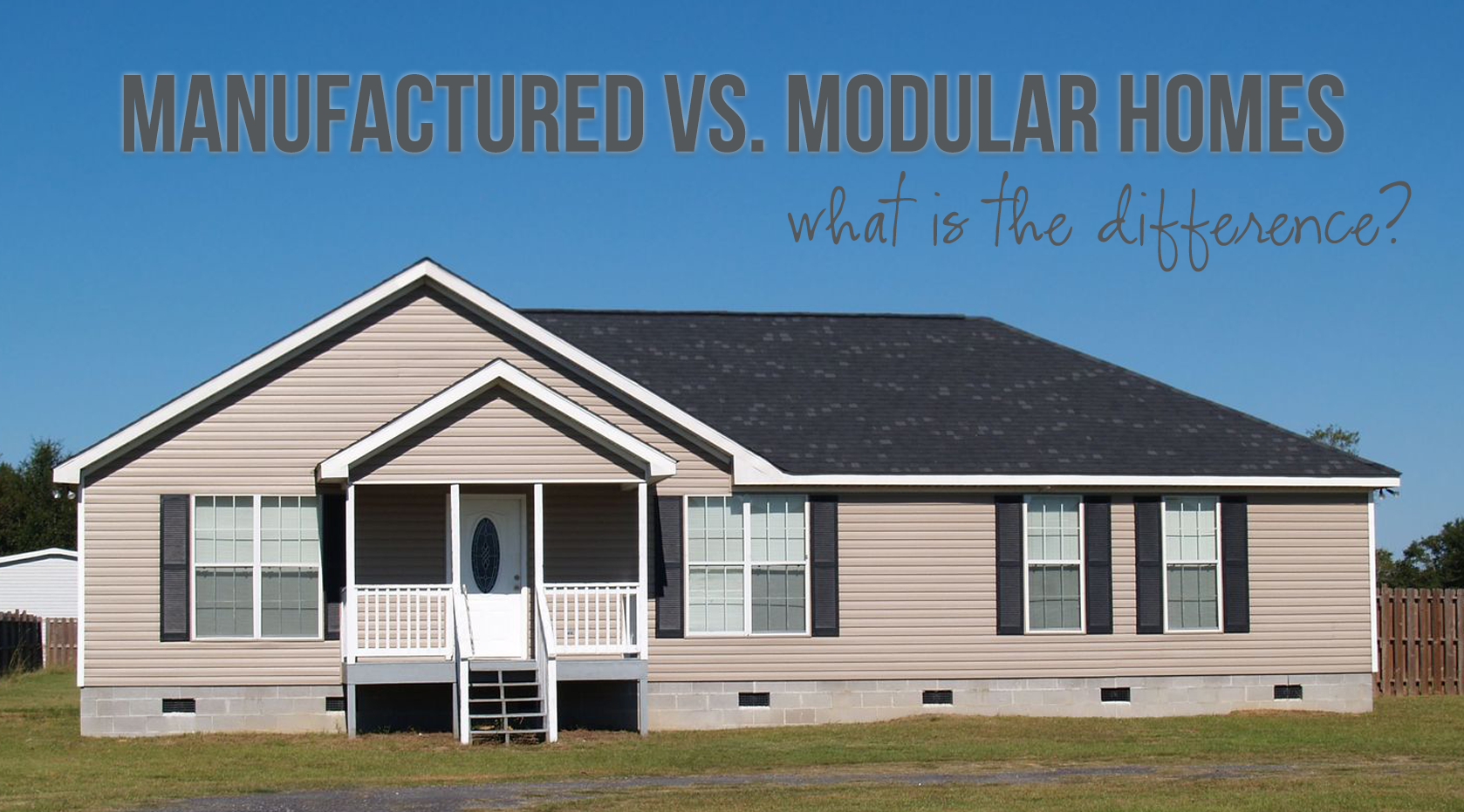
A crucial financial distinction to make is between modular homes and manufactured homes (often colloquially referred to as “mobile homes”). While both are factory-built, their financial and legal statuses are vastly different, particularly concerning appreciation, financing, and permanence.
- Modular Homes: These are built to the same local, state, and regional building codes as traditional site-built homes. Once assembled on a permanent foundation, they are considered real property, indistinguishable from a stick-built home in the eyes of appraisers, lenders, and insurance companies. This is a critical financial point: modular homes typically appreciate in value just like conventional homes, making them a solid long-term investment. They qualify for the same conventional mortgages, FHA loans, and VA loans, which is vital for broad financing accessibility.
- Manufactured Homes: These are built to a different federal standard (HUD Code) and are typically transported on a permanent chassis. While modern manufactured homes have improved significantly in quality, historically, they have been considered personal property (like a car) rather than real estate, especially if not affixed to a permanent foundation. This status can make financing more challenging (often requiring chattel loans with higher interest rates) and can impact their long-term appreciation potential, which historically has been less robust than real property.
For the investor or homeowner, understanding this distinction is paramount. A modular home represents a genuine real estate investment with comparable financial characteristics to a traditional home, whereas a manufactured home may present different financial implications, particularly regarding financing, insurance, and resale value.
The Financial Equation: Costs, Savings, and Value Proposition
When evaluating any major investment, especially a home, the financial equation is paramount. Modular homes present a distinct financial profile that merits close examination, often challenging preconceptions about their cost and long-term value.
Upfront Costs: Breaking Down the Budget
At first glance, the per-square-foot cost of a modular home might appear similar to or even slightly less than a traditional stick-built home. However, it’s essential to understand the complete financial picture, as “all-in” costs can vary. The base price of a modular home typically includes the factory-built modules and their delivery. Yet, several other significant costs contribute to the total investment:
- Land Acquisition: This is often the largest variable cost, entirely dependent on location.
- Site Preparation: Costs for excavation, grading, utility connections (water, sewer, electric, gas), and foundation pouring. These can range widely based on the complexity of the site.
- On-Site Assembly: Craning the modules into place and connecting them, along with finishing work like roofing, siding, and interior trim that might be completed on-site.
- Permits and Fees: Local building permits, inspections, and impact fees.
- Landscaping and Driveways: Additional finishing touches that contribute to the home’s overall value and curb appeal.
While these additional costs exist for any home build, modular construction often provides a more transparent breakdown upfront, allowing for better budget management. The factory component, being highly standardized, comes with a firm price, reducing uncertainty for a significant portion of the total project. This clarity is a major financial advantage, helping homeowners avoid the dreaded “cost creep” common in traditional builds.
Long-Term Savings: Operational Efficiency and Appreciation
The financial benefits of modular homes extend far beyond the initial purchase. They offer significant long-term savings and a strong potential for appreciation, making them a wise investment.
- Energy Efficiency: Due to the precision engineering and tightly sealed construction in a controlled factory environment, modular homes are often more energy-efficient than their site-built counterparts. Less air leakage and superior insulation lead to lower heating and cooling costs, translating into tangible monthly savings on utility bills. Over the lifespan of a mortgage, these savings can accumulate into tens of thousands of dollars.
- Durability and Lower Maintenance: The rigorous quality control and robust construction methods employed in modular factories often result in a more structurally sound and durable home. This can lead to fewer repairs and lower maintenance costs over time, preserving your investment and reducing unexpected financial outlays.
- Appreciation: As established earlier, modular homes are real property. They are appraised and valued in the same manner as stick-built homes, meaning they are subject to market appreciation. A well-maintained modular home in a desirable location can expect to appreciate at a similar rate to other homes in the area, building equity for the homeowner.
Financing Modular Homes: Navigating the Lending Landscape
One of the most common misconceptions is that modular homes are difficult to finance. This is largely untrue. Since modular homes are built to the same local codes as traditional homes and placed on permanent foundations, they qualify for the same types of mortgages:
- Construction Loans: For homes that are not yet built, a construction loan is often required. This type of loan funds the various stages of the build, converting to a permanent mortgage upon completion. Lenders are typically familiar with modular construction for these loans.
- Conventional Mortgages: Once the home is complete and has a certificate of occupancy, it can be financed with a standard conventional mortgage, just like any other resale or new-build home.
- FHA and VA Loans: These government-backed loans are also available for qualifying modular homes, offering favorable terms for first-time buyers or veterans.
- Local and State Programs: Many regions offer specific housing assistance programs that may also be applicable to modular home purchases.
The key for financing is ensuring the modular home is permanently affixed to the land, meeting all local building codes, and being appraised as real property. Homebuyers should work with lenders experienced in modular home financing to ensure a smooth process.
Modular Homes as an Investment: A Wealth-Building Perspective
For those who view their home not just as a dwelling but as a significant asset within their broader financial portfolio, modular homes present an intriguing proposition. Their unique construction process can offer distinct advantages in terms of capital efficiency, risk management, and diversification.
Property Valuation and Resale Potential
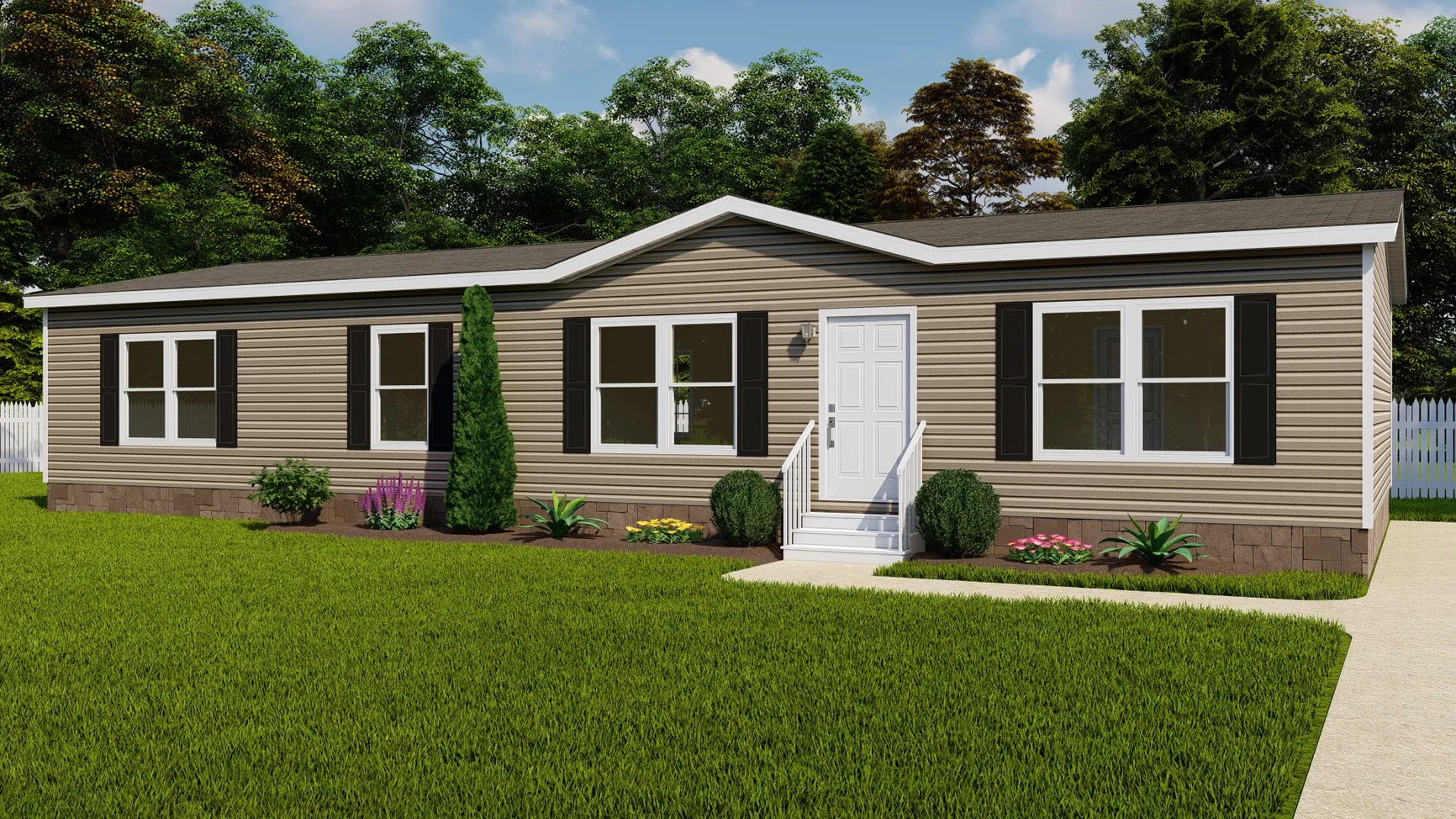
A primary concern for any real estate investor is the long-term value and liquidity of their asset. Modular homes, when properly built and installed on a permanent foundation, enjoy the same valuation metrics as site-built homes. Appraisers evaluate them based on comparable sales in the area, location, square footage, features, and overall condition, without prejudice due to their factory-built origin.
- Market Acceptance: As modular construction gains wider acceptance and understanding, the “stigma” often associated with factory-built housing diminishes. Consumers are increasingly recognizing the quality, efficiency, and design flexibility of modern modular homes, leading to robust resale markets.
- Quality and Durability: The inherent strength and precision of modular construction, designed to withstand the stresses of transport and craning, often result in a structurally superior product. This durability can translate into better long-term condition and potentially higher resale values compared to poorly constructed site-built alternatives.
- Customization and Design: Modern modular homes offer extensive customization options, from floor plans to finishes. This flexibility allows homeowners to create a dwelling that aligns with current market preferences, further enhancing its appeal and value upon resale.
Accelerated Timelines, Reduced Risk, and Capital Efficiency
From an investment standpoint, time is always a critical factor. Modular construction excels in delivering a completed asset much faster than traditional methods, which has direct financial benefits.
- Reduced Carrying Costs: A shorter construction period means less time paying interest on a construction loan. For investors, this translates to faster deployment of capital and quicker realization of potential returns, whether through occupancy or rental income.
- Mitigated Project Risk: The controlled factory environment reduces common construction risks like weather delays, material theft, and labor shortages. This predictability is a huge financial advantage, as it minimizes the potential for unexpected cost overruns and delays that can erode profit margins or strain personal finances.
- Capital Allocation: By reducing the construction timeline, capital is tied up for a shorter period. This allows investors to allocate their funds more efficiently, potentially pursuing other opportunities sooner or avoiding prolonged debt service.
Leveraging Modular for Rental Income or Portfolio Diversification
For investors looking to generate passive income or diversify their real estate holdings, modular homes offer a compelling avenue.
- Rental Property Potential: The efficiency and speed of modular construction make them ideal for developing rental properties. Investors can quickly bring units to market, whether single-family homes or multi-unit developments using modular technology, thereby generating rental income sooner. Their energy efficiency can also be a strong selling point for tenants, potentially commanding higher rents or attracting tenants more easily.
- Portfolio Diversification: Adding modular homes to an existing real estate portfolio can diversify holdings. They can be particularly attractive in markets where traditional construction costs are prohibitive, or where there’s a demand for efficient, high-quality, and faster-to-deliver housing solutions. Their cost-effectiveness in certain contexts can allow investors to acquire more units or enter new markets with lower barriers to entry.
Financial Advantages and Considerations for Future Homeowners
Beyond the investor’s lens, the individual homeowner stands to gain substantially from the financial characteristics of modular homes. It’s about more than just the initial price tag; it’s about predictable budgeting, ongoing savings, and smart financial planning.
Cost Predictability and Budget Control
One of the most stressful aspects of traditional home building is the uncertainty surrounding the final cost. Change orders, unforeseen site conditions, and delays can quickly inflate a budget, leading to financial strain or compromises on desired features. Modular construction offers a refreshingly different experience.
- Fixed Pricing for Modules: The factory-built components come with a firm, upfront price. This eliminates much of the guesswork and allows homeowners to secure a significant portion of their home’s cost early in the process.
- Detailed Quotes: Reputable modular builders provide highly detailed quotes that include not just the home itself but also estimated site work, transportation, and setup costs. This comprehensive financial breakdown enables homeowners to plan their finances with greater precision, reducing the likelihood of budget overruns.
- Reduced Contingency Funds: While it’s always wise to have a contingency fund for any construction project, the inherent predictability of modular building often means homeowners can allocate a smaller percentage to unexpected costs compared to a traditional build.
Energy Efficiency and Utility Savings
In an era of rising energy costs, a home’s operational efficiency has a direct and significant impact on personal finance. Modular homes typically outperform in this area, offering long-term savings that contribute positively to a homeowner’s monthly budget.
- Superior Thermal Performance: The controlled factory environment allows for precise cuts, tight seals, and consistent insulation application, minimizing air leaks and thermal bridging. This results in a highly energy-efficient envelope that retains heat in winter and coolness in summer.
- Reduced Carbon Footprint, Reduced Bills: Homeowners benefit from lower monthly utility bills, which can add up to substantial savings over the years. These savings can be redirected towards mortgage payments, investments, or other financial goals, enhancing overall financial well-being.
- Potential for Green Certifications: Many modular builders offer options to upgrade to even higher energy efficiency standards, sometimes qualifying for green building certifications, which can further enhance resale value and environmental appeal.
Understanding Insurance and Property Tax Implications
For a modular home, the financial considerations surrounding insurance and property taxes are generally identical to those for a comparable site-built home. This reinforces their status as real property and underscores the parity in their financial treatment.
- Homeowners Insurance: Because modular homes are built to the same local building codes and are permanently affixed to the land, they qualify for standard homeowners insurance policies. Insurers view them as structurally equivalent to site-built homes, so premiums are based on factors like replacement cost, location, construction type (e.g., brick, wood frame), and risk factors, not on their modular origin.
- Property Taxes: Property taxes are assessed based on the fair market value of the property (land + improvements) and the local tax rate. A modular home’s valuation for tax purposes will be determined in the same manner as any other home in the jurisdiction, reflecting its market value, size, features, and amenities. There are no special tax classifications for modular homes that differentiate them financially from traditional residences.
Making the Smart Financial Choice: Is Modular Right for You?
Deciding to build or buy a home is one of life’s most significant financial decisions. Understanding the financial implications of modular construction can empower you to make an informed choice that aligns with your wealth-building objectives and lifestyle aspirations.
Assessing Your Financial Goals and Risk Tolerance
Before committing to any home type, it’s crucial to assess your personal financial goals and comfort with risk.
- Budget Clarity: If cost predictability and strict budget adherence are paramount, modular construction offers a distinct advantage, minimizing the financial unknowns often associated with traditional builds.
- Long-Term Value: For those focused on long-term equity growth and investment appreciation, modular homes hold their value comparably to site-built homes, offering a reliable asset.
- Time Value of Money: If getting into your home faster to save on rent, reduce construction loan interest, or generate rental income quickly is a priority, the accelerated timeline of modular construction can be a significant financial boon.
- Environmental and Efficiency Goals: If reducing ongoing utility costs and minimizing your environmental footprint are important, the inherent energy efficiency of modular homes presents a compelling financial and ethical argument.
Due Diligence: Researching Builders and Lenders
Just as with any significant financial transaction, thorough due diligence is non-negotiable.
- Builder Reputation and Experience: Research modular home builders meticulously. Look for companies with a strong track record, positive customer reviews, comprehensive warranties, and transparent pricing. Visit their factories if possible to observe their quality control processes.
- Lender Expertise: Work with lenders who have specific experience in financing modular homes. They will be best equipped to guide you through the construction loan process and transition to a permanent mortgage, ensuring a smooth financial journey.
- Compare and Contrast: Obtain quotes from multiple modular builders and, if considering it, also from traditional builders. Compare not just the base price but the “all-in” costs, including site work, permits, and utility connections, to get a true financial comparison.
The Future of Homeownership: Sustainable and Economical
The financial landscape of homeownership is continually evolving, driven by factors like rising construction costs, environmental concerns, and a demand for efficiency. Modular homes are positioned to play an increasingly vital role in this future. Their ability to deliver high-quality, energy-efficient homes with greater cost predictability and faster timelines makes them an economically intelligent choice for a growing number of homeowners and investors. By embracing modular construction, you’re not just buying a home; you’re investing in a financially sound, sustainable, and modern approach to property ownership.
aViewFromTheCave is a participant in the Amazon Services LLC Associates Program, an affiliate advertising program designed to provide a means for sites to earn advertising fees by advertising and linking to Amazon.com. Amazon, the Amazon logo, AmazonSupply, and the AmazonSupply logo are trademarks of Amazon.com, Inc. or its affiliates. As an Amazon Associate we earn affiliate commissions from qualifying purchases.