
The iPad Mini 4, a significant refresh in Apple’s compact tablet line, was officially released in September 2015. Unveiled alongside the larger iPad Pro and the iPhone 6S series, the Mini 4 represented Apple’s commitment to the smaller tablet form factor, addressing many of the criticisms leveled at its immediate predecessor, the iPad Mini 3. While the tablet market was shifting towards larger screens and convertible devices, the iPad Mini 4 carved out its own niche, offering a blend of portability and enhanced performance that resonated with a specific segment of users. This article delves into the technical aspects and market impact of the iPad Mini 4, exploring its place within Apple’s ecosystem and its lasting legacy in the tech landscape.

The iPad Mini 4: A Refined Iteration
The fourth generation of the iPad Mini was not merely an incremental update; it was a substantial redesign that brought the smaller tablet much closer in line with its larger iPad Air counterparts in terms of technology and build quality. Its release in September 2015 marked a crucial point for the Mini series, signaling Apple’s dedication to perfecting the ultra-portable tablet experience after a somewhat lukewarm reception for the Mini 3.
Evolution of the Mini Series
To truly appreciate the iPad Mini 4, it’s essential to look back at its predecessors. The original iPad Mini, launched in October 2012, introduced the concept of a compact iPad, appealing to users who found the full-sized iPad too cumbersome. It featured a non-Retina display and an A5 chip, similar to the iPad 2. The iPad Mini 2, released a year later, brought the coveted Retina display and the powerful A7 chip, making it a compelling, high-resolution device. However, the iPad Mini 3, unveiled in October 2014, was largely seen as a minor upgrade, adding only Touch ID and a gold color option to the Mini 2’s specifications, while retaining the same A7 chip. This led to considerable disappointment among consumers and critics alike, who had hoped for a more substantial overhaul.
Against this backdrop, the iPad Mini 4 was designed to rectify the shortcomings of the Mini 3, offering a truly significant update that users had been craving. It arrived at a time when Apple was expanding its tablet offerings, introducing the productivity-focused iPad Pro. The Mini 4 aimed to reassure those who valued ultimate portability combined with modern capabilities. Its existence affirmed that Apple still saw a vital role for the 7.9-inch form factor, even as smartphone screens grew larger and traditional tablets faced increasing competition.
Key Innovations and Design Changes
The iPad Mini 4 represented a significant leap forward in design and internal architecture for the Mini series. It adopted a thinner and lighter chassis, shaving off 1.4 mm from the Mini 3’s thickness, bringing it down to a mere 6.1 mm—identical to the then-current iPad Air 2. This made it noticeably more comfortable to hold for extended periods and even more portable. Despite its reduced thickness, the Mini 4 maintained an impressive structural rigidity, mitigating concerns about potential bending. The weight also decreased by 30 grams, contributing to its enhanced portability.
One of the most praised improvements was its display. The Mini 4 finally adopted a fully laminated display, eliminating the air gap between the LCD panel and the glass cover. This resulted in sharper images, richer colors, and improved contrast. Furthermore, it featured an anti-reflective coating, a premium feature previously seen on the iPad Air 2, which significantly reduced glare and made the tablet more usable in bright environments. These display enhancements provided a much more immersive and visually appealing experience compared to its predecessors.
Under the hood, the Mini 4 received a substantial performance boost with the inclusion of the Apple A8 chip, paired with the M8 motion co-processor. This was the same chip found in the iPhone 6 and 6 Plus, a significant upgrade from the A7 in the Mini 2 and 3. This allowed for smoother multitasking, more demanding gaming, and faster app performance. Crucially, the RAM was doubled from 1GB to 2GB, a change that profoundly impacted its multitasking capabilities, particularly supporting the new Split View feature introduced with iOS 9, which was available at its launch. The camera also saw an upgrade, moving from a 5MP iSight camera to an 8MP version, capable of capturing more detailed photos and 1080p video, aligning it with the capabilities of the iPad Air 2. These combined innovations made the iPad Mini 4 not just a smaller iPad but a truly capable and modern tablet for its time.
Technical Specifications and Performance Analysis
Beyond its refined exterior and display, the iPad Mini 4 packed substantial upgrades under the hood, making it a powerful contender in the compact tablet market. These technical specifications translated directly into a smoother, more responsive user experience, catering to both casual users and those with more demanding tasks.
Under the Hood: The A8 Chip and Beyond
At the heart of the iPad Mini 4 was Apple’s A8 system-on-a-chip (SoC), accompanied by the M8 motion coprocessor. This was a crucial upgrade from the A7 chip found in the iPad Mini 2 and 3. The A8, first introduced with the iPhone 6 and 6 Plus, delivered a significant leap in both CPU and GPU performance. Apple stated it offered 30% faster CPU performance and 60% faster graphics compared to the A7. This translated into a noticeably snappier experience across the board. Apps launched quicker, transitions were smoother, and graphically intensive games ran with fewer stutters and higher frame rates.
The A8 chip was a 64-bit architecture, supporting advanced graphics APIs like Metal, which allowed developers to create more visually stunning and performant applications. For users, this meant a tablet that felt modern and capable, handling everything from web browsing and email to video editing and complex augmented reality experiences (as AR became more prevalent). The M8 motion coprocessor efficiently handled data from accelerometers, gyroscopes, and compasses, offloading these tasks from the main A8 chip, thereby improving power efficiency for fitness tracking and location-based services without sacrificing responsiveness. Furthermore, the doubling of RAM to 2GB was perhaps one of the most impactful changes, enabling true multitasking capabilities like Split View in iPadOS 9, allowing two apps to run side-by-side without reloading when switching between them.
Display and Visual Experience
The 7.9-inch Retina display on the iPad Mini 4 was a major selling point and a significant improvement over its predecessors. While it maintained the same resolution of 2048 x 1536 pixels, resulting in a pixel density of 326 pixels per inch (ppi) – a figure identical to the Mini 2 and 3 – the quality of the display panel itself was dramatically enhanced. The key improvement was the fully laminated display, a technology first introduced with the iPad Air 2. This process fused the LCD panel, touch sensor, and cover glass into a single component, eliminating the tiny air gap that previously existed.
The removal of this air gap brought several benefits. Firstly, it made content appear closer to the surface of the glass, giving the impression of images floating directly under your fingertips, enhancing immersion and responsiveness. Secondly, it allowed for better color reproduction and contrast, as internal reflections were minimized. Colors appeared richer, blacks were deeper, and whites were purer. Thirdly, the Mini 4 incorporated an anti-reflective coating, a feature designed to drastically reduce glare from ambient light sources. This made the tablet far more comfortable to use outdoors, under bright office lights, or near windows, significantly improving readability and reducing eye strain. For a portable device often used on the go, this was a crucial enhancement, making the Mini 4’s screen one of the best in its class at the time of its release.
Camera, Connectivity, and Battery Life
The iPad Mini 4 also saw notable upgrades in its imaging capabilities. The rear-facing iSight camera was boosted to 8 megapixels, a significant jump from the 5 megapixels of the Mini 3. This allowed for sharper, more detailed photos and improved low-light performance. It could also record 1080p Full HD video at 30 frames per second, capture slo-mo video at 120 fps, and featured burst mode and panorama shots up to 43 megapixels. While tablet photography isn’t always a primary use case, the improved camera made the Mini 4 a more versatile tool for quick snaps, document scanning, and video calls. The front-facing FaceTime HD camera remained at 1.2 megapixels but benefited from improved sensor technology, making video calls clearer.
In terms of connectivity, the iPad Mini 4 offered robust options. All models supported Wi-Fi 802.11a/b/g/n/ac with MIMO, providing fast wireless internet speeds. Cellular models included support for a wide range of LTE bands, ensuring broad compatibility with various carriers around the world, allowing users to stay connected even without Wi-Fi. Bluetooth 4.2 was also included for connecting accessories like keyboards and headphones.
Despite its thinner design and more powerful internals, Apple managed to maintain the iPad Mini’s reputation for excellent battery life. The Mini 4 was equipped with a 19.1-watt-hour rechargeable lithium-polymer battery, which Apple rated for up to 10 hours of web surfing on Wi-Fi, video watching, or music listening. Cellular models typically offered 9 hours of web surfing on a mobile data network. This consistent all-day battery performance solidified its position as a reliable companion for travel, daily commutes, and extended use.
Impact and Reception: A Niche, Yet Significant Device
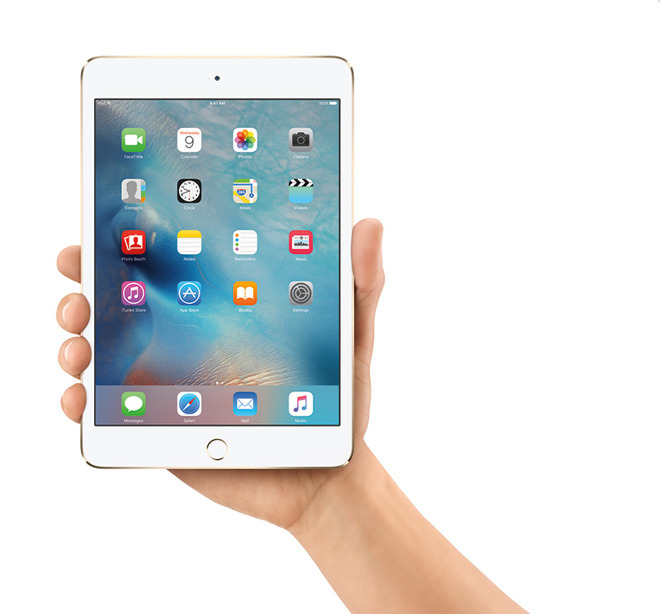
Upon its release in September 2015, the iPad Mini 4 was met with largely positive reviews, lauded for its significant improvements over its predecessor. It solidified its place as a premium small tablet, even amidst a rapidly changing tablet market landscape.
Market Position and Competition
The iPad Mini 4 entered a tablet market that was beginning to mature and diversify. Apple itself was expanding its tablet offerings with the introduction of the first iPad Pro, signaling a move towards more productivity-focused, larger-screen devices. This positioned the Mini 4 as the ultimate expression of portability within the iPad family, serving users who prioritized a small footprint without sacrificing performance. It sat below the flagship iPad Air and the new Pro models but well above the entry-level iPads in terms of internal specifications and price.
Its primary competition came from Android tablets, particularly high-end models from Samsung (like the Galaxy Tab S2) and Google (such as the Nexus 9, though slightly larger). These devices often offered similar screen resolutions and competitive specifications, but the iPad Mini 4 held an advantage with Apple’s superior app ecosystem, consistent software updates, and the generally higher quality of apps optimized for iPadOS. The Mini 4 appealed to users already invested in the Apple ecosystem, those who found larger tablets unwieldy, and readers who preferred a tablet closer to book size. It effectively answered the demand for a powerful, pocketable device that could handle a broad range of tasks, from media consumption to light productivity.
Critical Acclaim and User Feedback
Critics universally praised the iPad Mini 4 as the best small tablet Apple had ever made, and a worthy successor to the well-regarded Mini 2. The thinner, lighter design, combined with the greatly improved laminated display and anti-reflective coating, was a highlight for many reviewers. The leap to the A8 chip and 2GB of RAM also received significant appreciation, as it enabled smooth performance and full support for the new multitasking features of iOS 9. Many felt it finally brought the Mini series into parity with the capabilities of the larger, more expensive iPads.
User feedback largely echoed these sentiments. Owners appreciated the enhanced visual experience, the snappier performance, and the improved portability. For students, frequent travelers, or those who simply preferred a smaller device for reading and casual browsing, the Mini 4 struck an ideal balance. While some wished for an even faster A9 chip (which debuted in the iPhone 6S that same year) or features like stereo speakers, the overall consensus was that Apple had delivered a highly competent and desirable small tablet. Its longevity in terms of software support also contributed to positive long-term user satisfaction.
Software Updates and End-of-Life
A testament to Apple’s commitment to software support and the Mini 4’s capable hardware, the device launched with iOS 9 and continued to receive major iPadOS updates for many years. It supported all the way up to iPadOS 15, which was released in September 2021. This meant that for six years after its release, users could still access the latest features, security patches, and app compatibility, significantly extending the tablet’s useful lifespan.
The iPad Mini 4 was eventually discontinued by Apple in March 2019, making way for the fifth-generation iPad Mini. Its discontinuation marked the end of an era for the specific design and internal components, but its prolonged software support demonstrated its robust internal architecture. Even after its official discontinuation, the device remained a viable option for many users, thanks to its continued ability to run current software and a vast library of compatible applications.
The iPad Mini 4 in Today’s Landscape: Is it Still Relevant?
Six years after its initial release and several years after its discontinuation, the question of the iPad Mini 4’s relevance in today’s fast-evolving tech landscape is pertinent. While newer models have surpassed it in raw power and features, the Mini 4 still holds a unique position for certain users and specific use cases.
Performance for Modern Tasks
For basic tasks such as web browsing, email, social media, and streaming video (Netflix, YouTube), the iPad Mini 4 generally performs adequately. Its A8 chip and 2GB of RAM, while not cutting edge, can still handle these light workloads without significant lag. The Retina display remains excellent for media consumption and reading. However, when it comes to more demanding modern applications, its age begins to show. High-end 3D games may struggle with lower frame rates or graphics settings, and complex productivity apps like video editors or graphic design tools will feel sluggish compared to newer iPads.
Furthermore, while it supports iPadOS 15, it does not support all the advanced features that require newer hardware, such as Stage Manager or certain AR capabilities. Modern web pages with heavy JavaScript might load slower, and multitasking with several intensive apps can lead to reloads. For users who need a device for primary work or intensive content creation, the Mini 4 will likely feel underpowered and restrictive.
Value Proposition in the Used Market
For those on a tight budget, a used iPad Mini 4 can offer decent value. Prices on the secondary market are significantly lower than new iPads, making it an attractive option for a secondary device, a child’s first tablet, or a dedicated e-reader/media player. When considering a used Mini 4, it’s crucial to evaluate several factors:
- Battery Health: Batteries degrade over time. A used Mini 4’s battery may not last as long as it did when new. It’s advisable to check the battery health if possible or factor in the cost of a potential battery replacement.
- iOS Limitations: While it runs iPadOS 15, it will not receive further major OS updates. This means future apps might eventually drop support for iPadOS 15, and the device will lack the latest security patches and features.
- Storage Capacity: The Mini 4 was available in 16GB, 32GB, 64GB, and 128GB configurations. For modern use, 16GB is likely too small, especially with system files and a few apps. A 64GB or 128GB model offers more practical storage.
- Condition: Like any used electronics, check for screen damage, dings, dents, and functionality of buttons and ports.
Compared to newer budget iPads like the entry-level iPad (9th or 10th gen) or the latest iPad Mini 6, the Mini 4 lags significantly in performance, display technology, and accessory support (e.g., Apple Pencil 2). However, its much lower price point makes it an option for very specific, less demanding needs.
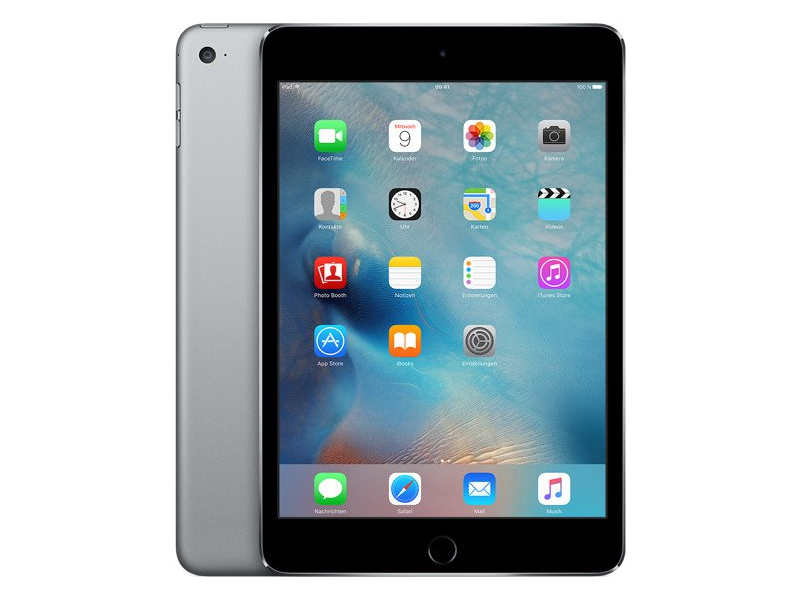
Who is the iPad Mini 4 For Now?
In 2023 and beyond, the iPad Mini 4 is best suited for a very specific segment of users:
- Casual Users: Those who primarily use a tablet for light web browsing, email, watching videos, or reading e-books and don’t require the latest performance or features.
- Children’s First Tablet: Its durable build (for its time) and access to a vast array of educational and entertainment apps make it a decent option for kids, especially if purchased used at a low price.
- Dedicated E-reader/Media Device: Its compact size and excellent display (for its age) make it ideal as a dedicated device for reading books, comics, or consuming streaming content, without the distractions of a larger, more powerful tablet.
- Secondary Screen: It can serve as a small, portable secondary display for monitoring smart home devices, displaying recipes in the kitchen, or as a dedicated video conferencing device for casual calls.
- Car/Dashboard Integration: Its size sometimes makes it a fit for custom car integrations for navigation or media.
It is not recommended for power users, students requiring a device for demanding schoolwork, professionals, or anyone who needs access to the absolute latest software features and highest performance from their tablet. For those users, newer iPad models, particularly the iPad Mini 6 or the standard iPads, offer a far more robust and future-proof experience.
In conclusion, the iPad Mini 4, launched in September 2015, was a significant and well-received update to Apple’s small tablet line. It delivered a refined design, a gorgeous laminated display, and a substantial performance boost that made it a compelling device for several years. While its technical specifications have been surpassed by newer generations, its longevity and continued support for iPadOS 15 highlight its enduring quality. Today, it remains a functional, albeit aging, piece of technology, best suited for light tasks and users who prioritize affordability and a compact form factor for specific, non-intensive uses. Its legacy is one of proving that even in a world of increasingly larger screens, there was, and still is, a strong demand for a powerful tablet that fits comfortably in one hand.
aViewFromTheCave is a participant in the Amazon Services LLC Associates Program, an affiliate advertising program designed to provide a means for sites to earn advertising fees by advertising and linking to Amazon.com. Amazon, the Amazon logo, AmazonSupply, and the AmazonSupply logo are trademarks of Amazon.com, Inc. or its affiliates. As an Amazon Associate we earn affiliate commissions from qualifying purchases.