
In an increasingly digital world, where screens dominate our professional and personal lives, the pervasive issue of eye pain has evolved beyond simple fatigue to a significant public health concern. Gone are the days when eye strain was primarily associated with reading in dim light; today, our eyes are under constant assault from pixels, blue light, and endless scrolling. This article delves into what to do for eye pain, specifically through the lens of technology, exploring its causes, preventative measures, and the innovative tech solutions available to mitigate and manage ocular discomfort in the digital age.
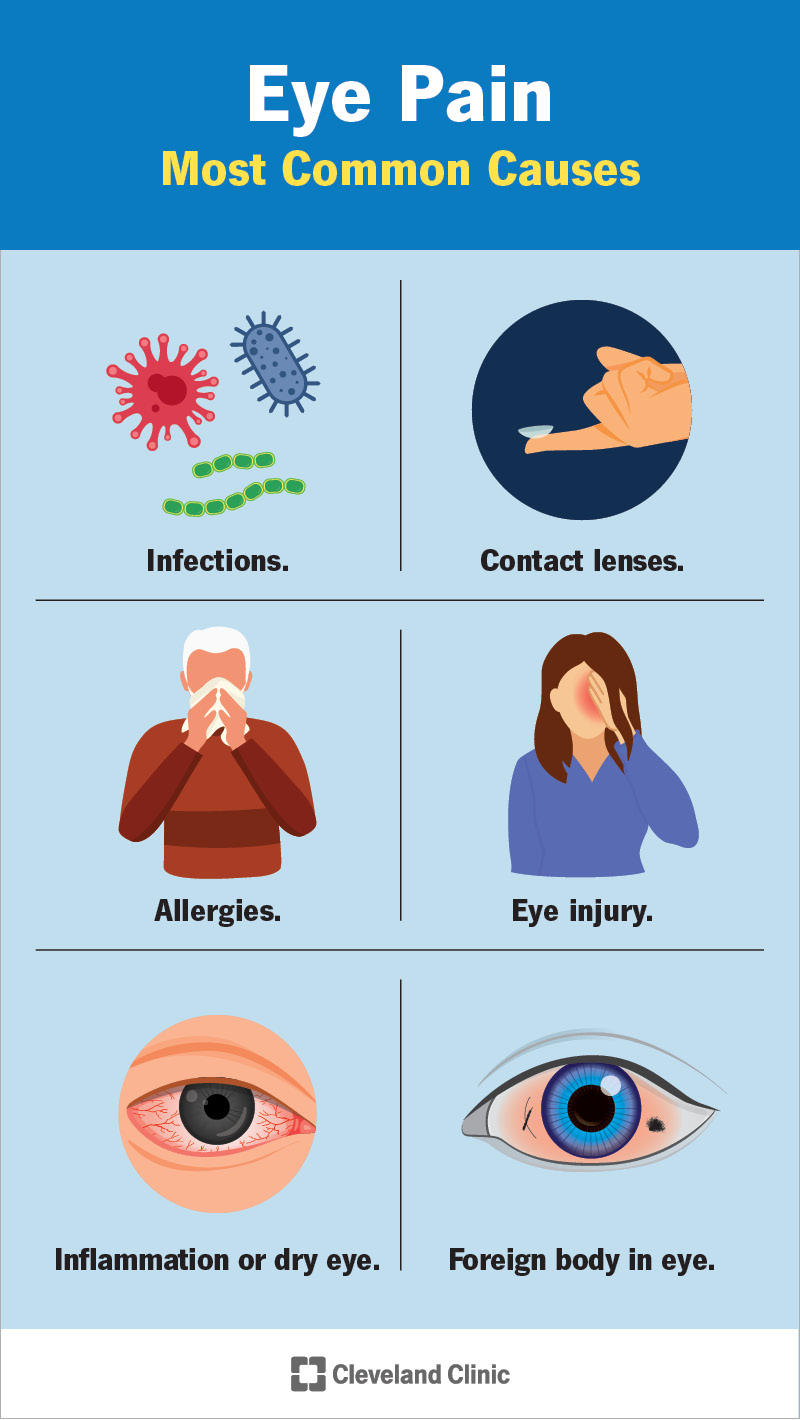
We spend an average of seven hours a day looking at screens, a figure that continues to climb. This intense visual engagement, coupled with improper ergonomics and inadequate breaks, has given rise to what is widely known as Digital Eye Strain (DES), or Computer Vision Syndrome. Far from a minor inconvenience, DES can manifest as a debilitating array of symptoms, impacting productivity, focus, and overall quality of life. Understanding the technological underpinnings of this modern malady is the first step towards effective intervention and long-term ocular health.
Understanding Digital Eye Strain: The Modern Epidemic
Digital Eye Strain is a condition resulting from focusing on a computer, tablet, or smartphone screen for prolonged periods. It’s not just a trivial annoyance; it’s a legitimate physiological response to the unique demands placed on our visual system by digital interfaces. The problem isn’t just the sheer amount of time spent in front of screens, but also the way we interact with them.
Common Symptoms and Causes
The symptoms of digital eye strain are varied and can range from mild irritation to significant discomfort. These commonly include dry eyes, blurred vision, headaches, neck and shoulder pain, sensitivity to light (photophobia), and difficulty concentrating. While some of these symptoms might overlap with other eye conditions, the crucial differentiator for DES is their direct correlation with screen time.
The causes are multi-faceted, heavily influenced by our technological habits:
- Reduced Blink Rate: When focusing intensely on a screen, our blink rate can decrease by up to 50%. Blinking is crucial for lubricating the eyes and spreading tears evenly across the ocular surface. A reduced blink rate leads to dry, irritated eyes.
- Blue Light Exposure: Digital screens emit high-energy visible (HEV) blue light. While natural blue light from the sun is beneficial for circadian rhythms, prolonged exposure to artificial blue light from screens, especially at night, can disrupt sleep patterns and contribute to eye fatigue. The long-term effects on retinal health are still under investigation, but short-term discomfort is undeniable.
- Improper Viewing Distance and Angle: Most people position their screens too close or too high/low, forcing their eyes and neck into unnatural positions. This poor ergonomics strains the muscles involved in eye movement and accommodation, leading to fatigue and pain.
- Glare and Poor Lighting: Reflective screens and unoptimized ambient lighting can create glare, forcing the eyes to work harder to perceive content, exacerbating strain.
- Uncorrected Vision Problems: Even minor refractive errors like astigmatism or farsightedness can become significantly more problematic when magnified by the demands of digital viewing, as the eyes constantly struggle to bring text into clear focus.
The Science Behind the Strain
At a physiological level, digital eye strain is a consequence of the intensive work our ciliary muscles and extraocular muscles perform. The ciliary muscle, responsible for changing the lens’s shape to focus on objects at different distances, is under constant tension when focusing on a near-field screen. This sustained accommodation effort leads to muscle fatigue, similar to how any other muscle would tire after prolonged exertion.
Furthermore, the saccadic eye movements – the rapid, jerky movements our eyes make when scanning lines of text – are different on a screen compared to print. Digital text often has less defined edges, lower contrast, and pixilation, which requires more effort from our visual system to process. This increased cognitive and muscular effort contributes to the feeling of strain. The dynamic nature of screen content, with its constant updates and visual changes, also keeps our brains and eyes in a heightened state of alert, further contributing to fatigue.
Leveraging Technology for Eye Health and Prevention
Ironically, the very technology that often causes eye pain can also be harnessed to prevent and alleviate it. From software adjustments to innovative hardware, a plethora of tech-driven solutions are available to safeguard our eyes in the digital era.
Software Solutions and Settings
Our devices are equipped with numerous features that, when properly utilized, can significantly reduce eye strain:
- The 20-20-20 Rule Apps: This universally recommended rule advises taking a 20-second break every 20 minutes to look at something 20 feet away. Numerous apps (e.g., Eye Care, WorkRave, F.lux) and browser extensions are available that provide automated reminders, often with customizable break durations and visual cues, ensuring users adhere to this vital practice without conscious effort.
- Blue Light Filters and Night Shift Modes: Most modern operating systems (iOS, Android, Windows, macOS) include built-in “Night Shift” or “Night Light” features that automatically reduce the amount of blue light emitted by screens, especially after sunset. Third-party software like f.lux also offers advanced customization. By shifting the screen’s color temperature towards warmer, redder tones, these tools can significantly reduce eye fatigue and mitigate sleep disruption.
- Font Size and Contrast Adjustments: Users can easily increase font sizes and adjust contrast settings on their devices to make text more legible, reducing the strain required to read. High-contrast themes and larger UI elements can make a considerable difference, especially for those with presbyopia or other mild visual impairments.
- Screen Calibration and Refresh Rate: Ensuring your monitor is properly calibrated for brightness and contrast can prevent eye fatigue. High refresh rate monitors (e.g., 120Hz or higher) can provide a smoother visual experience, reducing flicker and motion blur that can contribute to strain, though their impact on static text viewing is less pronounced.
Hardware Innovations for Comfort
Beyond software, hardware advancements are also playing a crucial role in promoting eye health:
- Blue Light Filtering Glasses and Screen Protectors: While software filters are effective, dedicated blue light filtering glasses offer an additional layer of protection, particularly for those working in environments where software adjustments are not always possible. Similarly, physical blue light filter screen protectors can be applied directly to monitors.
- Ergonomic Monitors and E-Ink Displays: Ergonomic monitors offer extensive adjustability in height, tilt, swivel, and pivot, allowing users to achieve optimal viewing angles. E-ink displays, found in e-readers, mimic the appearance of ink on paper, emitting no backlight and reducing glare, making them exceptionally comfortable for prolonged reading. While not suitable for all tasks, they are a game-changer for text-heavy work.
- Anti-Glare Screens: Many modern laptops and monitors come with matte, anti-glare finishes that disperse reflected light, minimizing irritating glare and improving visual comfort. For older screens, anti-glare filters can be purchased and applied.

AI-Powered Eye Care
Artificial Intelligence is emerging as a powerful ally in the fight against eye pain, offering personalized and proactive solutions:
- Posture and Gaze Tracking: AI-powered cameras and software can monitor a user’s posture and head position, providing real-time feedback and reminders to adjust. Some systems can even track eye gaze patterns, identifying signs of fatigue or improper viewing habits and suggesting breaks or adjustments.
- Personalized Break Reminders: Beyond simple 20-20-20 timers, AI can analyze individual usage patterns, workload, and even facial cues (like blinking frequency) to recommend optimal break times and durations, tailored to the user’s specific fatigue levels.
- Adaptive Display Technologies: Future AI systems could dynamically adjust screen brightness, contrast, and color temperature based on ambient lighting, user’s eye health data, and even the content being displayed, providing an always-optimized viewing experience.
Digital Wellness Strategies Beyond the Screen
While technology provides numerous solutions, managing eye pain in the digital age also requires a holistic approach that integrates mindful practices and environmental adjustments. These strategies, often enhanced by technology, are crucial for comprehensive eye care.
Ergonomics and Workspace Optimization
A well-designed workspace is fundamental to preventing eye pain. Technology can assist in identifying and correcting ergonomic deficiencies:
- Monitor Height and Distance: Position your monitor at arm’s length (20-40 inches) with the top of the screen at or slightly below eye level. Monitor arms, often equipped with USB ports and cable management, allow for easy adjustment.
- Optimal Lighting: Avoid placing your screen directly in front of a window or under harsh overhead lights to prevent glare. Use indirect, diffused lighting. Smart lighting systems can automatically adjust light intensity and color temperature throughout the day, optimizing the visual environment.
- Ergonomic Seating: A good ergonomic chair supports the natural curve of your spine and allows you to maintain a comfortable posture, reducing the likelihood of neck and shoulder pain that often accompanies eye strain. Wearable tech can even remind you to adjust your posture.
Integrating Analog Breaks
While screen breaks are essential, incorporating activities that completely disengage from digital interfaces can provide a much-needed respite for the eyes and mind.
- Mindfulness and Visual Exercises: Taking short breaks to perform eye exercises (e.g., palming, shifting gaze from near to far objects) or engaging in mindfulness meditation can reduce stress and allow eye muscles to relax. Apps can guide these exercises.
- Focusing on Distant Objects: Actively looking away from your screen and focusing on a distant object (e.g., out a window) for a few minutes allows your ciliary muscles to relax, reducing accommodative spasm.
- Physical Activity: Short bursts of physical activity not only improve overall health but also enhance blood circulation, including to the eyes, reducing fatigue. Fitness trackers can prompt these breaks.
When Technology Isn’t Enough: Seeking Professional Tech-Enabled Guidance
Despite the best preventative measures and tech-driven solutions, sometimes eye pain persists or signals a more serious underlying condition. In these instances, professional medical advice is paramount, and technology continues to play an enabling role.
Telemedicine for Eye Consultations
The rise of telemedicine has revolutionized access to eye care. Many optometrists and ophthalmologists now offer virtual consultations via secure video conferencing platforms. This allows patients to discuss symptoms, receive initial assessments, and get advice on whether an in-person visit is necessary, all from the comfort of their home. Apps and online portals facilitate appointment scheduling, medical record access, and prescription refills, streamlining the patient experience.
Advanced Diagnostic Tech
For in-person visits, modern ophthalmology clinics are equipped with sophisticated diagnostic technologies:
- Digital Imaging: High-resolution digital cameras and imaging systems (e.g., Optical Coherence Tomography – OCT) allow eye care professionals to capture detailed images of the retina, optic nerve, and other ocular structures, aiding in the early detection and management of conditions beyond simple strain.
- AI in Ophthalmology: AI is not only a preventive tool but also a powerful diagnostic aid. AI algorithms can analyze retinal scans and other imaging data to identify subtle signs of diseases like glaucoma, diabetic retinopathy, and macular degeneration, often more accurately and earlier than the human eye.
- Refractive Technology: Automated refractors and wavefront analyzers provide highly precise measurements of refractive errors, ensuring that glasses or contact lens prescriptions are perfectly tailored to correct vision, which in turn reduces strain.

Conclusion
Eye pain in the digital age is an undeniable challenge, stemming from our ubiquitous interaction with screens. However, understanding its tech-centric origins empowers us to leverage technology itself as a primary tool for prevention and relief. From intelligent software adjustments and ergonomic hardware innovations to AI-powered monitoring and virtual consultations, technology offers a comprehensive suite of solutions to safeguard our ocular health.
Proactive engagement with these tech-driven strategies, coupled with mindful digital wellness practices and timely professional guidance, is essential. By consciously managing our digital environments and adopting smart tech habits, we can mitigate the detrimental effects of prolonged screen time, ensuring our eyes remain comfortable, healthy, and ready to navigate the ever-evolving digital landscape. The goal is not to abandon technology, but to master it, transforming it from a source of discomfort into a powerful ally for lasting ocular well-being.
aViewFromTheCave is a participant in the Amazon Services LLC Associates Program, an affiliate advertising program designed to provide a means for sites to earn advertising fees by advertising and linking to Amazon.com. Amazon, the Amazon logo, AmazonSupply, and the AmazonSupply logo are trademarks of Amazon.com, Inc. or its affiliates. As an Amazon Associate we earn affiliate commissions from qualifying purchases.