
For decades, the global perception of Los Angeles was defined strictly by the silver screen and the sunset. However, a tectonic shift has occurred over the last ten years, transforming the “City of Angels” into a formidable global tech powerhouse. Known colloquially as “Silicon Beach,” the Los Angeles metropolitan area has evolved from a satellite office location into a primary engine for software development, aerospace innovation, and the burgeoning field of artificial intelligence.
When asking “where to go in LA” from a professional technology perspective, the answer is no longer a single neighborhood but a sprawling circuit of innovation hubs. This guide explores the essential geographic and digital nodes of the Los Angeles tech ecosystem, providing a roadmap for developers, investors, and tech enthusiasts looking to navigate this complex landscape.

Silicon Beach and the Geographic Pulse of LA Tech
The term “Silicon Beach” was originally coined to describe the stretch of coastal cities from Santa Monica to Venice, but today it encompasses a much broader territory. This is the heart of the consumer internet and social media sector in Southern California. For anyone looking to understand where the most influential code is being written, this coastal corridor is the primary destination.
Santa Monica and Venice: The Birthplace of the Modern Ecosystem
Santa Monica serves as the anchor of the LA tech scene. It is here that companies like Snap Inc. and Activision Blizzard established the region’s credibility as a hub for both social media and high-end gaming software. Venice, while smaller, remains the spiritual home of the “boutique” tech firm. Walking down Abbot Kinney, one is more likely to encounter the founder of a Web3 startup or a mobile app developer than a film producer. The tech culture here is defined by a “work-hard, play-hard” ethos that integrates digital productivity with the lifestyle of the Pacific coast.
Playa Vista: The Corporate Tech Hub
If Santa Monica is the creative spark, Playa Vista is the industrial engine. Often referred to as the “Lower Westside,” Playa Vista has become the go-to location for tech giants establishing a permanent Los Angeles footprint. Google’s massive “Spruce Goose” hangar—a landmark of aviation history turned into a state-of-the-art office—symbolizes this transition. Alongside Google, companies like YouTube, Meta, and Electronic Arts have created a concentrated campus environment. For tech professionals, this area represents the peak of corporate digital infrastructure and large-scale software engineering.
Culver City: Where Content Meets Code
Culver City has undergone a radical transformation into a “MadTech” (Media and Advertising Technology) hub. As streaming services became the dominant form of media consumption, the need for advanced backend infrastructure grew. Today, Amazon Studios and Apple TV+ have massive operations here, but the real story is the supporting cast of software companies specializing in digital asset management, cloud rendering, and streaming optimization. It is the best place in the city to witness the convergence of traditional storytelling and cutting-edge software engineering.
Navigating the AI and Biotech Revolution in Los Angeles
While the coastal regions focus on consumer software, the inland and northern corridors of Los Angeles are leading the charge in deep tech, artificial intelligence, and biotechnology. The “where to go” for these sectors is dictated by proximity to academic institutions and research facilities.
The Rise of Generative AI in Creative Tech
Los Angeles is uniquely positioned to lead the generative AI revolution because it sits at the intersection of creative intellectual property and algorithmic development. In neighborhoods like Hollywood and the Arts District, new startups are emerging that focus on AI-driven post-production, automated visual effects, and synthetic voice generation. These are not just “apps” but sophisticated machine learning models designed to disrupt the traditional entertainment supply chain. Visiting the various “AI Labs” popping up in the converted warehouses of the Arts District provides a glimpse into a future where code generates the next blockbuster.
Pasadena and the Aerospace-Deep Tech Corridor
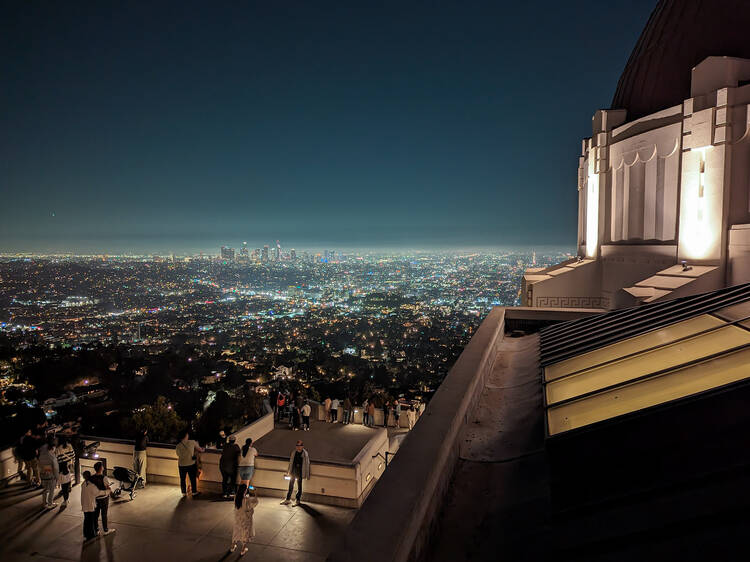
Heading northeast to Pasadena, the tech landscape shifts toward “hard tech” and aerospace. Driven by the presence of Caltech and the NASA Jet Propulsion Laboratory (JPL), Pasadena is a global center for robotics and space exploration technology. This is where you go to find the pioneers of hardware-software integration. The innovation here isn’t just about consumer convenience; it’s about planetary-scale data processing, satellite communication software, and autonomous systems. The tech scene in Pasadena is more academic and research-oriented, making it a critical stop for those interested in the foundational science behind modern technology.
Essential Digital Infrastructure and Smart City Initiatives
To understand the modern Los Angeles tech landscape, one must look beyond office buildings and into the city’s digital infrastructure. Los Angeles is currently a testing ground for some of the world’s most ambitious “Smart City” initiatives, utilizing IoT (Internet of Things) and 5G technology to manage one of the most complex urban environments on earth.
Connectivity and 5G: The Backbone of the Modern Angeleno Experience
Los Angeles has been at the forefront of 5G deployment. Because of its sprawling nature, the city required a massive rollout of small-cell technology to ensure seamless connectivity for its 4 million residents. This infrastructure has turned LA into a living laboratory for edge computing. For developers, this means the city is an ideal place to test low-latency applications, from augmented reality (AR) tourism apps to real-time traffic management systems. Exploring the “Smart Poles” in Downtown LA (DTLA) reveals how the city is integrating sensors into everyday street furniture to collect data on air quality, noise levels, and pedestrian flow.
Smart Infrastructure: How IoT is Reshaping Urban Mobility
Mobility tech is perhaps the most visible aspect of LA’s digital evolution. The city’s Department of Transportation (LADOT) has developed the Mobility Data Specification (MDS), a digital tool that allows the city to manage thousands of micro-mobility devices (like e-scooters) in real-time. This API-based approach to urban management has been adopted by cities worldwide. For those interested in the intersection of software and civil engineering, the various mobility hubs and tech-integrated transit corridors in neighborhoods like Koreatown and DTLA offer a masterclass in how data can be used to solve the “last-mile” transportation problem.
Networking and Growth: Where the Innovators Gather
In the tech world, “where to go” is often a question of where the community meets. Los Angeles has moved away from the traditional, stuffy business mixers toward dynamic, tech-centric co-working spaces and high-frequency industry events that foster cross-pollination between different tech niches.
Co-working Ecosystems: More Than Just a Desk
The co-working scene in Los Angeles is highly specialized. Spaces like Silicon Beach Collective or Hustle Fund cater specifically to early-stage founders looking for VC (Venture Capital) connections. Meanwhile, Second Home in Hollywood offers a blend of architectural beauty and a high-density tech community, focusing on sustainability and creative tech. These locations serve as the physical nodes of the LA tech network, where serendipitous meetings lead to the next big software merger or seed round.
Annual Tech Summits and Industry-Specific Meetups
To truly immerse oneself in the LA tech scene, one must follow the calendar of major events. LA Tech Week has become a cornerstone event, drawing thousands of developers and investors to the city for a week of hackathons, pitch competitions, and deep-dive panels on everything from cybersecurity to SaaS (Software as a Service) scaling. Additionally, the city hosts numerous “niche” meetups, such as the LA Ruby on Rails group or AI LA, which holds regular events at the intersection of technology and society. These gatherings are the lifeblood of the local ecosystem, providing a platform for knowledge sharing and professional growth.
The Future of the Los Angeles Tech Identity
As we look toward the future, the question of “where to go in LA” will continue to evolve. The city is currently investing heavily in the “Blue Economy”—tech focused on ocean health and sustainable shipping—centered around the Port of Los Angeles and San Pedro. This “AltaSea” campus represents the next frontier, bringing tech-driven solutions to global logistics and environmental challenges.
Los Angeles has successfully shed its reputation as a one-industry town. It is now a multifaceted digital metropolis where the software of Silicon Beach, the hardware of Pasadena, and the creative AI of Hollywood converge. For the tech professional, Los Angeles offers a unique value proposition: the ability to build world-changing technology within a culture that prioritizes creativity, diversity, and an unparalleled quality of life. Whether you are navigating the high-rises of Playa Vista or the research labs of Pasadena, the tech landscape of LA is as vast and varied as the city itself, offering endless opportunities for those ready to code the future.
aViewFromTheCave is a participant in the Amazon Services LLC Associates Program, an affiliate advertising program designed to provide a means for sites to earn advertising fees by advertising and linking to Amazon.com. Amazon, the Amazon logo, AmazonSupply, and the AmazonSupply logo are trademarks of Amazon.com, Inc. or its affiliates. As an Amazon Associate we earn affiliate commissions from qualifying purchases.