
The quest for the “best shampoo for falling hair” is a deeply personal and often frustrating journey for millions worldwide. It’s a search fueled by hope, concern, and the overwhelming array of products saturating the market. For consumers, the challenge lies in sifting through a myriad of claims, ingredients, and endorsements to find a product that genuinely delivers results. From a brand perspective, this intensely competitive landscape presents both immense opportunities and significant hurdles. Success hinges not just on product efficacy, but on sophisticated brand strategy, compelling messaging, and the ability to build and sustain consumer trust in an emotionally charged category. This article delves into how brands navigate this complex environment, from their strategic positioning and communication to the subtle psychological cues that influence consumer perception of what truly makes a shampoo “best” for hair fall.
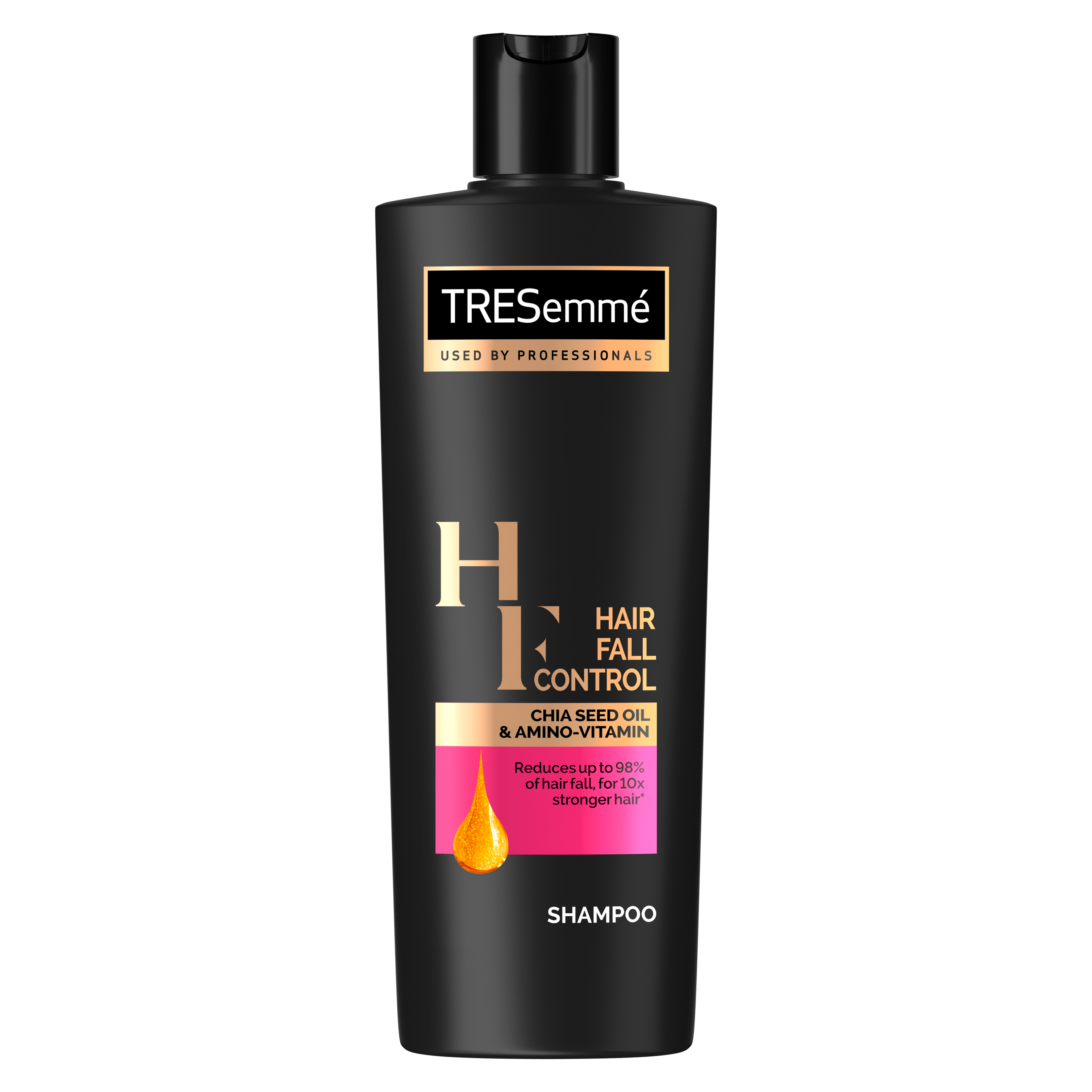
The Evolving Landscape of Hair Loss Solutions: A Branding Perspective
Hair loss, once a topic relegated to hushed conversations and specialized clinics, has firmly entered the mainstream consumer dialogue. This shift has dramatically reshaped the branding strategies for hair loss solutions, moving them from niche, often clinical, offerings to everyday essentials found on supermarket shelves and in prestige beauty stores.
From Niche Concern to Mainstream Market
For decades, addressing hair fall often involved medical consultation, prescription treatments, or specialized salon services. The products available were typically functional, focusing on clinical claims with minimal emphasis on aesthetic branding. However, as societal norms around self-care and appearance have evolved, and as the demographic experiencing hair thinning has broadened, brands recognized an untapped opportunity. They began to de-medicalize the conversation, framing hair fall as a common beauty concern that could be managed with accessible, daily-use products.
This mainstreaming required a significant rebranding effort. Products designed for hair loss transitioned from sterile, clinical packaging to more inviting, aesthetically pleasing designs that blended seamlessly with other haircare categories. The language shifted from purely scientific jargon to aspirational terms like “revitalize,” “thicken,” and “strengthen.” This strategic pivot allowed brands to tap into a broader consumer base, including those experiencing early signs of thinning, preventative care seekers, and individuals looking for holistic hair health solutions, rather than just treating an advanced condition. The challenge for brands then became how to convey serious efficacy within a more consumer-friendly, lifestyle-oriented package.
The Science-Backed vs. Natural Approach: Dual Branding Strategies
In the fight against hair fall, brands primarily employ two distinct, yet equally powerful, branding strategies: the “science-backed” approach and the “natural/organic” approach. Each caters to a different consumer mindset and builds trust through divergent pathways.
The science-backed approach emphasizes clinical research, dermatological endorsements, patented ingredients, and measurable results. Brands adopting this strategy often highlight specific active compounds like minoxidil, ketoconazole, caffeine, or proprietary peptide complexes. Their branding is typically sleek, minimalist, and often features white or metallic packaging, evoking a sense of laboratory precision and medical authority. Messaging focuses on “proven results,” “clinical studies,” and “expert recommendations,” appealing to consumers who prioritize tangible evidence and professional validation. Ingredients are often explained in detail, sometimes with diagrams illustrating their mechanism of action, aiming to educate and reassure a discerning audience seeking clear, demonstrable efficacy.
Conversely, the natural/organic approach appeals to consumers who are wary of synthetic chemicals and prefer solutions derived from botanical sources. These brands champion ingredients like biotin, essential oils (rosemary, peppermint), saw palmetto, ginseng, and various plant extracts known for their purported hair-strengthening or scalp-stimulating properties. Their branding often features earthy tones, botanical illustrations, and packaging made from recycled or sustainable materials, conveying purity, safety, and environmental consciousness. The narrative centers on “gentle care,” “holistic health,” and “free from harsh chemicals,” resonating with consumers seeking a cleaner, more sustainable, and often more sensory, haircare experience. Trust is built through transparency about ingredient sourcing, ethical practices, and a connection to nature, rather than strictly clinical proof.
Many brands strategically blend these approaches, perhaps offering “naturally derived, scientifically optimized” formulas. However, the core branding often leans heavily towards one end of the spectrum to establish a clear identity and target specific consumer values. Understanding these dual strategies is crucial for brands aiming to carve out a distinct position in the competitive anti-hair fall market.
Decoding Brand Messaging: Ingredients, Claims, and Consumer Trust
In a category as sensitive and personal as hair fall, brand messaging is paramount. It’s not just about what a shampoo does, but how its brand communicates what it does, and how effectively it builds trust with a skeptical consumer base.
The Power of Key Ingredient Branding
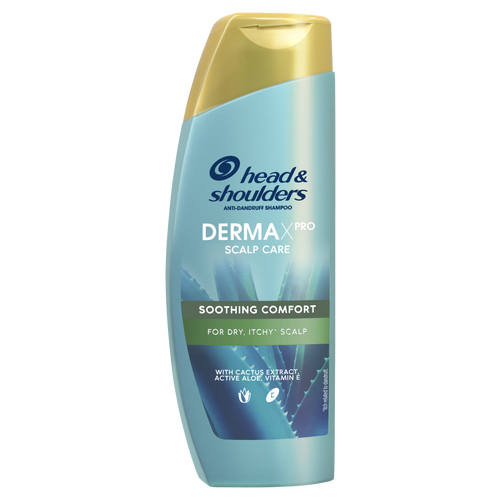
Specific ingredients have become powerful brand differentiators and marketing buzzwords in the anti-hair fall category. Brands strategically elevate certain compounds, making them synonymous with efficacy and innovation. For instance, biotin, a B vitamin, is widely recognized as a “hair vitamin,” leading many brands to prominently feature it, even if its topical efficacy for hair loss is debated. Similarly, caffeine has gained traction due to studies suggesting it can stimulate hair follicles, making it a star ingredient for many “energizing” anti-fall shampoos. Ketoconazole, often found in anti-dandruff shampoos, is also branded for its potential to address fungal conditions that can contribute to hair loss. Minoxidil, a well-known pharmaceutical, inspires brands to create non-medicinal products with similar “follicle-stimulating” claims, sometimes using botanical analogues.
The challenge for brands lies in managing consumer expectations. While an ingredient might have scientific backing for some aspect of hair health, its efficacy in a shampoo formulation for specific hair loss types can vary. Brands must walk a fine line: highlighting compelling ingredients to attract attention and build a perception of advanced formulation, while being careful not to overpromise. Successful ingredient branding involves more than just listing an ingredient; it’s about creating a narrative around its benefits, often supported by appealing visual representations and simplified scientific explanations that resonate with the average consumer.
Navigating Marketing Claims: From “Reduces Breakage” to “Promotes Growth”
The language used in marketing claims for anti-hair fall shampoos spans a wide spectrum, from conservative and verifiable statements to more ambitious assertions. Brands meticulously craft these claims to attract consumers while adhering to regulatory guidelines, which vary significantly by region.
Claims like “reduces breakage” or “strengthens hair from root to tip” are common and often easier to substantiate, as they relate to the physical integrity of existing hair strands. These claims appeal to consumers experiencing hair fall due due to fragility or damage. More potent claims, such as “promotes new hair growth,” “thickens hair,” or “reduces hair shedding,” carry greater weight and often require more rigorous scientific backing. Brands making these claims typically invest in clinical trials, consumer perception studies, or rely on active ingredients with established efficacy.
The art of brand communication lies in balancing aspiration with honesty. Brands use carefully chosen words, disclaimers, and visual imagery to imply benefits without explicitly stating outcomes that might be difficult to prove for every individual. For example, a brand might show images of voluminous hair, implying growth, while their written claim focuses on “creating an optimal scalp environment for healthy hair,” which is less direct but still evocative. The role of regulatory bodies, consumer protection agencies, and self-regulation within the industry is critical in preventing misleading advertising, ensuring that brands maintain a level of integrity, even as they push boundaries to differentiate themselves.
Celebrity Endorsements and Influencer Marketing: Building Brand Credibility
In today’s digital age, celebrity endorsements and influencer marketing have become potent tools for brands seeking to build credibility and reach new audiences in the anti-hair fall segment. The emotional nature of hair loss makes personal testimonials particularly impactful.
Celebrities, with their aspirational appeal and public personas, lend a sense of glamour and trustworthiness to products. When a recognizable face shares their “personal journey” with hair fall and credits a particular shampoo for their transformation, it can significantly boost brand visibility and perceived efficacy. Consumers often project the celebrity’s perceived beauty and success onto the product, making it seem more desirable and effective.
Influencer marketing takes this a step further, leveraging micro- and macro-influencers who share relatable experiences and recommendations with their engaged followers. These endorsements often feel more authentic and peer-driven, as influencers frequently document their usage over time, sharing before-and-after results (or at least their personal experience). Brands carefully select influencers whose aesthetics, values, and audience demographics align with their target market, fostering a sense of community and shared struggle. The challenge for brands is to ensure these endorsements feel genuine and not overly commercial, as consumers are increasingly savvy about sponsored content. Successful campaigns integrate the product seamlessly into an influencer’s lifestyle, making the recommendation feel like a trusted tip rather than a blatant advertisement.
The Role of Packaging and Design in Brand Perception
Beyond ingredients and claims, the physical presence of a product—its packaging and design—plays an instrumental role in shaping brand perception and influencing purchasing decisions for anti-hair fall shampoos. It’s often the first point of contact and a powerful non-verbal communicator of a brand’s ethos and promises.
Visual Cues and Brand Identity
Packaging serves as a silent salesperson, conveying essential brand messages through its visual cues. For anti-hair fall products, these cues are carefully calibrated to align with either the “science-backed” or “natural” branding strategy.
- Science-backed brands often opt for minimalist designs, clean lines, and a color palette dominated by whites, blues, silvers, and grays. Typography is typically sans-serif, precise, and authoritative. Medical cross symbols, subtle scientific motifs, or laboratory-style graphics might be incorporated. This aesthetic communicates efficacy, clinical authority, and innovation, reassuring consumers that the product is a serious solution.
- Natural/organic brands, on the other hand, gravitate towards earthy tones like greens, browns, and muted pastels. They may feature botanical illustrations, leaf motifs, or images of natural ingredients. Packaging materials might include frosted glass, bamboo accents, or recycled plastics, emphasizing sustainability and purity. Typography is often more organic, handwritten-style, or evokes a handcrafted feel, communicating gentleness, authenticity, and a connection to nature.
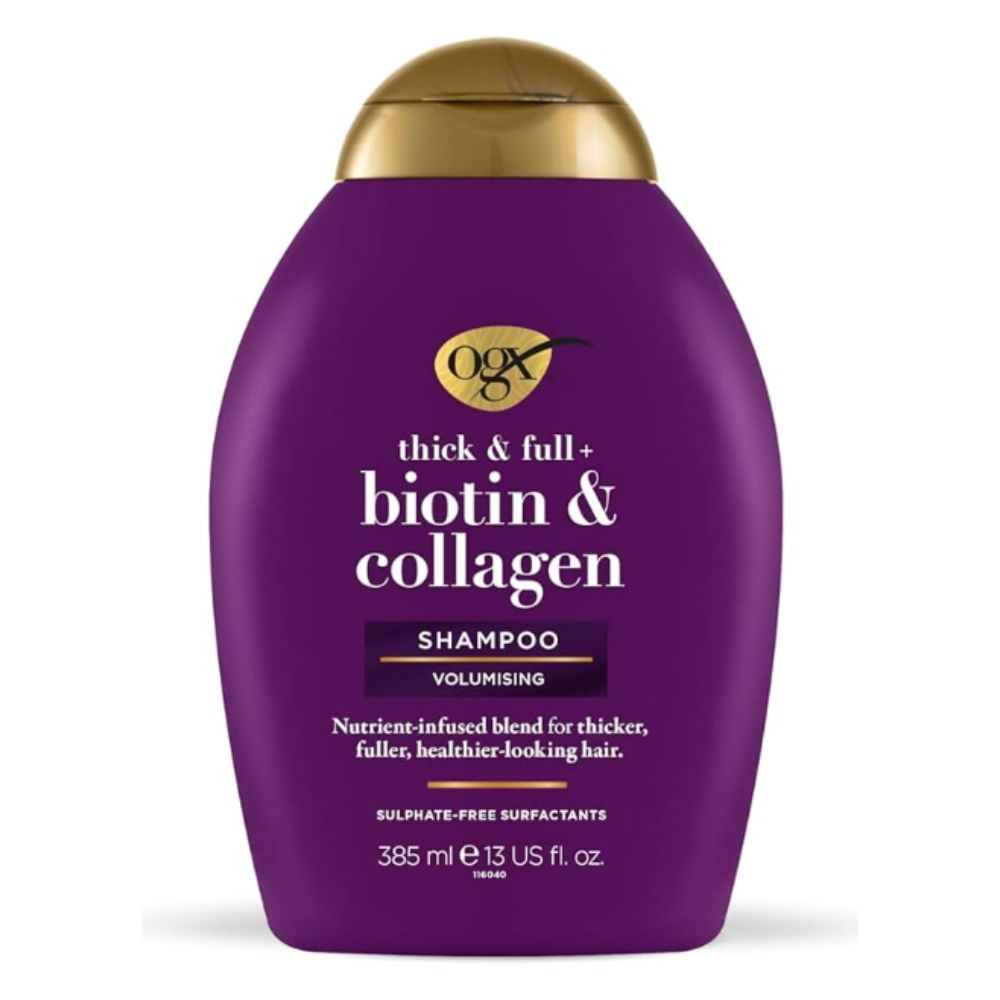
Beyond color and graphics, the shape and material of the bottle itself contribute to brand identity. A sleek, ergonomic bottle might suggest modern efficiency, while a sturdy, heavy glass bottle could convey luxury and premium quality. These visual elements collectively form a brand’s identity, allowing consumers to instantly categorize and understand what a brand stands for before even reading a single word.
User Experience and Brand Loyalty
Packaging design extends beyond aesthetics to encompass the user experience, which is crucial for fostering brand loyalty. A shampoo bottle’s functionality—how easy it is to open, dispense, and hold in the shower—can significantly impact a consumer’s perception of quality and convenience.
Consider the practical aspects:
- Dispensing mechanism: A pump dispenser might be preferred for ease of use and controlled dosage, especially for thicker formulas or larger bottles. A flip-top cap needs to be secure enough to prevent leaks but easy enough to open with wet hands.
- Bottle shape and size: An ergonomic shape that fits comfortably in the hand enhances the shower experience. Travel-friendly sizes cater to specific needs, expanding a brand’s reach.
- Material quality: Durable plastic that doesn’t crack easily, or a sophisticated matte finish, contributes to a perception of premium quality and attention to detail.
When a brand invests in thoughtful packaging that not only looks appealing but is also highly functional, it communicates an understanding of the consumer’s daily routine and a commitment to overall product quality. This positive user experience can reinforce the brand’s perceived value and encourage repeat purchases, transforming a first-time buyer into a loyal advocate, crucial in a market where the “best” shampoo is often the one that consistently delivers a satisfying experience.
Case Studies in Anti-Hair Fall Branding: Successes and Challenges
The anti-hair fall market is a microcosm of broader brand dynamics, where established giants contend with agile disruptors, and success hinges on more than just product. It’s about compelling narratives and deep consumer engagement.
Established Giants vs. Disruptor Brands
Established Giants: Brands like Nioxin, Kerastase (with its Densifique range), and Rogaine (though more pharmaceutical, its brand influence extends) have built their dominance on years of research, dermatologist recommendations, and significant marketing budgets. Their branding often emphasizes heritage, scientific authority, and consistent performance. Nioxin, for example, pioneered the “skin care for hair” concept, focusing on scalp health as the foundation for thicker hair, establishing a strong, professional-backed identity. Kerastase, positioned in the luxury segment, leverages salon partnerships and sophisticated formulations to justify its premium pricing, appealing to consumers who view haircare as an indulgence. The challenge for these giants is to remain innovative and relevant, fending off newer, more agile competitors without diluting their established brand equity. They often achieve this through line extensions, updated formulations, and adapting to new communication channels while maintaining their core values.
Disruptor Brands: The rise of direct-to-consumer (DTC) models and ingredient-focused beauty has birthed disruptor brands that challenge the status quo. Brands like The Ordinary (via Deciem) with its “Multi-Peptide Serum for Hair Density” or Vegamour with its vegan, phyto-active formulas, exemplify this. The Ordinary, true to its brand identity, demystifies ingredients, offering targeted solutions at accessible price points, appealing to a scientifically curious, budget-conscious consumer. Vegamour, on the other hand, positions itself as a clean beauty leader, leveraging strong sustainability messaging and cruelty-free certifications, attracting environmentally conscious consumers seeking natural alternatives. These disruptors often succeed by identifying underserved niches, communicating transparently, and building vibrant online communities, bypassing traditional retail channels and often offering a more personalized brand experience. Their challenge is scalability and maintaining authentic connections as they grow.
Building a Community: Brand Storytelling and Engagement
Beyond product features, the most successful anti-hair fall brands today understand the power of storytelling and community building. Hair loss is often accompanied by emotional distress, and brands that acknowledge and address this can forge deeper connections.
Brand Storytelling: This involves crafting a narrative around the brand’s mission, its founders’ motivations, or the science behind its products in an emotionally resonant way. A brand might tell the story of a scientist’s personal struggle with hair loss leading to the development of a solution, or the journey of sourcing exotic botanical ingredients from remote regions. This narrative humanizes the brand, making it more relatable and trustworthy than mere product specifications. It creates a sense of shared purpose, inviting consumers to become part of the brand’s journey towards healthier hair.
Engagement and Community: Modern brands go beyond selling products; they aim to create platforms for dialogue and support. This can manifest through:
- Educational content: Blogs, videos, and social media posts that offer expert advice on hair health, demystify ingredients, and provide practical tips for managing hair fall.
- User-generated content (UGC): Encouraging customers to share their experiences, before-and-after photos, and testimonials, creating a powerful form of social proof.
- Online forums and groups: Facilitating direct interaction between customers, allowing them to share tips, offer support, and discuss their hair journeys, all within a brand-associated ecosystem.
- Customer service: Providing empathetic and knowledgeable support that addresses individual concerns, turning potential frustrations into opportunities to build loyalty.
By fostering a sense of community, brands move beyond transactional relationships, creating loyal advocates who not only purchase their products but also champion the brand to others, becoming organic extensions of its marketing efforts. This strategy is particularly effective in the anti-hair fall category, where shared experience and mutual support can significantly enhance a product’s perceived value.
Strategies for Brands to Earn Trust and Deliver Value
In a market saturated with claims and choices, earning and maintaining consumer trust is the ultimate currency for anti-hair fall shampoo brands. This requires a multifaceted approach focused on transparency, personalization, and sustained engagement.
Transparency and Education
For consumers grappling with hair fall, skepticism is a natural response to the vast number of products promising miraculous results. Brands that prioritize transparency and education stand to gain significant trust. This means:
- Clear Ingredient Lists: Going beyond just listing ingredients to explain their purpose and function, especially key actives.
- Realistic Expectations: Brands should avoid over-promising and instead communicate what consumers can realistically expect, including the timeframe for results and potential limitations. For example, clarifying that a shampoo primarily addresses shedding due to breakage rather than genetic hair loss.
- Scientific Backing: When making scientific claims, brands should provide accessible summaries of their research or clinical studies, allowing consumers to delve deeper if they wish.
- Honest Sourcing: For natural brands, transparency about ingredient origin and ethical sourcing practices builds confidence.
Educational content, delivered through blog posts, FAQs, and social media, empowers consumers to make informed decisions, transforming them from passive buyers into knowledgeable partners in their hair health journey. When a brand educates rather than just advertises, it positions itself as an authority and a trusted resource.
Personalization and Customization
The “best” shampoo for falling hair is rarely a one-size-fits-all solution, as hair loss can stem from various causes (genetics, stress, nutrition, scalp health, damage). Brands are increasingly leveraging data and innovative approaches to offer personalized and customized solutions, even within the mass market.
- Diagnostic Quizzes: Many brands now offer online quizzes that assess a consumer’s hair type, concerns, lifestyle, and underlying causes of hair fall. Based on the responses, the brand recommends a tailored regimen, often including specific shampoo, conditioner, and supplemental treatments. This approach mimics a personalized consultation, enhancing the perceived efficacy and relevance of the recommendation.
- Targeted Collections: Instead of a single “anti-hair fall” shampoo, brands might offer lines specifically for “thinning hair,” “fragile hair prone to breakage,” or “scalp health for hair growth.” This allows consumers to self-identify with a specific problem and find a more targeted solution.
- Subscription Boxes/Custom Formulations: Some cutting-edge brands are even exploring custom-blended shampoos based on individual profiles or subscription models that adjust product formulations over time. While the core “shampoo” product might not be a piece of “tech,” the delivery and recommendation system is increasingly data-driven, providing a highly personalized brand experience.
Personalization increases the likelihood of a product being genuinely effective for an individual, strengthening brand loyalty and a sense of being understood and cared for.
Post-Purchase Engagement and Feedback Loops
The brand journey doesn’t end at the point of sale; in the anti-hair fall category, post-purchase engagement is vital for long-term success. Brands that actively seek and respond to feedback demonstrate a commitment to continuous improvement and customer satisfaction.
- Follow-up Communication: Sending emails with tips for using the product effectively, managing expectations, or suggesting complementary products can enhance the customer experience.
- Feedback Surveys: Actively soliciting reviews and feedback through surveys helps brands understand what’s working and what isn’t. This data is invaluable for refining product formulations, improving marketing messages, and identifying areas for customer service enhancement.
- Customer Support: Accessible, empathetic, and knowledgeable customer service is paramount. Addressing concerns or issues promptly and effectively can turn a potentially negative experience into an opportunity to reinforce brand trust.
- Community Building: As discussed earlier, nurturing online communities where customers can share experiences and support each other post-purchase reinforces loyalty and creates a powerful network of brand advocates.
By closing the loop between purchase and feedback, brands create an ecosystem of continuous improvement and customer-centricity. This iterative process allows them to evolve their offerings, strengthen their brand narrative, and ultimately earn the long-term trust and loyalty that defines a truly “best” product in the eyes of the consumer.
In conclusion, determining “what shampoo is best for falling hair” is not merely a question of ingredients or claims; it’s a complex interplay of brand strategy, effective communication, and deeply human psychology. For brands, success in this sensitive market hinges on building trust through transparency, delivering perceived value through targeted solutions, and fostering lasting relationships through authentic engagement. The brands that understand and master these elements are the ones that will truly resonate with consumers on their personal journey to healthier, fuller hair.
aViewFromTheCave is a participant in the Amazon Services LLC Associates Program, an affiliate advertising program designed to provide a means for sites to earn advertising fees by advertising and linking to Amazon.com. Amazon, the Amazon logo, AmazonSupply, and the AmazonSupply logo are trademarks of Amazon.com, Inc. or its affiliates. As an Amazon Associate we earn affiliate commissions from qualifying purchases.