
To understand the economic landscape of modern India, one must look beyond the traditional metrics of GDP growth and industrial output. While the demographic answer to “what religion is most of India” is clearly Hinduism—comprising approximately 80% of the population—the financial implications of this majority are staggering. In India, faith is not merely a private matter of the soul; it is a monumental driver of business finance, personal investment strategies, and a burgeoning “spiritual tech” market.
The “God Market” in India is estimated to be worth over $40 billion annually. This figure encompasses everything from temple endowments and religious tourism to the massive seasonal spikes in consumer spending driven by religious festivals. For investors, entrepreneurs, and financial analysts, understanding the majority religion of India is essential to navigating the country’s unique capitalistic structure.
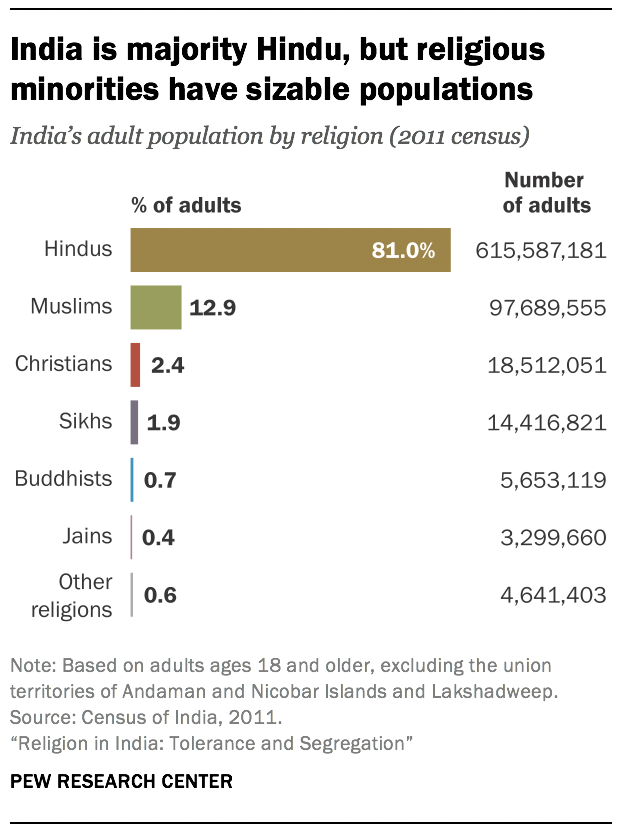
The Spiritual Market: Understanding the Financial Scale of Hinduism in India
The sheer scale of Hinduism’s influence on the Indian economy is difficult to overstate. Because the majority of the population adheres to this faith, their daily rituals, life-stage transitions, and communal celebrations dictate the flow of billions of dollars.
The Valuation of the “God Market”
The religious economy in India functions as a parallel financial system. Unlike many Western economies where the “business of religion” is often marginalized to charitable donations, in India, it is a primary economic engine. Research indicates that the spiritual and religious market in India is growing at an annual rate of over 10%. This sector includes the sale of religious artifacts, the construction of temples, and the professionalization of ritual services. For business finance professionals, this represents a recession-proof sector; faith-based spending often remains stable even when other discretionary spending categories dip.
Temple Trusts as Economic Powerhouses
The financial repositories of India’s majority religion are its major temple trusts. Institutions like the Tirumala Tirupati Devasthanams (TTD) in Andhra Pradesh or the Shree Siddhivinayak Temple in Mumbai manage assets that rival some of the world’s largest hedge funds. TTD, for instance, manages a wealth portfolio that includes over 10 tonnes of gold and thousands of crores in fixed deposits. These trusts do not just sit on capital; they are major players in the institutional investment landscape, funding infrastructure, healthcare, and educational institutions, thereby acting as critical hubs for regional economic development.
Religious Tourism: A Key Driver of Regional and National GDP
While technology and manufacturing are often cited as India’s future, religious tourism remains one of its most consistent revenue generators. As the majority religion, Hindu pilgrimage circuits—the “Tirthayatra”—create a massive demand for logistics, hospitality, and real estate development.
The Infrastructure Boom in Pilgrimage Cities
In recent years, the Indian government and private investors have recognized the untapped financial potential of religious hubs. Cities like Varanasi, Ayodhya, and Rishikesh have seen multi-billion dollar investments in infrastructure. The “Kashi Vishwanath Corridor” project in Varanasi, for example, led to a 10x increase in tourist footfall, which in turn spiked local property values and commercial business opportunities. For real estate investors, these “faith hubs” represent some of the highest ROI (Return on Investment) zones in the country, driven by a constant influx of visitors regardless of global economic cycles.
Hospitality and Transport: The Secondary Financial Benefits
The business of moving and housing millions of pilgrims is a goldmine for the transport and hospitality sectors. Low-cost airlines and premium hotel chains are increasingly pivoting their business strategies to cater to the Hindu pilgrimage routes. From budget homestays to luxury spiritual retreats, the hospitality sector in these regions is seeing a shift toward “spiritual wellness,” a niche that combines religious duty with high-end consumer spending. This creates a ripple effect in the local economy, generating employment and boosting the regional GST (Goods and Services Tax) collections.
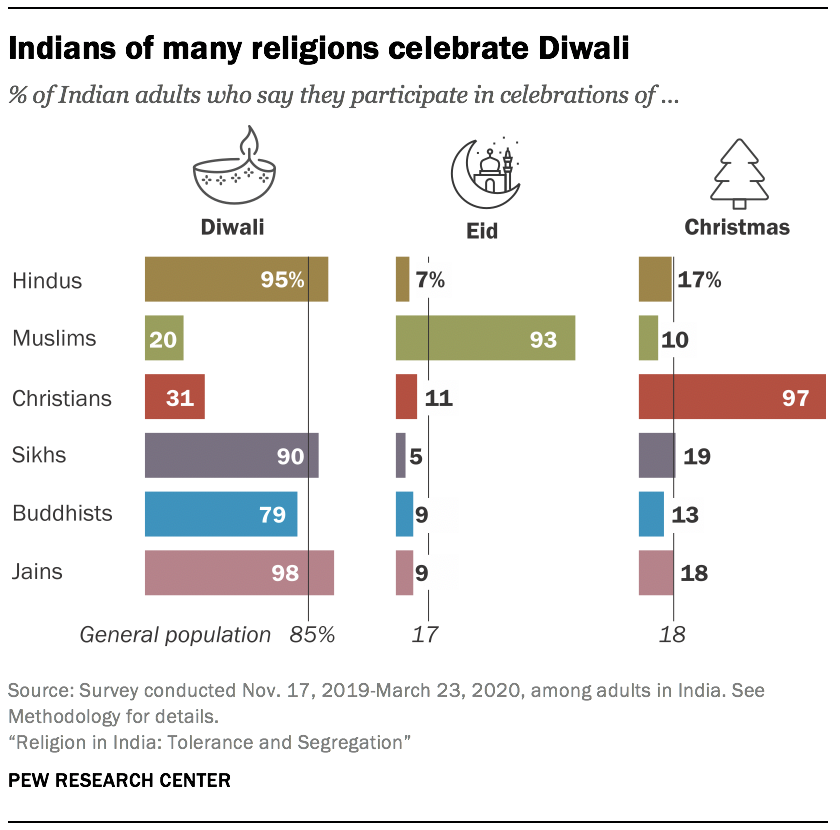
The Festive Economy: Seasonal Investing and Consumer Spending
The calendar of India’s majority religion is punctuated by festivals that serve as the primary catalysts for the country’s retail and financial sectors. These festivals are not just cultural events; they are the most significant periods for personal finance management and corporate revenue generation.
Diwali and the Gold Market: A Deep Dive into Personal Finance
Perhaps the most direct link between religion and money in India is the purchase of gold during festivals like Dhanteras and Diwali. In Hindu tradition, buying gold is considered auspicious, representing the arrival of the goddess Lakshmi (the deity of wealth). This religious belief makes India one of the largest consumers of gold globally.
From a personal finance perspective, gold acts as a hedge against inflation and a primary form of household savings for millions of Indians. During the festive season, the surge in demand can influence global gold prices. For financial advisors in India, navigating the “gold cycle” is a critical part of portfolio management for Indian clients, who often prioritize physical gold or Sovereign Gold Bonds (SGBs) as a core asset class.
E-commerce and Religious Occasions
The “Big Billion Day” sales and other massive e-commerce events are strategically timed to coincide with major Hindu festivals. During the Navratri and Diwali period, e-commerce giants like Amazon and Flipkart report record-breaking GMV (Gross Merchandise Value), often accounting for 30-40% of their annual sales. This period sees a massive spike in “online income” for small-to-medium enterprises (SMEs) that sell through these platforms, highlighting how religious traditions have become integrated into the digital economy’s infrastructure.
Emerging Investment Frontiers in the Spiritual Sector
As India becomes more digitized, the majority religion is finding new life in the “Spiritual Tech” or “Faith-Tech” sector. This represents a new frontier for venture capital and individual side hustles.
Startups and the “Astro-Tech” Revenue Model
The intersection of ancient traditions and modern technology has birthed a new category of startups. Apps offering online puja (prayer) services, astrology consultations, and digital temple tours are attracting significant VC funding. Startups like Vama, DevDarshan, and Astrotalk have proven that the demand for spiritual connectivity is high among the younger, tech-savvy demographic of India’s majority religion. For those looking for side hustles or online income opportunities, the “creator economy” within the spiritual niche—such as spiritual coaching, Sanskrit teaching, or religious content creation—is becoming increasingly lucrative.
Ethical Investing and ESG Trends in India
The principles of the majority religion are also beginning to influence modern investment philosophies. Many Indian investors are leaning toward “Sattvic” or ethical investing, avoiding industries like liquor, tobacco, or meat processing based on religious and cultural values. This is creating a uniquely Indian version of ESG (Environmental, Social, and Governance) investing. Financial tools and mutual funds that cater to these ethical requirements are gaining traction, allowing investors to align their financial goals with their spiritual identities.
Conclusion: The Future of Faith-Based Finance in India
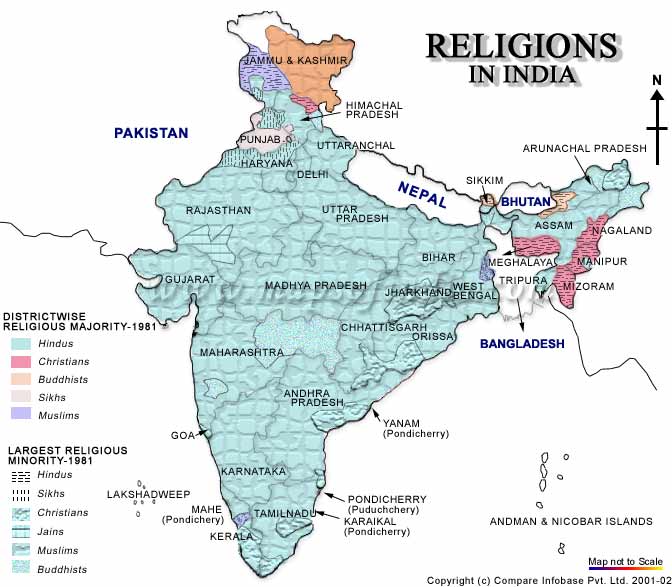
Answering the question “what religion is most of India” provides more than just a demographic statistic; it provides a roadmap for understanding the country’s financial pulse. Hinduism, as the majority faith, does not just influence personal lives—it shapes the stock market, dictates real estate trends, and fuels the next generation of tech startups.
For the modern investor or business professional, the “Spiritual Economy” of India is an essential study in resilience and growth. As infrastructure improves and digital access expands, the economic weight of India’s religious majority will only continue to grow. Whether it is through the multi-ton gold reserves of ancient temples or the high-speed growth of astrology apps, the fusion of faith and finance remains the bedrock of the Indian economic story. By aligning financial strategies with these cultural and religious cycles, businesses and individuals alike can tap into one of the most stable and vibrant markets in the world.
aViewFromTheCave is a participant in the Amazon Services LLC Associates Program, an affiliate advertising program designed to provide a means for sites to earn advertising fees by advertising and linking to Amazon.com. Amazon, the Amazon logo, AmazonSupply, and the AmazonSupply logo are trademarks of Amazon.com, Inc. or its affiliates. As an Amazon Associate we earn affiliate commissions from qualifying purchases.