
The allure of the millionaire status has captivated imaginations for generations. It represents not just a numerical threshold but often symbolizes financial freedom, security, and the achievement of significant success. For many, becoming a millionaire is a quintessential benchmark of economic accomplishment, a goal worth striving for, and a topic that sparks curiosity about how many people have actually reached this coveted stratum of wealth. But beyond the popular imagination, what is the actual reality? How many individuals, particularly in the United States, can genuinely claim to be millionaires, and what does that even mean in today’s economic landscape?
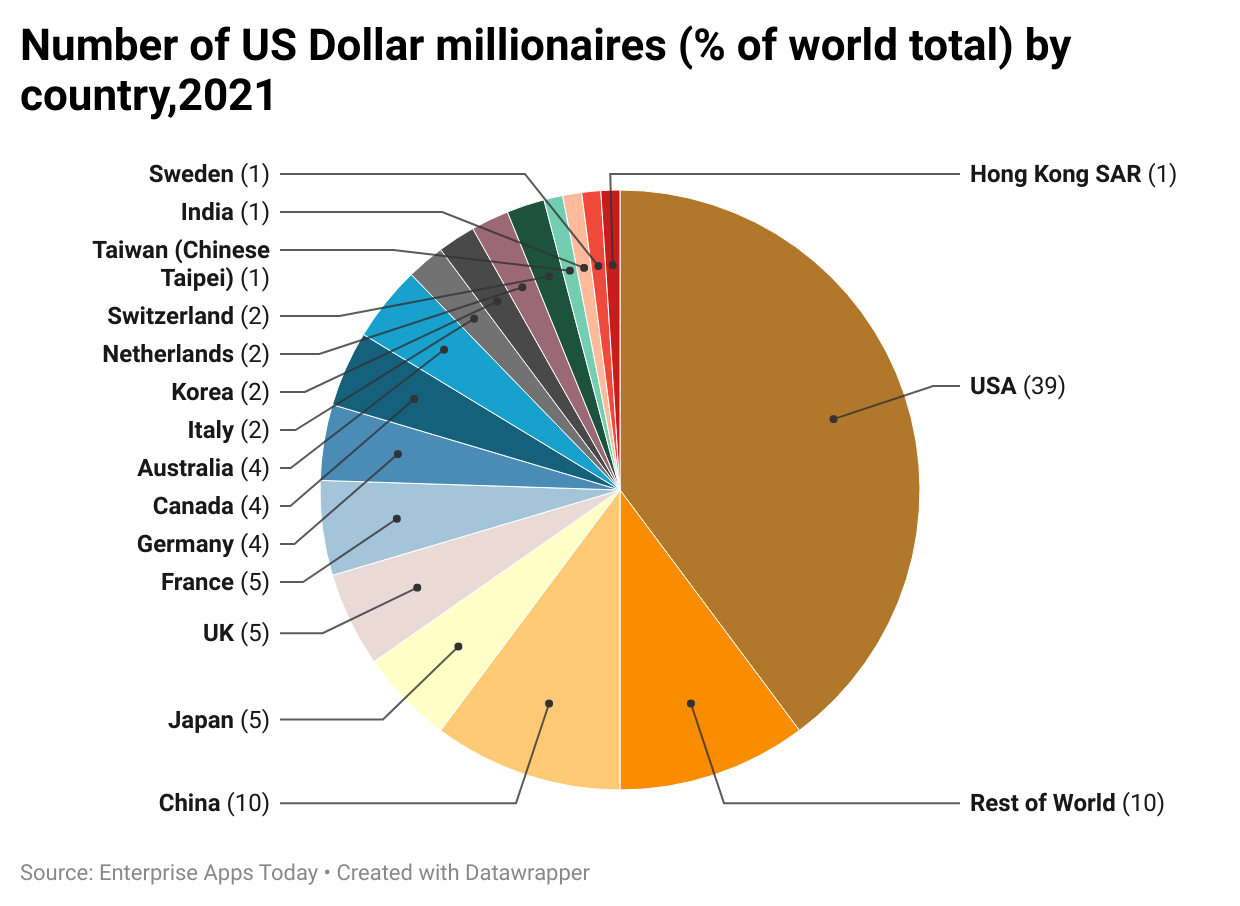
This article delves into the latest data, explores the definitions of wealth that underpin these statistics, and unpacks the diverse pathways individuals take to accumulate seven-figure net worth. We’ll examine the broader socio-economic dynamics that influence wealth distribution and consider what “financial success” truly entails beyond a simple dollar figure. Understanding these facets is crucial not only for grasping the current economic landscape but also for setting realistic, informed financial goals for ourselves.
Unveiling the Current Landscape of Millionaire Status
To answer the fundamental question—what percentage of us are millionaires?—we must first turn to reliable data and then scrutinize the definition of a “millionaire” itself, which can be more nuanced than commonly perceived.
The Data: Global and National Perspectives
Global wealth reports, such as those published annually by Credit Suisse and UBS, provide the most comprehensive insights into the distribution of wealth worldwide. These reports consistently show that the number of millionaires has been growing steadily over the past few decades, despite economic fluctuations and global crises. The United States, being the world’s largest economy, consistently boasts the highest number of millionaires globally.
According to the Credit Suisse Global Wealth Report (often compiled with UBS), as of late 2023 / early 2024, the United States accounted for a significant portion of the world’s millionaires. While exact real-time figures fluctuate, recent reports indicated that roughly 5-7% of the adult population in the U.S. can be classified as millionaires based on net worth. This translates to tens of millions of individuals. Globally, the percentage is naturally lower, but the absolute number is well into the tens of millions and continues to climb, albeit with some recent plateaus or slight declines due to market corrections and economic shifts.
It’s crucial to understand that these figures represent a snapshot in time and are subject to change based on market performance, economic policies, and inflationary pressures. However, the overarching trend points to a growing, albeit concentrated, segment of the population achieving millionaire status. The growth has been particularly pronounced since the turn of the millennium, driven by robust equity markets, rising real estate values, and the expansion of tech-driven economies.
Defining “Millionaire” Beyond the Headline Number
When we refer to a “millionaire,” we are almost always talking about an individual whose net worth equals or exceeds one million U.S. dollars. Net worth is calculated by taking the total value of all assets (e.g., real estate, stocks, bonds, retirement accounts, cash, business interests, luxury goods) and subtracting all liabilities (e.g., mortgages, student loans, credit card debt, other personal loans).
This distinction is vital. A person earning an annual salary of $200,000, while high-income, is not necessarily a millionaire. Conversely, someone with modest annual income but significant accumulated assets and minimal debt could well be one. Furthermore, the concept of a “liquid millionaire” refers to someone who has $1 million in easily accessible cash or cash equivalents, which is a much higher bar and represents a much smaller subset of the millionaire population. Most millionaires have their wealth tied up in illiquid assets like real estate or business equity.
Another critical consideration is inflation. A million dollars today does not hold the same purchasing power it did 20, 30, or 50 years ago. In 1980, for instance, a million dollars represented significantly more real wealth than it does today. Therefore, while the nominal number of millionaires increases, the real value of that status—what it can actually buy and the level of financial freedom it confers—is constantly evolving due to inflation. This dynamic suggests that while the headline number sounds impressive, the true economic significance of being a millionaire has somewhat depreciated over time.
The Pathways to Accumulating Seven-Figure Wealth
Achieving millionaire status is rarely an accident; it is typically the result of deliberate strategies, consistent effort, and often, a degree of fortunate circumstances. While there isn’t a single guaranteed path, several common avenues have proven effective for wealth accumulation.
Entrepreneurship and Business Acumen
Starting and scaling a successful business is one of the most direct and often fastest routes to significant wealth. Entrepreneurs who identify market needs, develop innovative solutions, and effectively manage growth can create substantial value, not only for themselves but also for employees and customers. The equity value of a thriving business can quickly propel its founders and early investors into the millionaire club, and often far beyond. This path, however, comes with significant risks, long hours, and the potential for failure. It demands vision, resilience, leadership, and a keen understanding of market dynamics and financial management. Many self-made millionaires attribute their success to building something from the ground up, identifying a niche, and scaling operations to meet demand.
Strategic Investing and Compounding
For those not pursuing entrepreneurship, disciplined and long-term investing is perhaps the most common and accessible pathway to wealth. This involves consistently saving a portion of one’s income and strategically allocating it into assets that appreciate over time, such as stocks, bonds, mutual funds, exchange-traded funds (ETFs), and real estate. The power of compounding interest is a cornerstone of this strategy. By reinvesting returns, one’s money grows exponentially over decades, turning relatively modest initial investments and regular contributions into substantial sums. Diversification across different asset classes is also crucial to mitigate risk and achieve consistent long-term growth. Millionaires who follow this path often start early, automate their investments, avoid emotional decisions, and maintain a long-term perspective, weathering market volatility rather than reacting to it.
High-Income Professions and Frugal Living
While less common as a sole strategy, high-income professions can certainly lay the groundwork for becoming a millionaire, especially when combined with disciplined financial habits. Careers in fields such as medicine, law, engineering, finance, and specialized technology roles often command substantial salaries. However, a high income alone does not guarantee millionaire status. The key lies in the ability to save and invest a significant portion of that income rather than succumbing to lifestyle inflation, where increased earnings are met with increased spending. Many millionaires, even those with high incomes, are characterized by their frugality, delayed gratification, and commitment to living below their means, allowing them to consistently channel funds into wealth-building assets. This approach emphasizes the importance of a high savings rate coupled with smart investment decisions.
The Socio-Economic Dynamics of Wealth Distribution
The accumulation of wealth is not merely a matter of individual effort; it is deeply intertwined with broader socio-economic structures, opportunities, and challenges. Understanding these dynamics is crucial for appreciating the broader context of wealth distribution.
Factors Influencing Wealth Accumulation
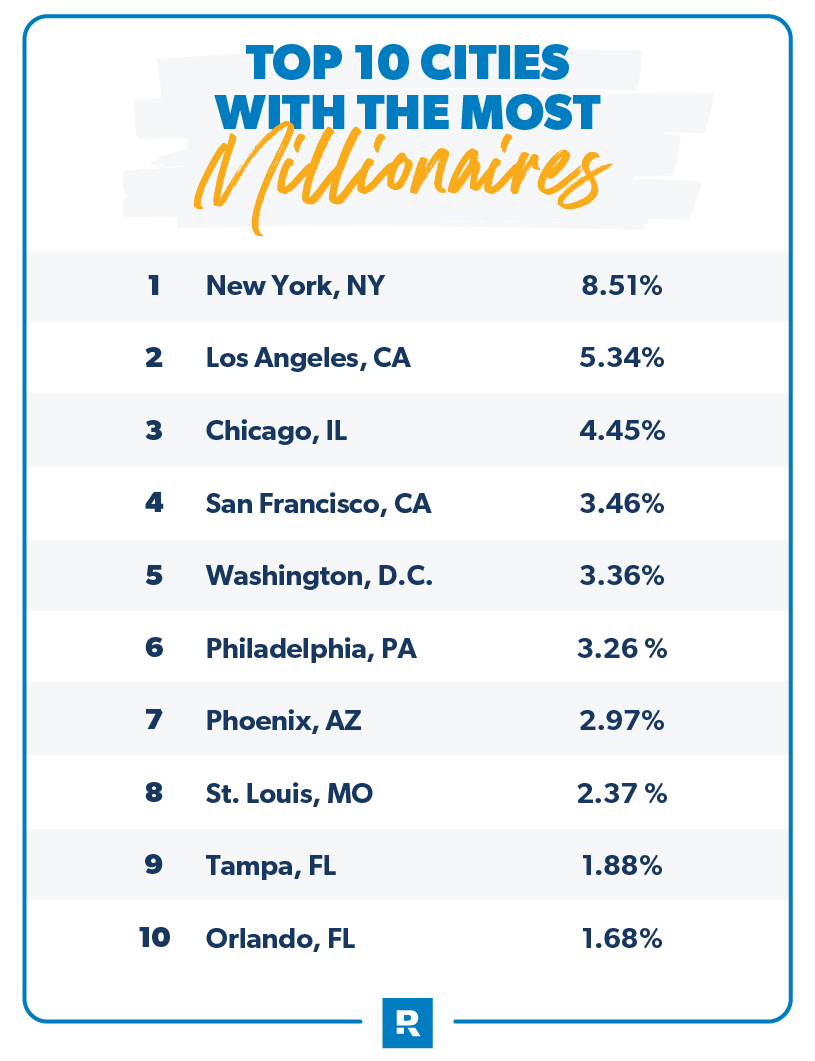
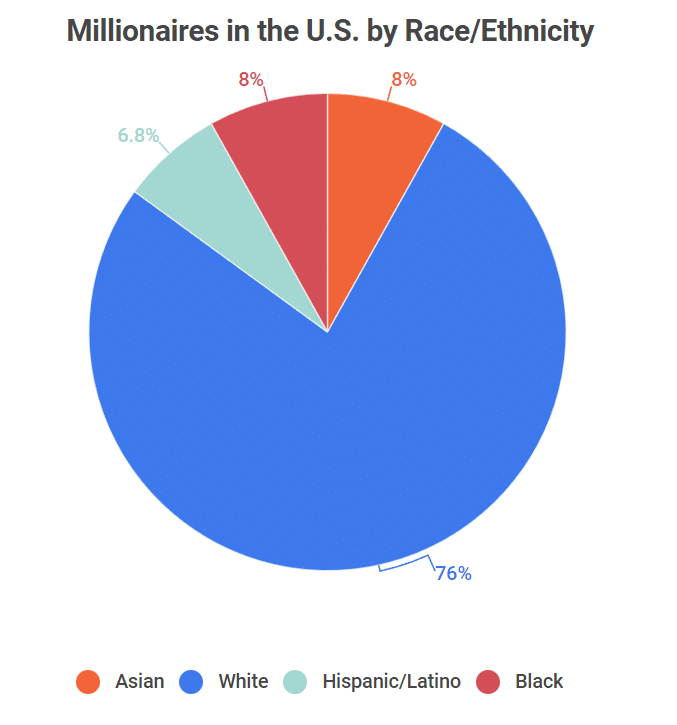
Several systemic factors significantly influence an individual’s ability to accumulate wealth. Education plays a critical role, as higher levels of education often correlate with higher earning potential and access to more lucrative professions. Family background and inherited wealth are also powerful determinants; those who inherit significant assets or grow up in financially stable environments often have a substantial head start in wealth accumulation. Access to capital—whether through family, networks, or financial institutions—is essential for entrepreneurship and investment. Geographic location can also matter, as certain regions offer more economic opportunities or have lower costs of living, facilitating higher savings rates. Finally, broader economic policies, such as taxation, interest rates, and regulatory environments, can either support or hinder wealth growth for different segments of the population.
The Growing Wealth Gap and Its Implications
Despite the increasing number of millionaires, global wealth distribution remains highly unequal. The rise in millionaire populations has often coincided with a widening wealth gap, where a disproportionately large share of new wealth is concentrated at the top. This means that while more people are crossing the million-dollar threshold, the average person may find it increasingly challenging to do so, particularly without significant initial advantages or exceptional opportunities. The implications of this gap are far-reaching, affecting social mobility, economic stability, and access to essential resources. It highlights that “being a millionaire” might signify different things for different individuals and that a healthy economy requires not just wealth creation, but also equitable access to the means of creating it.
Beyond the Million-Dollar Mark: Financial Independence and Security
While “millionaire” status is a compelling goal, true financial success often extends beyond a specific net worth figure. For many, the ultimate aim is financial independence and security, which might look different for everyone.
The True Meaning of Financial Success
Financial success, at its core, is about having the freedom and resources to live the life one desires without undue financial stress. For some, this might mean having enough passive income to cover living expenses, allowing them to retire early or pursue passion projects. For others, it might be the ability to afford quality healthcare, provide for their children’s education, or pursue charitable endeavors. A million dollars might be more than enough for someone living in a low-cost area with minimal desires, while it might feel barely adequate for someone in a high-cost city with ambitious lifestyle aspirations. Therefore, the true measure of financial success shifts from a fixed numerical target to the achievement of personal goals and a sense of enduring security. It’s about having “enough” to live a fulfilling life, rather than merely accumulating “more.”
Practical Steps Towards Building Wealth
Regardless of your current financial standing, the journey towards wealth accumulation and financial independence involves a consistent commitment to sound financial principles.
- Budgeting and Saving: Understand where your money goes and intentionally save a portion of every income. Automate savings to make it a consistent habit.
- Debt Management: Prioritize paying off high-interest debt, such as credit card balances, as it erodes wealth. Strategic use of good debt (e.g., a mortgage) can, however, be part of wealth building.
- Investing Early and Consistently: Take advantage of compounding by starting to invest as early as possible, even with small amounts. Utilize tax-advantaged accounts like 401(k)s and IRAs.
- Continuous Learning and Skill Development: Invest in yourself to increase your earning potential. Acquire new skills, pursue higher education, or seek promotions.
- Diversification: Spread your investments across various asset classes to reduce risk.
- Estate Planning: As your wealth grows, plan for its distribution and protection.
In conclusion, while the percentage of millionaires in countries like the U.S. is a testament to significant economic growth and individual achievement, it’s a dynamic figure influenced by global markets, economic policies, and inflationary pressures. Being a millionaire today, typically defined by a net worth of $1 million, is a significant financial milestone, yet its real purchasing power has evolved. The paths to this status are diverse, ranging from entrepreneurial ventures and strategic investing to high-income professions combined with disciplined saving. Ultimately, while the millionaire moniker carries prestige, true financial success often transcends a simple number, focusing instead on the security, freedom, and ability to live a purpose-driven life that accumulated wealth can facilitate. For every individual, the journey toward financial well-being is personal, requiring careful planning, consistent effort, and a clear understanding of what “enough” truly means for them.
aViewFromTheCave is a participant in the Amazon Services LLC Associates Program, an affiliate advertising program designed to provide a means for sites to earn advertising fees by advertising and linking to Amazon.com. Amazon, the Amazon logo, AmazonSupply, and the AmazonSupply logo are trademarks of Amazon.com, Inc. or its affiliates. As an Amazon Associate we earn affiliate commissions from qualifying purchases.