
The human body is an intricate machine, and when a foreign invader like the Hepatitis B Virus (HBV) breaches its defenses, the consequences can be profound and far-reaching. While the immediate concern revolves around health, the ripple effects extend deeply into an individual’s financial well-being, influencing everything from daily budgeting to long-term retirement planning. To fully grasp these financial implications, one must first understand the fundamental medical reality: what organ does the Hepatitis B virus primarily attack?
The Liver: HBV’s Primary Target and Its Economic Ripple Effect
At its core, Hepatitis B is a viral infection that primarily targets and infects the liver. This vital organ, weighing about three pounds, performs hundreds of essential functions, including detoxification, protein synthesis, and the production of biochemicals necessary for digestion. When HBV attacks the liver, it can lead to a spectrum of conditions ranging from acute, self-limiting infections to chronic, lifelong illnesses that can cause severe liver damage, cirrhosis, liver failure, and even liver cancer. Understanding this primary attack point is crucial, not just for medical treatment, but for anticipating the significant economic strain it can impose.
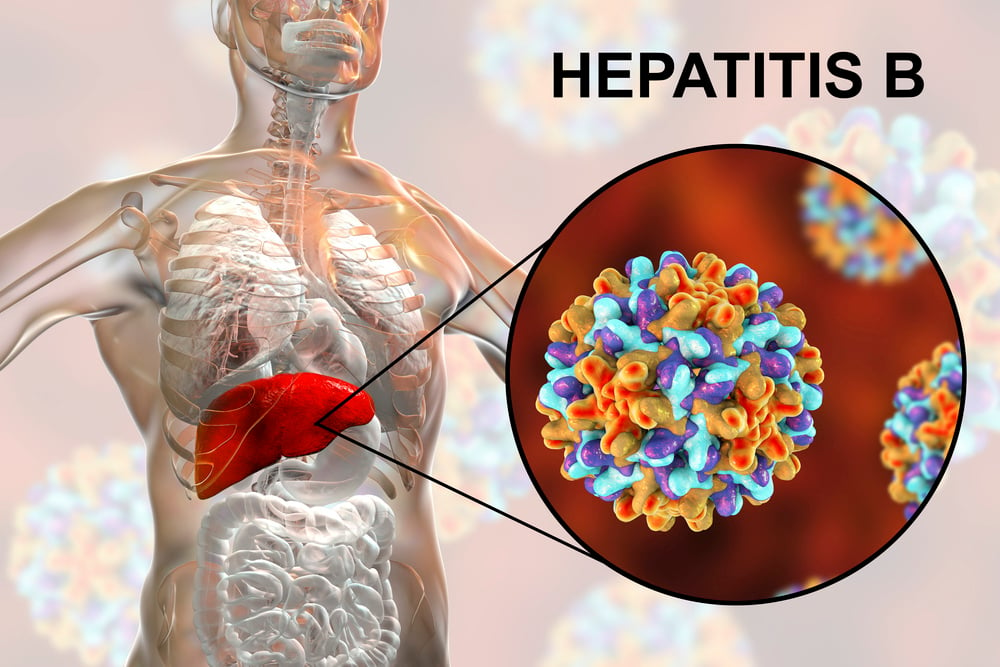
Unpacking the Medical Reality: Why the Liver?
The Hepatitis B virus has a specific tropism for hepatocytes, the main cells of the liver. Once the virus enters the bloodstream, it seeks out these cells, replicates within them, and can trigger an immune response that, while attempting to clear the virus, can also cause inflammation and damage to the liver tissue itself. This sustained inflammation is the precursor to more severe, chronic conditions. The liver’s central role in metabolism and detoxification means that its impairment due to HBV has systemic effects, impacting energy levels, nutrient processing, and overall health, all of which have direct and indirect financial repercussions. An individual struggling with chronic fatigue or frequent illness due to liver damage is less likely to be fully productive at work, leading to potential income loss.
Initial Costs of Diagnosis and Acute Care
The journey from initial exposure to diagnosis and treatment can accrue significant costs even in the early stages. Suspected HBV infection often necessitates a series of blood tests, including Hepatitis B surface antigen (HBsAg), Hepatitis B surface antibody (anti-HBs), and Hepatitis B core antibody (anti-HBc), among others. These diagnostic tests, while essential, come with laboratory fees that, depending on insurance coverage, can result in substantial out-of-pocket expenses.
For those experiencing acute symptoms, medical consultations, specialist visits (such as with a hepatologist or gastroenterologist), and potential hospital stays for severe cases can quickly escalate costs. Medications to manage symptoms or supportive care further add to the financial burden. Without adequate health insurance or a robust emergency fund, these initial, unexpected expenses can throw personal finances into disarray, leading to debt accumulation or a depletion of savings.
The Hidden Burden: Productivity Loss and Employment Impact
Beyond direct medical bills, chronic HBV infection carries a significant hidden financial burden in the form of productivity loss and potential employment impact. Individuals living with chronic Hepatitis B may experience persistent fatigue, malaise, and other symptoms that can affect their ability to perform optimally at work. This can lead to decreased work efficiency, increased absenteeism, and, in severe cases, the inability to maintain full-time employment.
For hourly workers, missed days directly translate to lost income. Salaried employees might face performance reviews that affect raises or promotions. Business owners or self-employed individuals may see their income severely curtailed, jeopardizing their ventures. Furthermore, the stigma associated with chronic illnesses, though diminishing, can still play a role in employment discrimination, adding another layer of financial vulnerability. The need for frequent medical appointments and monitoring further eats into work hours, creating a cycle of lost income and mounting healthcare expenses.
Navigating the Complexities of Healthcare Costs with Chronic HBV
Managing chronic Hepatitis B is not a one-time financial event; it’s an ongoing commitment that requires careful navigation of the complex healthcare system. From insurance intricacies to out-of-pocket expenses, the financial landscape can be daunting for patients and their families.
Health Insurance: Coverage Gaps and Premium Pressures
Health insurance is a critical buffer against the high costs of chronic disease, yet it’s not always a complete shield. Even with good coverage, patients often encounter deductibles, co-pays, and co-insurance that can amount to thousands of dollars annually. For chronic HBV, which requires long-term monitoring and potentially lifelong medication, these recurring costs can be a significant drain on personal finances.
Moreover, the nuances of insurance plans can create coverage gaps. Some plans may not cover specific specialist visits fully, or they might have restrictive formularies that limit access to preferred medications, forcing patients to pay more for alternatives or appeal coverage decisions. Understanding one’s policy thoroughly, including its limitations and appeals processes, becomes a crucial financial skill for anyone managing a chronic condition like HBV. The rising cost of premiums, particularly for employer-sponsored plans, also places additional pressure on household budgets, even before a single medical service is rendered.
Out-of-Pocket Expenses: Medications, Monitoring, and Specialist Visits
The most immediate and tangible financial drain for many chronic HBV patients comes from out-of-pocket expenses. Antiviral medications, which can be life-saving in preventing disease progression, are often costly. A single month’s supply can range from hundreds to thousands of dollars, depending on the drug and insurance coverage. Even with insurance, a significant co-pay for a lifelong medication can add up to thousands annually.
Beyond medication, chronic HBV requires regular monitoring to assess liver function, viral load, and screen for complications like liver cancer. This involves periodic blood tests, imaging studies (ultrasound, MRI, CT scans), and specialist consultations, often every 3-6 months. Each of these services incurs a charge, and while insurance covers a portion, the patient is still responsible for their share. Transportation to appointments, parking fees, and time off work for these visits further contribute to the financial burden, often going uncalculated but still impacting the budget.
Leveraging Financial Assistance Programs and Patient Support
Recognizing the immense financial strain, various financial assistance programs and patient support initiatives exist to help mitigate the burden of chronic HBV. Pharmaceutical companies often have patient assistance programs (PAPs) that provide free or low-cost medications to eligible individuals who meet certain income criteria. Non-profit organizations dedicated to liver health or specific diseases like Hepatitis B also offer financial aid, educational resources, and advocacy services.

Government programs, such as Medicaid or state-specific health insurance subsidies, can provide a safety net for low-income individuals. Navigating these programs requires diligence and paperwork, but the potential savings can be substantial. Engaging with a financial counselor, social worker, or patient advocate within the healthcare system can be invaluable in identifying and accessing these resources, ensuring that patients can adhere to their treatment plans without financial ruin.
Proactive Financial Planning: Mitigating HBV’s Economic Strain
While the diagnosis of chronic HBV can feel overwhelming, proactive financial planning can significantly mitigate its long-term economic strain. Just as one plans for retirement or education, preparing for potential health contingencies is a vital component of robust personal finance.
The Return on Investment of Vaccination and Early Detection
The most powerful financial planning tool against HBV is prevention. Vaccination against Hepatitis B is highly effective and offers lifelong protection. The cost of the vaccine series is significantly lower than the potential lifetime medical expenses associated with chronic HBV. For individuals at risk or those unsure of their status, getting tested early is also paramount. Early detection, even in the case of a positive diagnosis, allows for timely intervention and management, which can prevent the progression to more severe and costly liver diseases.
From a financial perspective, investing in preventative care like vaccination and regular check-ups yields an exceptional return on investment by potentially avoiding decades of medical bills, lost income, and the emotional toll of chronic illness. Public health campaigns promoting vaccination and screening are not just health initiatives; they are critical economic strategies that reduce healthcare expenditures and bolster national productivity.
Building an Emergency Fund for Health Contingencies
An emergency fund is a cornerstone of sound personal finance, and its importance is amplified when facing a chronic health condition. Financial advisors typically recommend having 3-6 months’ worth of living expenses saved in an easily accessible account. For those managing or at risk of managing a chronic condition, this recommendation might lean towards the higher end, or even more.
This fund can cover unexpected medical bills, prescription co-pays that exceed the budget, transportation costs for specialist appointments, or even a period of reduced income due to illness. Without an adequate emergency fund, individuals may be forced to incur high-interest debt, dip into retirement savings, or make difficult choices between essential living expenses and medical care. Establishing and consistently contributing to this fund provides a crucial layer of financial security against the unpredictable nature of health.
Long-Term Financial Projections for Chronic Disease Management
Living with chronic HBV requires a long-term financial perspective. This involves integrating ongoing medical costs into annual budgets and long-term financial plans. Individuals may need to adjust their savings goals, retirement planning, or investment strategies to accommodate these expenses. For instance, increasing contributions to a Health Savings Account (HSA), if eligible, can provide a tax-advantaged way to save for future medical expenses.
Estate planning also becomes relevant for individuals with chronic conditions. Ensuring that financial affairs are in order, designating beneficiaries, and potentially establishing trusts can provide peace of mind and protect assets for family members. Consulting with a financial planner who specializes in healthcare costs or chronic illness can provide tailored strategies and help create a comprehensive financial roadmap for navigating the decades ahead.
Broader Economic Landscape: Societal Costs and Policy Considerations
The financial burden of Hepatitis B extends far beyond individual households, impacting national economies and healthcare systems globally. Understanding these broader implications highlights the importance of collective action and robust public health policies.
Public Health Spending: Prevention vs. Treatment
Governments and international organizations face a critical economic decision: how to allocate resources between preventing HBV infection and treating those already affected. From a purely financial standpoint, investing in widespread vaccination programs, public awareness campaigns, and accessible screening initiatives is significantly more cost-effective than managing a growing population of individuals with chronic HBV and its severe complications (cirrhosis, liver cancer). The societal return on investment for prevention is enormous, reducing hospitalizations, long-term care needs, and lost productivity across the workforce. Effective public health spending can alleviate pressure on overloaded healthcare systems and reallocate resources to other critical areas.
Impact on National Productivity and Healthcare Systems
When a significant portion of the population is affected by chronic conditions like HBV, it can have a tangible impact on national productivity. A workforce grappling with illness means reduced output, increased healthcare expenditures, and a strain on social support systems. Healthcare systems themselves bear a heavy load, as resources are diverted to manage chronic liver disease, transplants, and cancer treatments that could have been prevented. The economic burden of HBV-related liver cancer alone is staggering, encompassing expensive diagnostics, oncology treatments, and palliative care.
The ripple effect touches various sectors, from pharmaceutical research and development (where investment is driven by disease burden) to insurance markets (which adjust premiums based on population health risks). Understanding the organ HBV attacks (the liver) is thus not just a medical fact but an economic linchpin, determining the trajectory of national health expenditures for years to come.

Advocacy for Accessible and Affordable Care
The financial challenges posed by HBV underscore the critical need for advocacy for accessible and affordable healthcare. Policies that ensure widespread vaccine availability, comprehensive insurance coverage for chronic conditions, and robust financial assistance programs can significantly reduce the personal and societal burden. Advocates push for pricing transparency, drug cost control, and reforms that prioritize patient access over profit.
Globally, efforts to eliminate HBV by 2030, championed by the World Health Organization, are rooted not only in public health imperatives but also in the understanding of the massive economic benefits of eradicating a preventable disease. Ensuring that individuals can afford the care they need, regardless of their financial status, is not just an ethical imperative but a sound economic strategy that strengthens communities and national resilience.
In conclusion, while the liver is undeniably the primary target of the Hepatitis B virus, the implications of this biological fact extend deeply into the realm of personal finance and broader economic stability. From managing immediate medical bills and navigating complex insurance policies to making long-term financial plans and advocating for systemic change, understanding HBV’s impact on the liver is the starting point for a comprehensive financial strategy against this silent threat.
aViewFromTheCave is a participant in the Amazon Services LLC Associates Program, an affiliate advertising program designed to provide a means for sites to earn advertising fees by advertising and linking to Amazon.com. Amazon, the Amazon logo, AmazonSupply, and the AmazonSupply logo are trademarks of Amazon.com, Inc. or its affiliates. As an Amazon Associate we earn affiliate commissions from qualifying purchases.