
When a traveler searches for “what is there to do in Asheville, NC,” they are not merely looking for a list of coordinates or a schedule of events. They are engaging with a masterfully crafted brand ecosystem. Asheville has evolved from a quiet Appalachian outpost into a global powerhouse of destination branding, successfully positioning itself at the intersection of luxury, bohemian culture, and rugged adventure.
For brand strategists and marketing professionals, Asheville represents a goldmine of insights regarding corporate identity, niche positioning, and the creation of a “brand halo.” The city’s ability to remain authentic while scaling its tourism economy offers a blueprint for how a location—or any service-based brand—can differentiate itself in a crowded marketplace.

The Architecture of an Identity: Crafting the ‘Land of the Sky’ Brand
Asheville’s brand didn’t happen by accident. It is the result of a century-long effort to curate a specific “vibe” that resonates with high-value demographics. The cornerstone of this identity is the tension between its Gilded Age history and its modern, progressive spirit.
Historical Foundations: The Biltmore Legacy as an Anchor Brand
Every successful brand needs an “anchor”—a primary asset that establishes credibility and prestige. For Asheville, that is the Biltmore Estate. By leveraging the legacy of George Vanderbilt, Asheville established itself early on as a destination for the elite. In branding terms, the Biltmore serves as a high-end luxury tier that elevates the entire city’s profile. It provides a sense of permanence and historical weight, allowing the rest of the city’s brand to experiment with more avant-garde or “weird” sub-brands without losing its status as a premium destination.
Cultivating the ‘Artistic Haven’ Persona
Beyond the grandeur of the Biltmore, Asheville’s brand strategy leans heavily into the “maker culture.” The River Arts District is a primary example of experience design. By transforming industrial decay into a vibrant hub for creators, the city rebranded a liability into its greatest marketing asset. From a brand strategy perspective, this is a lesson in “repurposing the narrative.” Instead of hiding its blue-collar roots, Asheville integrated them into a narrative of creative rebirth, attracting a demographic that values authenticity and craftsmanship over mass-produced experiences.
Strategic Diversification: From Beer City USA to Outdoor Mecca
A brand that relies on a single pillar is vulnerable to market shifts. Asheville’s brilliance lies in its strategic diversification. The city has effectively “sub-branded” itself to appeal to different psychological profiles, ensuring that the answer to “what is there to do” is multifaceted.
Niche Marketing: The Craft Brewery Narrative
The “Beer City USA” moniker is one of the most successful examples of municipal niche marketing in the 21st century. By fostering a high concentration of independent breweries, Asheville created a “category authority.” When consumers think of craft beer, they think of Asheville. This wasn’t just about the product; it was about the lifestyle brand associated with it—relaxed, social, and artisanal. This strategy turned casual tourists into “brand evangelists” who travel specifically to participate in the craft beer culture, providing a repeatable revenue model for the city.
Leveraging Natural Assets for Adventure Branding
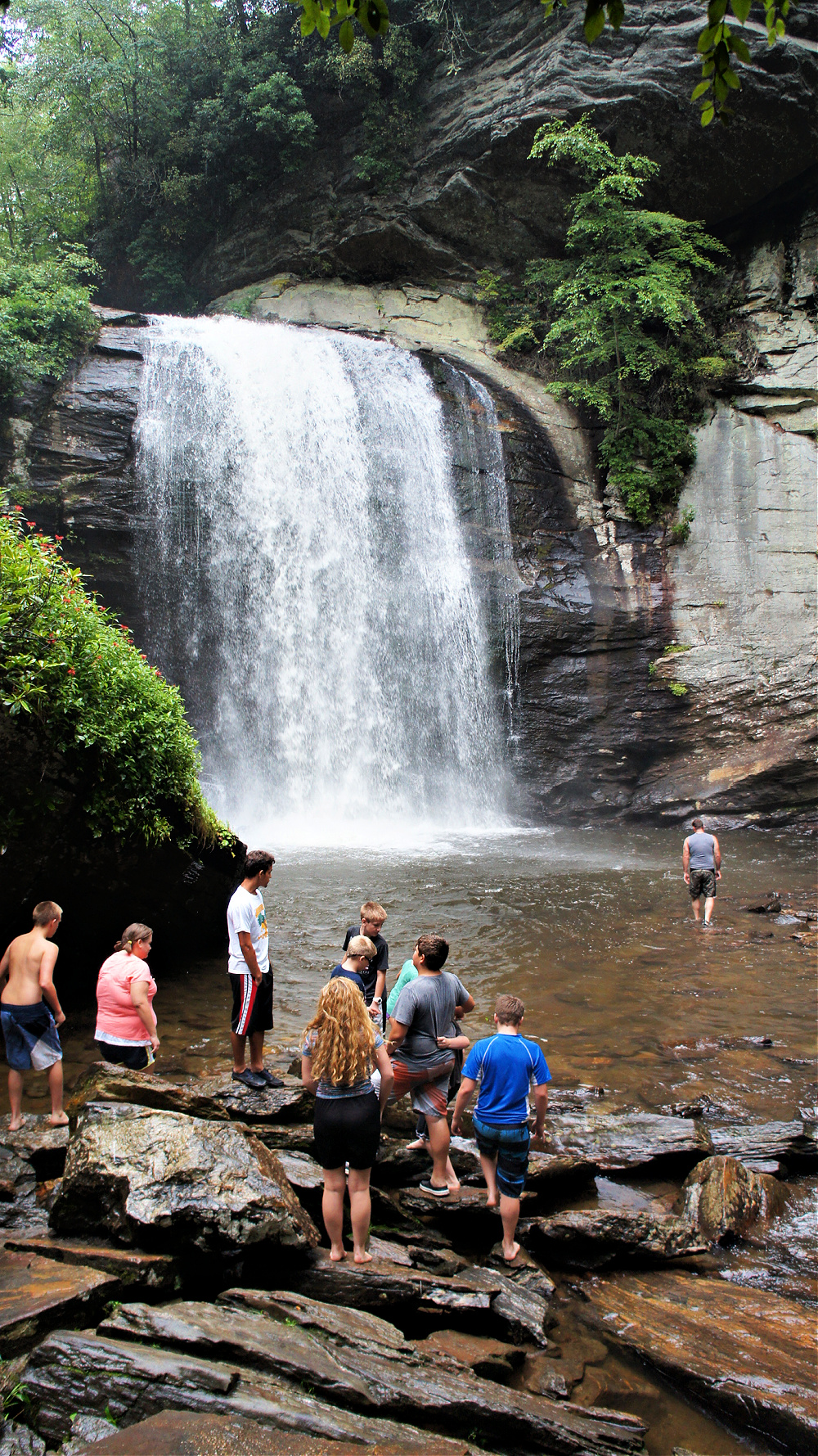
While the city center focuses on culture and consumption, the surrounding Blue Ridge Mountains provide the “Outdoor Branding” pillar. Asheville successfully markets itself as the gateway to the wild. This dual-branding—urban sophistication paired with raw nature—allows the city to capture two distinct market segments: the luxury traveler and the outdoor enthusiast. In the world of marketing, this is known as “cross-segment appeal,” where the brand offers enough versatility to satisfy different needs within a single household or group.
The Role of Emotional Connection in Brand Loyalty
The most powerful brands in the world don’t just sell features; they sell feelings. Asheville’s marketing focuses heavily on the emotional and sensory journey of the visitor. When someone asks what to do in Asheville, they are often directed toward experiences that evoke a sense of “belonging” or “discovery.”
Sensory Branding: The Sights, Sounds, and Flavors of WNC
Asheville utilizes sensory branding better than almost any other mid-sized city in America. The “Blue Ridge” isn’t just a mountain range; it’s a visual palette of misty purples and greens that dominates the city’s photography. The buskers on every street corner provide an auditory brand signature. The farm-to-table culinary scene ensures that the brand is tasted as much as it is seen. By engaging all five senses, Asheville creates a “sticky” brand experience that is difficult for visitors to forget, leading to high rates of return visits and long-term brand loyalty.
Community-Centric Marketing: Supporting Local as a Brand Value
One of the core tenets of the Asheville brand is its fierce independence. The “Go Local” movement is more than just an economic policy; it is a core brand value. For the visitor, “what to do” involves supporting independent bookstores, local boutiques, and family-owned restaurants. From a brand strategy standpoint, this creates an “us vs. them” narrative (local craft vs. corporate blandness) that makes the consumer feel like their spending is an ethical choice. This alignment of consumer values with brand identity is the holy grail of modern marketing.
Digital Strategy and Content Ecosystems: How Asheville Stays Top-of-Mind
In the digital age, a brand is only as good as its discoverability. Asheville’s digital strategy is a masterclass in content marketing and SEO. The city doesn’t just wait for people to visit; it populates the digital landscape with high-quality content that answers the very question: “What is there to do in Asheville, NC?”
Social Media and Influencer Partnerships
Asheville has mastered the art of the “Instagrammable Moment.” From the murals in the River Arts District to the sunset views at the Omni Grove Park Inn, the city is designed to be shared. By partnering with travel influencers and photographers, the city’s brand reaches millions of potential visitors through organic-looking social proof. This is a low-cost, high-impact strategy that leverages the “FOMO” (fear of missing out) psychology to drive interest and bookings.
Managing the Brand Narrative Amid Growth
As a brand grows, it faces the risk of “brand dilution.” When a city becomes too popular, it risks losing the very “authenticity” that made it successful. Asheville’s leadership and marketing boards have had to navigate this carefully. By focusing on sustainable tourism and emphasizing “off-the-beaten-path” experiences in their content, they attempt to distribute the brand impact across the region. This management of the brand lifecycle is essential for any corporate entity that experiences rapid scaling; you must protect the “soul” of the brand while accommodating the demands of growth.
Conclusion: The Enduring Power of the Asheville Brand
The answer to “what is there to do in Asheville” is a testament to the power of deliberate, strategic branding. By identifying its unique strengths—history, art, beer, and nature—and weaving them into a cohesive narrative, Asheville has built a brand that is both resilient and aspirational.
For professionals in the branding and marketing space, Asheville serves as a reminder that a brand is not a logo or a slogan; it is the sum of every interaction a customer has with the entity. Whether it’s the smell of woodsmoke in the air, the taste of a local IPA, or the sight of the sun dipping below the Blue Ridge, every element of the Asheville experience is a touchpoint in a sophisticated brand strategy. As the city continues to evolve, its commitment to authenticity and diverse experience design will remain the North Star of its global identity. Any brand looking to dominate its niche would do well to study the Asheville model: find your anchor, diversify your offerings, connect emotionally, and never stop telling your story.
aViewFromTheCave is a participant in the Amazon Services LLC Associates Program, an affiliate advertising program designed to provide a means for sites to earn advertising fees by advertising and linking to Amazon.com. Amazon, the Amazon logo, AmazonSupply, and the AmazonSupply logo are trademarks of Amazon.com, Inc. or its affiliates. As an Amazon Associate we earn affiliate commissions from qualifying purchases.