
Worcestershire sauce. The very name evokes a sense of history, mystery, and an unparalleled depth of flavor. It’s a condiment that has transcended culinary boundaries, finding its way into kitchens and restaurants across the globe, from the humble home cook to Michelin-starred chefs. But beyond its widespread use and distinctive taste, Worcestershire sauce stands as a formidable example of enduring brand identity, meticulously crafted and sustained through its unique formulation. The question, “what is Worcestershire sauce made out of?” isn’t merely a query about ingredients; it’s an exploration into the very DNA of a global brand, revealing how its complex composition underpins its distinct market positioning, cultural resonance, and lasting legacy.
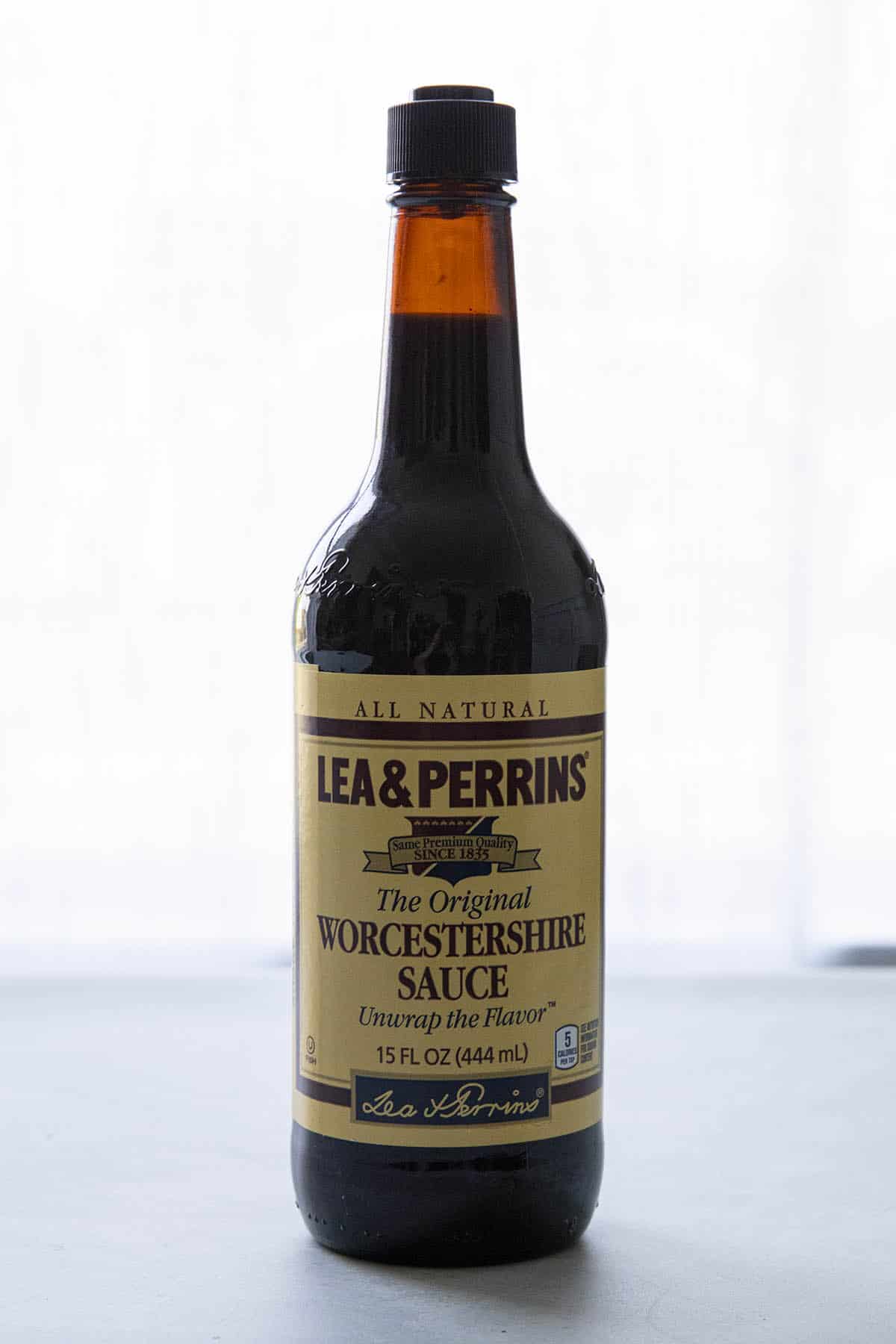
At its heart, the brand strength of Worcestershire sauce, particularly the iconic Lea & Perrins, is inextricably linked to its secret, intricate recipe. This blend of disparate components, some familiar, others exotic, creates a flavor profile that is both immediately recognizable and notoriously difficult to replicate. It’s this complexity, this “secret sauce” of ingredients, that forms the foundation of its unique selling proposition and fuels its enduring mystique. Understanding what goes into a bottle of Worcestershire sauce is to understand the deliberate alchemy that built and maintains a truly global culinary brand.
The Secret Sauce of Brand Identity: Core Ingredients as Differentiators
For any food brand, the product itself—its taste, texture, aroma—is paramount to its identity. For Worcestershire sauce, the brilliance lies in an ingenious blend of flavors that create a synergistic effect, where the whole is far greater than the sum of its parts. Each core ingredient contributes a distinct note, ultimately composing a rich, multifaceted flavor profile that defines the brand. These ingredients are not merely functional; they are strategic choices that have cemented its unique place in the market.
Umami’s Unsung Heroes: Anchovies and Tamarind
Central to Worcestershire sauce’s legendary depth are two seemingly disparate ingredients: anchovies and tamarind. Anchovies, often met with skepticism when mentioned in a non-Mediterranean context, are the primary source of the sauce’s profound umami. When fermented and aged, these tiny fish break down into amino acids, delivering a savory, mouth-filling richness that elevates the entire flavor profile. This isn’t a fishy taste; it’s a foundational savoriness that hooks the palate. From a brand perspective, the inclusion of anchovies is a bold differentiator, offering a depth that many other condiments cannot match. It speaks to a heritage of complex flavor building, setting the brand apart from simpler, single-note sauces.
Tamarind, a fruit native to tropical Africa, adds a unique tartness and a subtle fruitiness, providing another layer of complexity. Its sweet-sour profile complements the umami of the anchovies, preventing the sauce from becoming overwhelmingly savory. Tamarind’s exotic origin also hints at the brand’s colonial-era roots, adding an element of worldly sophistication that subtly enhances its mystique. Together, anchovies and tamarind forge a distinctive flavor backbone that is central to the Worcestershire sauce brand’s identity, delivering a unique sensory experience that is both ancient and universally appealing.
A Symphony of Spices: Building Flavor Depth
Beyond the primary umami and tart notes, a carefully curated blend of spices contributes significantly to the Worcestershire sauce brand’s intricate depth. While the exact proportions and specific spices remain a closely guarded secret, common inclusions are cloves, garlic, onions, and various peppers. Cloves impart a warm, aromatic, slightly sweet, and pungent quality. Garlic and onions provide foundational allium notes, adding savory sharpness and complexity. The pepper components, whether black pepper, cayenne, or a proprietary mix, introduce a subtle heat that awakens the palate without overwhelming it.
This complex spice blend is crucial for the brand because it moves beyond mere flavor to create a signature flavor. It’s this orchestration of spices that gives Worcestershire sauce its characteristic “zing” and lingering finish. Many condiments offer one or two dominant flavors, but Worcestershire sauce offers a symphony, making it incredibly versatile and hard to pigeonhole. This multi-layered flavor profile is a key aspect of its brand equity, allowing it to enhance a wide array of dishes and cuisines without ever being truly mimicked.
Sweet and Sour Counterpoints: Molasses and Vinegar
To balance the intense umami and spice, Worcestershire sauce incorporates both sweet and acidic elements. Molasses, a byproduct of sugar refining, provides a rich, dark sweetness and a viscous texture. This isn’t just about sweetness; molasses brings a caramel-like depth and a slight bitterness that grounds the more assertive flavors. It also contributes to the sauce’s distinctive dark brown color, a visual cue instantly associated with the brand. The molasses acts as a counterpoint to the saltiness and acidity, creating a harmonious balance that is essential for broad appeal.
Vinegar, typically malt vinegar or spirit vinegar, is the primary source of acidity. Its sharp, tangy quality cuts through the richness of the other ingredients, brightening the overall flavor and preventing it from becoming cloying. Vinegar is also a crucial preservative, historically allowing the sauce to be aged for extended periods. From a brand perspective, the balance of sweet and sour is critical for versatility. It allows the sauce to enhance meaty dishes, cocktails, and even vegetarian fare, showcasing its adaptability—a highly desirable trait for a long-standing food brand. This interplay of contrasts ensures that the sauce is neither too sweet nor too sharp, striking a perfect equilibrium that makes it an indispensable pantry staple.
A Legacy in Every Drop: The Brand’s Storied Origins
The narrative surrounding the creation of Worcestershire sauce is as integral to its brand identity as its ingredients. The story, often recounted with a touch of romanticism, speaks to innovation, accidental discovery, and the entrepreneurial spirit, all of which contribute to the brand’s mystique and premium perception. This historical backbone provides a rich tapestry against which the brand is understood and appreciated.
From India to Worcester: The Founding Narrative
The legend begins in the early 19th century when Lord Sandys, a former Governor of Bengal, returned to his home in Worcester, England, with a recipe for an Indian sauce. He commissioned local chemists John Lea and William Perrins to recreate the exotic condiment. Initially, the resulting concoction was deemed too potent and unpalatable. However, rather than discarding it, the barrels of sauce were left to age in their cellar, perhaps forgotten for a time. This initial “failure” followed by an accidental discovery is a classic brand narrative, implying serendipity and a touch of genius.
This origin story firmly plants the brand in a historical context, associating it with exotic travel, colonial connections, and the scientific rigor of Victorian-era chemists. It imbues the product with a sense of authenticity and heritage that contemporary brands strive for. The brand name itself, “Worcestershire sauce,” roots it geographically, anchoring its identity to a specific place, much like Champagne or Parma Ham. This geographical tie-in enhances its perceived authenticity and gives it a sense of legacy.
The Accidental Masterpiece: Crafting a Unique Selling Proposition
The turning point in the brand’s history, and the genesis of its unique selling proposition (USP), came when the aged barrels were rediscovered. The passage of time had miraculously mellowed and harmonized the raw, aggressive flavors, transforming the unpalatable mixture into the complex, savory liquid we know today. This narrative of accidental brilliance is a powerful branding tool. It suggests that the sauce’s unique qualities are not merely the result of a recipe but of a natural, alchemical process perfected by time.
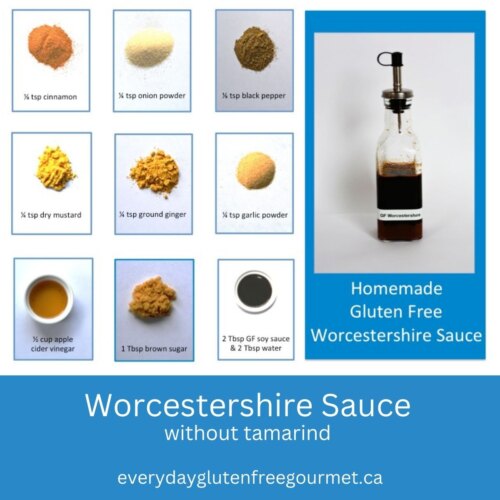
This accidental discovery became the foundation of the brand’s USP: a sauce whose depth and complexity are born from patient aging and a fortuitous blend of ingredients. It implies a certain artistry and an element of unpredictability that adds to its allure. The “secret recipe” and “long aging process” became key marketing messages, differentiating Lea & Perrins from any potential imitators. This story is more than just history; it’s a carefully cultivated myth that adds layers of value and mystique to the brand, justifying its premium status and cultural reverence.
Protecting the Recipe: Brand Secrecy and Exclusivity
In an age of instant gratification and open-source information, the enduring secrecy surrounding the Worcestershire sauce recipe is a testament to savvy brand management. While the main ingredients are known, the precise proportions, specific spices, and aging techniques remain proprietary. This secrecy is a deliberate strategy to protect the brand’s exclusivity and prevent direct replication. It fosters an aura of mystery, making the sauce feel more special and unique.
This commitment to secrecy reinforces the idea that true craftsmanship involves hidden knowledge and proprietary processes. It makes the act of consuming Worcestershire sauce a small indulgence in a piece of culinary history. For Lea & Perrins, maintaining this secrecy has been paramount to safeguarding its brand equity for nearly two centuries. It’s a classic example of how a brand can leverage intellectual property and perceived exclusivity to maintain market dominance and a strong identity in a competitive landscape.
The Global Palate: Adapting and Maintaining Brand Consistency
A truly global brand must navigate the complexities of diverse palates, culinary traditions, and market regulations while maintaining its core identity. Worcestershire sauce has managed to achieve this, becoming a universal condiment while subtly adapting to regional nuances, showcasing remarkable brand resilience and strategic flexibility.
Regional Interpretations vs. Core Brand DNA
While the classic Lea & Perrins remains the benchmark, regional variations of Worcestershire sauce exist, often with slightly altered ingredient lists to suit local tastes or ingredient availability. For example, some Asian versions might emphasize a sweeter profile or a different spice blend. However, the core brand DNA – the unique umami, the sweet-sour balance, the dark color, and the versatile application – remains largely consistent.
This balance between adaptation and steadfastness is crucial for a global brand. It allows the brand to penetrate new markets by offering a familiar yet slightly customized product, without diluting the fundamental brand promise. Maintaining the core flavor profile ensures that consumers recognize and trust the product, regardless of minor variations. This strategic flexibility demonstrates a deep understanding of market dynamics while holding firm to the brand’s essential characteristics.
Marketing the Mystique: The Power of an Enigmatic Brand
The marketing of Worcestershire sauce has historically leaned heavily on its enigmatic nature. The “secret recipe,” the “long aging process,” and the complex blend of exotic ingredients are not just product features; they are marketing assets. Rather than simplifying its message, the brand has embraced its complexity, using it to foster curiosity and a sense of discovery among consumers.
Modern branding often seeks transparency, but Worcestershire sauce thrives on a controlled mystique. This approach suggests that some things are best left to the experts, that true culinary excellence sometimes involves hidden processes. This marketing strategy has allowed the brand to maintain an air of sophistication and exclusivity, despite its widespread availability. It positions the sauce as a premium, artisanal product, even as it sits on grocery store shelves worldwide.
Culinary Versatility: Broadening Brand Appeal and Usage
A significant factor in Worcestershire sauce’s enduring brand strength is its incredible versatility. It’s not just a steak sauce; it’s an enhancer for gravies, marinades, salad dressings, Bloody Marys, and even grilled cheese sandwiches. This broad range of applications means the brand can appeal to diverse consumer segments and integrate itself into countless culinary traditions.
This versatility broadens its market appeal exponentially. Unlike many niche condiments, Worcestershire sauce is a true utility player in the kitchen. This adaptability is a testament to its perfectly balanced flavor profile, which complements rather than overwhelms. By being able to elevate so many different dishes, the brand effectively increases its touchpoints with consumers, reinforcing its position as an essential, indispensable ingredient.
Beyond the Bottle: Worcestershire Sauce as a Culinary Brand Icon
Worcestershire sauce is more than just a condiment; it has cemented its place as a true culinary icon. Its brand journey illustrates how a unique product, supported by a compelling narrative and consistent quality, can achieve legendary status and sustain relevance for generations.
The Enduring Appeal: Why the Brand Persists
The persistence of the Worcestershire sauce brand is a testament to its timeless appeal. In a world saturated with new flavors and trends, its classic taste remains relevant. This enduring appeal is built on a foundation of quality, consistency, and a flavor profile that continues to surprise and satisfy. It’s a brand that has proven its ability to adapt to changing tastes while holding firm to its core identity. The very complexity of its ingredients, initially a challenge, became its greatest asset, ensuring it never felt bland or outdated.
Ingredient Transparency vs. Brand Allure: A Modern Dilemma
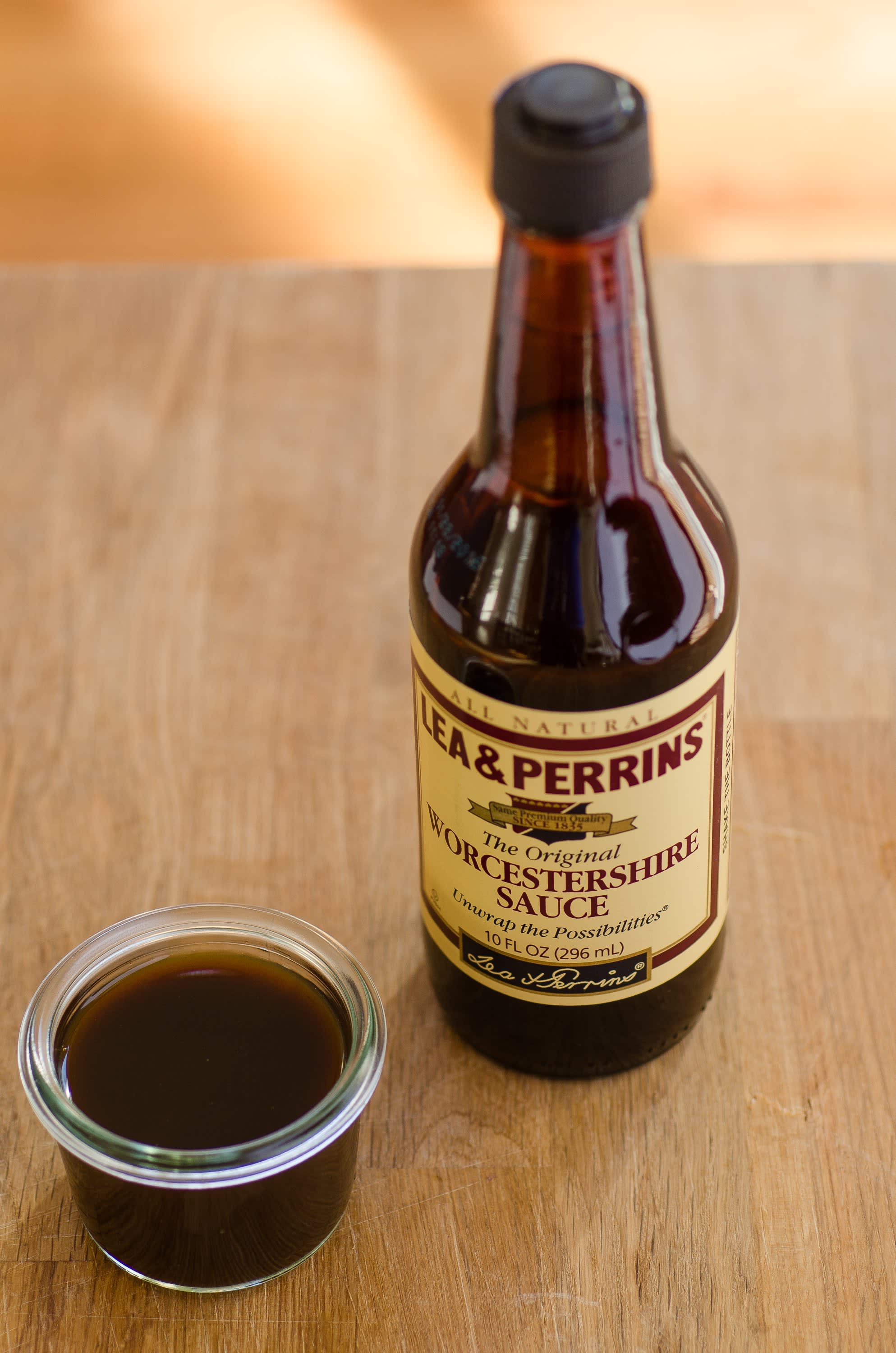
In today’s consumer landscape, there’s a growing demand for ingredient transparency and clean labels. For a brand like Worcestershire sauce, with its complex, somewhat enigmatic ingredient list, this presents an interesting dynamic. While the brand has always hinted at its “secret recipe,” modern consumers often want to know exactly what they’re consuming. The challenge for the brand is to balance its historical allure and mystique with the contemporary desire for clarity, perhaps by focusing on the natural origins of its key components and the artisanal nature of its production process. This ongoing negotiation highlights the continuous evolution required for even the most established brands to remain relevant.
In conclusion, “what is Worcestershire sauce made out of?” is a question that opens the door to understanding a masterclass in brand building. From the deliberate alchemy of its core ingredients—anchovies, tamarind, spices, molasses, and vinegar—which forge its distinct flavor, to the captivating narrative of its accidental creation and the strategic protection of its secret recipe, every aspect of Worcestershire sauce contributes to its robust brand identity. It’s a brand that leverages complexity, history, and versatility to command a unique and enduring presence in kitchens worldwide. Its success is a potent reminder that the essence of a brand is often found in the very ingredients that define its product, transforming a simple condiment into a global culinary icon.
aViewFromTheCave is a participant in the Amazon Services LLC Associates Program, an affiliate advertising program designed to provide a means for sites to earn advertising fees by advertising and linking to Amazon.com. Amazon, the Amazon logo, AmazonSupply, and the AmazonSupply logo are trademarks of Amazon.com, Inc. or its affiliates. As an Amazon Associate we earn affiliate commissions from qualifying purchases.