
Philadelphia, the birthplace of American democracy, is a city steeped in history, culture, and vibrant urban life. For many, planning a visit inevitably leads to the question, “what is there to do?” But beyond the simple list of attractions, an insightful financial perspective reveals a nuanced approach to experiencing this magnificent city. Exploring Philadelphia isn’t just about sightseeing; it’s about making smart financial decisions, understanding the economic impact of tourism, and strategically investing in experiences that offer both monetary value and profound personal enrichment. This guide delves into how to navigate Philadelphia with financial acumen, ensuring a fulfilling journey regardless of your budget, while also examining the broader financial ecosystem that its activities support.

Navigating Philadelphia on a Budget: Maximizing Your Experience for Less
A common misconception is that a rich travel experience must come with a hefty price tag. Philadelphia, however, defies this notion, offering a plethora of activities that cater to various financial capacities, particularly those keen on economizing without compromising on quality or depth. Strategic planning can transform a potentially expensive trip into an affordable adventure, highlighting that true value often lies beyond the ticket price.
Free & Low-Cost Cultural Immersion
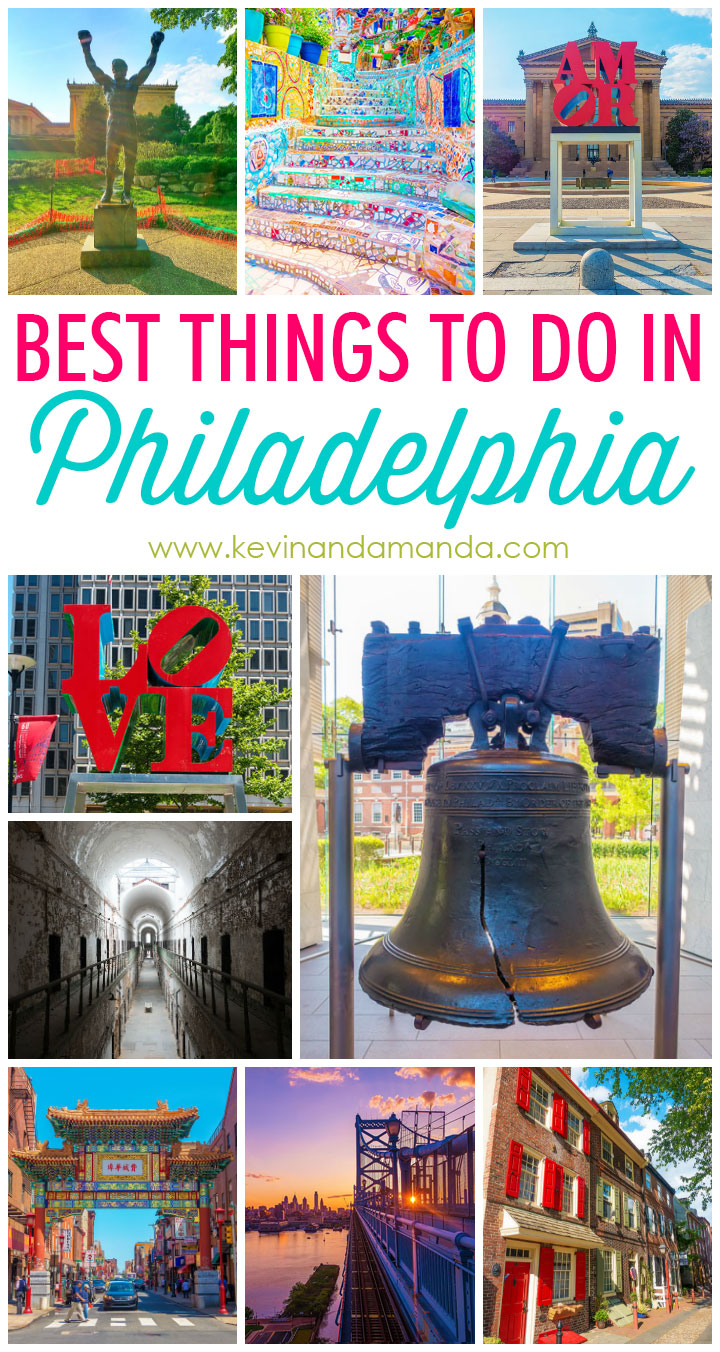
One of Philadelphia’s greatest strengths from a financial standpoint is the abundance of free or remarkably low-cost cultural and historical experiences. The very heart of the city’s historical district, Independence National Historical Park, is a treasure trove of no-cost attractions. Visitors can stroll through Independence Mall, view Independence Hall (though timed tickets, often free or nominal, are required for entry during peak seasons), and explore the Liberty Bell Center without spending a dime. The National Constitution Center, while typically requiring an admission fee, frequently offers free days or discounted rates, making it an excellent investment in civic education.
Beyond the iconic historical sites, Philadelphia boasts an impressive array of public art and green spaces that are entirely free to enjoy. The Philadelphia Mural Arts Program has transformed countless walls into breathtaking canvases, offering free self-guided tours via apps or maps. Fairmount Park, one of the largest urban parks in the world, provides vast expanses for hiking, picnicking, and exploring historical mansions without any entry fees. The Schuylkill River Trail offers miles of scenic pathways for walking, running, or cycling, providing both recreation and stunning city views. Even world-class institutions like the Philadelphia Museum of Art often have “pay-what-you-wish” days or hours, democratizing access to unparalleled artistic collections and proving that cultural enrichment need not be an exclusive luxury. By prioritizing these free and low-cost options, visitors can immerse themselves deeply in the city’s essence, allocating their financial resources more judiciously for other aspects of their trip.
Smart Spending on Iconic Attractions
While many of Philadelphia’s main draws come with an admission fee, smart spending strategies can significantly reduce the overall cost. Researching attraction passes, such as the Philadelphia CityPASS or Explorer Pass, can yield substantial savings if you plan to visit multiple paid sites. These passes bundle admissions to popular attractions like the Philadelphia Zoo, Franklin Institute, and Big Bus Tour, often at a discount of 40% or more compared to individual ticket purchases. Analyzing your itinerary and calculating potential savings before committing to a pass is a financially savvy move.
Furthermore, leveraging discounts for students, seniors, military personnel, or AAA members is crucial. Many attractions offer these concessions, and a quick check of their websites or an inquiry at the ticket counter can lead to unexpected savings. Booking tickets online in advance not only saves time but can also sometimes come with a modest discount compared to walk-up prices. For families, seeking out kid-friendly activities that offer family bundles or free admission for very young children can also stretch the travel budget further. By approaching paid attractions with a strategic mindset, visitors can ensure they experience Philadelphia’s highlights without feeling financially strained.
Culinary Delights Without Breaking the Bank
Philadelphia is renowned for its diverse culinary scene, from its iconic cheesesteaks to upscale dining. Experiencing the city’s food culture doesn’t have to be an extravagant affair. Embracing local eateries, food trucks, and neighborhood markets can provide authentic and delicious experiences at a fraction of the cost of fine dining. Reading Terminal Market, for instance, offers an incredible array of cuisines, allowing visitors to sample various local specialties at reasonable prices, making it a fantastic financial investment in taste exploration.
Similarly, opting for lunch specials, happy hour deals, or BYOB (Bring Your Own Bottle) restaurants can significantly cut down on meal expenses. Many BYOB establishments in neighborhoods like South Philly or Fishtown offer gourmet-quality food where the only variable cost is the food itself, as you supply your own alcoholic beverages, leading to considerable savings. Picnicking in one of Philadelphia’s scenic parks with provisions from a local grocery store or market is another delightful and budget-friendly option, combining a meal with an outdoor experience. By being intentional about food choices and seeking out value-driven culinary experiences, visitors can savor Philadelphia’s flavors without overspending.
Investing in Experiences: The Value Proposition of Philadelphia Tourism
Beyond the immediate financial outlay, spending on travel and experiences, particularly in a city as rich as Philadelphia, can be viewed as an investment. This isn’t an investment in stocks or real estate, but rather an investment in personal growth, education, well-being, and the creation of lasting memories. The returns on these investments are often intangible but profoundly impactful, far outweighing the monetary cost.
Educational & Historical Returns
Visiting Philadelphia is a direct investment in historical and civic education. Walking the same streets as the Founding Fathers, standing in Independence Hall where the Declaration of Independence was debated and adopted, or seeing the Liberty Bell, offers an unparalleled, immersive history lesson that textbooks simply cannot replicate. The tangible connection to these pivotal moments in American history provides an educational return that enriches understanding of democracy, freedom, and national identity.
Museums like the Museum of the American Revolution, the National Constitution Center, and the African American Museum in Philadelphia provide deep dives into critical periods and narratives, fostering intellectual growth and a more nuanced perspective on the past. For students and lifelong learners alike, these experiences translate into an invaluable expansion of knowledge and critical thinking skills, a return on investment that continues to pay dividends long after the trip concludes. It’s an investment in cultural capital, broadening one’s worldview and appreciation for heritage.
Personal Growth and Well-being
Travel, especially to a city as dynamic as Philadelphia, inherently offers significant returns in personal growth and well-being. Navigating a new city, trying new foods, engaging with diverse cultures, and pushing oneself out of a comfort zone contributes to increased self-confidence, adaptability, and resilience. The mental stimulation from exploring historical sites, engaging with art, and experiencing different urban environments acts as a powerful antidote to routine, reducing stress and fostering mental rejuvenation.
The sheer joy and wonder derived from discovering new places and making new memories contribute positively to emotional well-being. The stories shared, the photographs taken, and the moments lived during a Philadelphia trip become cherished assets, enriching one’s life narrative. From a financial perspective, investing in such experiences can be seen as a preventative measure against burnout and an active contribution to mental health, potentially reducing future costs associated with stress-related issues. It’s an investment in human capital – one’s own personal development and happiness.
Crafting Memorable Financial Investments
The concept of a “memorable financial investment” might seem paradoxical, but it speaks to the strategic allocation of funds towards experiences that promise high emotional and personal returns. This could mean splurging on a unique local tour, like a ghost tour of historic Philadelphia or a specialized food tour, to gain insider perspectives and create distinctive memories. It might involve reserving a table at a critically acclaimed restaurant for a special occasion, understanding that the higher cost is justified by the exceptional culinary experience and the shared joy.

Furthermore, financially investing in unique Philadelphia souvenirs from local artisans or independent shops supports the local economy and provides tangible reminders of the trip, each carrying a story and personal value far beyond its retail price. These aren’t just expenditures; they are deliberate choices to enhance the trip’s impact and create lasting personal assets in the form of memories and cherished items. Smart financial planning allows for these calculated “splurges,” ensuring that while overall budgeting is maintained, there are also opportunities for truly unforgettable experiences that yield rich emotional dividends.
The Economic Impact of Philadelphia’s Vibrant Activity Scene
Philadelphia’s diverse array of activities and attractions does more than just entertain visitors; it forms a critical pillar of the local economy. The tourism industry generates substantial revenue, supports countless jobs, and fosters a dynamic environment for businesses, illustrating how visitor spending translates into tangible economic benefits for the city and its residents.
Tourism’s Contribution to Local Economy
Visitor spending in Philadelphia ripples throughout the entire economy. Every dollar spent on hotel stays, restaurant meals, attraction tickets, transportation, and retail purchases contributes to a robust economic cycle. This revenue directly supports the salaries of hotel staff, chefs, tour guides, museum curators, and retail associates, creating and sustaining employment across various sectors. Indirectly, it benefits suppliers to these businesses—food distributors, linen services, marketing agencies, and construction companies involved in maintaining infrastructure.
The taxes generated from tourism—sales tax, hotel occupancy tax, and property taxes on commercial establishments—provide essential funding for city services, infrastructure projects, and public programs. This means that visitors not only enjoy Philadelphia’s amenities but also indirectly contribute to the city’s ability to maintain its parks, improve public transportation, and support its educational institutions. The economic multiplier effect of tourism ensures that the value created by visitor activities far exceeds the initial spending, circulating wealth throughout the community.
Entrepreneurial Opportunities in the City of Brotherly Love
The vibrant tourism sector in Philadelphia also serves as a fertile ground for entrepreneurial endeavors. The constant influx of visitors creates demand for new services, products, and experiences, inspiring local entrepreneurs to innovate. This includes everything from niche tour operators specializing in specific historical periods or culinary themes, to boutique hotels and unique Airbnb experiences, to specialized retail shops selling Philadelphia-themed merchandise or local artisan crafts.
Food entrepreneurs thrive in this environment, with new cafes, restaurants, and food trucks continually emerging to cater to diverse palates. Technology startups focusing on travel apps, digital guides, or experiential booking platforms also find opportunities. The city’s supportive ecosystem for small businesses, coupled with a steady stream of tourists, makes Philadelphia an attractive location for those looking to launch businesses that capitalize on its unique character and visitor appeal. This entrepreneurial energy, in turn, further enriches the city’s offerings and economic dynamism.
Supporting Local Businesses and Artisans
Visitors to Philadelphia have the power to directly impact the local economy and foster community growth by consciously choosing to support local businesses and artisans. Opting for independent boutiques over national chains, dining at locally owned restaurants, or purchasing handcrafted goods from neighborhood markets ensures that money spent remains within the community, benefiting local families and entrepreneurs. This intentional spending strengthens the fabric of Philadelphia’s diverse neighborhoods, helping to preserve their unique character and cultural identity.
Markets like the Italian Market, and various seasonal craft fairs, provide platforms for local artisans, farmers, and small business owners to sell their wares directly to consumers. By engaging with these local vendors, visitors not only acquire unique, authentic products but also contribute directly to the livelihoods of residents and help sustain Philadelphia’s rich tradition of craftsmanship and independent commerce. This mindful approach to spending transforms a simple transaction into an act of community support, enhancing the overall value and impact of a visit.
Financial Tools and Strategies for Your Philadelphia Adventure
To truly master the financial aspects of a Philadelphia trip, leveraging modern financial tools and adopting strategic spending habits is paramount. From pre-trip planning to on-the-ground execution, having a clear financial roadmap can ensure a stress-free and enjoyable experience, allowing you to focus on the city’s wonders rather than budget woes.
Budgeting Apps and Travel Planners
Before even setting foot in Philadelphia, effective financial planning begins with robust budgeting. Utilizing personal finance apps like Mint, YNAB (You Need A Budget), or specific travel budgeting apps can help categorize expenses, track spending in real-time, and ensure adherence to a predetermined budget. These tools allow travelers to allocate funds for accommodation, food, attractions, transportation, and discretionary spending, preventing overspending and providing a clear overview of financial health throughout the trip.
Travel planners, whether digital templates or dedicated software, can integrate financial planning with itinerary management. By inputting anticipated costs for each activity and accommodation, travelers can visualize their total expenditure and make adjustments before departure. This proactive approach to financial management is crucial for mitigating unexpected costs and maximizing the value of every dollar spent, turning a potential financial headache into a smoothly managed adventure.
Cash vs. Card: Optimizing Your Spending
While credit and debit cards offer convenience and often fraud protection, a strategic approach to using cash versus cards in Philadelphia can optimize spending and avoid unnecessary fees. For larger purchases, hotel bills, and pre-booked attractions, credit cards can be advantageous, particularly those offering travel rewards or no foreign transaction fees (if applicable for international visitors). Using a credit card for significant expenses also provides a digital record, simplifying post-trip expense tracking.
However, for smaller purchases, street vendors, food trucks, or in some independent local shops, cash can be king. It provides a tangible sense of spending limits and can sometimes be preferred by smaller businesses, potentially offering a slight discount or simply easing transactions. Always having a small amount of cash on hand for incidental expenses, tips, or in case a particular vendor only accepts cash, is a wise financial strategy. Be mindful of ATM fees; planning withdrawals from your bank’s ATM network or partner banks can avoid extra charges. A balanced approach, leveraging the benefits of both cash and card, ensures flexibility and financial efficiency.
Saving for Your Next Philadelphia Journey
For those who fall in love with Philadelphia and envision future visits, establishing a dedicated travel savings plan is an intelligent financial strategy. Treating future trips as a long-term financial goal can motivate consistent savings, whether through automatic transfers to a high-yield savings account or setting aside a portion of income specifically for travel. This proactive financial habit transforms aspiration into tangible plans, allowing for more ambitious and fulfilling future adventures without the burden of last-minute financial strain.
Additionally, exploring credit cards with strong travel rewards programs (miles, points, cash back on travel-related spending) can accelerate savings for future trips. By strategically using these cards for everyday expenses and paying them off diligently, travelers can accumulate rewards that effectively subsidize future flights, accommodations, or activities in Philadelphia. Viewing travel as a recurring investment in personal well-being and education, rather than a one-off expense, encourages disciplined financial planning, ensuring that the question “what is there to do in Philadelphia?” will always have an exciting and financially feasible answer.
aViewFromTheCave is a participant in the Amazon Services LLC Associates Program, an affiliate advertising program designed to provide a means for sites to earn advertising fees by advertising and linking to Amazon.com. Amazon, the Amazon logo, AmazonSupply, and the AmazonSupply logo are trademarks of Amazon.com, Inc. or its affiliates. As an Amazon Associate we earn affiliate commissions from qualifying purchases.