
When one thinks of New York City, certain images immediately spring to mind: the Statue of Liberty, Times Square, Central Park, and, inevitably, the sweeping panoramic views from above. Among the most revered vantage points is the Top of the Rock Observation Deck. But to truly understand “what” the Top of the Rock is, we must delve beyond its physical attributes and explore its profound identity as a meticulously crafted brand within the global tourism landscape. It is not merely a place; it is a meticulously managed experience, a cornerstone of its parent brand, Rockefeller Center, and a significant contributor to the overarching brand of New York City itself.
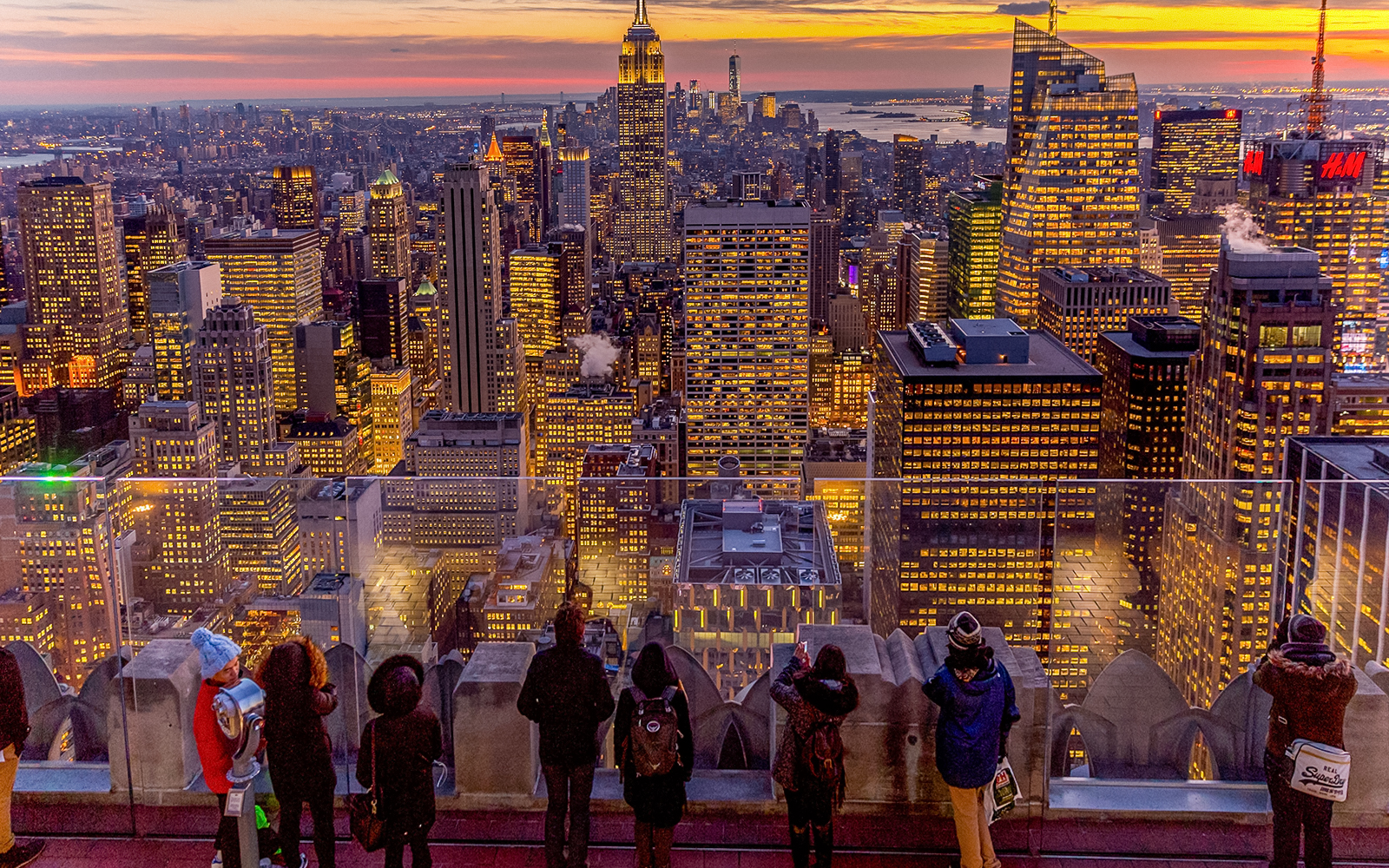
At its heart, the Top of the Rock brand represents aspiration, perspective, and the undeniable allure of urban majesty. It offers a unique lens through which to behold one of the world’s most dynamic cities, strategically positioned to capture the iconic Empire State Building and the verdant expanse of Central Park in a single, breathtaking vista. This strategic positioning, coupled with a deliberate approach to visitor experience and consistent brand messaging, elevates it from a mere architectural feature to a powerful, recognizable, and highly coveted brand in its own right. Understanding the Top of the Rock requires dissecting its brand strategy, its visual and experiential design, and its careful positioning within a competitive market.
The Core Identity: Top of the Rock as a Brand Pillar
Every successful brand is built upon a strong foundation of core identity – what it stands for, where it comes from, and who it serves. For the Top of the Rock, this identity is deeply intertwined with its history, its unique offering, and its targeted audience.
Origins and Legacy: Embedding within the Rockefeller Center Brand
The Top of the Rock Observation Deck is perched atop 30 Rockefeller Plaza, the crown jewel of the sprawling Rockefeller Center complex. This lineage is not just geographic; it’s a fundamental aspect of its brand identity. Rockefeller Center itself is a monumental brand, synonymous with art deco architecture, urban planning innovation, cultural significance, and New York’s vibrant energy. Built during the Great Depression, it was a testament to American optimism and ingenuity, envisioned by John D. Rockefeller Jr. as a “city within a city.”
When the Top of the Rock reopened in 2005 (after being closed for nearly 20 years), its re-branding effort intelligently leveraged this rich heritage. It wasn’t just a new observation deck; it was the reawakening of a classic, a re-establishment of a beloved fixture of Rockefeller Center. This deep connection provides immediate credibility, a sense of timeless elegance, and a shared historical narrative that resonates with visitors. The brand capital of Rockefeller Center—its prestige, its association with iconic events like the Christmas Tree lighting, and its reputation as a cultural hub—automatically extends to the Top of the Rock, granting it an inherited gravitas and appeal that new, standalone attractions must work years to cultivate. It’s a classic example of brand extension done right, where the new entity strengthens and is strengthened by the parent brand.
The Iconic View: Its Unique Selling Proposition (USP)
At the core of the Top of the Rock’s brand appeal is its indisputable Unique Selling Proposition (USP): the view. While New York City boasts several observation decks, the Top of the Rock offers a distinct perspective that is meticulously highlighted in all its branding efforts. Its midtown location affords unparalleled 360-degree vistas, crucially including an unobstructed, perfectly framed view of the Empire State Building to the south and the sprawling green expanse of Central Park to the north.
This specific vantage point isn’t accidental; it’s a strategic differentiator. Marketing materials consistently emphasize “the best of both worlds” – the architectural icon and the natural oasis. This USP is more than just a fact; it’s an emotional hook. It promises not just a sight, but the quintessential New York City postcard view. The brand messaging consistently reinforces this “iconic view” as the primary reason to visit, creating a mental association between the Top of the Rock and the definitive panoramic experience of the city. It’s about delivering on a promise of breathtaking beauty and photographic perfection, cultivating a perception that no other viewpoint quite captures the city’s dual essence.
Target Audience and Brand Persona
The Top of the Rock’s brand persona is sophisticated yet accessible, aspirational yet welcoming. It targets a broad audience, encompassing first-time tourists eager to capture iconic memories, repeat visitors seeking a fresh perspective, and even locals looking for a special occasion. Its brand messaging caters to:
- International Tourists: Seeking the quintessential NYC experience, often drawn by social media virality and guidebook recommendations.
- Domestic Travelers: Families, couples, and solo adventurers looking for memorable, photo-worthy moments.
- Corporate Groups/Event Planners: Utilizing its unique space for high-impact gatherings with stunning backdrops.
The brand persona is one of elegant wonder. It’s not about adrenaline or extreme novelty; it’s about a refined appreciation for urban beauty and architectural grandeur. The visual language, the tone of voice in its communications, and the entire on-site experience are tailored to this persona. It aims to be perceived as a must-do, classic New York experience, positioned above ephemeral trends and rooted in timeless appeal. This clarity in target audience allows for highly focused marketing and experience design, ensuring that every brand touchpoint reinforces its core identity.
Crafting the Experience: Marketing and Design Strategies
A brand is not just what it says, but what it does and how it makes people feel. The Top of the Rock employs sophisticated marketing and design strategies to translate its core identity into a memorable, tangible experience for its visitors.
Visual Identity and Brand Aesthetics
The visual identity of the Top of the Rock is deeply intertwined with the classic Art Deco aesthetic of Rockefeller Center itself. The logo, typography, and color palette often echo the geometric precision and understated elegance of the 1930s. Gold, black, and deep blues or greens frequently feature, conveying a sense of luxury, heritage, and timelessness. Even the uniforms of the staff reflect a polished, professional image, contributing to the overall brand atmosphere.
Beyond static elements, the visual experience on-site is a critical component of its brand aesthetics. The journey to the top is carefully curated: from the magnificent Grand Atrium with its Swarovski chandelier to the “Breezeway” with its interactive light and sound show. These elements are not mere decorative additions; they are carefully designed touchpoints that build anticipation, provide context, and reinforce the premium nature of the experience before visitors even step onto the observation decks. This attention to detail in visual storytelling ensures that the brand’s aesthetic is consistently communicated from the moment a visitor considers purchasing a ticket to their departure.
Digital Presence and Storytelling
In the modern era, a brand’s digital presence is paramount. The Top of the Rock leverages a multi-faceted digital strategy to engage, inform, and inspire. Its official website is a hub of information, featuring high-quality photography and videography that showcases its iconic views, often with dynamic time-lapse sequences or seasonal imagery (e.g., fall foliage in Central Park, festive holiday lights). The website’s user experience is designed for seamless ticket booking, providing essential details about hours, accessibility, and special events.
Social media platforms (Instagram, Facebook, X) are vital for active storytelling and user-generated content. The brand encourages visitors to share their experiences using specific hashtags, effectively turning every visitor into a brand ambassador. They frequently repost stunning visitor photos, highlighting the “photogenic” nature of the view and inspiring others. Campaigns often focus on emotional connections – “capture your perfect NYC moment,” “see the city unfold,” or “experience magic at sunset.” This digital narrative builds anticipation, extends the brand’s reach globally, and fosters a community around shared experiences of urban beauty.
On-Site Experience: From Entry to Observation Deck
The Top of the Rock’s brand promise extends directly into the meticulously designed on-site journey. It’s not just about reaching the top; it’s about the progression. The entry sequence is thoughtfully managed to minimize wait times and maximize engagement. Visitors are guided through a series of exhibits detailing the history of Rockefeller Center and the construction of 30 Rockefeller Plaza, providing historical context and deepening their appreciation for the architectural marvel. Interactive displays and multimedia presentations add layers to the narrative, making the wait feel like part of the experience rather than an inconvenience.
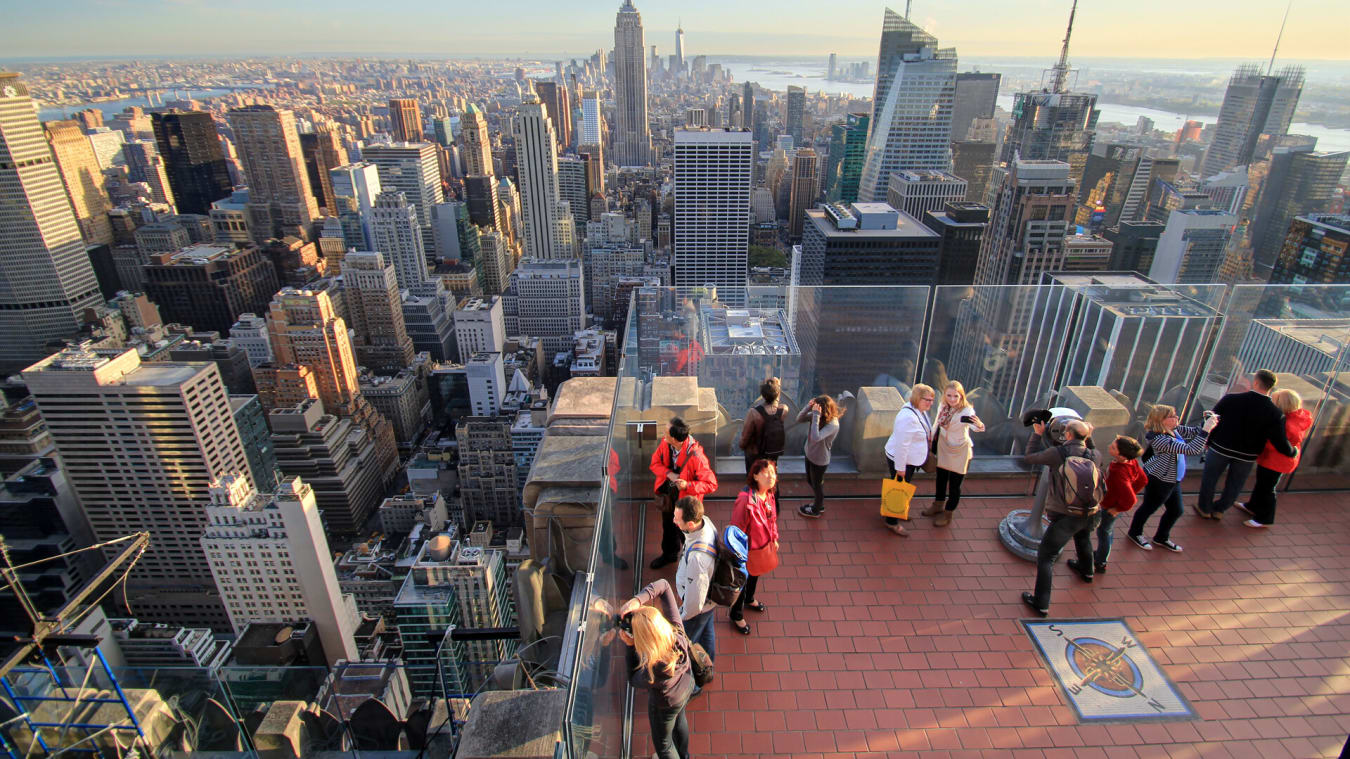
The ascent itself is part of the brand theater. The “Sky Shuttle” elevators feature transparent ceilings, offering an exhilarating light show as visitors climb. Upon arrival, there are three distinct observation decks, offering different perspectives and wind protection levels. This tiered design not only accommodates more visitors but also provides choices, allowing guests to customize their viewing experience. The topmost deck, with its unobstructed glass panels, is the ultimate fulfillment of the “iconic view” promise, engineered to provide maximum visual impact and photo opportunities. Every step of this journey is carefully choreographed to reinforce the brand’s promise of a premium, unforgettable New York experience.
Brand Positioning in a Competitive Landscape
New York City is home to numerous observation decks, each vying for tourist dollars and attention. The Top of the Rock’s sustained success is a testament to its shrewd brand positioning and its ability to clearly differentiate itself from competitors.
Differentiating from Other NYC Observation Decks
The observation deck market in NYC is crowded, with major players like the Empire State Building, One World Observatory, The Edge, and Summit One Vanderbilt. Each has its own brand identity and unique selling proposition:
- Empire State Building: The classic, historical icon; often synonymous with NYC itself.
- One World Observatory: Modern, solemn, focusing on remembrance and the newest “tallest.”
- The Edge: Thrill-seeking, with a cantilevered glass platform providing an adrenaline rush.
- Summit One Vanderbilt: Immersive, art-infused, multisensory experience.
The Top of the Rock consciously positions itself as the best of both worlds: a classic, historical landmark experience (like the ESB), but with the added benefit of unparalleled views of the classic landmark itself (the ESB), plus Central Park. It doesn’t try to be the tallest or the most daring. Instead, it leans into its elegant perspective, its unobstructed glass barriers (allowing for better photography than the ESB’s fencing), and the overall “Rockefeller Center” experience. Its brand avoids hyperbole and focuses on delivering a quality, aesthetically pleasing, and reliably spectacular view, making it a “safe” and highly satisfying choice for a broad demographic.
Value Proposition: Beyond Just a View
The Top of the Rock’s value proposition extends beyond just the view. It offers:
- Photographic Excellence: Known for having some of the best unobstructed photo opportunities, crucial in the age of social media.
- Historical Context: The journey through Rockefeller Center’s history enriches the visit.
- Accessibility and Comfort: Designed with multiple spacious decks, allowing visitors to spread out and enjoy without feeling overly crowded (compared to some competitors).
- Brand Trust: Leveraging the impeccable reputation of Rockefeller Center, promising a high-quality, professionally managed experience.
The brand communicates that purchasing a ticket is an investment in a complete, curated experience, not just a fleeting moment at height. It sells not just a ticket, but a memory, a story, and a tangible piece of the New York dream, carefully packaged and delivered. This holistic value proposition strengthens its competitive edge by offering layers of engagement beyond the primary function.
Reputation Management and Customer Perception
Reputation is a cornerstone of any strong brand. The Top of the Rock actively manages its reputation through consistent delivery of its brand promise, excellent customer service, and responsiveness to feedback. Online reviews are generally positive, highlighting the quality of the views, the efficiency of the operations, and the overall pleasantness of the experience.
Customer service at every touchpoint – from ticket agents to security staff and observation deck attendants – is trained to be helpful and informative, contributing to a positive overall perception. Any negative feedback is typically addressed, demonstrating a commitment to continuous improvement. By consistently delivering on its brand promise and maintaining a high standard of service, the Top of the Rock cultivates a strong, positive brand image that encourages repeat visits and word-of-mouth recommendations, which are invaluable in the tourism industry.
Evolution and Future of the Top of the Rock Brand
No brand, however iconic, can afford to remain static. The Top of the Rock consistently looks for ways to evolve, staying relevant while preserving its foundational legacy.
Adapting to Visitor Expectations
Visitor expectations are constantly shifting, driven by technology, social media trends, and a desire for unique, personalized experiences. The Top of the Rock brand strategy involves subtle adaptations rather than radical overhauls. This includes:
- Enhanced Ticketing Systems: Implementing mobile ticketing, timed entry, and flexible rescheduling options to improve convenience.
- Digital Engagement: Continuously updating website content, social media campaigns, and potentially integrating AR/VR elements for a richer pre- or post-visit experience.
- Event Programming: Hosting special events like sunrise viewings, photography workshops, or seasonal activations (e.g., holiday-themed decorations) to offer fresh incentives for return visits.
The brand understands that while its core offering (the view) is timeless, the delivery of that offering must evolve to meet modern demands for efficiency, immersion, and shareability.
Leveraging Technology for Enhanced Brand Engagement
Technology plays an increasingly vital role in enhancing brand engagement without detracting from the core experience. While the Top of the Rock wisely avoids overly gimmicky tech that might obscure the natural beauty, it strategically uses it to augment the visit:
- Interactive Mobile Guides: Apps that provide contextual information about landmarks seen from the deck, perhaps with historical overlays or real-time data.
- High-Resolution Webcams: Offering a continuous digital window to the view, maintaining engagement even when visitors aren’t physically present.
- Personalized Photography: Exploring partnerships or in-house services that offer professional photos against the iconic backdrop, allowing visitors to instantly share high-quality mementos.
These technological integrations are chosen to complement, rather than dominate, the physical experience, ensuring that the brand remains focused on the authenticity of the view while embracing modern conveniences.

Sustaining Legacy While Embracing Innovation
The ultimate challenge for a legacy brand like the Top of the Rock is to balance reverence for its history with a forward-looking vision. Its brand strategy is a masterclass in this delicate act. It continues to emphasize its roots within Rockefeller Center and its historical significance, ensuring that visitors understand they are engaging with a piece of New York’s enduring story. Simultaneously, it embraces subtle innovations in visitor flow, digital presence, and experiential design to ensure it remains a premier, relevant attraction.
By never straying far from its core identity – the iconic view, the Rockefeller Center heritage, and a commitment to a premium experience – while intelligently integrating contemporary tools and catering to evolving expectations, the Top of the Rock ensures its brand longevity. It remains not just an observation deck, but a vibrant, evolving brand that continues to define a quintessential New York experience for generations of visitors. In essence, “What is the Top of the Rock New York?” is a question answered by its meticulously cultivated brand – an enduring symbol of urban aspiration, historical grandeur, and unparalleled perspective.
aViewFromTheCave is a participant in the Amazon Services LLC Associates Program, an affiliate advertising program designed to provide a means for sites to earn advertising fees by advertising and linking to Amazon.com. Amazon, the Amazon logo, AmazonSupply, and the AmazonSupply logo are trademarks of Amazon.com, Inc. or its affiliates. As an Amazon Associate we earn affiliate commissions from qualifying purchases.