
Embarking on a career in education is often driven by a passion for shaping young minds and contributing to society. While the intrinsic rewards of teaching are immeasurable, understanding the financial realities, particularly the starting salary, is a crucial step for aspiring educators and those considering a career change. The question, “What is the starting salary for a teacher?” is multifaceted, without a single, simple answer. It’s influenced by a complex interplay of geography, education, experience, and the specific school environment. This comprehensive guide will delve into the nuances of teacher starting salaries, providing a clear financial perspective for those dedicated to the classroom. We’ll explore the factors that drive these figures, dissect the typical compensation packages, and offer strategic insights for financial planning and maximizing earning potential in this vital profession. For many, teaching isn’t just a job; it’s a calling, and navigating its financial landscape intelligently is key to a sustainable and rewarding career.

Understanding the Teacher Salary Landscape
The initial income an educator can expect varies significantly across the United States and even within different districts of the same state. This variability is a defining characteristic of the teaching profession’s financial structure, making it imperative for prospective teachers to research thoroughly. The economic health of a region, local tax bases, and political priorities all play substantial roles in determining how much a school district can allocate to teacher compensation.
Factors Influencing Starting Pay
Several core factors directly influence a new teacher’s starting salary. Foremost among these is the level of education. A teacher with a Bachelor’s degree will typically start at a lower salary point than one entering the profession with a Master’s degree or higher. Many districts have clearly defined salary schedules that assign higher pay steps for advanced degrees, recognizing the increased expertise and professional development. Furthermore, geographic location is arguably the most significant determinant. States and cities with higher costs of living often, though not always, offer higher salaries to attract and retain talent. Conversely, areas with lower living expenses might have lower pay scales. The type of school also matters; public schools often operate on transparent, union-negotiated salary schedules, while private schools may have more flexible, individually negotiated compensation packages. Finally, subject matter expertise can play a role. Teachers in high-demand fields such as special education, STEM (Science, Technology, Engineering, Math), or bilingual education may command slightly higher starting salaries or receive signing bonuses due to a shortage of qualified candidates in these areas.
Geographical Variations: State-by-State Breakdown
The disparity in teacher salaries across states is stark. A teacher starting their career in New York or California, for instance, can expect a significantly higher nominal salary than a counterpart in states like Mississippi or Oklahoma. While these higher salaries often correlate with a higher cost of living, the absolute numbers can be striking. For example, recent data might show average starting salaries in states like New York or Massachusetts hovering around the $55,000-$65,000 range, while in some southern or midwestern states, that figure could be closer to $35,000-$45,000. It’s crucial to look beyond just the raw dollar amount and consider the purchasing power of that salary within the local economy. Websites like the National Education Association (NEA) or state education departments often publish detailed salary schedules and reports that can offer specific insights into these variations, becoming invaluable resources for anyone exploring teaching opportunities across different states.
District-Level Discrepancies and Cost of Living
Even within the same state, a teacher’s starting salary can vary wildly from one school district to another. Wealthier districts, often those with a robust commercial tax base or affluent residential areas, typically have more resources to offer higher salaries and better benefits packages. Suburban districts adjacent to major metropolitan areas often compete for talent with the urban core, leading to varied compensation strategies. The “cost of living” adjustment is an unofficial but practical consideration. A $50,000 salary in a rural town with low housing costs might offer a better quality of life than a $65,000 salary in a high-cost urban center. Prospective teachers should utilize online cost-of-living calculators to compare their potential salary against the local expenses for housing, transportation, food, and other necessities. Understanding this interplay between salary and living expenses is paramount for making an informed financial decision about where to begin a teaching career.
Breaking Down the Numbers: Averages and Ranges
Understanding the broader financial landscape for new teachers requires looking at national averages while simultaneously recognizing the wide range of potential incomes. These figures are not static; they evolve with economic conditions, legislative changes, and educational policy shifts, underscoring the need for up-to-date research.
National Averages vs. Reality
While national average starting salaries for teachers can provide a general benchmark, it’s vital to view them with a critical eye. Averages often mask significant disparities. For instance, a reported national average starting salary of $42,000-$45,000 might include districts offering entry-level pay below $35,000 and others exceeding $60,000. These averages are useful for high-level comparisons but rarely reflect the specific reality a new teacher will encounter in a particular district. The “reality” for an individual teacher is dictated by their specific contract, which takes into account their educational qualifications, any specialized certifications, and the particular school district’s unique salary schedule. Relying solely on national averages without drilling down into local data can lead to unrealistic expectations or overlooked opportunities.
Impact of Education Level and Certifications
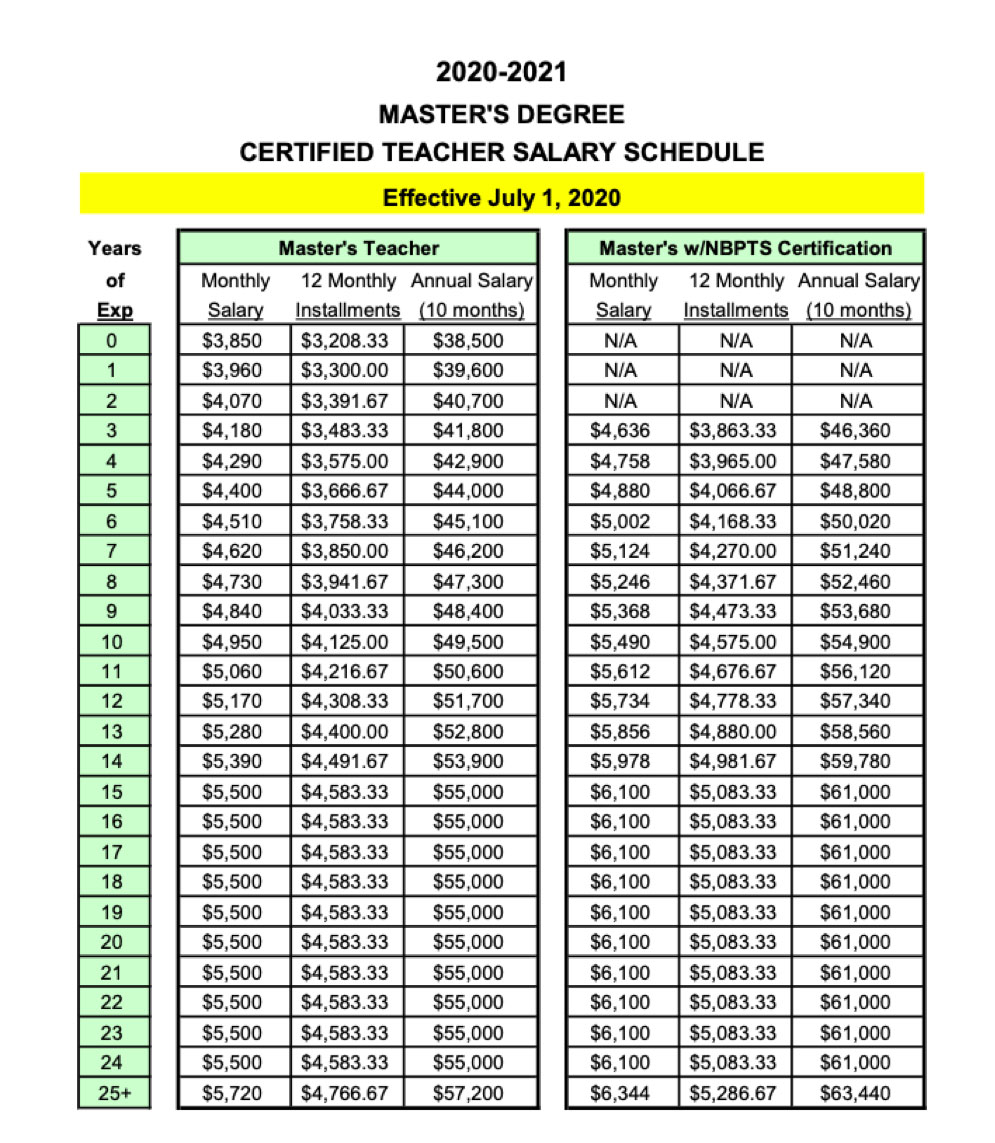
The academic credentials a teacher brings to the table directly influence their starting pay. Most school districts operate on a ‘step and lane’ salary schedule. “Lanes” typically refer to educational attainment (e.g., Bachelor’s, Bachelor’s + 15 credits, Master’s, Master’s + 30 credits, Doctorate), with each advanced lane corresponding to a higher base salary. A teacher with a Master’s degree might start several thousand dollars higher than a colleague with only a Bachelor’s degree, even if they have the same number of years of experience. Beyond degrees, specific certifications can also boost earning potential. Teachers who are certified in high-demand areas, such as special education, STEM subjects (math, science, computer science), or bilingual education, often qualify for additional stipends or signing bonuses due to the scarcity of qualified candidates in these fields. National Board Certification, a rigorous credential signifying advanced teaching standards, also typically comes with a significant salary bump once achieved, though this is usually for more experienced teachers.
Public vs. Private School Salary Structures
The starting salary experience can differ considerably between public and private schools. Public schools are generally characterized by transparent, often union-negotiated, salary schedules that explicitly outline pay based on education level and years of experience. These schedules offer predictability and a clear path for salary progression. Benefits packages in public schools are typically robust, including comprehensive health insurance, defined-benefit pension plans, and other perks, which contribute significantly to the total compensation value.
Private schools, on the other hand, tend to have more flexible and less transparent salary structures. Compensation is often negotiated individually, similar to corporate roles, and can vary widely based on the school’s endowment, religious affiliation, and perceived prestige. While some elite private schools may offer competitive or even higher starting salaries than their public counterparts, many smaller or specialized private schools might offer lower base pay. However, private schools often compensate with smaller class sizes, different student populations, and potentially unique benefits like tuition discounts for children or housing allowances, which can sometimes offset a lower base salary. When considering a private school, it’s essential to look beyond the base salary and evaluate the entire compensation package and work environment.
Beyond the Base: The Total Compensation Package
Focusing solely on the starting salary for a teacher provides an incomplete financial picture. The true value of a teaching position extends well beyond the annual paycheck, encompassing a range of benefits and less tangible advantages that significantly enhance a teacher’s overall financial well-being and career satisfaction. Understanding the total compensation package is crucial for a comprehensive financial assessment.
Benefits and Their Financial Value (Health, Retirement)
One of the most significant components of a teacher’s total compensation, often overlooked when comparing base salaries, is the comprehensive benefits package. Public school teachers, in particular, typically receive excellent health insurance benefits, often including medical, dental, and vision coverage, with a substantial portion of the premiums paid by the district. The financial value of these benefits can easily amount to several thousand dollars annually, representing a considerable saving compared to purchasing similar coverage independently.
Furthermore, retirement plans for teachers are often robust. Many public school systems offer defined-benefit pension plans, which guarantee a specified monthly income in retirement based on years of service and salary history. This is a rare and highly valuable benefit in today’s employment landscape, providing long-term financial security that many private-sector employees do not enjoy. In addition to pensions, teachers often have access to supplemental retirement savings plans like 403(b)s or 457(b)s, allowing them to contribute pre-tax dollars to investments. Understanding the long-term financial security these benefits provide is essential when evaluating a starting salary.
Opportunities for Supplemental Income (Extra Duties, Coaching)
While the base salary forms the core, teachers often have numerous opportunities to supplement their income within the school environment. These can be particularly attractive for new teachers looking to boost their initial earnings. Common avenues include:
- Coaching sports teams: Many schools pay stipends for coaching various athletic teams.
- Leading clubs and extracurricular activities: Advising academic clubs, drama productions, or student councils often comes with an additional stipend.
- Summer school teaching: Districts frequently offer summer school programs, providing opportunities for extended employment and additional income.
- Tutoring: Individual or group tutoring sessions, either privately or through school programs, can be a flexible way to earn extra money.
- Curriculum development: Some districts pay teachers for developing new curriculum materials or participating in specialized committees during non-instructional hours.
- Supervising events: Chaperoning dances, proctoring exams, or supervising after-school programs are often paid hourly or with stipends.
These supplemental opportunities, while varying by district and individual interest, can significantly boost a new teacher’s annual earnings, sometimes by several thousand dollars, making the overall financial picture much more favorable.
The Hidden Value of Job Security and Work-Life Balance
Beyond the tangible financial benefits, teaching offers valuable non-monetary advantages that contribute to overall career satisfaction and financial stability. Job security is a significant factor, especially in public education. Once tenure is achieved (typically after a probationary period of 2-3 years), teachers enjoy a high degree of employment protection, offering peace of mind that is increasingly rare in other sectors. This stability can be invaluable for long-term financial planning, such as securing mortgages or planning for a family.
Furthermore, the work-life balance afforded by the traditional school calendar is a considerable perk for many. While teaching hours during the school year are demanding, the benefit of having summers off, along with numerous holidays and breaks, allows for personal development, travel, family time, or even pursuing additional income streams outside of school. This structured time off, while unpaid in some roles, provides a unique rhythm that can lead to a higher quality of life and opportunities for rejuvenation, which indirectly translates to long-term well-being and career sustainability. When evaluating a teacher’s starting salary, these “hidden values” should certainly be weighed in the balance.
Strategies for Maximizing Your Earning Potential
While starting salaries for teachers might not always compete with entry-level positions in other fields, the profession offers clear pathways for salary growth and opportunities to increase earning potential over time. Strategic planning and continuous professional development are key to accelerating financial progression.
Advanced Degrees and Professional Development
One of the most direct and impactful ways for teachers to increase their salary is by pursuing advanced degrees. As mentioned, most public school salary schedules reward teachers for earning a Master’s degree, an Education Specialist (Ed.S.) degree, or a Doctorate (Ph.D. or Ed.D.). The salary differential between a Bachelor’s and Master’s degree can be substantial, often an increase of $3,000 to $10,000 or more annually, depending on the district. Many districts also offer stipends for professional development units (PDUs) or additional graduate credits beyond a degree. Investing in continuous learning not only enhances teaching skills but also directly translates into higher pay. Exploring tuition reimbursement programs offered by some districts or pursuing grants and scholarships for graduate studies can make these investments more financially viable.
Specializations and High-Demand Subjects
Another effective strategy for boosting earning potential involves specializing in high-demand subject areas. Teachers certified in fields with chronic shortages, such as special education, STEM (Science, Technology, Engineering, Math), or bilingual education, often receive recruitment and retention stipends, signing bonuses, or higher placement on salary scales. For instance, a math teacher with a Master’s degree might earn more than a general elementary education teacher with the same degree and experience simply because of the market demand for their specialization. Pursuing additional certifications in these areas, even after starting a career, can open doors to higher-paying positions or supplementary income opportunities. Teachers willing to relocate to areas with acute shortages in their specialized field may also find more lucrative offers.
Navigating Salary Negotiations and Step Increases
While public school salary schedules are generally non-negotiable for starting teachers, understanding how they work is crucial. Teachers typically advance up the “steps” of the salary schedule annually, receiving automatic pay raises based on their years of service. It’s important to ensure that all prior relevant experience (e.g., substitute teaching, teaching in another state or private school) is properly credited when first hired, as this can place a new teacher on a higher step immediately. For teachers in private schools, there is often more room for direct salary negotiation, where demonstrating unique skills, experience, or specialized certifications can yield a higher starting offer. Regularly researching district salary schedules and understanding the progression of pay is essential for long-term financial planning. Advocating for advanced placement on the schedule based on exceptional qualifications or experience can make a significant difference over a career.
Financial Planning for New Teachers
Starting a career in teaching, while incredibly rewarding, often involves navigating initial salaries that require careful financial planning. Developing sound money management habits from the outset is crucial for long-term financial stability and peace of mind.
Budgeting on a Starting Salary
One of the most critical steps for new teachers is to create a realistic and detailed budget. Understanding exactly where every dollar goes helps manage expenses, save for future goals, and avoid debt. Key budgeting principles include:
- Track income and expenses: Use budgeting apps, spreadsheets, or pen and paper to monitor all money coming in and going out.
- Prioritize needs over wants: Distinguish between essential living expenses (housing, utilities, groceries, transportation) and discretionary spending (entertainment, dining out).
- Set financial goals: Whether it’s saving for a down payment, paying off student loans, or building an emergency fund, having clear goals provides motivation.
- Automate savings: Set up automatic transfers from checking to savings accounts each payday to ensure consistent contributions to financial goals.
- Adjust as needed: Budgets are not static; they should be reviewed and adjusted regularly, especially as income or expenses change.
Effective budgeting on a starting teacher’s salary can significantly reduce financial stress and lay the groundwork for a secure financial future.
Student Loan Management Strategies
For many new teachers, student loan debt is a significant financial burden. Developing a strategic approach to managing this debt is paramount. Options to consider include:
- Income-Driven Repayment (IDR) Plans: Federal student loan borrowers may qualify for IDR plans, which adjust monthly payments based on income and family size, potentially making payments more affordable.
- Public Service Loan Forgiveness (PSLF): This program is specifically designed for public servants, including public school teachers. After making 120 qualifying monthly payments under an IDR plan while working full-time for a qualifying employer, the remaining balance of direct federal loans may be forgiven. Understanding and actively pursuing PSLF can save teachers tens of thousands of dollars over their careers.
- Teacher Loan Forgiveness (TLF): Separate from PSLF, TLF offers up to $17,500 in loan forgiveness for highly qualified teachers in low-income schools after five consecutive years of service.
- Refinancing (for private loans): For private student loans, refinancing with a lower interest rate can reduce monthly payments or the total interest paid over the life of the loan. However, refinancing federal loans means losing access to federal protections like IDR and PSLF.
Exploring these options can make student loan debt more manageable and accelerate the path to financial freedom.
Early Investment and Retirement Planning
Despite a potentially modest starting salary, beginning to save and invest for retirement as early as possible is a powerful financial strategy due to the magic of compound interest. Even small, consistent contributions can grow significantly over a 30-40 year career.
- Contribute to your pension: Public school teachers automatically contribute to their pension plans. Understanding how your state’s pension system works and what your estimated benefits will be is important.
- Utilize 403(b) or 457(b) plans: These employer-sponsored retirement plans are similar to 401(k)s and allow teachers to contribute pre-tax dollars, reducing current taxable income while saving for retirement.
- Open a Roth IRA: A Roth IRA allows for after-tax contributions, meaning qualified withdrawals in retirement are tax-free. This offers tax diversification for retirement income.
- Build an emergency fund: Before investing aggressively, aim to save 3-6 months’ worth of living expenses in an easily accessible savings account. This provides a financial cushion against unexpected events.
By prioritizing budgeting, strategically managing student debt, and starting early with retirement savings, new teachers can build a strong financial foundation that supports their dedication to educating the next generation, ensuring their financial well-being alongside their professional fulfillment.
aViewFromTheCave is a participant in the Amazon Services LLC Associates Program, an affiliate advertising program designed to provide a means for sites to earn advertising fees by advertising and linking to Amazon.com. Amazon, the Amazon logo, AmazonSupply, and the AmazonSupply logo are trademarks of Amazon.com, Inc. or its affiliates. As an Amazon Associate we earn affiliate commissions from qualifying purchases.