
Anaphylaxis is a severe, potentially life-threatening allergic reaction requiring immediate recognition and treatment. While the core medical protocols for its management are well-established, the landscape of emergency response, medical training, and patient care is being rapidly transformed by technology. Far from being confined to traditional textbooks and static guidelines, the protocol for treating anaphylaxis is increasingly shaped, supported, and even executed through a sophisticated array of digital tools, AI-driven insights, and connected devices. This article explores how technology is redefining the “protocol” for anaphylaxis treatment, making it more accessible, efficient, and ultimately, life-saving.
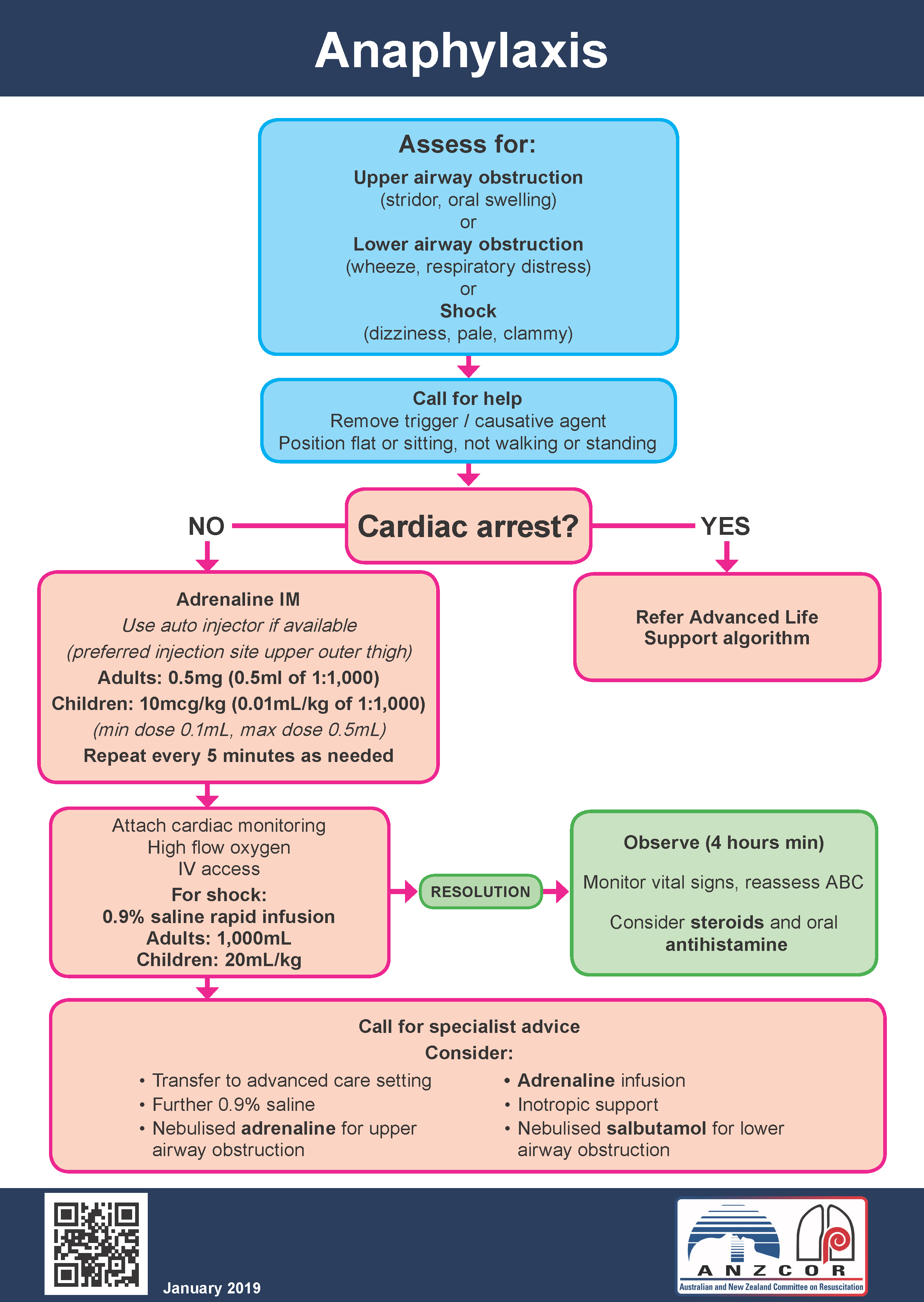
Digitalizing Emergency Protocols: Apps and Real-time Guidance
The cornerstone of effective anaphylaxis treatment is swift, accurate action based on established medical protocols. In high-stress emergency situations, real-time digital support can be invaluable, ensuring healthcare providers and even trained laypeople adhere precisely to guidelines. The digitalization of emergency protocols through mobile applications and telemedicine platforms is revolutionizing how these critical steps are accessed and applied.
The Role of Mobile Applications in Anaphylaxis Management
Mobile applications have emerged as powerful tools for disseminating and guiding emergency protocols. For first responders, paramedics, and even emergency room physicians, dedicated apps can provide immediate access to the latest anaphylaxis guidelines, drug dosages, and step-by-step treatment algorithms. These apps often feature interactive checklists, timers for medication administration (e.g., epinephrine every 5-15 minutes), and decision-support trees that help navigate complex scenarios, such as differential diagnoses or managing refractory anaphylaxis. Many patient-facing apps also exist, designed for individuals with severe allergies and their caregivers. These apps can store personalized emergency action plans, locate nearby pharmacies or hospitals, remind users to carry their auto-injectors, and even offer voice-guided instructions during an allergic reaction, effectively transforming a smartphone into a pocket-sized emergency assistant. Crucially, digital security protocols ensure patient data within these apps, such as allergy history and medication details, remains protected, complying with healthcare privacy regulations.
Telemedicine and Remote Consultation During Acute Events
In scenarios where on-site medical expertise might be limited, or a second opinion is crucial, telemedicine provides a lifeline. During an acute anaphylactic event, paramedics in rural settings or school nurses can connect via secure video link with emergency physicians or allergists. This real-time visual and auditory consultation allows remote specialists to observe the patient’s condition, guide on-site personnel through critical protocol steps, confirm diagnoses, and recommend subsequent actions. Telemedicine platforms can integrate with wearable vital sign monitors, allowing off-site doctors to view physiological data concurrently. This immediate expert input ensures that even in remote or under-resourced environments, the treatment protocol for anaphylaxis is executed with the highest possible standard of care, significantly reducing response times and improving patient outcomes.
AI and Predictive Analytics in Anaphylaxis Response
Artificial intelligence (AI) and machine learning are moving beyond theoretical applications, actively shaping how we predict, diagnose, and manage anaphylaxis. These advanced tools offer unprecedented capabilities for data analysis, pattern recognition, and decision support, augmenting human capabilities in critical moments.
AI-Driven Diagnostic Support and Risk Assessment
Accurate and rapid diagnosis is paramount in anaphylaxis, often challenging due to varied symptoms that can mimic other conditions. AI algorithms, trained on vast datasets of patient symptoms, medical histories, and laboratory results, are being developed to assist in differentiating anaphylaxis from conditions like asthma exacerbation, panic attacks, or fainting. These AI tools can quickly analyze symptom clusters, patient demographics, and known allergens to provide a probabilistic diagnosis, guiding clinicians towards the correct treatment protocol more swiftly. Furthermore, AI can contribute to risk assessment by analyzing individual patient profiles—including genetic predispositions, co-morbidities, and previous allergic reactions—to identify those at higher risk of severe or recurrent anaphylaxis, prompting proactive management strategies and personalized emergency action plans. This predictive capability helps in optimizing the “protocol” by tailoring it to individual patient needs before an event even occurs.
Optimizing Emergency Logistics and Resource Allocation with AI
Beyond clinical decision-making, AI plays a pivotal role in optimizing the logistical aspects of emergency response. In urban centers, AI-powered dispatch systems can analyze real-time traffic data, ambulance availability, and hospital bed capacity to route emergency medical services (EMS) most efficiently to the scene of an anaphylactic reaction. This ensures the fastest possible arrival of trained personnel and vital medication. Within hospitals, AI can help manage inventory of critical medications like epinephrine, ensuring supplies are always adequate. Predictive analytics can forecast potential surges in emergency room visits related to allergic reactions (e.g., during pollen season or specific food events), allowing hospitals to pre-emptively allocate staff and resources. This proactive, data-driven approach, powered by AI, transforms the operational “protocol” of emergency services, making them more responsive and effective in treating anaphylaxis.

Smart Devices and Wearables: Enhancing Treatment Delivery and Monitoring
The advent of smart medical devices and wearable technology is introducing a new dimension to anaphylaxis management, offering innovative ways to deliver treatment, monitor patient status, and improve adherence to protocols. These devices bridge the gap between passive guidelines and active, real-time intervention.
Connected Auto-Injectors and Adherence Monitoring
Epinephrine auto-injectors are the cornerstone of anaphylaxis treatment. Next-generation “smart” auto-injectors are now incorporating Bluetooth connectivity and other sensors. These devices can pair with a user’s smartphone, providing step-by-step audio and visual instructions during an emergency, potentially guiding an panicked individual or untrained bystander through the injection process. Beyond the immediate emergency, some smart auto-injectors can log usage data—time, date, and GPS location of administration—which can be crucial information for paramedics upon arrival and for subsequent medical follow-up. This data can also be shared securely with caregivers or healthcare providers, improving adherence to carrying the device and ensuring proper use, addressing a common challenge in anaphylaxis management. Furthermore, future iterations could integrate with AI systems to recommend follow-up actions or alert emergency services automatically after an injection.
Wearable Sensors for Early Detection and Post-Treatment Monitoring
Wearable technology, from smartwatches to specialized medical patches, is increasingly being explored for its potential in anaphylaxis management. While not yet capable of predicting an allergic reaction before symptoms appear, advancements are being made in using wearables to monitor vital signs (heart rate, respiration rate, oxygen saturation) for subtle changes that might indicate the onset or progression of an anaphylactic reaction. For individuals with known severe allergies, continuous monitoring could provide early warnings, allowing for quicker intervention. Post-epinephrine administration, wearables can continue to monitor the patient’s physiological response, tracking the effectiveness of the treatment and alerting medical personnel to any deterioration or the need for further intervention. This continuous, passive monitoring enhances the treatment protocol by providing objective data in real-time, empowering both patients and medical professionals with crucial insights into the patient’s condition.
Training and Simulation: Virtual Reality for Protocol Mastery
Mastering the rapid and precise execution of anaphylaxis treatment protocols requires extensive training and practice. Traditional methods, while effective, can be resource-intensive and lack the realism needed to fully prepare responders for high-stress situations. Virtual Reality (VR) and Augmented Reality (AR) are emerging as transformative technologies for medical education and simulation, offering immersive and interactive environments for protocol mastery.
VR/AR in Medical Education for Anaphylaxis Protocols
Virtual reality provides an unparalleled platform for simulating emergency scenarios. Medical students, paramedics, and even school staff can enter a VR environment where they are presented with a simulated patient experiencing anaphylaxis. They must then identify symptoms, assess the situation, and correctly follow the treatment protocol, including calling for help, administering epinephrine, and managing airways—all within a safe, controlled, yet highly realistic digital space. AR applications can overlay digital information onto real-world environments, such as projecting anatomical information onto a training dummy or guiding users through the steps of assembling an auto-injector. These technologies allow for repeated practice of the entire protocol, from diagnosis to post-treatment care, helping to build muscle memory and improve decision-making under pressure, without risking patient safety or expending costly resources.
Gamified Learning for Emergency Response
To make training more engaging and effective, developers are integrating gamification principles into VR/AR simulations and mobile apps. By introducing challenge levels, scoring systems, and progress tracking, learners are motivated to repeatedly practice anaphylaxis protocols. For instance, a gamified app might challenge a user to correctly identify anaphylaxis symptoms within a time limit or administer epinephrine virtually with perfect technique to achieve a high score. This approach not only makes learning enjoyable but also embeds critical steps of the protocol more deeply, enhancing retention and recall during real-life emergencies. Such technological innovations ensure that the “protocol for the treatment of anaphylaxis” is not just learned but truly mastered by a wider range of responders, from medical professionals to concerned parents.

Conclusion
The “protocol for the treatment of anaphylaxis” is no longer a static set of guidelines; it is a dynamic, technologically augmented ecosystem designed for rapid recognition, precise intervention, and continuous improvement. From mobile applications providing real-time guidance and AI offering diagnostic insights, to smart devices ensuring proper medication delivery and VR simulations honing emergency response skills, technology is fundamentally reshaping every aspect of anaphylaxis management. As these innovations continue to evolve, they promise to make anaphylaxis treatment protocols more standardized, accessible, and ultimately, more effective in saving lives across diverse healthcare settings and for every individual at risk. Embracing these technological advancements is crucial for the future of emergency medicine and patient safety.
aViewFromTheCave is a participant in the Amazon Services LLC Associates Program, an affiliate advertising program designed to provide a means for sites to earn advertising fees by advertising and linking to Amazon.com. Amazon, the Amazon logo, AmazonSupply, and the AmazonSupply logo are trademarks of Amazon.com, Inc. or its affiliates. As an Amazon Associate we earn affiliate commissions from qualifying purchases.