
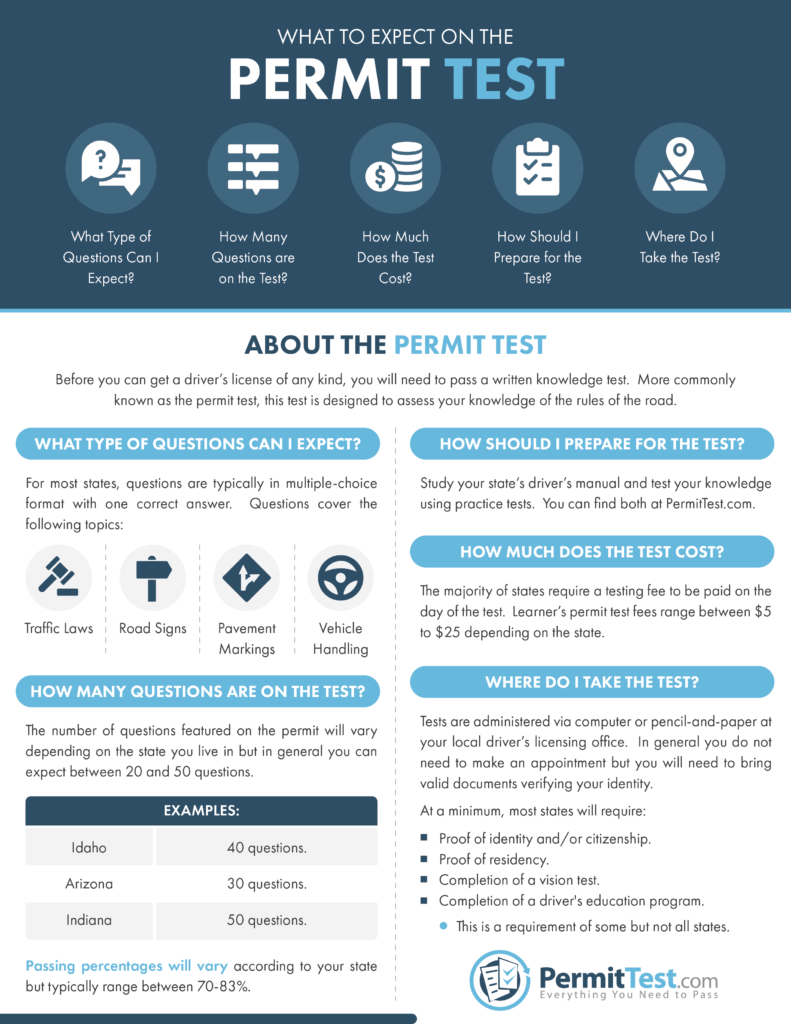
The permit test, often the first significant hurdle on the journey to obtaining a driver’s license, is a rite of passage for millions worldwide. More than just an examination, it represents a foundational understanding of road rules, safety regulations, and responsible driving practices. While its core purpose has remained consistent for decades—ensuring new drivers possess the theoretical knowledge to operate a vehicle safely—the landscape of how these tests are prepared for, administered, and even conceived is undergoing a profound transformation, driven largely by advancements in technology. In an era where digital tools permeate nearly every aspect of life, understanding “what is the permit test” increasingly involves exploring its evolution within the digital sphere, from interactive study aids to sophisticated online proctoring systems and future-gazing at virtual reality simulations.
The Permit Test: A Gateway to Mobility Transformed by Tech
At its heart, the permit test assesses an individual’s comprehension of traffic laws, road signs, and safe driving principles. Historically, this meant poring over a physical driver’s handbook and taking a written or computerized test at a local Department of Motor Vehicles (DMV) office. Today, while the fundamental objective endures, technology has not merely streamlined the process but reshaped the very experience, making it more accessible, efficient, and, in many ways, more dynamic.
Understanding the Core Purpose in a Digital Context
The permit test serves as a critical gatekeeper, ensuring that aspiring drivers grasp the theoretical underpinnings necessary to navigate roads responsibly. This theoretical knowledge is paramount, as it forms the bedrock upon which practical driving skills are built. In a digital context, technology enhances the delivery and assessment of this knowledge. It moves beyond static text, allowing for multimedia explanations of complex rules, real-time feedback on practice questions, and adaptive learning paths that cater to individual comprehension speeds. The digital age hasn’t altered the “why” of the permit test but has significantly augmented the “how.”
Historical Context vs. Modern Reality
Traditionally, preparing for a permit test involved a physical handbook and perhaps attending classroom sessions. The test itself was often a paper-and-pencil affair or a rudimentary computer multiple-choice exam at a government facility. The modern reality is dramatically different. Smartphones and tablets have become ubiquitous study tools, offering a plethora of apps designed for permit test preparation. Online courses provide structured learning environments, often integrating videos, quizzes, and simulated exams. The actual testing process, too, has seen innovation, with some jurisdictions exploring remote proctoring and advanced identity verification to expand access beyond traditional brick-and-mortar locations. This shift signifies a broader trend in education and certification, where digital transformation seeks to overcome geographical barriers and enhance user experience while maintaining stringent standards.
Technology’s Role in Permit Test Preparation
The preparatory phase for the permit test has been one of the most significantly impacted areas by technological innovation. Gone are the days when a single, often dry, government handbook was the sole resource. Today, a vibrant ecosystem of digital tools empowers prospective drivers with diverse, interactive, and personalized learning experiences.
Interactive Apps and Mobile Learning
The proliferation of smartphones has made mobile learning an indispensable part of permit test preparation. Dozens of highly-rated apps offer practice questions, flashcards, and simulated tests that closely mimic the real exam format. These apps often feature intuitive interfaces, progress tracking, and immediate feedback, allowing users to identify their weak areas and focus their study efforts effectively. Some even incorporate gamification elements, turning what could be a tedious task into an engaging challenge. This on-the-go accessibility means learners can study anytime, anywhere, fitting preparation seamlessly into their busy schedules.
Online Courses and Simulated Exams
Beyond mobile apps, comprehensive online courses provide structured learning pathways. These platforms often combine video lectures, animated explanations of traffic laws, and interactive quizzes. Many offer full-length simulated exams with detailed performance analytics, helping users gauge their readiness and build confidence. The advantage of online courses lies in their ability to deliver a more holistic and structured learning experience, often mirroring the curriculum taught in traditional driving schools but with the flexibility of self-paced learning. The integration of multimedia elements caters to different learning styles, making complex rules easier to understand and remember.
AI-Powered Study Tools and Personalized Learning Paths
The cutting edge of permit test preparation involves artificial intelligence. AI-powered platforms can analyze a user’s performance on practice questions, identify patterns in their errors, and then dynamically adjust the learning content to address specific knowledge gaps. This personalized approach means that instead of a one-size-fits-all curriculum, each learner receives a custom study plan tailored to their needs. AI can also predict exam readiness with greater accuracy, offering targeted recommendations for improvement. This intelligent tutoring system represents a significant leap from traditional study methods, promising a more efficient and effective learning journey.
Digital Platforms for Test Administration
The administration of the permit test itself is increasingly leveraging technology to enhance security, efficiency, and accessibility. While many tests still occur in physical locations, digital platforms are changing how these exams are delivered and monitored, bringing both opportunities and new challenges.
Online Testing Security and Integrity
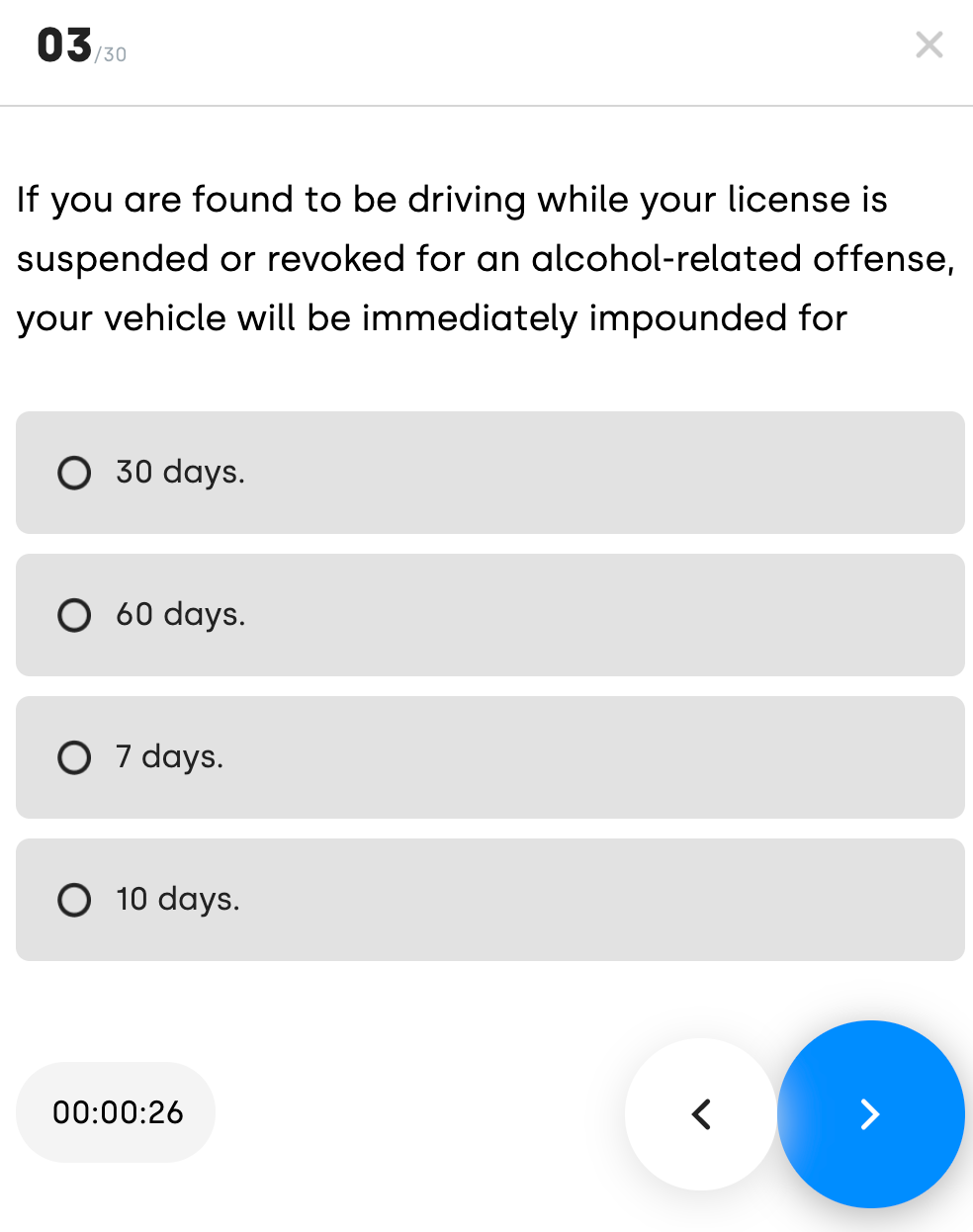
One of the primary concerns with any digital examination is maintaining security and preventing cheating. For permit tests, technology offers sophisticated solutions. Secure browser lock-downs prevent access to external websites or applications during the test. Randomization of questions from large banks ensures that no two test-takers receive the exact same sequence of questions. Furthermore, advanced encryption protocols protect test content and personal data, safeguarding the integrity of the examination process. These measures are crucial to ensure that a permit holder’s knowledge is genuinely earned.
Remote Proctoring and Verification Technologies
The rise of remote testing, especially accelerated by recent global events, has brought remote proctoring technologies to the forefront. These systems use webcams, microphones, and AI to monitor test-takers remotely. Features include facial recognition for identity verification, eye-tracking to detect suspicious gaze patterns, and environmental scanning to ensure no unauthorized materials are present. While raising privacy concerns for some, remote proctoring offers unparalleled flexibility, allowing individuals in remote areas or with limited mobility to take the permit test from the comfort and convenience of their homes, while still upholding the rigor of the exam.
Accessibility Features in Digital Testing
Technology has also made the permit test more accessible to individuals with diverse needs. Digital testing platforms can incorporate features like screen readers for visually impaired individuals, adjustable font sizes and color contrasts, and alternative input methods. For those with hearing impairments, questions can be accompanied by written text or sign language interpretations. This commitment to digital accessibility ensures that the permit test serves as an equitable gateway to driving privileges, removing barriers that might exist in traditional paper-based or less adaptable computer systems.
The Future of Permit Testing: Innovation on the Horizon
The evolution of the permit test is far from over. As technology continues its rapid advancement, we can anticipate even more transformative changes in how future generations will prepare for and take their initial driving exams. These innovations promise to make the process even more immersive, secure, and integrated with broader digital ecosystems.
Virtual Reality and Augmented Reality for Practical Simulations
Imagine practicing complex road scenarios or identifying hazards not just through text, but in a fully immersive virtual environment. Virtual Reality (VR) and Augmented Reality (AR) hold immense potential for permit test preparation and even practical assessment. VR simulations could place learners in realistic driving situations, allowing them to react to traffic, inclement weather, or unexpected obstacles without any real-world risk. AR applications could overlay digital information onto the real world, assisting learners in identifying road signs or understanding traffic flow dynamics during early supervised drives. This experiential learning could significantly deepen comprehension and improve hazard perception even before getting behind the wheel of an actual car.
Blockchain for Secure Credentialing
Looking further ahead, blockchain technology could revolutionize how driving permits and licenses are issued and verified. By creating an immutable, distributed ledger of qualifications, blockchain could enhance the security and integrity of credentials, making them tamper-proof and easily verifiable by authorities. This could simplify cross-jurisdictional recognition of permits and reduce instances of fraud. A permit stored on a blockchain could become a verifiable digital asset, seamlessly integrating into various digital identity management systems.
Data Analytics for Improved Testing and Curriculum
The vast amounts of data generated by digital permit tests and preparatory tools offer a rich resource for continuous improvement. Advanced data analytics can identify common areas of confusion among test-takers, pinpoint ambiguous questions, or even reveal regional differences in understanding traffic laws. This data can then inform revisions to the permit test curriculum, refine question banks, and improve educational materials, making the entire system more effective at producing knowledgeable and safe drivers. This feedback loop, driven by data, ensures the permit test remains relevant and robust.
Benefits and Challenges of Tech-Driven Permit Testing
The embrace of technology in the permit test process brings a myriad of benefits, from enhanced efficiency to greater reach. However, it also introduces significant challenges that must be addressed to ensure equity and effectiveness for all aspiring drivers.
Enhanced Accessibility and Convenience
Perhaps the most apparent benefit of technological integration is the dramatic improvement in accessibility and convenience. Online study tools remove geographical barriers, allowing individuals in rural areas or those with limited access to physical driving schools to prepare effectively. Remote testing options, where available, offer unprecedented flexibility, reducing the need to travel to specific testing centers and accommodating diverse schedules. This democratization of access ensures that more people have the opportunity to pursue their driving goals.
Addressing Digital Divide and Equity Concerns
While technology offers immense advantages, it simultaneously exacerbates the digital divide. Not everyone has reliable access to high-speed internet, modern computing devices, or the digital literacy skills required to navigate online platforms. Mandating digital-only permit test preparation or administration could inadvertently exclude segments of the population, particularly those from lower socioeconomic backgrounds or older demographics. Addressing this requires thoughtful policy, including providing public access points, offering hybrid options, and investing in digital literacy programs to ensure equitable access to this essential life skill.

Continuous Evolution and Adaptation
The technological landscape is in constant flux, demanding continuous evolution and adaptation from permit test administrators and educational providers. Keeping pace with new security threats, evolving learning methodologies, and emerging technologies requires ongoing investment in infrastructure, software, and staff training. This dynamic environment, while exciting, necessitates a proactive approach to maintain the relevance, security, and effectiveness of the permit test in the digital age.
In conclusion, “what is the permit test” is a question whose answer is increasingly intertwined with technology. From advanced AI-driven study apps to secure remote proctoring and the potential of virtual reality, technology is revolutionizing every facet of the permit acquisition journey. While the core objective of ensuring knowledgeable and safe drivers remains unchanged, the tools and methodologies used to achieve this are becoming ever more sophisticated, promising a future where obtaining a driver’s permit is more accessible, efficient, and deeply integrated with the digital world. The challenge ahead lies in harnessing these innovations responsibly, ensuring equity and integrity as we continue to define the permit test for the 21st century.
aViewFromTheCave is a participant in the Amazon Services LLC Associates Program, an affiliate advertising program designed to provide a means for sites to earn advertising fees by advertising and linking to Amazon.com. Amazon, the Amazon logo, AmazonSupply, and the AmazonSupply logo are trademarks of Amazon.com, Inc. or its affiliates. As an Amazon Associate we earn affiliate commissions from qualifying purchases.