
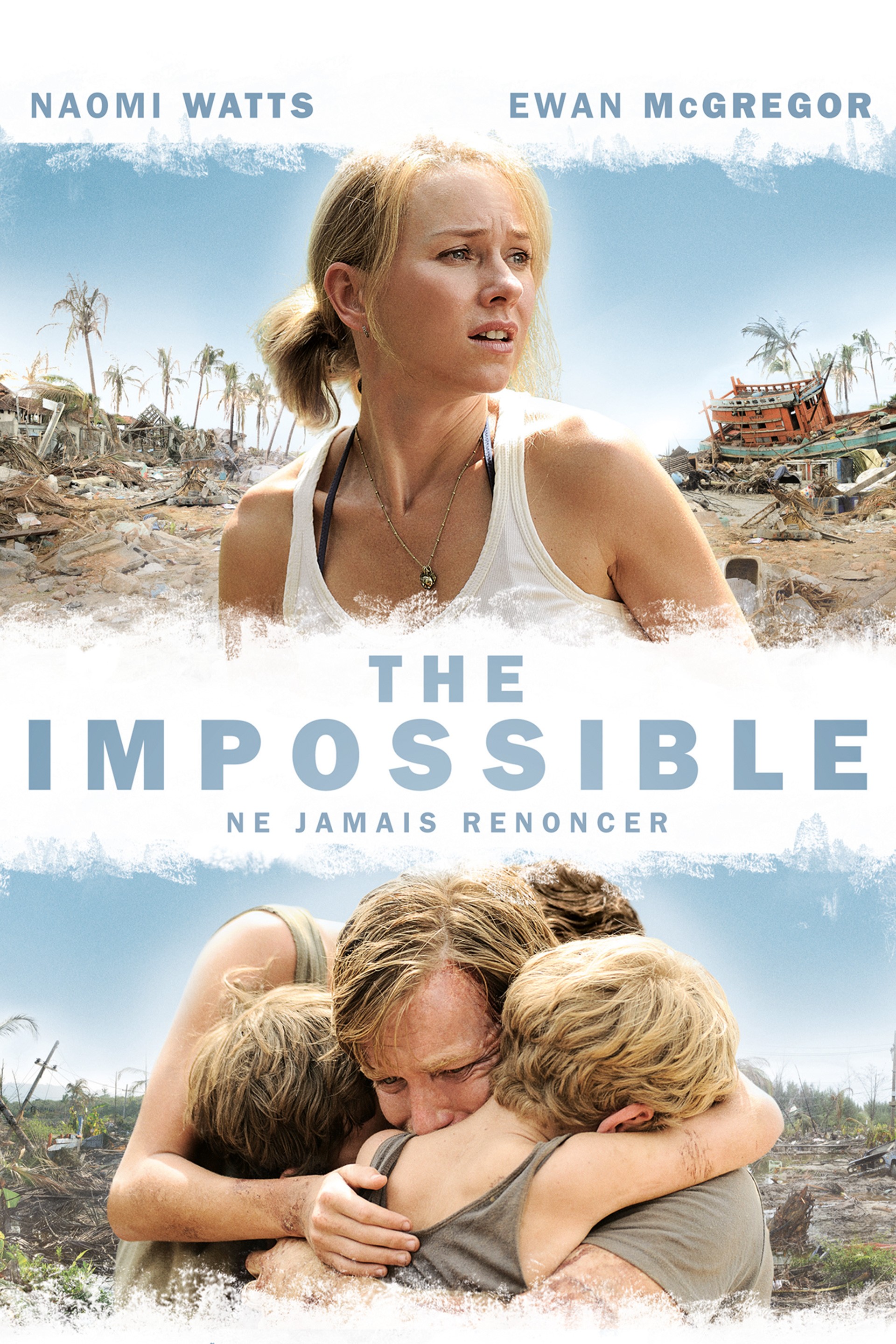
Beyond its harrowing depiction of a real-life catastrophe, “The Impossible” is a profound study in cinematic branding, crafting an emotional narrative that resonates deeply with global audiences. Released in 2012, this Spanish English-language disaster drama recounts the true story of the Belón-Álvarez family, caught in the devastating 2004 Indian Ocean tsunami. While on the surface, the film is a gripping survival tale, its enduring impact and critical success can be analyzed through the strategic lens of brand identity, emotional marketing, and the powerful role of personal branding within the entertainment industry. It’s not merely a movie; it’s a carefully constructed narrative product designed to evoke specific emotions and leave a lasting impression, much like a successful brand aims to do.

Crafting a Brand Narrative: The Emotional Core of “The Impossible”
The essence of any compelling brand lies in its story, and “The Impossible” masterfully leverages a true, harrowing account to forge an unforgettable brand narrative. Its success isn’t just in recreating a cataclysmic event, but in humanizing it through a singular, relatable family, establishing a brand identity rooted in authenticity and raw emotion.
The Power of True Stories in Brand Building
In an increasingly saturated media landscape, authenticity is a precious commodity. Brands that can claim a genuine, verifiable story often build a stronger, more trustworthy connection with their audience. “The Impossible” capitalizes on this by being explicitly based on the experiences of María Belón and her family. This foundation in truth lends immense credibility and emotional weight to the film’s brand. It’s not just a fictionalized account of a disaster; it’s a testament to real human resilience. This true-story branding strategy immediately elevates the film above generic disaster fare, promising audiences not just spectacle, but an intimate, personal journey rooted in fact. For a brand, such authenticity fosters trust, an invaluable asset in cultivating loyalty and engagement. The film’s brand narrative, therefore, begins with the powerful, unassailable truth of its origins, inviting viewers to witness a personal history rather than merely consume entertainment.
Evoking Empathy: A Key Brand Strategy
Empathy is the bedrock of emotional connection, a crucial element for any brand aiming to forge deep relationships with its audience. “The Impossible” excels at this, strategically narrowing its focus from the immense scale of the 2004 tsunami to the plight of a single, identifiable family. By allowing audiences to witness the terror, separation, and desperate hope through the eyes of Maria, Henry, and their three sons, the film achieves a profound level of empathy. This is a deliberate brand strategy: to make the unimaginable relatable. Rather than overwhelming viewers with statistics or widespread devastation, the film zeroes in on the personal struggle for survival and reunion. This intimate perspective transforms the general horror into a deeply personal anxiety for the characters, making their struggle our own. For a brand, eliciting such powerful empathetic responses translates into stronger engagement, memorability, and a deeper emotional bond, proving that universal themes are often best communicated through individual stories.
The ‘Impossible’ Brand Message: Resilience and Hope
Every successful brand communicates a core message or ‘promise’ to its audience. For “The Impossible,” the overarching brand message is one of extraordinary resilience and unwavering hope in the face of insurmountable odds. Despite the unimaginable trauma and loss depicted, the film’s narrative arc consistently emphasizes the strength of the human spirit, the enduring power of family bonds, and the miraculous capacity for survival. This message forms the very heart of the film’s brand identity. It’s not just a story about a tsunami; it’s a story about enduring and overcoming. This positive, life-affirming message, even amidst tragedy, provides a powerful and memorable takeaway for audiences. It positions “The Impossible” not just as a disaster film, but as an inspirational one, a brand that offers not despair but a celebration of the human will to survive and connect. Such a strong, positive brand message contributes significantly to its lasting impact and critical appeal.
Marketing “The Impossible”: A Case Study in Emotional Branding
The theatrical release of “The Impossible” was not merely a matter of distributing a film; it was a carefully executed marketing campaign that strategically leveraged emotional appeal, star power, and critical validation to build anticipation and secure audience engagement. This process offers valuable insights into effective emotional branding within the entertainment sector.
Trailer Strategy and Audience Engagement
The trailers and promotional materials for “The Impossible” were a masterclass in emotional branding, meticulously balancing the terrifying grandeur of the tsunami with the intimate human drama. They didn’t shy away from showcasing the devastating spectacle but immediately anchored it with the personal story of the family’s fight for survival and their desperate search for each other. This dual approach was key to the film’s brand messaging: promising both breathtaking visual effects and profound emotional depth. The marketing effectively communicated that this was not just another disaster movie focused on CGI, but a deeply moving human interest story. By highlighting poignant moments of connection, fear, and hope, the trailers created an immediate emotional hook, drawing viewers in with the promise of a powerful and unforgettable experience. This strategic framing ensured that the film’s brand was perceived as both thrilling and heartfelt, appealing to a broad audience eager for a film that offered both spectacle and soul.
Leveraging Star Power for Brand Reach
The casting of internationally recognized actors like Naomi Watts and Ewan McGregor was a strategic brand move that significantly amplified “The Impossible’s” global reach and credibility. Both actors brought their established personal brands—their reputations for delivering compelling, nuanced performances—to the project. Naomi Watts, known for her dramatic intensity, and Ewan McGregor, admired for his versatility and emotional depth, immediately lent a sense of prestige and gravitas to the film. Their presence assured audiences of a high-quality production and strong central performances, essential for anchoring such an emotionally demanding narrative. This celebrity endorsement acted as a powerful marketing tool, leveraging their pre-existing fan bases and critical acclaim to elevate the film’s brand perception even before its release. For any brand, aligning with established, respected figures can significantly enhance visibility, trustworthiness, and appeal, and “The Impossible” demonstrated this principle effectively in its casting choices.
Critical Acclaim and Word-of-Mouth: Organic Brand Growth

Beyond traditional advertising, “The Impossible” benefited immensely from critical acclaim and subsequent word-of-mouth, which are powerful drivers of organic brand growth. Positive reviews from film critics, particularly Naomi Watts’s Oscar nomination for Best Actress, served as crucial third-party validation, enhancing the film’s brand reputation for excellence and emotional impact. These accolades not only encouraged initial viewership but also built sustained momentum. Furthermore, the deeply moving nature of the story ensured that audiences who saw the film became fervent advocates, sharing their emotional experiences and recommending it to friends and family. This organic, peer-to-peer marketing is incredibly valuable for any brand, as it is perceived as more trustworthy and influential than direct advertising. The film’s ability to touch people so profoundly that they felt compelled to share their experience created a virtuous cycle of awareness and interest, demonstrating how authentic emotional connection can fuel lasting brand loyalty and expansion.
“The Impossible” and the Brand of Disaster Cinema
Every genre has its own brand identity, a set of expectations and conventions that audiences associate with it. “The Impossible” both conforms to and innovates within the “disaster cinema” genre, carefully crafting its own unique brand position by focusing on authenticity and emotional depth, rather than merely spectacle.
Defining a Sub-Genre’s Brand Identity
Within the broader “disaster movie” genre, which often leans heavily on grand spectacle, elaborate special effects, and a large ensemble cast, “The Impossible” carved out a distinct sub-genre brand identity. It differentiates itself by prioritizing the raw, intimate human experience over widespread destruction. While the tsunami sequence is undeniably powerful and visually stunning, the film’s brand identity is defined less by the magnitude of the disaster itself and more by the individual struggle for survival and reunion. It’s a “personal disaster narrative” rather than a “global catastrophe spectacle.” This focus allows the film to stand apart, appealing to audiences who seek emotional resonance and character-driven drama alongside intense action. By emphasizing authenticity and the true story, “The Impossible” refined the disaster film brand, demonstrating that profound impact can come from intense focus rather than expansive scope.
Ethical Branding in Portraying Tragedy
Depicting real-life tragedies presents significant ethical challenges for any creative brand. “The Impossible” navigates this sensitive territory with a deliberate focus on respect and authenticity, which became a cornerstone of its ethical brand. The filmmakers worked closely with the real María Belón, ensuring that the portrayal of her family’s experience was accurate and respectful. This commitment to truth and empathy, rather than sensationalism or exploitation, was crucial for the film’s brand integrity. By concentrating on the family’s perseverance and the kindness of strangers, the film avoids becoming purely a spectacle of suffering. This responsible approach to storytelling ensured that the film’s brand was perceived as compassionate and mindful, reinforcing a reputation for sensitivity rather than exploiting trauma for entertainment. For brands operating in sensitive areas, such ethical considerations are paramount for maintaining public trust and a positive image.
Legacy and Cultural Impact as a Brand Asset
The true measure of a powerful brand often lies in its lasting legacy and cultural impact. “The Impossible” has achieved this, becoming more than just a film; it’s a significant cultural touchstone for remembrance of the 2004 tsunami and a cinematic benchmark for human resilience. Its powerful narrative and emotional depth ensure that it remains a widely discussed and recommended film, contributing to its long-term brand value. The film’s ability to consistently evoke strong emotions and inspire conversations about survival, family, and the human spirit solidifies its position in popular culture. This enduring relevance means “The Impossible” continues to generate awareness and discussion, much like a classic brand that maintains its market position and continues to influence new generations. Its legacy is a testament to the power of a well-executed brand narrative that resonates far beyond its initial release.
Personal Branding Through Performance: The Actors’ Journey
Beyond the film’s overall brand, “The Impossible” served as a pivotal moment for the personal brands of its leading actors, showcasing their talent, expanding their reach, and in some cases, launching careers.
Naomi Watts’ Brand Transformation
Naomi Watts’s portrayal of Maria Belón in “The Impossible” was nothing short of transformative for her personal brand. Known for her versatility, this role solidified her reputation as an actress capable of immense emotional depth and physical endurance. Her performance was universally lauded, earning her an Academy Award nomination for Best Actress. This critical acclaim and high-profile recognition significantly elevated her brand status within Hollywood, affirming her as a formidable dramatic talent capable of carrying a powerful narrative. The role allowed her to showcase a vulnerability and raw strength that resonated profoundly with audiences and critics alike, enriching her personal brand and opening doors to more challenging and diverse roles.
Ewan McGregor’s Role in Reinforcing His Brand
Ewan McGregor, already a well-established actor, used “The Impossible” to reinforce and subtly refine his personal brand. As Henry Bennett, he portrayed a father consumed by desperation yet driven by an unwavering love and hope to find his missing family. This performance underscored his ability to convey deep empathy and resilience, complementing his established brand as a versatile and charismatic leading man. While perhaps not as overtly transformative as for Watts, the film allowed McGregor to showcase a mature, grounded dramatic presence, further solidifying his appeal to a wider audience and affirming his capacity for emotionally demanding roles beyond his more adventurous or musical ventures.
Tom Holland’s Breakout Brand Moment
Perhaps the most significant personal branding impact of “The Impossible” was on a then-unknown Tom Holland. His stunning debut performance as Lucas, the eldest son, was universally praised and served as his crucial breakout moment. His raw, authentic portrayal of a traumatized yet resilient child immediately established his initial brand identity as a young actor of extraordinary talent and emotional range. The film provided the perfect launchpad for his career, catching the eye of casting directors and paving the way for his future iconic roles, most notably as Spider-Man. “The Impossible” was instrumental in building the foundational blocks of Tom Holland’s personal brand, showcasing his potential and marking him as a talent to watch in Hollywood.
In conclusion, “The Impossible” transcends its literal plot summary to offer a fascinating case study in strategic branding within the entertainment industry. From crafting a compelling, authentic narrative to leveraging star power and ethical storytelling, the film demonstrates how a media product can build a powerful brand identity rooted in emotional connection, resilience, and a lasting cultural footprint. It’s a testament to how meticulous brand strategy, even for a single film, can achieve profound and enduring impact.
aViewFromTheCave is a participant in the Amazon Services LLC Associates Program, an affiliate advertising program designed to provide a means for sites to earn advertising fees by advertising and linking to Amazon.com. Amazon, the Amazon logo, AmazonSupply, and the AmazonSupply logo are trademarks of Amazon.com, Inc. or its affiliates. As an Amazon Associate we earn affiliate commissions from qualifying purchases.