
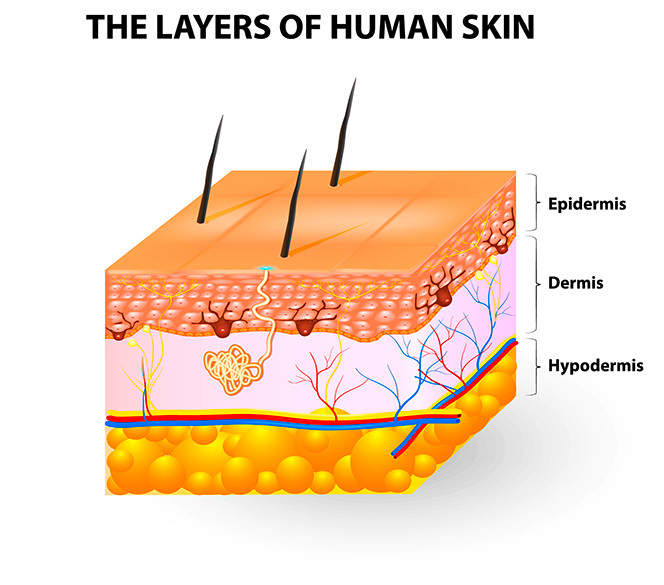
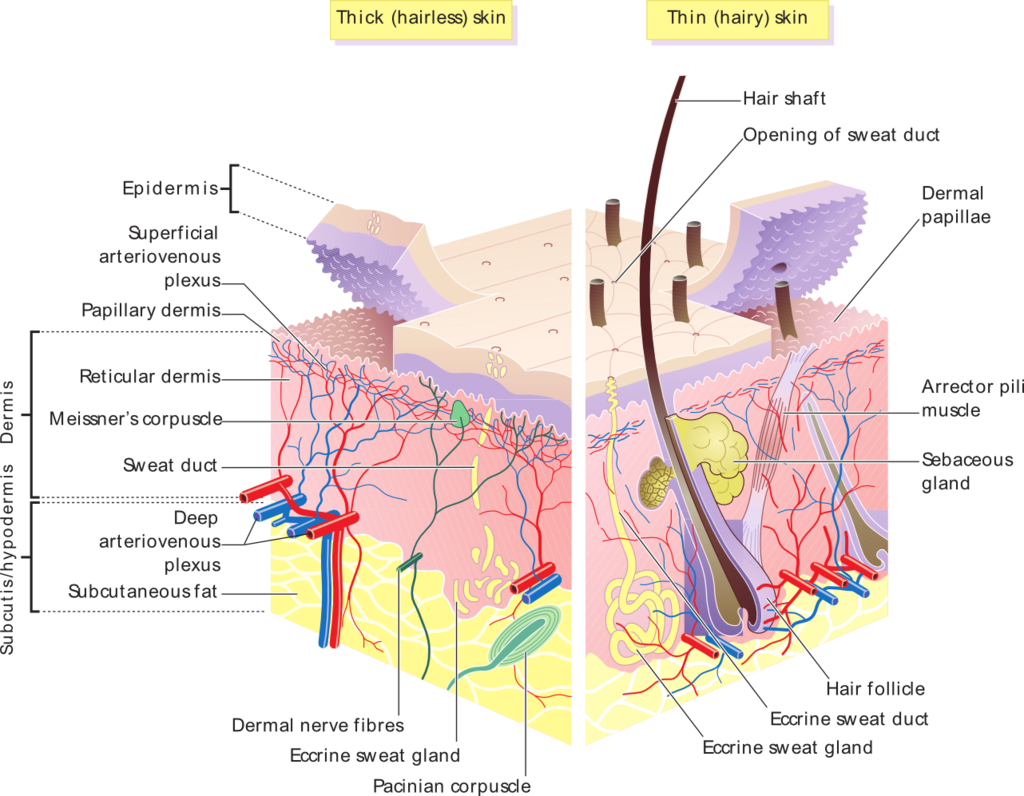
In biological terms, the middle layer of the skin—the dermis—is where the real action happens. It is the powerhouse containing connective tissue, sweat glands, and nerve endings. It is the structural integrity that holds the surface together while communicating with the deeper systems of the body. In the world of technology, specifically within software development and enterprise systems, we find a direct parallel. This “middle layer” is known as middleware or the integration tier.
While the “epidermis” of tech is the user interface (UI) that consumers touch, and the “hypodermis” is the deep database storage, the middle layer is what gives a digital product its life, responsiveness, and intelligence. As we move further into the era of AI-driven ecosystems and hyper-connectivity, understanding this middle layer is essential for developers, tech leaders, and digital strategists.

Defining the Middle Layer: The Middleware Revolution
In modern software engineering, the middle layer represents the “connective tissue” that allows different applications or components to communicate with one another. Historically, software was monolithic; everything was bundled into one giant block of code. Today, architecture is modular, and the middle layer is the glue that prevents these modules from falling apart.
The Bridge Between UI and Data
The primary function of the middle layer is to act as a translator. When a user interacts with a mobile app (the surface layer), they aren’t directly accessing a SQL database or a server farm. Instead, their request is captured by the middle layer. This layer validates the request, applies business logic, and determines which deep-seated resource needs to be triggered. Without this “dermis,” the user interface would be a hollow shell with no ability to execute complex tasks.
Why Infrastructure is the Real “Dermis” of Software
Just as the dermis provides structural support to the skin, middleware provides the infrastructure for distributed computing. It handles the “plumbing” of the digital world—tasks like authentication, messaging, and data management. In a tech stack, this layer includes Web Servers, Application Servers, and Content Management Systems (CMS). By offloading these responsibilities to the middle layer, developers can focus on creating better user experiences rather than worrying about how data packets are moved from point A to point B.
APIs and Integration: The Connective Tissue
If the middle layer is the dermis, then Application Programming Interfaces (APIs) are the nerve endings. APIs are the specific protocols within the middle layer that allow different software programs to talk to each other. In a global economy driven by digital ecosystems, the ability to integrate is the difference between a successful platform and an obsolete tool.
Facilitating Seamless Communication
The modern tech landscape is a mosaic of different tools. A retail website might use one service for payments (Stripe), another for shipping (FedEx), and another for marketing (Mailchimp). The middle layer is where these disparate services are woven together. Through API gateways, the middle layer manages the traffic between these external services and the internal core of the business. This ensures that when a customer clicks “Buy,” the payment is processed, the warehouse is notified, and a confirmation email is sent—all in a fraction of a second.
Security and Resilience in the Middle Tier
The middle layer is also the first line of defense in digital security. Because it sits between the public-facing internet and the private data centers, it is the ideal place to implement security protocols. This is where encryption, identity management, and “rate limiting” (preventing a system from being overwhelmed by too many requests) occur. By centralizing security in the dermis of the tech stack, organizations can ensure that even if the outer layer is compromised, the sensitive “inner organs” of the data layer remain protected.
The Role of AI in Scaling the Middle Layer
We are currently witnessing a transformation where the middle layer is no longer just a passive bridge; it is becoming intelligent. The integration of Artificial Intelligence (AI) and Machine Learning (ML) into middleware is creating a “Smart Dermis” capable of making real-time decisions.
Automating Data Orchestration
As businesses generate petabytes of data, manual management becomes impossible. AI-enhanced middle layers can now perform “data orchestration”—automatically moving, cleaning, and preparing data for use. Instead of a developer writing static rules for how information should flow, AI models within the middle tier can predict which data will be needed and pre-fetch it, drastically reducing latency and improving the user experience.
Predictive Maintenance for Digital Ecosystems
One of the most exciting developments in tech is the use of AI in the middle layer to monitor system health. Just as the nerves in your skin tell you if something is too hot or too cold, AI-driven middleware monitors for “friction” in the digital system. It can identify patterns that precede a system crash or a security breach and take autonomous action to reroute traffic or patch vulnerabilities. This move toward “AIOps” (Artificial Intelligence for IT Operations) is making the middle layer more resilient than ever before.
Challenges in Modern Middleware Management
Despite its importance, the middle layer is often the most neglected part of the tech stack until something goes wrong. Managing this layer comes with significant challenges, particularly as companies migrate from on-premise servers to multi-cloud environments.
Complexity and Technical Debt
The more integrations a company has, the thicker and more complex its “middle layer” becomes. Over time, this can lead to “spaghetti code”—a tangled mess of APIs and legacy systems that are difficult to maintain. This technical debt acts like scar tissue on the skin, making the system less flexible and harder to upgrade. Organizations must prioritize “refactoring” or cleaning up this middle layer regularly to ensure it remains agile enough to support new technology trends.
The Future of Cloud-Native Middle Layers
As we look toward the future, the middle layer is moving toward a “serverless” and “cloud-native” model. In this setup, the middle layer doesn’t live on a specific server but exists as a series of micro-functions spread across the cloud. This allows for infinite scalability; as more users hit the “epidermis” of the app, the “dermis” expands automatically to handle the load. This evolution is crucial for the next generation of tech, including the Internet of Things (IoT) and the Metaverse, where billions of devices will require a robust, invisible middle layer to stay connected.
Conclusion: Investing in the Core
In biology, the health of the dermis determines the glow and resilience of the skin. In technology, the sophistication of the middle layer determines the performance, security, and scalability of an entire digital enterprise. While the “epidermis” of flashy gadgets and sleek app designs gets most of the headlines, it is the middle layer—the middleware, the APIs, and the intelligent orchestration—that does the heavy lifting.
For businesses and developers, the lesson is clear: do not neglect the middle. By investing in a robust, AI-ready, and secure middle layer, organizations can ensure that their digital presence is not just a pretty face, but a powerful, integrated system capable of thriving in an increasingly complex tech landscape. The middle layer is where data becomes action, where security meets accessibility, and where the future of software architecture is currently being written.
aViewFromTheCave is a participant in the Amazon Services LLC Associates Program, an affiliate advertising program designed to provide a means for sites to earn advertising fees by advertising and linking to Amazon.com. Amazon, the Amazon logo, AmazonSupply, and the AmazonSupply logo are trademarks of Amazon.com, Inc. or its affiliates. As an Amazon Associate we earn affiliate commissions from qualifying purchases.