
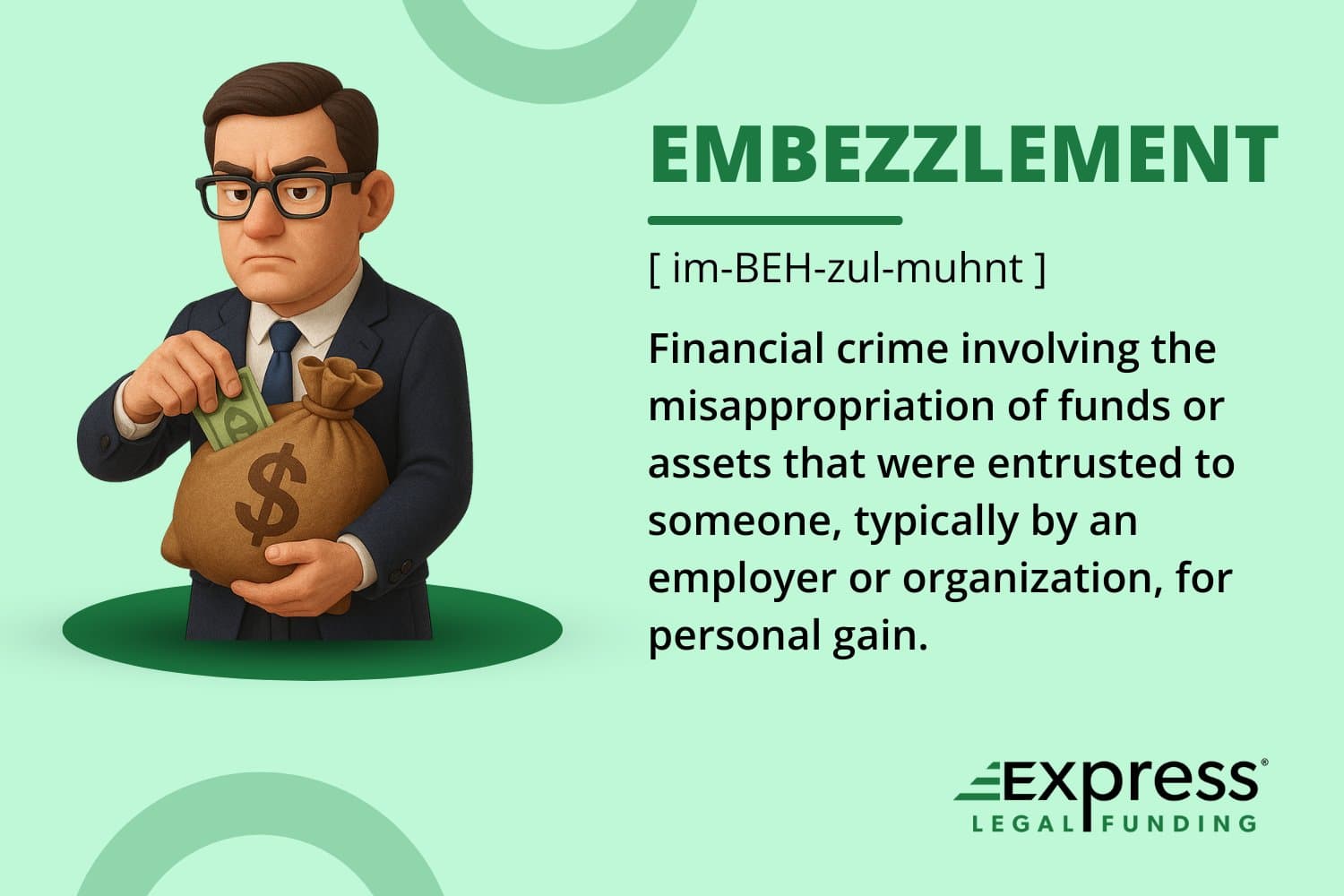
Embezzlement is a grave financial crime, often characterized by a profound betrayal of trust. It refers to the fraudulent appropriation of property by an individual to whom that property has been entrusted. Unlike simple theft, which involves taking property without permission, embezzlement occurs when a person, already in a position of trust (such as an employee, trustee, or agent), diverts assets for their personal gain. This distinction is crucial, as it highlights the element of fiduciary duty and the inherent violation of the relationship between the embezzler and the victim.
In the complex landscape of financial crimes, embezzlement stands out due to its insidious nature. It thrives in environments where oversight is lax, and opportunities for exploitation exist, often eroding the financial stability and trust of businesses, non-profits, and even government agencies. Understanding embezzlement is not merely an academic exercise; it’s a critical step for individuals and organizations alike to protect their assets, maintain ethical conduct, and foster a secure financial environment. This article will delve into the definition, common manifestations, devastating impacts, and crucial strategies for preventing and recovering from this pervasive financial malfeasance.
Defining Embezzlement: A Breach of Trust
At its core, embezzlement is a specific type of financial fraud involving the misuse of entrusted assets. It’s a crime that hinges on an existing relationship of confidence, where one party places their assets under the control or management of another, only for those assets to be illegally converted for personal use.
The Core Elements: Trust, Property, and Intent
For an act to be classified as embezzlement, several key elements must be present:
- A Fiduciary Relationship or Position of Trust: The perpetrator must have been entrusted with the property or assets in question. This implies a legal or ethical duty to manage or hold the property for the benefit of another. This could be an employee managing company funds, a lawyer handling client accounts, a trustee overseeing a trust, or a treasurer managing an organization’s finances.
- Possession of Property by Virtue of the Trust: The embezzler must have gained possession of the property lawfully due to their entrusted role, not through theft or unlawful taking. The property could be cash, securities, inventory, equipment, or any other valuable asset.
- Fraudulent Conversion or Misappropriation: The central act of embezzlement is the conversion of these entrusted assets for the embezzler’s own use or benefit, or for the benefit of a third party, without the consent of the rightful owner. This conversion is fraudulent because it violates the trust placed in the individual.
- Intent to Defraud: The perpetrator must have had the specific intent to deprive the rightful owner of their property permanently or temporarily. This intent differentiates embezzlement from accidental errors or negligence.
Without all these elements, an act might be considered another type of crime, but not embezzlement. For instance, if an employee simply steals cash from a register they were not authorized to handle, it would likely be theft, not embezzlement.
Embezzlement vs. Other Financial Crimes (Theft, Fraud)
While embezzlement shares similarities with other financial crimes, distinct differences set it apart:
- Theft: Theft generally involves taking property without the owner’s consent or knowledge. In theft, there’s no prior legitimate possession or entrustment of the property to the thief. Embezzlement, conversely, involves initial lawful possession followed by unlawful conversion.
- Fraud: Fraud is a broad category encompassing any deception intended to result in financial or personal gain. Embezzlement is a type of fraud, specifically one that exploits a position of trust. Other forms of fraud might involve misrepresentation to obtain property (e.g., selling a nonexistent item online) where no prior trust relationship regarding the property existed.
- Larceny by Trick: This crime involves obtaining possession of property through a false promise or representation, but without gaining actual title to the property. The owner intends to give up possession, but not ownership. Embezzlement differs because the perpetrator already has legal possession by virtue of trust.
Understanding these distinctions is vital for legal classification and the appropriate pursuit of justice. Embezzlement often carries harsher penalties due to the breach of fiduciary duty.
Common Scenarios and Modus Operandi
Embezzlement can manifest in various forms, adapting to the specific environment and opportunities available to the perpetrator. From internal employee schemes to sophisticated corporate misappropriations, the methods can be as varied as the contexts in which trust is placed.
Employee Embezzlement: The Inside Job
This is perhaps the most common scenario, often involving employees who have access to company funds or assets as part of their job duties. Examples include:
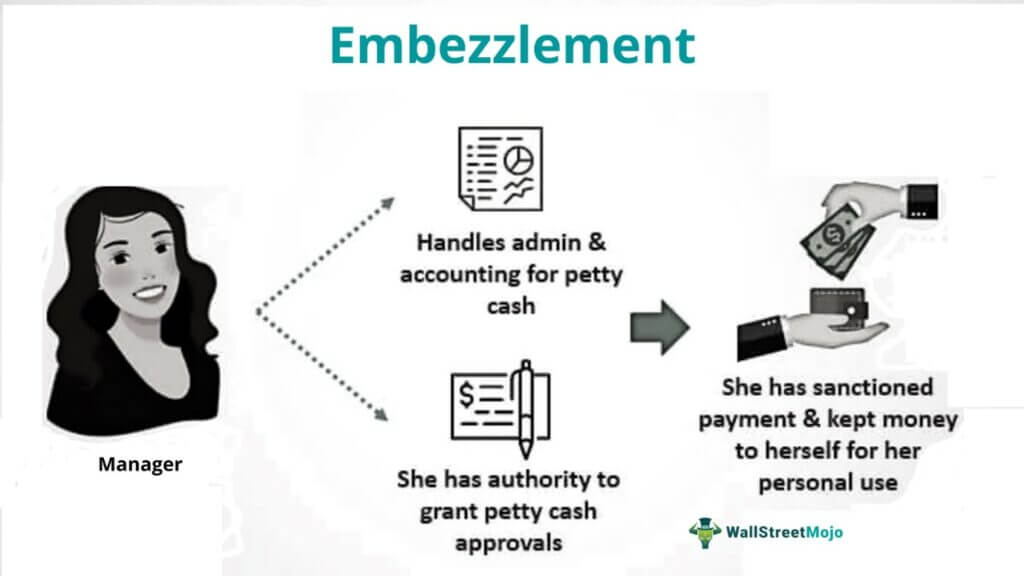
- Skimming Cash: Taking cash payments before they are recorded in the accounting system. This is prevalent in businesses dealing heavily with cash, such as restaurants or retail stores.
- Lapping: A scheme where an employee diverts customer payments and then uses subsequent customer payments to cover the previous theft, creating a rolling deficit that is difficult to detect without careful reconciliation.
- Check Tampering: Forging company checks, altering payee names or amounts, or creating fraudulent vendors to issue checks to.
- False Expense Reports: Submitting exaggerated or entirely fabricated expense claims for reimbursement.
- Payroll Fraud: Creating “ghost employees” (fictitious individuals on the payroll) or manipulating hours or rates for existing employees (often themselves).
- Inventory Theft: Employees with access to inventory stealing goods for personal use or resale.
These acts often start small, escalating over time as the embezzler gains confidence and finds ways to cover their tracks.
Corporate Embezzlement: Misappropriation at Higher Levels
At higher echelons, embezzlement can involve executives or senior managers misusing company resources on a grander scale. This might include:
- Misuse of Company Credit Cards: Executives using corporate cards for excessive personal expenses, classifying them as business-related.
- Fictitious Consulting Agreements: Creating shell companies or hiring nonexistent consultants to funnel company funds for personal benefit.
- Asset Misappropriation: Selling company assets (e.g., property, equipment) at below-market rates to an associated party, or directly diverting proceeds from asset sales.
- Kickbacks and Bribery: Accepting payments or benefits in exchange for favorable business decisions, which often involves diverting funds from legitimate business opportunities.
- Manipulation of Financial Statements: While often associated with broader financial fraud, the manipulation of records to hide the misappropriation of funds falls under corporate embezzlement.
These schemes are often more complex, involving multiple transactions and attempts to obscure the financial trail, making them harder to detect without forensic accounting.
Digital Age Embezzlement: New Tools for Old Crimes
The advent of digital technology has provided embezzlers with new tools and avenues for their illicit activities. While the core nature of the crime remains the same, the methods have evolved:
- Wire Transfer Fraud: Unauthorized initiation of electronic fund transfers to personal accounts or shell companies.
- Cryptocurrency Embezzlement: Misappropriating digital assets or using cryptocurrency transactions to hide the movement of illicit funds, exploiting the pseudo-anonymity of some cryptocurrencies.
- Exploiting Digital Payment Systems: Manipulating online payment gateways, virtual wallets, or e-commerce platforms to redirect funds.
- Data Embezzlement: While not traditional financial assets, valuable digital data (customer lists, trade secrets) can be “embezzled” and sold, representing a modern form of asset misappropriation.
- Phishing and Social Engineering: While these are often methods to gain initial access, they can be precursors to setting up an embezzlement scheme, by gaining credentials that allow access to financial systems.
The digital nature of these crimes often makes them borderless, requiring sophisticated digital forensics and international cooperation for detection and prosecution.
The Devastating Impact of Embezzlement
The consequences of embezzlement extend far beyond the immediate financial loss, affecting victims on multiple levels and often leaving a lasting scar.
Financial Losses and Operational Disruptions
The most immediate and obvious impact is the direct financial loss. Businesses can suffer significant reductions in revenue, depletion of cash reserves, and even insolvency in severe cases. These losses can force organizations to:
- Cut back on investments: Delaying or canceling plans for expansion, new product development, or technology upgrades.
- Reduce workforce: Laying off employees to offset financial shortfalls.
- Increase prices: Passing the burden of loss onto customers, potentially harming competitiveness.
- Face bankruptcy: In extreme cases, a substantial embezzlement scheme can lead to the complete collapse of a business.
Beyond direct losses, there are also significant costs associated with discovering and investigating the embezzlement, including legal fees, forensic accounting services, and the time diverted from core business operations. These disruptions can severely impede a company’s ability to function efficiently and achieve its strategic goals.
Reputational Damage and Erosion of Trust
Perhaps even more damaging than financial loss is the harm to reputation. When news of embezzlement breaks, it can shatter public confidence in the organization.
- Customer Trust: Customers may question the integrity of the business, leading to decreased sales and loyalty.
- Investor Confidence: Investors may become wary, leading to difficulties in raising capital or a decline in stock value for public companies.
- Employee Morale: A sense of betrayal and suspicion can permeate the workplace, reducing morale, increasing turnover, and making it harder to attract new talent.
- Vendor Relationships: Suppliers and partners may become hesitant to engage, fearing financial instability or ethical lapses.
Rebuilding trust after an embezzlement scandal is a long and arduous process, often requiring transparent communication, demonstrable corrective actions, and a sustained commitment to ethical practices.
Legal Consequences for Perpetrators
For those convicted of embezzlement, the consequences are severe and multifaceted:
- Criminal Penalties: Embezzlement is a felony in most jurisdictions, carrying potential penalties of significant fines, lengthy prison sentences, and a permanent criminal record. The severity of the sentence often depends on the amount of money or value of property embezzled.
- Civil Lawsuits: Victims can pursue civil action to recover the stolen assets. This often results in court orders for restitution, meaning the embezzler must repay the stolen funds. Assets may be seized, and wages garnished to satisfy these judgments.
- Professional Disqualification: Individuals in licensed professions (e.g., accountants, lawyers, financial advisors) found guilty of embezzlement may lose their professional licenses, ending their careers in their chosen field.
- Social Stigma: Beyond legal repercussions, embezzlers face significant social stigma, impacting their personal relationships and future employment prospects.
These consequences serve as a deterrent, underscoring society’s intolerance for breaches of financial trust.
Prevention and Detection: Safeguarding Your Business Finances
Proactive measures are the most effective defense against embezzlement. A multi-layered approach combining robust internal controls, technological solutions, and a strong ethical culture can significantly reduce vulnerability.
Implementing Robust Internal Controls
Strong internal controls are the bedrock of fraud prevention. These are policies and procedures designed to ensure the integrity of financial and accounting information, promote accountability, and prevent fraud. Key controls include:
- Segregation of Duties: Ensuring that no single individual has control over all aspects of a financial transaction. For example, the person who authorizes payments should not be the same person who processes them or reconciles the bank statements.
- Regular Reconciliation: Periodically matching internal records with external statements (e.g., bank statements, vendor invoices) to identify discrepancies.
- Authorization Procedures: Requiring multiple approvals for significant transactions, large expenditures, or changes to vendor lists.
- Physical Security of Assets: Protecting cash, inventory, and valuable equipment through locked safes, surveillance, and access controls.
- Mandatory Vacations: Requiring employees in sensitive financial roles to take uninterrupted time off, during which their duties are covered by others, often revealing irregularities.
- Background Checks: Conducting thorough background checks on all new hires, especially those in positions of financial trust.
Regular review and updates of these controls are essential to adapt to changing business environments and emerging risks.
The Role of Technology in Fraud Detection
Technology offers powerful tools for both preventing and detecting embezzlement:
- Accounting Software with Audit Trails: Modern accounting systems record every transaction and user activity, creating an immutable audit trail that can pinpoint suspicious entries or unauthorized changes.
- Data Analytics and AI: Sophisticated software can analyze large datasets of financial transactions to identify unusual patterns, anomalies, or red flags that might indicate fraudulent activity. AI and machine learning algorithms can learn normal behavior and flag deviations.
- Automated Reconciliation Systems: Software can automatically match bank statements with internal ledgers, quickly flagging any discrepancies that require human investigation.
- Access Control Systems: Limiting access to sensitive financial systems and data based on roles and permissions, ensuring only authorized personnel can perform specific tasks.
- Whistleblower Hotlines: Anonymous reporting systems, often managed by third parties, allow employees to report suspicious activities without fear of retaliation, leveraging technology for communication.
Investing in and properly utilizing these technologies can create a formidable deterrent and an efficient detection mechanism against embezzlement.
Fostering a Culture of Ethical Conduct
Beyond systems and software, a strong ethical culture is paramount. This involves:
- Clear Policies and Codes of Conduct: Establishing and communicating unambiguous ethical guidelines and anti-fraud policies that employees are required to acknowledge and follow.
- Regular Ethics Training: Providing ongoing training to all employees on ethical behavior, recognizing fraud, and reporting procedures.
- Leadership by Example: Senior management must consistently demonstrate integrity and ethical behavior, setting the tone for the entire organization.
- Open Communication: Creating an environment where employees feel comfortable asking questions, raising concerns, and reporting potential issues without fear of reprisal.
- Fair Enforcement: Consistently applying disciplinary actions for ethical breaches, demonstrating that misconduct will not be tolerated.
A robust ethical culture creates an environment where embezzlement is not only difficult to execute but also actively discouraged and promptly reported.
Recovering from Embezzlement: Legal Avenues and Financial Resilience
Even with the best preventative measures, organizations can still fall victim to embezzlement. When it occurs, a structured and decisive response is critical for recovery and future protection.
The Investigation Process
Upon suspicion or discovery of embezzlement, the immediate priority is to launch a thorough and impartial investigation:
- Secure Evidence: Immediately secure all relevant financial records, computer data, emails, and physical assets to prevent destruction or alteration.
- Engage Experts: Hire forensic accountants to trace the flow of funds and quantify losses, and legal counsel specializing in financial crime to advise on legal strategy.
- Interview Key Personnel: Conduct careful interviews with employees who may have relevant information, ensuring legal protections are observed.
- Cooperate with Law Enforcement: Report the crime to appropriate authorities (police, FBI, etc.) as soon as the initial findings warrant it. Law enforcement’s involvement is crucial for criminal prosecution.
- Contain the Damage: Identify and close any vulnerabilities that allowed the embezzlement to occur, preventing further losses.
The investigation aims to understand the full scope of the embezzlement, identify all perpetrators, and gather sufficient evidence for legal action.
Legal Recourse and Restitution
Once the investigation is complete, organizations can pursue various legal avenues:
- Criminal Prosecution: Cooperate fully with law enforcement and prosecutors to ensure the embezzler faces criminal charges. A conviction can lead to imprisonment and criminal restitution orders.
- Civil Lawsuits: File a civil lawsuit against the embezzler to recover monetary damages. This can lead to judgments that allow for the seizure of the embezzler’s assets, wage garnishment, or liens on property.
- Insurance Claims: Review insurance policies (e.g., fidelity bonds, crime insurance) which may cover losses due to employee theft or fraud. Timely filing of claims is crucial.
- Asset Forfeiture: In some cases, law enforcement can seize assets purchased with embezzled funds, which may then be returned to the victims.
The goal of these legal efforts is not only to hold the perpetrators accountable but also to recoup as much of the financial loss as possible.
Rebuilding Trust and Financial Resilience
Beyond legal and financial recovery, the long-term challenge is to rebuild trust and fortify the organization against future threats:
- Transparent Communication: Clearly communicate to stakeholders (employees, customers, investors) the actions taken to address the embezzlement and the measures implemented to prevent recurrence.
- Reinforce Internal Controls: Implement all recommended control enhancements and security upgrades identified during the investigation. This might include new software, revised policies, and increased oversight.
- Rebuild Morale: Address the psychological impact on employees, fostering a renewed sense of security and trust through open dialogue and support.
- Continuous Monitoring: Establish ongoing monitoring systems and regular audits to ensure controls remain effective and to detect any new vulnerabilities promptly.
- Review and Learn: Conduct a thorough post-mortem analysis of the incident to understand how it happened, why it wasn’t detected earlier, and what lessons can be applied to strengthen the organization’s financial resilience.
Embezzlement is a stark reminder of the constant need for vigilance in financial management. By understanding its meaning, common forms, and profound impacts, organizations and individuals can better equip themselves with the knowledge and tools to prevent, detect, and recover from this insidious breach of trust, ultimately safeguarding their financial health and integrity.
aViewFromTheCave is a participant in the Amazon Services LLC Associates Program, an affiliate advertising program designed to provide a means for sites to earn advertising fees by advertising and linking to Amazon.com. Amazon, the Amazon logo, AmazonSupply, and the AmazonSupply logo are trademarks of Amazon.com, Inc. or its affiliates. As an Amazon Associate we earn affiliate commissions from qualifying purchases.