
The relentless pursuit of new benchmarks in financial markets is a testament to economic growth, corporate resilience, and the enduring power of capitalism. Among the pantheon of global indices, the Dow Jones Industrial Average (DJIA) stands as one of the most recognized and closely watched barometers of U.S. economic health. For investors, economists, and the general public alike, the question of “what is the highest Dow Jones Average ever?” isn’t just a query about a number; it’s an inquiry into the peaks of market optimism, the culmination of decades of innovation, and a signal of the wealth creation engine at work.

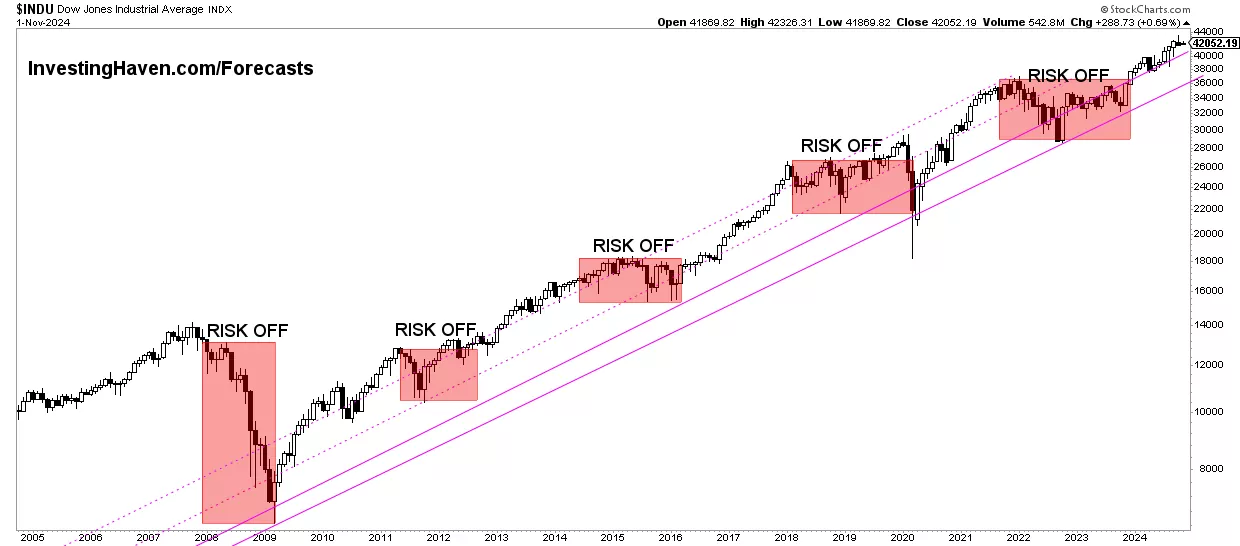
As of recent market movements (late Spring 2024), the Dow Jones Industrial Average has reached unprecedented levels, surpassing the 40,000 point mark for the first time in its history. This significant milestone represents the absolute highest point the index has ever achieved, reflecting a culmination of post-pandemic recovery, sustained corporate earnings, and evolving investor confidence. While market fluctuations are constant, and yesterday’s high might be surpassed tomorrow, this crossing of the 40,000 threshold stands as a monumental historical record, signifying robust market performance and a remarkable journey from its humble beginnings.
The Dow Jones Industrial Average: A Brief Overview
To truly appreciate the significance of reaching new all-time highs, it’s essential to understand what the Dow Jones Industrial Average is, its origins, and its role in the broader financial landscape. Far more than just a random collection of stock prices, the DJIA embodies a century-plus narrative of American industry and economic prowess.
Origins and Evolution
The Dow Jones Industrial Average was conceived by Charles Dow, co-founder of Dow Jones & Company, and first published on May 26, 1896. Initially comprising just 12 predominantly industrial stocks, its purpose was to provide a simple, easily understandable measure of the stock market’s overall health, particularly focusing on the industrial sector that dominated the U.S. economy at the time. Early components included companies like General Electric, U.S. Rubber, and National Lead.
Over its long history, the composition of the DJIA has evolved significantly to reflect the changing face of American industry. Companies that once dominated have given way to new giants in technology, finance, healthcare, and consumer goods. This evolution ensures that the index remains relevant as a representation of leading U.S. corporations, making its movements a continuous narrative of economic adaptation and progress.
What the DJIA Represents
Today, the DJIA is a price-weighted index of 30 large, publicly owned companies trading on the NASDAQ and the New York Stock Exchange. These “blue-chip” companies are considered leaders in their respective industries, known for their stability, size, and established track records. When commentators refer to “the market is up” or “the market is down,” they are often, implicitly or explicitly, referencing the DJIA’s performance, given its prominence.
Despite its wide recognition, the DJIA isn’t without its criticisms. Its price-weighted methodology means that stocks with higher share prices have a greater influence on the index’s value, regardless of their market capitalization. Furthermore, comprising only 30 companies, it represents a relatively small slice of the vast U.S. equity market, leading some to argue that broader, market-capitalization-weighted indices like the S&P 500 or the Nasdaq Composite offer a more comprehensive view of overall market performance. Nevertheless, its historical depth, ease of understanding, and the sheer prestige of its constituent companies ensure its continued relevance as a psychological benchmark and a proxy for investor sentiment.
Charting the Ascent: Key Milestones and Record Peaks
The journey of the Dow Jones Industrial Average from a mere 40.94 points at its inception to over 40,000 points is a chronicle of economic booms, devastating busts, and remarkable resilience. Each significant milestone achieved along the way tells a story of an economy overcoming challenges and pushing forward.
Early Growth and Resilience
The early decades of the Dow saw steady, albeit volatile, growth. It navigated the industrial expansion of the early 20th century, the roaring twenties, and the devastating crash of 1929, which plunged it into a protracted bear market. The recovery from the Great Depression and the subsequent economic boom fueled by World War II laid the groundwork for sustained growth in the post-war era. The Dow first crossed 1,000 points in 1972, a significant psychological barrier at the time, indicating a new era of market expansion.
The Modern Era of Rapid Gains (Late 20th Century to Present)
The late 20th and early 21st centuries witnessed an acceleration in the Dow’s ascent, marked by several pivotal moments:
- The 1990s Bull Market: Fueled by technological innovation, globalization, and declining interest rates, the Dow experienced an unprecedented surge, breaking through 5,000 points in 1995 and 10,000 points in 1999. This era was characterized by a broad economic expansion and a burgeoning dot-com bubble.
- The 2008 Financial Crisis and Subsequent Recovery: Following the dot-com bust and a period of relatively modest gains, the global financial crisis of 2008-2009 delivered a severe blow, sending the Dow plummeting. However, this period was quickly followed by one of the longest and most robust bull markets in history, driven by aggressive monetary easing, corporate deleveraging, and gradual economic recovery.
- Post-Pandemic Rally and Recent Records: The COVID-19 pandemic induced a sharp, but brief, bear market in early 2020. Yet, an extraordinary fiscal and monetary response, coupled with rapid vaccine development and technological acceleration, propelled the Dow to new heights. It crossed the 30,000-point mark in November 2020, an astonishing recovery demonstrating the market’s underlying strength and the economy’s adaptability. The momentum continued, leading to the breach of 35,000 points in 2021 and, most recently, the historic crossing of 40,000 points in 2024. Each of these milestones represents not just a numerical achievement, but a vote of confidence in the long-term trajectory of the U.S. economy and its leading companies.
Understanding the Drivers Behind Record Highs
The ascent of the Dow Jones Industrial Average to record highs is not a random occurrence but the result of a complex interplay of fundamental economic factors, supportive monetary policies, technological advancements, and shifting investor sentiment. Understanding these drivers is crucial for anyone engaging with financial markets.
Economic Fundamentals
At its core, the stock market reflects the health and future prospects of the underlying economy. Sustained corporate earnings growth is perhaps the most significant fundamental driver. When companies are profitable, their stock values tend to rise. This profitability is often supported by:
- Robust GDP Expansion: A growing economy generally means higher consumer spending and business investment, which translates to increased revenues and profits for corporations.
- Low Unemployment: Strong job markets lead to higher disposable income, boosting consumer demand and economic activity.
- Productivity Gains: Innovations and efficiencies that allow companies to produce more with less effort directly enhance profitability and contribute to economic growth.
Monetary Policy and Interest Rates
Central banks, particularly the U.S. Federal Reserve, wield immense influence over financial markets through their monetary policy decisions.
- Low Interest Rates and Quantitative Easing: Periods of low interest rates make borrowing cheaper for businesses, encouraging investment and expansion. Lower rates also make bonds less attractive, pushing investors towards higher-returning assets like stocks. Quantitative easing, where the Fed buys government bonds and other securities, injects liquidity into the financial system, further supporting asset prices. The extended period of historically low interest rates post-2008 and during the pandemic recovery significantly contributed to the multi-year bull market.
- Impact of Tightening Cycles: Conversely, rising interest rates (monetary tightening) can cool an overheating economy and curb inflation, but they can also make borrowing more expensive, potentially dampening corporate profits and making equity valuations less attractive. The market’s ability to absorb rate hikes and continue its upward trajectory, as seen in recent years, speaks to the underlying strength and resilience of the corporate sector.
Technological Innovation and Globalization

The rapid pace of technological advancement has been a perennial driver of market growth. Innovations in areas like artificial intelligence, biotechnology, digital communication, and renewable energy create entirely new industries, improve efficiency across existing sectors, and open up new markets. Companies at the forefront of these advancements often see their valuations soar, pulling the broader market higher.
Globalization, while facing recent headwinds, has historically allowed companies to access larger markets, diversify revenue streams, and optimize supply chains, contributing to enhanced profitability and growth.
Investor Sentiment and Market Psychology
Beyond the tangible fundamentals, human psychology plays a powerful role in market dynamics.
- Confidence and Optimism: A prevailing sense of optimism about the future—economic growth, corporate prospects, and geopolitical stability—encourages investment. When investors are confident, they are more willing to take on risk, bidding up stock prices.
- Fear of Missing Out (FOMO): During strong bull markets, the “fear of missing out” can draw hesitant investors into the market, further fueling price increases. This self-reinforcing cycle can push valuations higher, sometimes beyond what traditional fundamentals might suggest.
- Institutional Investment: Large institutional investors, such as pension funds, mutual funds, and hedge funds, manage trillions of dollars. Their collective investment decisions, often based on long-term growth projections and risk assessments, can have a profound impact on market direction.
The Significance of Reaching New Heights
The Dow’s ascent to its highest points ever is more than just an abstract number; it has tangible implications for the economy, individual investors, and the future outlook.
A Barometer of Economic Health
While not a perfect measure, the DJIA serves as a crucial barometer of economic sentiment and, to a significant extent, economic health. When the Dow reaches new highs, it generally reflects:
- Robust Corporate Performance: The constituent companies are reporting strong earnings, managing costs effectively, and expanding their operations.
- Investor Confidence: The willingness of investors to commit capital to these leading companies indicates a belief in sustained economic growth and stability.
- Positive Feedback Loop: A rising market can create a “wealth effect,” where individuals feel wealthier due to their investments, potentially leading to increased consumer spending, which further stimulates economic activity.
Wealth Creation and Retirement Planning
For millions of Americans, the stock market is a cornerstone of their long-term financial planning. Retirement accounts, such as 401(k)s and IRAs, are heavily invested in equities, often tracking broad market indices. New record highs in the Dow mean:
- Increased Retirement Savings: Portfolios grow, providing greater financial security for retirement.
- Enhanced Investment Returns: Investors who maintain diversified portfolios benefit from the upward trajectory, contributing to personal wealth accumulation.
- Pension Fund Stability: Corporate and public pension funds, which manage money for retirees, also benefit from strong market performance, ensuring their ability to meet future obligations.
Challenges and Considerations
While record highs are generally celebrated, they also bring forth important considerations and potential challenges:
- Market Corrections are Inevitable: No market moves in a straight line forever. Periods of sustained growth are often followed by corrections (declines of 10% or more) or bear markets (declines of 20% or more). Understanding this cyclical nature is crucial for long-term investors.
- Valuation Concerns: When markets reach successive new highs, questions about valuation inevitably arise. Are stock prices justified by underlying earnings, or is there a risk of assets becoming overvalued, potentially leading to a sharp reversal?
- Inflationary Pressures: Rapid economic growth and significant liquidity can sometimes lead to inflation, which erodes purchasing power and can prompt central banks to tighten monetary policy, potentially slowing market growth.
- Geopolitical Risks: Global events, political instability, and international conflicts can introduce significant uncertainty into markets, regardless of domestic economic strength.
Navigating Future Peaks and Valleys
The history of the Dow Jones Industrial Average is a testament to the fact that while peaks are celebrated, valleys are navigated, and the long-term trend has consistently been upward. For investors, understanding this enduring pattern is key to successful wealth management.
The Importance of Long-Term Perspective
Perhaps the most critical lesson from the Dow’s journey is the power of a long-term investment horizon. Despite numerous crashes, recessions, and global crises, the market has always recovered and gone on to achieve new highs. Investors who panic during downturns often miss out on the subsequent recoveries. Strategies like dollar-cost averaging, where one invests a fixed amount regularly regardless of market conditions, can help smooth out volatility and capture the long-term growth trend.
Diversification and Risk Management
While the Dow reaching new highs is exciting, it’s a specific index of 30 companies. Smart investing dictates broad diversification across different asset classes (stocks, bonds, real estate), industries, and geographies. This approach mitigates risk, ensuring that a downturn in one sector or region doesn’t devastate an entire portfolio. Asset allocation, tailored to individual risk tolerance and financial goals, remains a cornerstone of prudent financial planning.
Staying Informed, Not Reactive
The financial news cycle is often dominated by immediate market movements and sensational headlines. While staying informed about economic trends, corporate news, and geopolitical developments is important, making impulsive investment decisions based on short-term market noise is generally counterproductive. A disciplined approach, based on a well-thought-out financial plan, allows investors to ride out volatility and capitalize on the long-term growth potential.
Conclusion
The question “what is the highest Dow Jones Average ever?” has an ever-evolving answer, reflecting the dynamic nature of financial markets and the economy itself. As of recently, the Dow has boldly crossed the 40,000-point threshold, a landmark achievement that underscores the enduring strength and adaptability of the American corporate sector and its leading companies. This number is not merely a figure; it represents the culmination of more than a century of economic growth, technological innovation, strategic corporate management, and human resilience in the face of adversity.
While the path to new highs is never linear, punctuated by periods of correction and uncertainty, the historical trajectory of the Dow Jones Industrial Average offers a powerful narrative of long-term progress. For individuals engaged in personal finance and investing, this serves as a potent reminder of the importance of patience, diversification, and a steadfast belief in the compounding power of capital markets. As we look ahead, the journey of the Dow will undoubtedly continue to offer insights into economic performance, reflecting both the challenges and the remarkable capacity for growth that defines the global financial landscape.
aViewFromTheCave is a participant in the Amazon Services LLC Associates Program, an affiliate advertising program designed to provide a means for sites to earn advertising fees by advertising and linking to Amazon.com. Amazon, the Amazon logo, AmazonSupply, and the AmazonSupply logo are trademarks of Amazon.com, Inc. or its affiliates. As an Amazon Associate we earn affiliate commissions from qualifying purchases.