
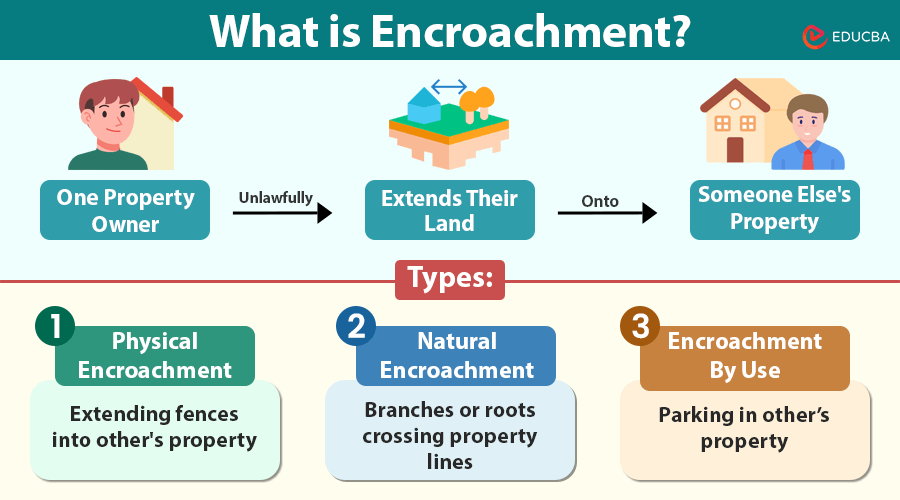
In the intricate world of real estate, where substantial financial assets are exchanged and long-term investments are made, understanding every nuance of property rights is paramount. One such nuance, often overlooked until it becomes a significant headache, is an “encroachment.” Far from being a mere inconvenience, an encroachment represents a serious infringement on property rights that carries profound financial implications for all parties involved. At its core, an encroachment occurs when a property owner violates the property rights of their neighbor by building or extending a structure (or even a natural feature like a tree) onto their neighbor’s land.
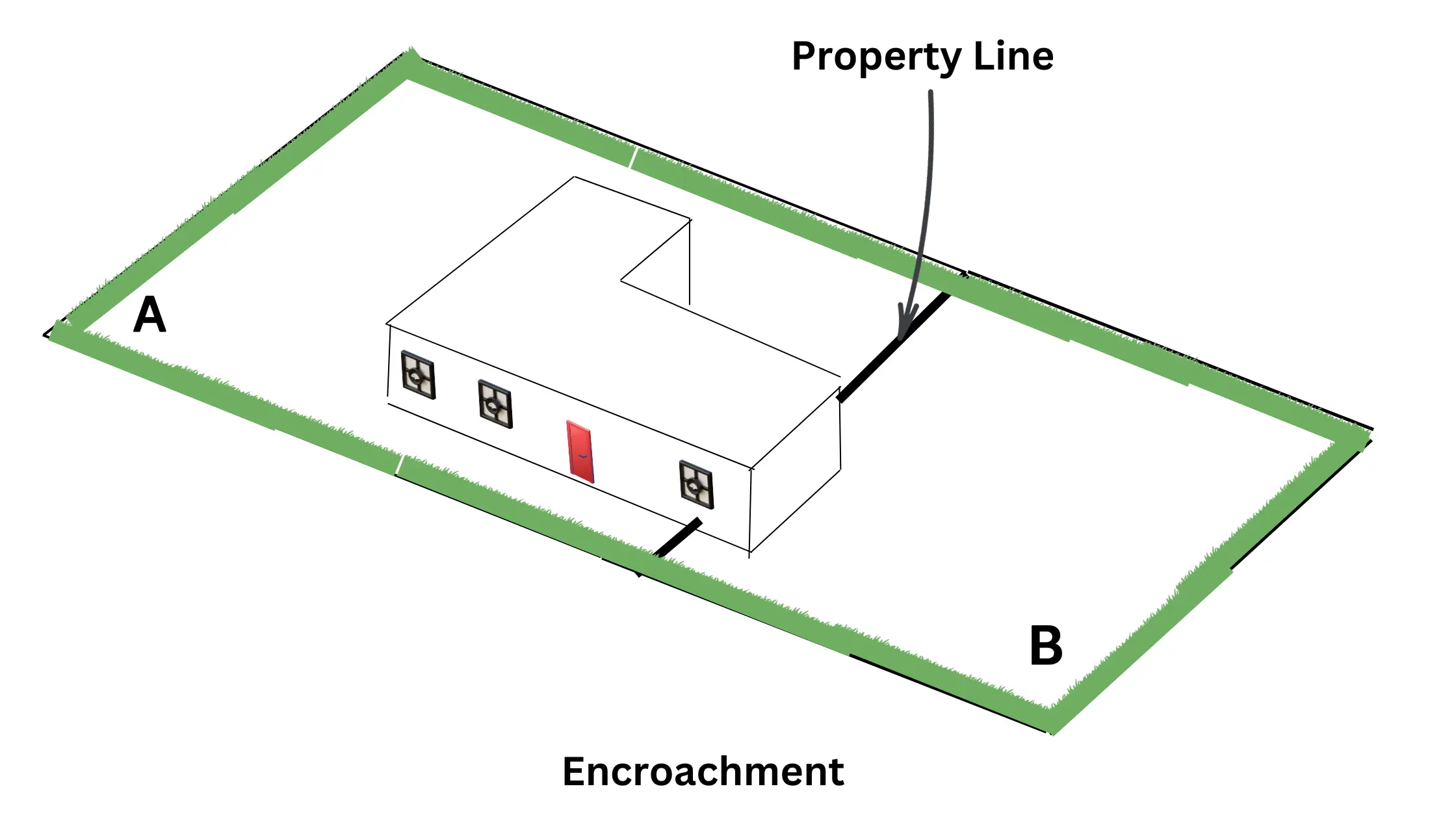
This seemingly simple act can lead to a cascade of financial consequences, impacting property values, saleability, legal costs, and future investment potential. For individuals investing their life savings into a home or businesses acquiring land for development, grasping the concept of an encroachment is not just legal jargon – it’s a fundamental aspect of financial due diligence and risk management. This article delves into the financial intricacies of encroachments, exploring how they materialize, their impact on your wallet, and how smart financial planning and proactive measures can mitigate their adverse effects.
Understanding the Financial Implications of Encroachments
The moment an encroachment is discovered, what might initially seem like a minor boundary dispute rapidly escalates into a complex financial challenge. Property owners and investors must recognize that these situations rarely resolve themselves without incurring significant costs, whether in terms of direct expenses, lost value, or foregone opportunities.
Impact on Property Value and Marketability
An unresolved encroachment can significantly diminish a property’s market value. Potential buyers are naturally wary of properties with legal or boundary disputes, as these issues promise future complications and expenses. A property that is otherwise desirable might sit on the market longer or sell for a reduced price if an encroachment clouds its title. Lenders, too, are hesitant to finance properties with unclear boundaries, viewing them as higher risk. This can limit the pool of potential buyers to cash-only purchasers, further reducing the property’s marketability and, consequently, its financial return on investment. For an investor, this translates directly into a lower return or even a loss, undermining the primary goal of any real estate venture.
Legal and Financial Liabilities
The financial ramifications of an encroachment often manifest in legal expenses. When amicable resolutions fail, affected parties may resort to litigation, leading to costly court battles. Property owners could face lawsuits demanding the removal of the encroaching structure, compensation for damages, or even claims for adverse possession, where the encroaching party might legally acquire the disputed land after a certain period. The cost of legal representation, expert witness fees (such as surveyors and appraisers), and potential court-ordered damages or removal costs can quickly accumulate, turning a property investment into a significant financial drain. Furthermore, these legal disputes can be protracted, tying up capital and creating emotional stress that has its own indirect financial impact.
Hidden Costs and Unexpected Expenses
Beyond the immediate and obvious financial outlays, encroachments often come with a host of hidden and unexpected costs. The first step to addressing an encroachment is often obtaining an updated, detailed property survey, which can be an investment in itself, often costing hundreds or thousands of dollars. If an encroachment is confirmed, negotiations might require attorneys, mediators, or arbitrators, adding further professional fees. Should a physical structure need to be removed or modified, construction costs can be substantial, particularly for major buildings. Even seemingly minor encroachments, like overgrown trees, can necessitate costly tree removal services or landscaping work. Furthermore, title insurance policies, while providing critical protection, often have clauses and limitations that may not fully cover all aspects of an existing encroachment, underscoring the importance of thorough review and due diligence before purchase.
Types of Encroachments and Their Financial Manifestations
Encroachments are not monolithic; they manifest in various forms, each carrying distinct financial implications and challenges for resolution. Understanding these types is crucial for accurately assessing potential financial risks and planning appropriate responses.
Structural Encroachments
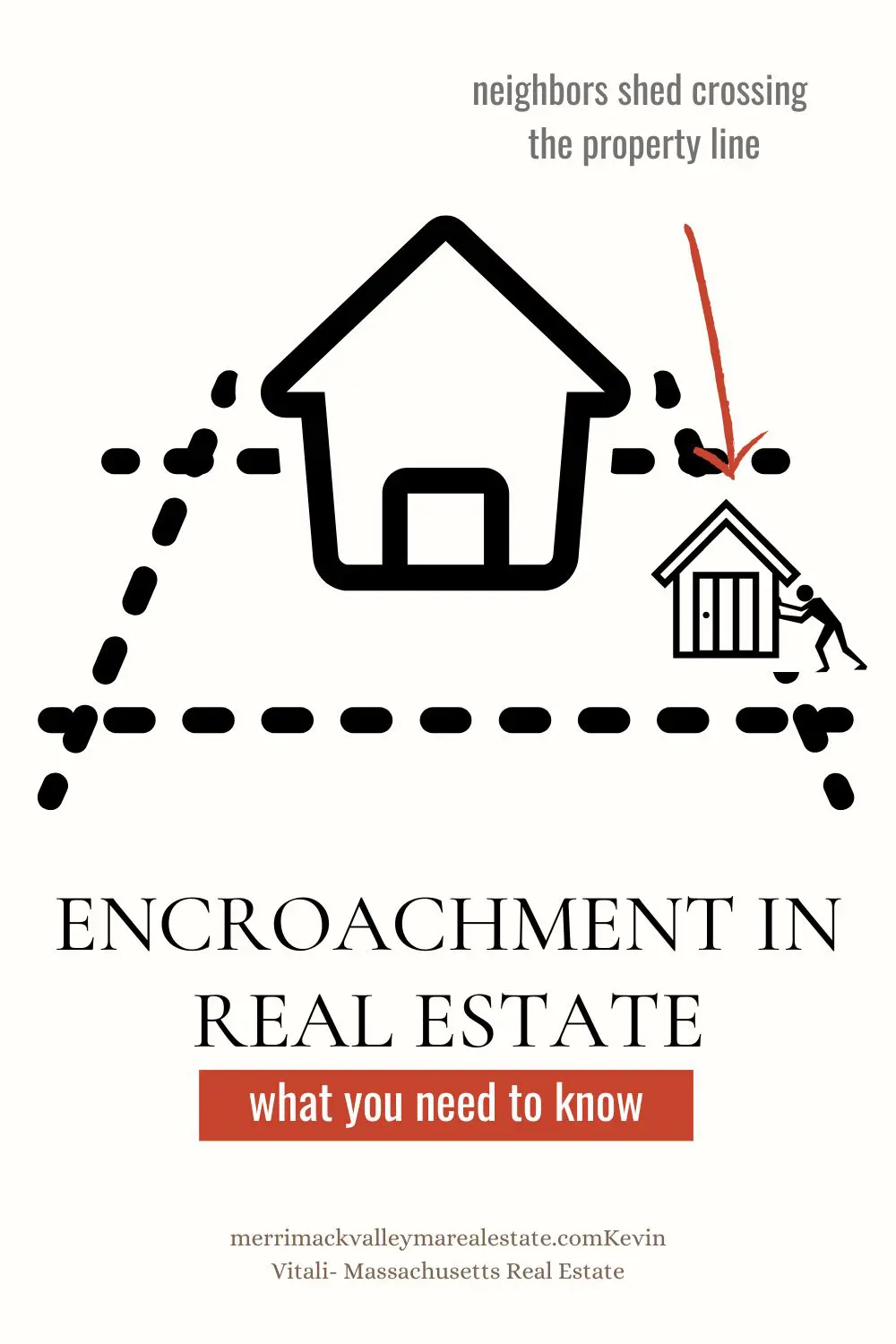
These are perhaps the most common and financially impactful types of encroachments. They involve physical structures extending beyond a property line onto a neighbor’s land. Examples include a garage built partially on an adjacent lot, a fence erected a few feet too far, a shed straddling a boundary, or even a house foundation crossing the line. The financial burden here is typically high because removing or modifying such structures can be exceptionally costly. If a court orders removal, the encroaching owner faces significant demolition and reconstruction expenses. Conversely, the aggrieved neighbor might incur costs for legal battles and potential property damage during the removal process. The value depreciation for both properties during and after such disputes can be substantial.
Non-Structural Encroachments
Non-structural encroachments involve elements that are not permanent buildings but still infringe upon another’s property rights. Common examples include overhanging tree branches, overgrown bushes, or invasive plant roots that cross boundary lines. While less financially devastating than structural encroachments, they can still lead to ongoing disputes and expenses. A neighbor might seek compensation for damage caused by falling branches, blocked sunlight, or damage to septic systems from invasive roots. The cost of professional tree trimming, removal, or landscape maintenance can be considerable over time, especially if disputes become chronic. Though the immediate financial outlay might be lower, the cumulative effect of ongoing conflict and maintenance can erode property value and peace of mind.
Airspace and Subsurface Encroachments
These types of encroachments are often the most complex and expensive to resolve due to their hidden nature and the specialized expertise required. Airspace encroachments involve elements that extend into the vertical space above a neighbor’s land, such as an overhanging balcony, an awning, or even part of a roof. Subsurface encroachments, conversely, involve elements beneath the surface, like a foundation footing that extends underground, buried utility lines, or septic drain fields. Detecting these often requires specialized surveys and investigations, adding to the initial discovery costs. Resolving them can involve complex engineering solutions, legal battles over subsurface rights, and potentially astronomical costs for relocation or modification, especially if critical infrastructure is involved. For property developers, discovering such an encroachment during a project can lead to costly delays and redesigns, significantly impacting project budgets and timelines.
Detecting and Documenting Encroachments: A Financial Due Diligence
For any savvy real estate investor or conscientious homeowner, proactive detection and meticulous documentation of potential encroachments are not merely bureaucratic steps but essential financial safeguards. Ignoring these aspects can lead to substantial financial pitfalls down the line.
The Critical Role of Property Surveys
Investing in a current, comprehensive property survey is arguably the most crucial financial due diligence step when buying or selling real estate. A professional land surveyor meticulously identifies and marks property boundaries, revealing any discrepancies or encroachments. For a buyer, this investment can preemptively uncover existing encroachments that could otherwise lead to costly legal battles and devaluation after purchase. For a seller, a clear survey demonstrates precise property lines, reassuring potential buyers and expediting the sales process, often leading to a better sale price. The relatively modest cost of a survey pales in comparison to the potential financial fallout from an undetected encroachment, making it an indispensable tool for protecting your real estate investment.
Title Insurance and Its Financial Safeguard
Title insurance is another vital financial protection in the realm of real estate, particularly concerning encroachments. While a survey identifies physical encroachments, title insurance protects against financial losses arising from defects in a property’s title, including unknown or unrecorded encroachments that might surface post-purchase. An owner’s title insurance policy, though an upfront cost, provides peace of mind and financial security by covering legal fees and other costs associated with defending your ownership rights against claims, including those stemming from undiscovered encroachments. Understanding the scope and limitations of your title policy is critical; some standard policies may not cover encroachments that would have been revealed by an accurate survey. Therefore, coupling a thorough survey with robust title insurance is the optimal financial strategy.
Due Diligence for Property Owners and Investors
Beyond surveys and title insurance, continuous due diligence is paramount. Property owners should periodically walk their property lines, familiarizing themselves with boundaries and noting any changes in neighboring properties or new constructions that might approach or cross their lines. Investors, especially those involved in commercial or development projects, must engage legal counsel to review zoning laws, setback requirements, and existing easements. Understanding the historical context of a property through public records can also reveal past disputes or agreements related to boundaries. Proactive engagement with professional services – including surveyors, real estate attorneys, and title companies – is a sound financial investment that helps prevent costly future conflicts and ensures the long-term security and value of one’s real estate assets.
Strategies for Resolving Encroachments and Mitigating Financial Risk
Once an encroachment is identified, the focus shifts to resolution. The path chosen can have vastly different financial outcomes, emphasizing the need for strategic thinking and informed decision-making to mitigate financial risk effectively.
Amicable Resolution and Negotiation
The most financially prudent and often least stressful approach to resolving an encroachment is through amicable negotiation with the encroaching party. Open communication, perhaps facilitated by a neutral third-party mediator, can lead to mutually beneficial agreements. Options include formalizing the encroachment with an easement, which grants the encroaching party the legal right to use a specific portion of the land, often in exchange for a fee. Another approach is a boundary line agreement, where both parties formally agree to a new, adjusted property line. In some cases, the aggrieved party might offer to sell the small piece of encroached land to the encroaching neighbor, turning a dispute into a revenue opportunity. These solutions avoid expensive litigation, preserve neighborly relations, and prevent further financial erosion from legal fees and prolonged uncertainty.
Legal Recourse and Litigation
When amicable efforts fail, legal recourse may become necessary. This path, while potentially effective, is invariably more expensive and time-consuming. A property owner might file a “quiet title action” to definitively establish property ownership and boundaries in court. An injunction might be sought to force the removal of the encroaching structure. Depending on the jurisdiction and specific circumstances, damages might also be awarded for loss of use of the land or depreciation in property value. It’s crucial for property owners to understand that litigation comes with significant financial costs – legal fees, court costs, expert witness fees – and there’s no guarantee of a favorable outcome. Therefore, this option should be considered a last resort, weighed carefully against the potential financial and emotional toll.
Proactive Measures to Prevent Future Financial Headaches
The best financial strategy against encroachments is prevention. For homeowners and investors, this means establishing clear boundary markers, whether through fencing (placed correctly on one’s own land) or survey pins. Before any new construction or significant landscaping, always obtain permits and verify compliance with local setback regulations. Crucially, fostering good relationships with neighbors can be an invaluable asset; open communication can prevent minor issues from escalating into major disputes. Regular property inspections, perhaps annually, can help catch potential encroachments early, when they are easier and less costly to resolve. For property developers, meticulous site planning, accurate surveys, and early engagement with legal and surveying professionals are non-negotiable investments that protect against costly delays and disputes.
Conclusion
Encroachments in real estate are far more than simple boundary disputes; they represent significant financial liabilities and risks that can impact property value, investment returns, and peace of mind. From the initial costs of detection through surveys and title insurance to the potentially staggering expenses of legal battles and physical remediation, every facet of an encroachment carries a financial weight. For anyone involved in real estate, whether as a homeowner, investor, or developer, understanding these financial implications is critical.
The prudent approach demands diligent financial planning, thorough due diligence including comprehensive surveys and robust title insurance, and a proactive stance on property management. By prioritizing amicable resolution through negotiation and agreement, and by implementing preventative measures, property owners can safeguard their investments and mitigate the substantial financial risks associated with encroachments. In a landscape where every dollar counts, a clear understanding and strategic management of property boundaries are essential for securing your financial future in real estate.
aViewFromTheCave is a participant in the Amazon Services LLC Associates Program, an affiliate advertising program designed to provide a means for sites to earn advertising fees by advertising and linking to Amazon.com. Amazon, the Amazon logo, AmazonSupply, and the AmazonSupply logo are trademarks of Amazon.com, Inc. or its affiliates. As an Amazon Associate we earn affiliate commissions from qualifying purchases.