
In the dynamic world of outdoor adventure, specialized gear is not just a luxury but a necessity, meticulously designed to meet the unique demands of unforgiving environments. Among these, the approach shoe stands out as a fascinating example of targeted engineering and thoughtful brand strategy. Far more than just a sturdy walking shoe, an approach shoe is a testament to blending disparate functionalities into a cohesive, high-performance product. It represents a brand’s commitment to solving specific problems for a niche yet demanding clientele: climbers, mountaineers, and serious hikers navigating challenging terrains.
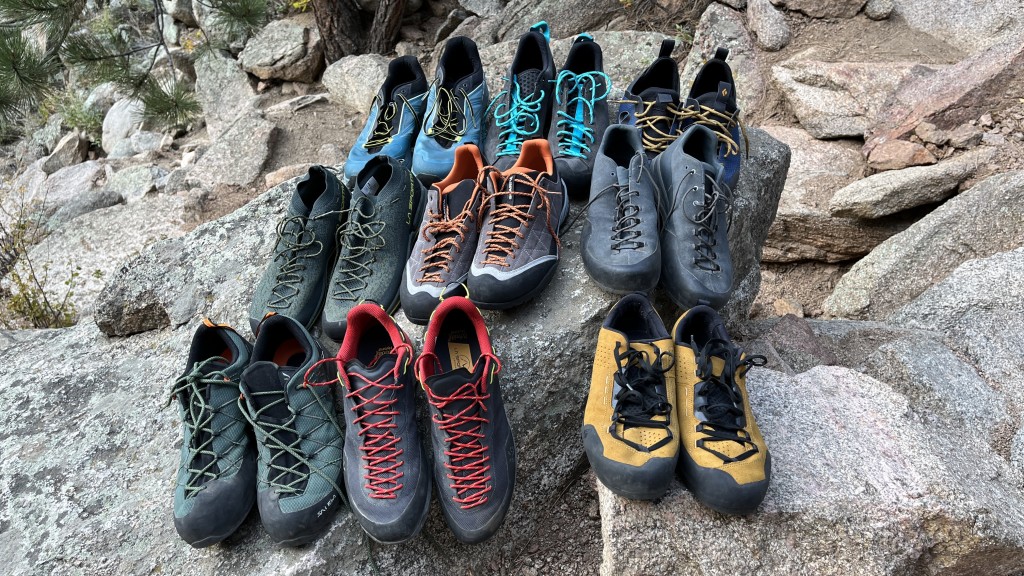
At its core, an approach shoe is a hybrid footwear designed to bridge the gap between hiking boots and technical climbing shoes. Its purpose is implicit in its name: to facilitate the “approach” to a climbing route – a journey that often involves rough trails, scrambling over boulders, and even light technical climbing before the serious ascent begins. This unique mandate dictates a set of design principles and material choices that distinguish it from conventional outdoor footwear, making it a critical component of many outdoor brands’ offerings. Understanding an approach shoe means appreciating the intricate balance of conflicting requirements that brands must address in its design, manufacture, and marketing.
The Core Design Philosophy of Approach Shoes: A Brand’s Challenge
The creation of an approach shoe is a masterclass in product design, where brands meticulously balance often-contradictory requirements. Unlike general hiking boots focused on comfort and support over long distances, or climbing shoes dedicated solely to friction and precision on rock, approach shoes must perform adequately across a spectrum of activities. This hybrid nature presents a significant design challenge that defines the innovative spirit of leading outdoor brands.
Bridging the Gap: Hybrid Footwear Design
The fundamental design brief for an approach shoe is to create a piece of footwear capable of walking comfortably for miles on varied terrain, while also offering sufficient grip and sensitivity for scrambling, smearing, and light climbing. This necessitates a careful integration of features typically found in distinct categories of footwear. Brands invest heavily in research and development to identify materials and construction techniques that allow a single shoe to excel in multiple roles. This includes developing proprietary rubber compounds for outsoles that offer both durability for hiking and unparalleled stickiness for climbing, alongside midsole technologies that provide cushioning without sacrificing the necessary “feel” for the rock. The commitment to this hybrid excellence is a strong marker of a brand’s engineering prowess and its understanding of the end-user’s diverse needs.
Key Design Elements: Traction, Durability, and Precision
Every element of an approach shoe’s design is a deliberate choice made by the brand to optimize for its specific function.
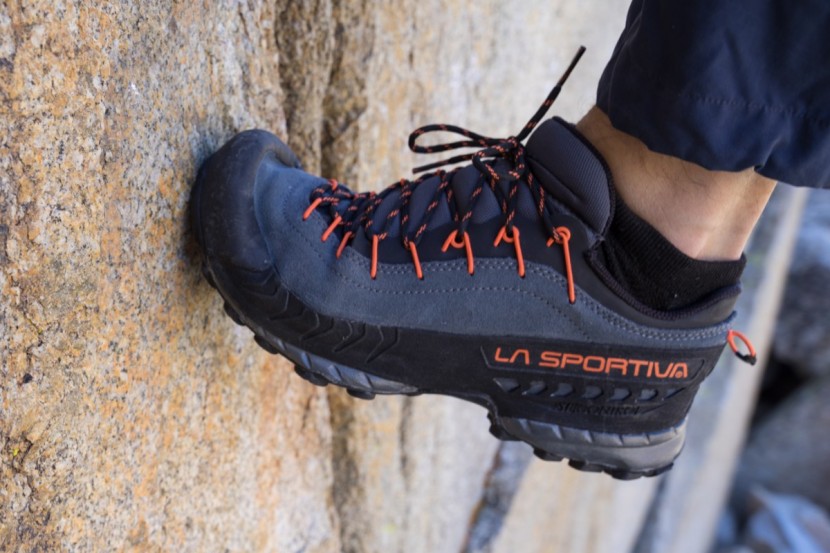
- Outsole: This is arguably the most critical component. Brands employ highly specialized rubber compounds, often with names like Vibram Megagrip or Stealth rubber, known for their exceptional friction on rock. The tread pattern is typically a hybrid: a flatter, often smooth “climbing zone” at the toe for edging and smearing on rock, combined with more aggressive lugs under the arch and heel for traction on dirt and loose scree. The strategic placement of these zones showcases a brand’s detailed understanding of movement dynamics in varied outdoor scenarios.
- Midsole: Unlike the heavily cushioned midsoles of running shoes, approach shoe midsoles offer a balance of protection and firmness. They provide enough shock absorption for hiking comfort but remain stiff enough to support the foot during edging and standing on small footholds. Brands experiment with varying densities of EVA or PU foams to achieve this delicate equilibrium, sometimes incorporating a rock plate for underfoot protection.
- Upper: Durability and protection are paramount. Uppers are typically constructed from robust materials like suede leather, synthetic fabrics, or a combination, often reinforced with rubber rands around the toe and sides. This rand protects the foot and the shoe itself from abrasion against rocks, enhancing the shoe’s longevity—a key selling point for a premium outdoor product.
- Lacing System: Extending far down towards the toe, similar to climbing shoes, the lacing system allows for a highly customizable and precise fit. This “to-the-toe” lacing ensures the foot is securely held, crucial for delicate footwork on technical terrain. Brands often highlight proprietary lacing hardware and systems as part of their unique selling proposition.
Brand Innovation and Differentiation in Approach Shoe Design
The approach shoe market, while niche, is highly competitive, driven by discerning consumers who demand superior performance. This environment compels brands to continually innovate, differentiating their products through advanced materials, ergonomic design, and unique aesthetic expressions. Innovation isn’t just about new features; it’s about refining the user experience and building brand loyalty.
Material Science and Engineering for Performance
The leading outdoor brands are often at the forefront of material science, leveraging cutting-edge textiles and compounds to enhance performance. For approach shoes, this translates into lighter yet stronger fabrics for uppers, more sustainable rubber formulations that maintain grip, and advanced cushioning systems that don’t compromise stability. For example, some brands might incorporate Gore-Tex or similar waterproof-breathable membranes to extend the shoe’s utility in varied weather, while others focus on highly breathable mesh panels for warmer conditions. The choice of materials, and how a brand communicates their benefits, becomes a crucial part of its product story and market positioning. Brands often collaborate with material specialists (like Vibram for soles or Gore-Tex for waterproofing) to leverage their expertise, signaling quality and trust to the consumer. This co-branding strategy reinforces the technical credibility of the approach shoe.
Ergonomics and Fit: Crafting the User Experience

Beyond raw materials, the ergonomic design of an approach shoe is critical for user comfort and performance. A well-designed approach shoe feels like an extension of the foot, allowing for intuitive movement and precise placement. Brands invest heavily in last design (the mold around which the shoe is built) to create specific fits tailored to different foot shapes and intended uses. Some brands might offer a narrower, more precise fit for technical climbing-oriented shoes, while others prioritize a slightly wider, more comfortable fit for extended hiking. The articulation of the ankle collar, the tongue design, and the internal padding are all refined to prevent hotspots, ensure security, and provide sustained comfort. The fit is a highly personal aspect of footwear, and brands that excel in offering a range of well-fitting options often cultivate strong customer loyalty. They understand that a poorly fitting shoe, regardless of its technical features, will ultimately fail the user.
Marketing the Niche: Communicating the Value Proposition
Marketing an approach shoe requires a nuanced approach, targeting a specific demographic that values performance, durability, and specialized functionality. Brands must effectively communicate the unique value proposition of these shoes, distinguishing them from both standard hiking footwear and dedicated climbing shoes.
Targeting the Climbing and Outdoor Community
The primary audience for approach shoes consists of climbers, mountaineers, and avid backpackers who frequently encounter technical terrain. These consumers are knowledgeable, often highly skilled, and demand gear that meets stringent performance criteria. Brands reach this audience through targeted channels: climbing magazines, outdoor gear review sites, social media campaigns featuring professional athletes, and partnerships with climbing gyms and guide services. The messaging focuses on the shoe’s ability to enhance performance, ensure safety, and contribute to a more enjoyable and successful outdoor experience. Testimonials from respected athletes and detailed technical specifications play a crucial role in building credibility within this discerning community.
Brand Storytelling: Performance and Adventure
Effective marketing for approach shoes extends beyond simply listing features; it involves crafting a compelling brand narrative. Brands tell stories of adventure, resilience, and pushing boundaries, positioning their approach shoes as essential tools for these experiences. Imagery and video content typically depict the shoes in their natural habitat: on rugged mountain trails, at the base of towering cliffs, or during challenging multi-day excursions. This storytelling creates an emotional connection with the target audience, associating the brand with the values of exploration, mastery, and freedom that define the outdoor lifestyle. A brand might highlight its heritage in mountaineering, its commitment to environmental sustainability, or its innovative spirit to resonate deeper with its consumers.
The Evolution of Approach Shoe Brands and Future Trends
The approach shoe category is not static; it continually evolves as brands innovate and consumer preferences shift. Looking back reveals a rich history of product development, while peering forward hints at exciting new directions.
Pioneers and Innovators in the Field
Early approach shoes were often adaptations of rock climbing shoes or lightweight hiking boots. However, specialized brands quickly emerged, recognizing the distinct needs of this hybrid niche. Companies like La Sportiva, Five Ten (now part of Adidas Outdoor), Scarpa, and Arc’teryx became synonymous with high-quality approach footwear, each bringing their unique design philosophy and material expertise to the market. These brands built their reputations on consistent performance, innovative designs, and a deep understanding of the climbing community. Their early adoption of sticky rubber outsoles, precise lacing systems, and durable uppers set the standard for the entire category. Their ongoing commitment to improvement and responsiveness to user feedback has kept them at the forefront.
Future Trends in Approach Shoe Design and Branding
The future of approach shoes will likely see continued advancements in several key areas.
- Sustainability: As environmental consciousness grows, brands will increasingly focus on sustainable materials and manufacturing processes. This includes recycled components, eco-friendly glues, and ethical supply chains, which will become a significant brand differentiator.
- Smart Integration: While not a “smart shoe” in the tech gadget sense, subtle integrations of smart technology, such as improved breathability through advanced membrane technology or even embedded sensors for gait analysis or environmental monitoring, could emerge.
- Versatility and Customization: Brands may explore even greater versatility, with shoes designed for specific sub-niches (e.g., fast and light approaches vs. heavy-duty mountain approaches) or offering more customizable fit options.
- Digital Engagement: Enhanced digital experiences, from virtual try-on tools to augmented reality features showcasing design benefits, will likely become more prevalent in how brands engage with potential buyers.
In conclusion, “what is an approach shoe” is a question that leads directly into the heart of brand strategy and product design. It’s about how companies identify a specific market need, engineer a sophisticated solution, and communicate its value to a dedicated consumer base. The approach shoe is not merely a piece of gear; it is a meticulously crafted product that embodies a brand’s commitment to innovation, performance, and understanding the nuanced demands of the adventurous outdoor lifestyle.
aViewFromTheCave is a participant in the Amazon Services LLC Associates Program, an affiliate advertising program designed to provide a means for sites to earn advertising fees by advertising and linking to Amazon.com. Amazon, the Amazon logo, AmazonSupply, and the AmazonSupply logo are trademarks of Amazon.com, Inc. or its affiliates. As an Amazon Associate we earn affiliate commissions from qualifying purchases.