
In the intricate world of finance and legal recourse, understanding the mechanisms by which debts are enforced and collected is paramount for individuals and businesses alike. Among these mechanisms, the “Abstract of Judgment” stands out as a critical tool, particularly in the realm of securing financial claims against a debtor’s assets. Far from being an obscure legal technicality, an abstract of judgment is a powerful financial instrument that can profoundly impact creditworthiness, property rights, and overall financial stability. It is a legal document that summarizes a court’s monetary judgment and, when properly recorded, serves as a public notice that the judgment creditor has a claim against the judgment debtor’s real property. This process transforms a simple court order to pay money into a secured interest, potentially creating significant financial hurdles for the debtor until the obligation is satisfied. For anyone navigating the complexities of debt, collections, property ownership, or even financial planning, grasping the nuances of an abstract of judgment is not just beneficial—it’s essential.
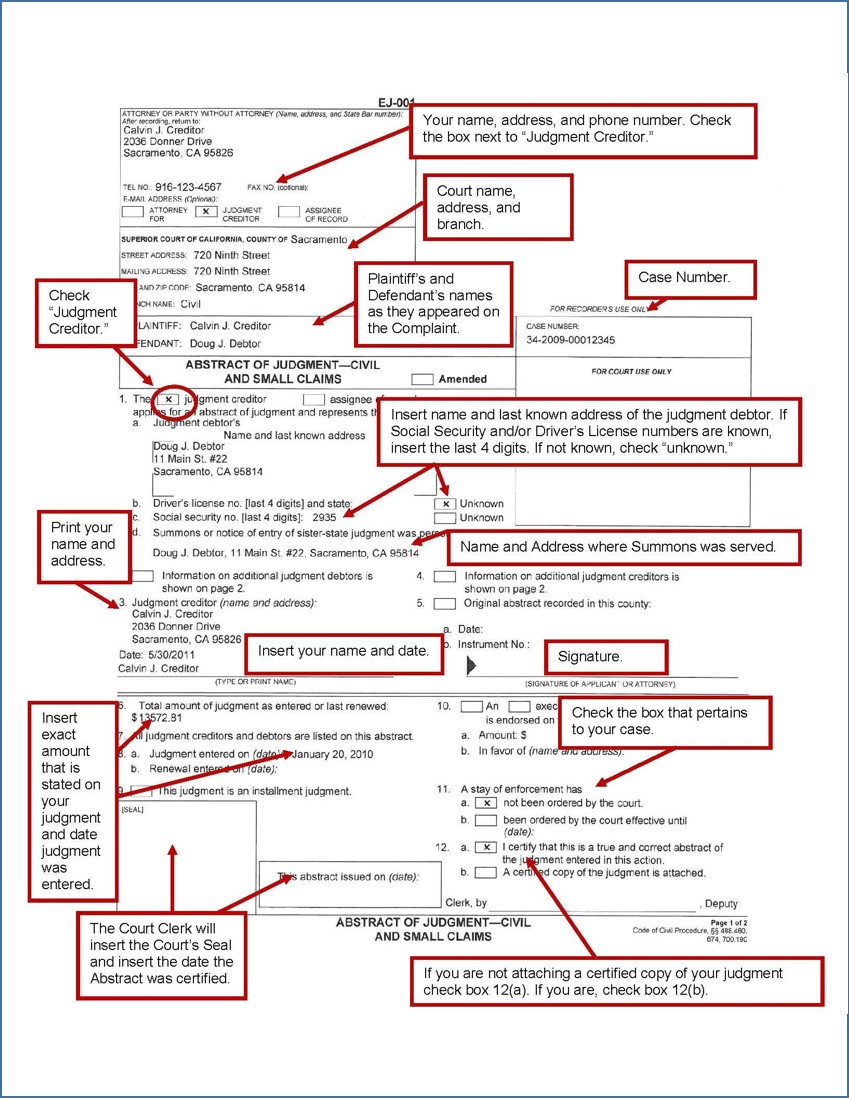
Understanding the Core Concept
At its heart, an abstract of judgment is a condensed, official summary of a monetary judgment issued by a court. It is designed to be easily recordable in public records, most commonly with the county recorder’s office where the debtor owns or might own real property. Its primary function is to transform an unsecured court judgment into a secured interest in the debtor’s real estate, essentially placing a lien on their property.
The Legal Basis of Judgments
Before an abstract of judgment can even exist, a court must first issue a “judgment.” A judgment is the final decision or order of a court, often arising from a lawsuit. In the context of an abstract, we are typically referring to a “money judgment”—an order for one party (the judgment debtor) to pay a specific sum of money to another party (the judgment creditor). This judgment is the culmination of a legal dispute, whether it’s an unpaid loan, damages from a breach of contract, medical debt, or even child support arrears. While the judgment itself legally obligates the debtor to pay, it doesn’t automatically guarantee payment or give the creditor a direct claim over specific assets. It’s simply a recognition of the debt by the judicial system. The judgment creditor then needs further steps to enforce this judgment, and that’s where the abstract comes into play. Without a valid, enforceable judgment, an abstract of judgment cannot be issued. The judgment itself serves as the bedrock upon which the entire enforcement process is built, providing the legal authority for the subsequent creation of a lien.
What an Abstract Aims to Achieve
The primary objective of an abstract of judgment is to provide a public record of a money judgment and, crucially, to create a judgment lien on the judgment debtor’s real property. A lien is a legal claim or right against an asset, which is typically used as collateral to satisfy a debt. By recording an abstract of judgment, the creditor effectively “attaches” their claim to any real estate currently owned by the debtor within that county, and often to any real estate they acquire in the future within the lien’s effective period. This means that if the debtor tries to sell or refinance their property, the title company performing a title search will discover the recorded lien. The lien must then typically be satisfied (paid off) before the property transaction can be completed, ensuring the creditor gets paid from the proceeds of the sale or refinancing. This mechanism provides a significant incentive for the debtor to resolve the debt, as it directly impedes their ability to freely transact with their most valuable assets. Furthermore, it gives the judgment creditor a priority claim over subsequent creditors who might also try to place liens on the same property, enhancing their chances of recovery.
Key Parties Involved
Understanding the roles of the different parties is crucial for comprehending the financial dynamics of an abstract of judgment:
- Judgment Creditor: This is the party who won the lawsuit and is owed money by the judgment debtor. They are the one who obtains the judgment and then seeks to enforce it by filing an abstract of judgment. From a financial perspective, their goal is debt recovery and securing their claim.
- Judgment Debtor: This is the party who lost the lawsuit and is ordered by the court to pay money to the judgment creditor. They are the one whose property will be subjected to the lien created by the abstract. Financially, they face potential restrictions on their assets and damage to their credit.
- The Court: The judicial body that issues the original money judgment.
- County Recorder/Clerk: The governmental office (often at the county level) responsible for recording real estate documents, including abstracts of judgment. Their role is administrative, ensuring the abstract is properly filed and made part of the public record, thereby creating the lien.
- Title Companies: These companies play a vital role in real estate transactions. When property is bought or sold, a title company performs a title search to ensure clear title. They will discover any recorded abstracts of judgment and ensure they are cleared before allowing the transaction to proceed. This makes them indirect enforcers of the lien, protecting buyers and lenders.
The Financial Impact and Implications
The recording of an abstract of judgment carries profound financial consequences for both the judgment creditor and, more significantly, the judgment debtor. It transforms an uncollected debt into a tangible financial encumbrance, affecting credit, property, and future financial dealings.
Creating a Lien: Securing Debt
As mentioned, the core financial impact of an abstract of judgment is the creation of a judgment lien on the debtor’s real property. This lien means that the property serves as collateral for the outstanding debt. For the judgment creditor, this is a significant advantage, as it elevates their status from an unsecured creditor (someone with a general claim but no specific collateral) to a secured creditor. Secured creditors generally have a higher priority in receiving payment, especially in situations where the debtor has multiple outstanding debts or faces bankruptcy. The lien effectively prevents the debtor from selling, refinancing, or otherwise transferring clear title to their property without first satisfying the judgment. This mechanism provides a powerful incentive for the debtor to pay, as their most valuable asset is essentially frozen until the debt is resolved. The lien typically applies to any real property owned by the debtor in the county where the abstract is recorded, and often automatically attaches to any property they acquire within that county during the lien’s validity period.
Impact on Credit and Financial Standing
For the judgment debtor, an abstract of judgment can be devastating for their credit and overall financial standing. The original judgment itself will appear on their credit report, significantly lowering their credit score and signaling high risk to potential lenders. When an abstract of judgment is recorded, it reinforces this negative entry and can make it even more difficult to obtain new credit, loans, or mortgages. Lenders performing due diligence will see the recorded lien, indicating a substantial financial obligation and a history of non-payment. This can lead to loan denials, higher interest rates, or more stringent lending terms. Furthermore, the presence of a lien on one’s property can hinder other financial transactions, such as taking out home equity loans or lines of credit, as the property’s equity is already encumbered. Resolving the abstract and getting the lien released is a crucial step towards rebuilding financial health and restoring creditworthiness.
Effects on Property Transactions (Buying/Selling)
The most direct and immediate financial consequence of an abstract of judgment for a debtor involves property transactions. If a debtor attempts to sell real estate that has an abstract of judgment recorded against it, the title company conducting the sale will discover the lien during its title search. To provide clear title to the new buyer, the title company will require that the judgment be satisfied (paid in full, or a settlement reached and documented) before the sale can close. The funds to pay off the judgment will typically be deducted from the proceeds of the sale. This effectively forces the debtor to use their property assets to satisfy the debt. Similarly, if the debtor tries to refinance their property, the existing lien will need to be addressed. Lenders will not typically refinance a property with an outstanding judgment lien unless the lien is subordinated (where the judgment creditor agrees to take a secondary position to the new mortgage) or paid off. This means the abstract can severely restrict a debtor’s financial flexibility regarding their largest assets.
Duration and Renewal of Abstracts
Judgment liens created by abstracts of judgment are not indefinite. They have a specific statutory duration, which varies by state, but commonly ranges from 5 to 10 years. However, this doesn’t mean the debt simply disappears after this period. Judgment creditors often have the right to renew the judgment before its expiration, thereby extending the life of the lien for another statutory period. This renewal process typically involves filing an application with the court and then recording a new abstract of judgment or an extension of the existing one. For the judgment debtor, this means that an unresolved abstract of judgment can remain a financial burden for many years, continuously encumbering their property unless they proactively address it. Missing a renewal deadline can be a costly mistake for a creditor, potentially allowing the lien to lapse and requiring them to restart the enforcement process, if even possible.
The Process of Obtaining and Utilizing an Abstract
For a judgment creditor, obtaining and properly utilizing an abstract of judgment is a critical step in turning a court victory into actual financial recovery. The process involves specific legal and administrative steps that, if not followed correctly, can undermine the effectiveness of the lien.
Steps for the Judgment Creditor
Once a judgment creditor has received a money judgment from the court, the general steps to obtain and utilize an abstract of judgment are as follows:
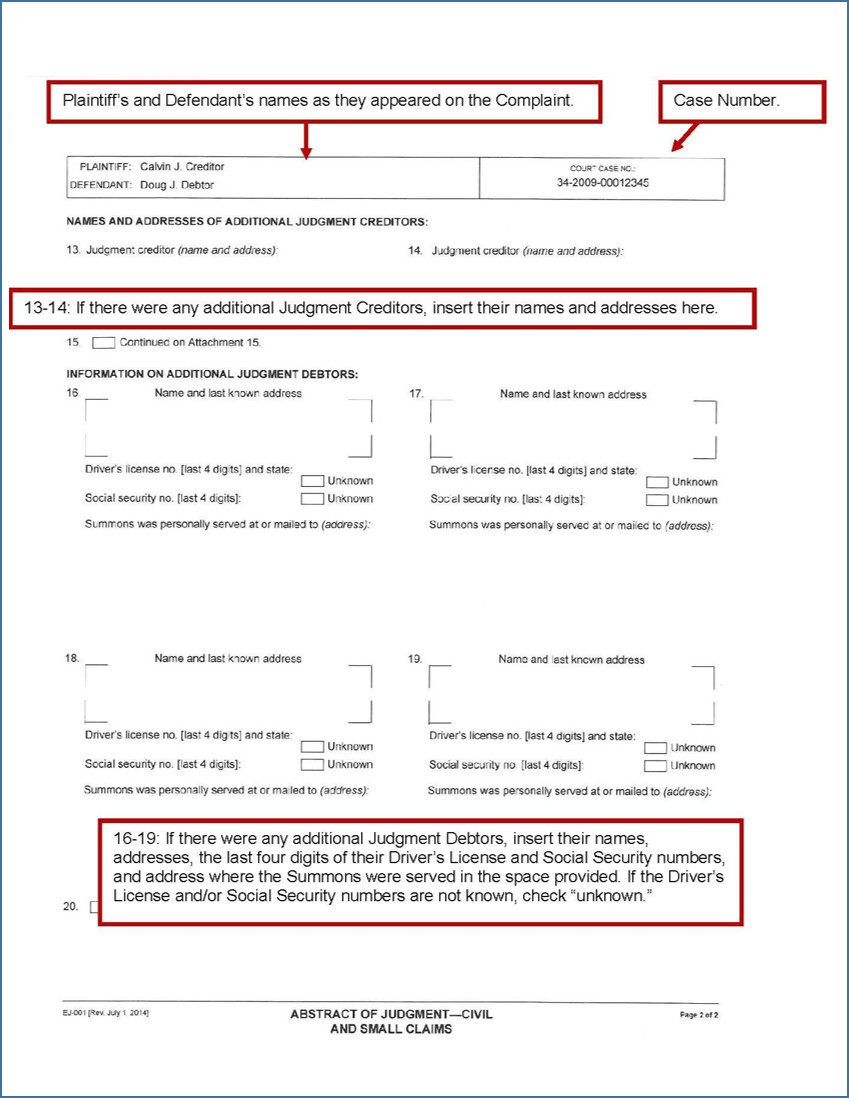
- Request the Abstract: The creditor must formally request the court clerk to prepare an “Abstract of Judgment.” This document summarizes the essential details of the judgment, including the names of the debtor and creditor, the judgment amount, the date the judgment was entered, and the court case number.
- Verify Debtor’s Property Holdings: While not strictly part of obtaining the abstract, the creditor often conducts research (e.g., through public records, skip tracing, or formal discovery) to identify real property owned by the debtor in specific counties. This ensures the abstract is filed in the most effective locations.
- File with the County Recorder: The prepared abstract of judgment must then be physically filed or recorded with the county recorder’s office (or equivalent) in every county where the judgment debtor currently owns real property, or where they might acquire property in the future. It’s the act of recording that creates the lien, not just the issuance by the court.
- Serve Notice (if required): In some jurisdictions, the judgment creditor may also be required to serve a copy of the recorded abstract of judgment on the judgment debtor. This step ensures the debtor is aware of the lien against their property.
Filing and Recording Procedures
The filing and recording procedure is primarily an administrative task handled by the county recorder’s office. When an abstract is presented for recording, the office checks for proper formatting, completeness, and adherence to local recording standards. Once accepted, the abstract is stamped with the date and time of recording and entered into the county’s public records database. This timestamp is crucial, as it often determines the priority of the lien relative to other liens on the same property. Older recorded liens typically have priority over newer ones. The recorded abstract then becomes part of the property’s chain of title, discoverable by anyone performing a title search. This public notice is what makes the lien effective against third parties, such as potential buyers or lenders.
Costs Associated with Abstracts
Obtaining and recording an abstract of judgment involves various costs that the judgment creditor typically incurs. These can include:
- Court Fees: A fee for the court clerk to prepare and issue the abstract of judgment.
- Recording Fees: Fees charged by the county recorder’s office for filing the abstract. These fees vary by county and state but are generally modest.
- Research Costs: Expenses associated with researching the debtor’s assets to identify property ownership.
- Legal Fees: If an attorney is involved in the process, their fees will also be a cost.
While these costs can add up, they are often considered a necessary investment by the judgment creditor to secure their debt. In many cases, these costs can later be added to the judgment amount, making the debtor ultimately responsible for them once the judgment is satisfied. Creditors must factor these expenses into their financial recovery strategy, weighing the cost against the potential for successful collection.

Enforcement and Collection Strategies
The abstract of judgment itself is a passive enforcement tool—it creates a lien, but doesn’t actively seize assets. However, it’s a powerful leverage point for various collection strategies:
- Property Sale/Refinance: As discussed, the lien forces satisfaction upon sale or refinance, making it a “waiting game” for the creditor.
- Foreclosure (less common for money judgments): In some jurisdictions, if a judgment debtor fails to pay the judgment, the judgment creditor may be able to initiate foreclosure proceedings on the property to satisfy the lien. This is a complex and often costly process and is typically considered a last resort, especially if the property has significant existing mortgages.
- Negotiation: The existence of a lien provides strong leverage for the creditor to negotiate a settlement with the debtor. The debtor may be motivated to settle to clear the lien and restore their financial flexibility.
- Supplemental Proceedings: While not directly tied to the abstract, the abstract enhances the creditor’s overall position in any other collection efforts, such as garnishment of wages or bank accounts, by showing a secured interest.
Navigating an Abstract as a Judgment Debtor
For individuals or businesses who find themselves as a judgment debtor with an abstract recorded against their property, the situation can be daunting. However, understanding the available options and proactively addressing the issue is crucial for mitigating financial damage.
Identifying an Abstract Against You
Often, a judgment debtor may not immediately realize an abstract of judgment has been filed. While some states require notice to the debtor, others do not. Ways to identify an abstract include:
- Credit Report Review: A judgment (and sometimes the lien itself) will typically appear on your credit report. Regular monitoring of your credit is a key financial practice.
- Title Search: If you attempt to sell or refinance property, a title company will discover the lien during their search. This is often when debtors first learn of an abstract.
- Public Records Search: You can proactively search the records of the county recorder’s office in counties where you own property.
- Direct Communication: The judgment creditor or their attorney may directly inform you, especially if they are pursuing other collection efforts.
Early identification is key to formulating a financial strategy to address the lien. Ignoring it will only lead to greater financial complications down the line.
Strategies for Resolution (Payment, Settlement, Vacating)
Once an abstract of judgment is identified, there are several financial strategies a debtor can pursue to resolve it:
- Full Payment: The most straightforward resolution is to pay the judgment amount in full, including any accrued interest and collection costs. Upon full payment, the judgment creditor is legally obligated to file a “Satisfaction of Judgment” (or similar document) with the court and a “Release of Lien” with the county recorder. These documents clear your name and lift the lien from your property.
- Settlement: If paying the full amount is not feasible, the debtor can attempt to negotiate a settlement with the judgment creditor. This might involve offering a lump sum for less than the full amount, especially if the creditor believes full recovery is unlikely or costly to pursue. A settlement agreement should be in writing and clearly state that upon payment of the agreed-upon sum, the creditor will file a Satisfaction of Judgment and Release of Lien. This is a common financial strategy to reduce the overall debt burden while resolving the issue.
- Vacating the Judgment: In certain circumstances, a debtor might be able to have the original judgment vacated or set aside by the court. This typically occurs if there was a procedural error (e.g., improper service of the lawsuit), fraud, or if the debtor had a valid defense but failed to appear through no fault of their own. If the underlying judgment is vacated, the abstract of judgment (which derives its authority from the judgment) also becomes invalid and can be removed. This is a complex legal process and usually requires strong evidence.
- Bankruptcy: Filing for bankruptcy (e.g., Chapter 7 or Chapter 13) can impact judgment liens. While a judgment for monetary damages might be dischargeable in bankruptcy, the lien itself on real property may not automatically be removed. Depending on the type of bankruptcy and whether the lien impairs an exemption (like a homestead exemption), it may be possible to “strip” or avoid the lien during the bankruptcy process. This is a highly specialized area of law and finance.
Importance of Legal Counsel
Given the complexities of judgment liens and their significant financial implications, seeking legal counsel is almost always advisable for a judgment debtor. An experienced attorney can:
- Verify the Judgment’s Validity: Ensure the original judgment and subsequent abstract are legally sound.
- Explain Your Rights and Obligations: Clarify what the abstract means for your specific financial situation.
- Negotiate on Your Behalf: Leverage their expertise to negotiate a favorable settlement with the creditor.
- Pursue Vacating the Judgment: Determine if grounds exist to challenge the original judgment.
- Advise on Bankruptcy Options: Guide you through how bankruptcy might affect the lien.
- Ensure Proper Release: Oversee the filing of the Satisfaction of Judgment and Release of Lien to ensure the process is correctly completed after resolution.
Attempting to navigate an abstract of judgment without professional guidance can lead to costly mistakes and prolonged financial distress.
Impact on Future Financial Decisions
The presence of an abstract of judgment has long-lasting repercussions on a debtor’s financial decision-making process. Beyond the immediate impact on property transactions and credit, it forces a re-evaluation of future financial planning. Debtors with an abstract may find themselves unable to achieve significant financial milestones, such as purchasing a new home, accessing capital for a business venture, or even securing certain types of employment where financial solvency is a requirement. This makes resolving the abstract a top priority for any long-term financial health strategy. It also underscores the importance of proactive financial management and legal compliance to avoid judgments in the first place, reinforcing the lesson that managing debt and fulfilling financial obligations is not just about avoiding immediate consequences, but about preserving future financial freedom.
Beyond the Basics: Advanced Considerations
While the foundational understanding of an abstract of judgment is crucial, its financial implications can extend into more complex scenarios, requiring a deeper dive into its interaction with other legal and financial instruments.
Interplay with Bankruptcy
The relationship between an abstract of judgment and bankruptcy is nuanced and often misunderstood. While filing for bankruptcy (e.g., Chapter 7 or Chapter 13) can discharge personal liability for the underlying debt that led to the judgment, it does not automatically eliminate a properly recorded judgment lien on real property. This is a critical distinction: the debtor may no longer be personally obligated to pay the debt, but the lien against their property may remain.
For instance, if a judgment lien was placed on a debtor’s home before they filed for Chapter 7 bankruptcy, and the lien impairs a valid homestead exemption (meaning it prevents the debtor from fully utilizing the equity they are legally allowed to protect), the debtor may be able to file a motion with the bankruptcy court to “avoid” or “strip” the lien. If the lien is successfully avoided, it is then removed from the property. However, if the lien does not impair an exemption, or if the property has significant non-exempt equity, the lien may survive the bankruptcy and remain attached to the property. This means that if the debtor ever sells or refinances the property post-bankruptcy, they might still need to satisfy the lien. The specific rules vary significantly by state and bankruptcy chapter, making expert legal and financial advice indispensable in such situations.
Multi-State Judgments and Abstracts
In our increasingly mobile society, it’s common for individuals to move between states or own property in multiple jurisdictions. This introduces complexities when dealing with judgments and abstracts. A judgment issued in one state (the “rendering state”) is generally not automatically enforceable as a lien on property in another state (the “enforcing state”). To enforce a judgment in a different state, the judgment creditor must typically “domesticate” the judgment in the enforcing state. This usually involves filing a certified copy of the original judgment with a court in the enforcing state, often under the Uniform Enforcement of Foreign Judgments Act (UEFJA) or similar state-specific procedures. Once domesticated, the judgment becomes a valid judgment of the enforcing state’s court, and the creditor can then proceed to obtain and record an abstract of judgment in that state, creating a lien on any real property the debtor owns there. This adds layers of legal and financial effort for the creditor but provides a powerful mechanism for interstate debt collection. For debtors, it means that moving or owning property across state lines does not necessarily shield them from the reach of a judgment lien.
Avoiding Judgments: Proactive Financial Management
The most effective way to deal with an abstract of judgment is to avoid the underlying judgment altogether. Proactive financial management is the cornerstone of preventing such severe legal and financial encumbrances. Key strategies include:
- Timely Debt Management: Prioritizing and making timely payments on all debts, whether credit cards, loans, or contractual obligations.
- Open Communication with Creditors: If you anticipate financial difficulties, communicate with creditors early to explore options like payment plans, forbearance, or modifications, rather than defaulting.
- Legal Review of Contracts: Before entering into significant financial agreements or contracts, especially for business, have them reviewed by an attorney to understand your obligations and potential liabilities.
- Adequate Insurance: Maintaining appropriate insurance (e.g., liability insurance) can protect you from lawsuits resulting from accidents or negligence that could lead to judgments.
- Respond to Lawsuits: Never ignore a lawsuit. Even if you believe the claim is baseless, failing to respond will almost certainly result in a default judgment against you, which is the easiest path for a creditor to obtain a money judgment.
By adhering to sound financial practices and promptly addressing disputes, individuals and businesses can significantly reduce their risk of incurring judgments and the subsequent filing of abstracts.
When to Seek Professional Guidance
While this article provides a comprehensive overview, the specific nuances of an abstract of judgment can vary significantly based on state laws, the nature of the judgment, and the debtor’s financial situation. Therefore, knowing when to seek professional guidance is paramount for effective financial navigation.
- For Judgment Creditors: If you have obtained a money judgment and are unsure about the steps to record an abstract, identify debtor assets, or enforce your judgment effectively, a collections attorney or legal professional specializing in debt recovery is essential. They can ensure your actions are legally sound and maximize your chances of recovery.
- For Judgment Debtors: If you discover an abstract of judgment recorded against you, or if you are facing a lawsuit that could lead to one, consulting with an attorney immediately is critical. A lawyer specializing in debtor defense, real estate law, or bankruptcy can help you understand your rights, explore options for settlement or challenge, and guide you through the process of clearing the lien.
In both capacities, understanding an abstract of judgment is not merely about legal definitions but about protecting and managing your financial future. It underscores the profound interconnectedness of legal processes with personal and business finance, serving as a powerful reminder that neglecting one can have severe implications for the other.
aViewFromTheCave is a participant in the Amazon Services LLC Associates Program, an affiliate advertising program designed to provide a means for sites to earn advertising fees by advertising and linking to Amazon.com. Amazon, the Amazon logo, AmazonSupply, and the AmazonSupply logo are trademarks of Amazon.com, Inc. or its affiliates. As an Amazon Associate we earn affiliate commissions from qualifying purchases.