
In the dynamic landscape of modern work, where businesses operate around the clock and demand for services is continuous, the traditional 9-to-5 workday has become a relic for many sectors. Enter the rotating schedule—a sophisticated system designed to ensure consistent coverage while distributing less desirable shifts equitably among employees. At its core, a rotating schedule is a work pattern where employees periodically change their shifts, moving through different work times (e.g., day, evening, night) or days off. This method is prevalent in industries such as healthcare, manufacturing, public safety, retail, and transportation, where 24/7 operations are standard.
However, defining “what is a rotating schedule” in today’s context is incomplete without acknowledging the profound impact of technology. What was once a logistical nightmare managed with clipboards, spreadsheets, and endless manual adjustments has been utterly transformed by digital tools. Modern rotating schedules are no longer just patterns of work; they are intricate algorithms, sophisticated software configurations, and user-friendly applications that optimize workforce management, enhance operational efficiency, and even contribute to employee well-being. This article will delve into the essence of rotating schedules through a technological lens, exploring how software, AI, and digital platforms have revolutionized their creation, implementation, and future evolution.
Understanding the Dynamics of Rotating Schedules in the Digital Era
The concept of a rotating schedule is simple in theory but complex in execution, particularly when balancing operational needs with employee preferences and regulatory compliance. Technology acts as the critical enabler, translating these complexities into manageable, adaptable systems.
Defining Rotating Schedules Through a Technological Framework
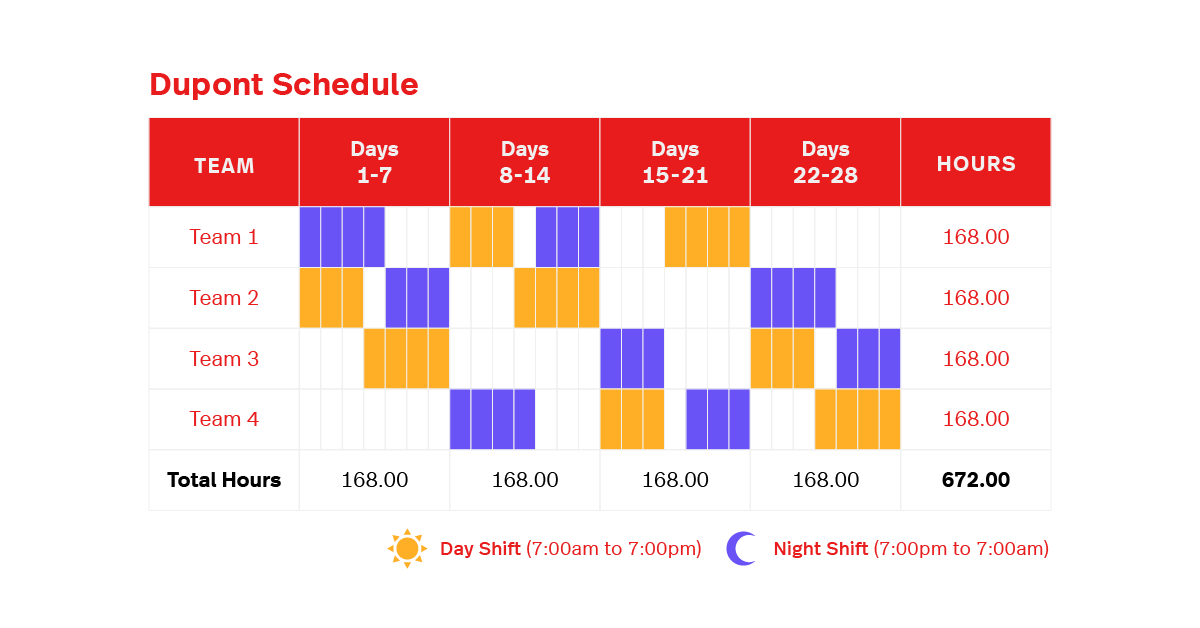
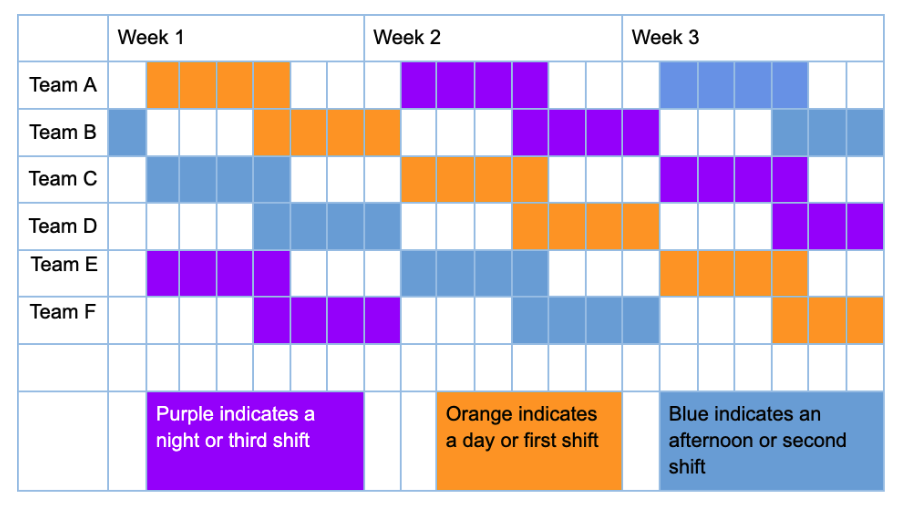
From a technological standpoint, a rotating schedule isn’t just a static calendar; it’s a living data model. It involves defining various parameters within a scheduling platform: employee availability, skill sets, certification requirements, labor laws, union rules, demand forecasts, and preferred shift patterns. The “rotation” itself is often a pre-programmed sequence or a dynamically generated pattern determined by algorithms within specialized software. For instance, a common pattern might involve employees working a sequence of day, afternoon, and night shifts over several weeks before repeating the cycle. Other patterns include “DuPont,” “Pitman,” or “DDNN” (two days, two nights), each with its own rhythm and implications for staffing and employee experience.
These systems move beyond simple shift assignment; they manage entitlements, track hours worked against maximums, calculate overtime automatically, and even suggest optimal staffing levels based on historical data and predictive analytics. The definition of a rotating schedule is thus expanded to encompass the entire digital infrastructure that supports its planning, execution, and analysis.
Types of Rotating Schedules and Their Modern Applications
The variety of rotating schedules reflects the diverse operational needs of different industries. Technology facilitates the implementation and adaptation of these various types, offering flexibility and precision that manual methods could never achieve.
- Fixed Rotation Schedules: These follow a predictable, unchanging sequence (e.g., three days on, three days off). Software automates the generation and distribution of these schedules, ensuring consistency and making it easy for employees to anticipate their shifts well in advance.
- Irregular or Demand-Driven Rotation Schedules: Common in retail, hospitality, and service industries, these schedules adapt to fluctuating customer demand. AI-powered scheduling tools leverage historical data, weather patterns, local events, and even social media sentiment to forecast demand and dynamically assign shifts, ensuring optimal staffing without over- or under-scheduling.
- Employee-Preferred/Self-Scheduling Systems: While still rotating, these systems allow employees to express preferences or even swap shifts directly through an app, subject to manager approval and system constraints. This enhances employee autonomy and work-life balance, all managed and monitored by the scheduling software to prevent conflicts and ensure coverage.
- Skills-Based Rotation: Especially crucial in healthcare, this type ensures that specific skills (e.g., ICU nurse, certified machine operator) are adequately covered across all shifts. Advanced scheduling algorithms can match skill requirements with available employees, preventing critical skill gaps.
The thread connecting all these types is the reliance on robust software platforms that can handle complex rules, integrate with other HR systems, and provide intuitive interfaces for both managers and employees.
The Technological Backbone of Rotating Schedules
The transformation of rotating schedules from a manual chore to an automated, intelligent process is entirely attributable to advancements in technology. From basic digital spreadsheets to sophisticated AI-driven platforms, the evolution has been rapid and impactful.
The Evolution of Scheduling Software
Early attempts at digital scheduling often involved customized spreadsheets, which, while an improvement over paper, were prone to errors, difficult to update, and lacked real-time visibility. The first generation of dedicated scheduling software brought structure, template creation, and basic rule enforcement. These tools streamlined the creation process but often required significant manual input for adjustments and conflict resolution.
Today’s scheduling software represents a quantum leap. Cloud-based platforms have enabled accessibility from anywhere, real-time updates, and collaborative scheduling. Mobile apps have put scheduling power directly into employees’ hands, allowing them to view schedules, request time off, and swap shifts on the go. Integration with human resources information systems (HRIS), payroll, and time and attendance systems has created a seamless ecosystem, eliminating redundant data entry and ensuring data accuracy across various departmental functions. The evolution has moved from simple data management to intelligent system optimization.
Key Features of Modern Scheduling Platforms
Contemporary scheduling platforms are packed with features designed to simplify the complexities of rotating schedules and maximize efficiency.
- Automated Schedule Generation: At the core, these platforms can generate entire rotating schedules based on predefined rules, templates, and employee availability, significantly reducing the time and effort managers spend on scheduling.
- Conflict Resolution and Compliance Checks: The software automatically flags conflicts (e.g., double bookings, insufficient rest periods, exceeding maximum hours) and ensures compliance with labor laws, union agreements, and company policies, minimizing legal risks and ensuring fair treatment.
- Mobile Accessibility and Self-Service: Dedicated apps for smartphones and tablets empower employees to view their schedules, receive notifications, request shift changes, submit time-off requests, and communicate with colleagues or managers, fostering greater engagement and control over their work-life balance.
- Real-time Updates and Communication: Changes to schedules are instantly updated across the platform and communicated to affected employees via notifications, ensuring everyone is always aware of the latest plan.
- Integration Capabilities: Seamless integration with HRIS, payroll, time clocks, and other operational software creates a unified system, reducing manual data entry, improving data accuracy, and streamlining administrative processes.
- Reporting and Analytics: Detailed reports on labor costs, staffing levels, absenteeism, and productivity provide managers with valuable insights to make data-driven decisions and optimize future schedules.
Leveraging AI and Machine Learning for Optimization
The latest frontier in scheduling technology is the integration of Artificial Intelligence (AI) and Machine Learning (ML). These advanced capabilities transform static scheduling into a dynamic, predictive, and truly optimized process.
- Predictive Scheduling: AI algorithms analyze vast amounts of historical data—past demand, sales figures, foot traffic, weather patterns, and even local events—to forecast future staffing needs with remarkable accuracy. This allows businesses to proactively adjust schedules to match anticipated demand, minimizing overstaffing during slow periods and ensuring adequate coverage during peak times.
- Automated Fairness and Equity: ML can be trained to distribute less desirable shifts (e.g., night shifts, weekend shifts) more equitably among employees, taking into account previous assignments, preferences, and tenure. This helps prevent burnout and improves employee morale by ensuring no single employee is disproportionately burdened.
- Skill-Based Matching and Optimization: For complex environments, AI can intelligently match available employees with required skill sets for specific shifts, ensuring critical tasks are always handled by qualified personnel.
- Dynamic Adjustments and Anomaly Detection: AI can monitor real-time data, identify potential issues (e.g., unexpected sick calls, sudden surges in demand), and suggest optimal adjustments to the schedule on the fly, ensuring continuous operational flow.
- Personalized Scheduling Suggestions: Based on an employee’s preferences, past schedules, and work patterns, AI can even suggest optimal shifts that align with their work-life balance goals while still meeting business needs.
By harnessing AI and ML, organizations can move beyond simply creating a rotating schedule to intelligently optimizing their entire workforce, leading to significant improvements in efficiency, cost savings, and employee satisfaction.
Benefits and Challenges of Tech-Driven Rotating Schedules
Implementing technologically advanced rotating schedules brings a myriad of advantages, but also introduces new considerations that businesses must address.
Enhanced Efficiency and Operational Streamlining
The most immediate and tangible benefit of tech-driven rotating schedules is a dramatic increase in operational efficiency.
- Reduced Administrative Burden: Automation frees managers from tedious, time-consuming manual scheduling tasks, allowing them to focus on more strategic initiatives.
- Optimized Staffing Levels: Predictive analytics ensure the right number of employees with the right skills are on duty at the right time, minimizing idle time and preventing service disruptions.
- Improved Compliance: Automated checks for labor laws and internal policies reduce the risk of costly fines, grievances, and legal challenges.
- Cost Savings: By optimizing staffing and reducing overtime, businesses can achieve significant labor cost savings. Efficient scheduling also reduces errors that could lead to incorrect payroll processing.
- Real-time Visibility: Managers have immediate access to staffing levels, employee availability, and potential conflicts, enabling quick decision-making and proactive problem-solving.
Improving Employee Experience Through Digital Tools
While often focused on operational gains, technology also profoundly impacts the employee experience, fostering a more engaged and satisfied workforce.
- Increased Transparency: Employees have clear, instant access to their schedules, avoiding confusion and last-minute surprises.
- Greater Control and Flexibility: Self-service options, shift swapping capabilities, and preference settings empower employees with a degree of control over their work-life balance, leading to higher morale.
- Fairness and Equity: Algorithms can ensure that desirable and undesirable shifts are distributed equitably, reducing feelings of favoritism or unfair burden.
- Improved Communication: Built-in messaging features facilitate direct communication between employees and managers regarding scheduling issues, fostering a more collaborative environment.
- Reduced Burnout: Intelligent scheduling can help monitor and manage employee workload, ensuring adequate rest periods and preventing excessive consecutive shifts, which can contribute to burnout.
Overcoming Implementation Hurdles with Technology
Despite the clear benefits, transitioning to a sophisticated scheduling system is not without its challenges. Technology, however, also provides solutions to these hurdles.
- User Adoption and Training: Employees and managers must be trained on how to use new software and mobile apps. Intuitive user interfaces (UI) and comprehensive digital tutorials within the software can significantly ease this transition.
- Data Migration and Integration: Moving existing data and integrating with legacy HR and payroll systems can be complex. Robust APIs (Application Programming Interfaces) and professional services offered by software vendors are crucial for a smooth integration process.
- Customization vs. Standardization: Businesses often have unique scheduling rules. Modern platforms offer extensive customization options, allowing administrators to configure rules that match specific operational needs while maintaining a standardized system.
- Data Security and Privacy: Handling sensitive employee data requires robust digital security measures. Reputable scheduling software adheres to stringent data privacy regulations (e.g., GDPR, CCPA) and employs advanced encryption and access controls.
- Resistance to Change: Some employees and managers may resist new technology. Engaging them early, demonstrating the benefits (especially self-service aspects), and providing ample support can help overcome this inertia.
Future Trends in Rotating Schedule Management
The evolution of rotating schedule management is far from over. Future trends promise even greater intelligence, personalization, and integration, further embedding technology into the fabric of workforce planning.
Hyper-Personalization and Employee Empowerment
The future will see even more sophisticated AI models learning individual employee preferences, performance patterns, and personal commitments to suggest or even dynamically generate schedules that maximize both operational efficiency and individual work-life satisfaction. This could include AI-driven nudges for optimal shift swaps, personalized training recommendations based on skill gaps identified during scheduling, and adaptive scheduling for neurodiverse employees or those with specific accessibility needs. Gamification elements within scheduling apps could also boost engagement, rewarding employees for taking less popular shifts or for exemplary attendance.
Integration with Broader HR and Operations Ecosystems
Scheduling will become an even more integral part of a holistic digital workplace. Deep integration with talent management systems, learning management systems (LMS), performance management tools, and even real-time operational data (e.g., IoT sensors on factory floors, patient flow in hospitals) will create a truly unified platform. This will allow for predictive insights that link scheduling directly to employee development, productivity, and overall business outcomes, moving beyond simple time management to comprehensive human capital optimization. Imagine a system that automatically assigns a new training module to an employee during their lighter work week, or adjusts staffing based on real-time machine downtime.

The Role of Analytics and Predictive Insights
Beyond current predictive scheduling, future systems will offer even deeper analytical insights. This includes identifying patterns that lead to burnout or high turnover, predicting skill shortages far in advance, and analyzing the impact of different schedule patterns on employee well-being and productivity. Advanced analytics will move from reactive reporting to proactive foresight, allowing organizations to strategically plan their workforce for months or even years ahead, mitigating risks and seizing opportunities. This includes simulating the impact of different policy changes or operational expansions on the workforce before they are implemented, using digital twins of the organization.
The journey of the rotating schedule from a paper-based conundrum to a technologically advanced, AI-driven solution illustrates the transformative power of digital innovation. As businesses continue to navigate complex operational demands and evolving employee expectations, technology will remain the cornerstone, enabling them to build efficient, equitable, and sustainable rotating schedules for the workforce of tomorrow.
aViewFromTheCave is a participant in the Amazon Services LLC Associates Program, an affiliate advertising program designed to provide a means for sites to earn advertising fees by advertising and linking to Amazon.com. Amazon, the Amazon logo, AmazonSupply, and the AmazonSupply logo are trademarks of Amazon.com, Inc. or its affiliates. As an Amazon Associate we earn affiliate commissions from qualifying purchases.