
In the complex world of construction and property ownership, seemingly technical terms often carry profound financial weight. “Roof pitch” is precisely one such term. Far more than just an architectural detail, the slope of a roof profoundly influences everything from initial construction costs and long-term maintenance expenses to energy efficiency, property value, and even insurance premiums. For homeowners, investors, and construction professionals alike, a clear understanding of roof pitch is not merely a matter of design; it’s a fundamental component of sound financial planning and risk management. This article delves into the financial intricacies of roof pitch, unveiling why this geometric measurement is a cornerstone of intelligent property investment and budgeting.
The Core Concept: Defining Roof Pitch and Its Initial Cost Impact
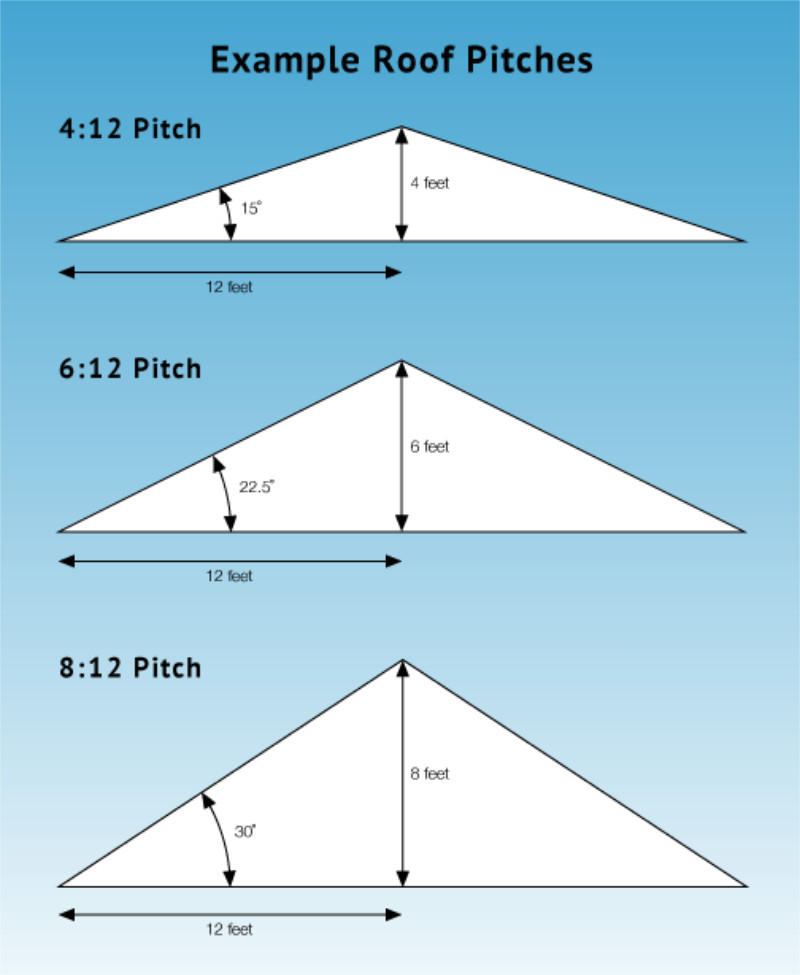
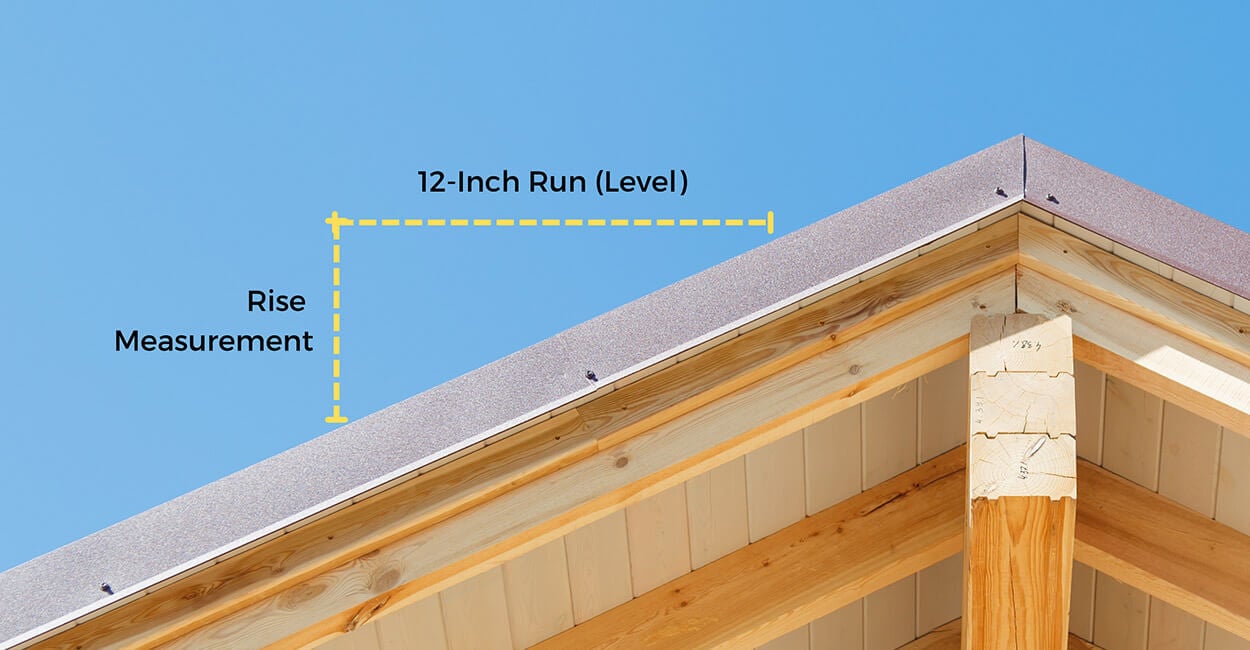
At its most basic, roof pitch is a measure of a roof’s steepness or slope. It quantifies how many inches a roof rises vertically for every 12 inches it extends horizontally. Commonly expressed as a ratio (e.g., 4/12, 6/12, 12/12), it can also be represented in degrees. While seemingly simple, this ratio is the starting point for a cascade of financial considerations that shape a project’s budget from conception to completion.
Deciphering the Numbers: Slope Ratios and Angles
Understanding roof pitch begins with its notation. A “4/12” pitch means the roof rises 4 inches for every 12 inches of horizontal run. A “12/12” pitch, often called a “common” or “half-pitch,” indicates a 45-degree angle. Lower pitches (e.g., 2/12) are considered “low-slope” and require specialized materials and techniques, while higher pitches (e.g., 10/12 or steeper) present distinct challenges and opportunities.
Financially, this numerical distinction is crucial. Different pitches fall into different regulatory categories, influencing building codes and material requirements. A contractor bidding on a project will immediately assess the pitch to determine labor hours, material types, and necessary safety precautions, all of which translate directly into the project’s bottom line. Misinterpreting or underestimating the pitch at the bidding stage can lead to significant cost overruns, eroding profit margins for contractors and inflating budgets for property owners.
The Fundamental Connection to Material Costs
The most immediate financial impact of roof pitch often manifests in material selection and quantity. Different pitches necessitate different types of roofing materials, each with its own cost profile:
- Low-Slope Roofs (e.g., 2/12 to 4/12): These often require specialized waterproofing membranes such as TPO, EPDM, or modified bitumen. While initially appearing less labor-intensive, these materials can be expensive per square foot, and their installation demands precise techniques to prevent leaks, which can be costly to remediate. Traditional asphalt shingles are typically not recommended below a 2/12 pitch due to water pooling risks.
- Medium-Slope Roofs (e.g., 4/12 to 7/12): This is the most common range for residential properties, ideal for asphalt shingles, metal panels, and some tile systems. Materials are generally more readily available, and installation is standard, leading to competitive pricing.
- Steep-Slope Roofs (e.g., 7/12 and above): While aesthetically striking, steeper roofs significantly increase material waste. Cutting shingles or panels to fit complex angles generates more unusable material. Furthermore, gravity becomes a greater factor, sometimes requiring specialized fasteners or adhesive applications to ensure material stability, adding to the material budget. Certain luxury materials like slate or cedar shakes are often found on steeper pitches, further escalating costs.
Beyond the type of material, the sheer quantity required can be surprising. A steeper roof covers less ground area (footprint) but requires more surface area of material to cover its greater slope. Estimating software helps, but without an accurate pitch measurement, initial material orders can be inaccurate, leading to delays and additional procurement costs.
Beyond Materials: Labor, Safety, and Long-Term Financial Considerations
While material costs are significant, they represent only a portion of a roof’s overall financial story. Labor, safety protocols, maintenance demands, and the roof’s expected lifespan are profoundly influenced by its pitch, directly impacting both upfront investment and long-term operating expenses.
Labor Costs: The Steeper, The Pricier
One of the most substantial financial differentiators based on roof pitch is labor.
- Increased Difficulty and Time: Working on a steep roof is inherently more challenging and time-consuming. Installers move slower, require more breaks, and must exercise extreme caution. This extended labor time directly translates into higher hourly wages and overall project costs.
- Specialized Skills and Equipment: Steep pitches often demand more experienced roofers or specialized crews. The use of elaborate scaffolding, safety harnesses, rope-and-pulley systems, and other fall protection equipment is mandatory, and the setup and dismantling of this equipment add significant labor hours. For very high or complex pitches, crane services might be required to lift materials, incurring additional rental and operator costs.
- Overhead and Efficiency: Project management for steep roofs becomes more complex, requiring tighter scheduling and supervision. Any delays due to weather or safety concerns compound labor costs, pushing project budgets beyond initial estimates.
Safety Premiums and Insurance Implications
The inherent dangers of working on steep roofs directly impact contractor insurance premiums and, by extension, the costs passed on to the client.
- Higher Liability Insurance: Roofing companies with a portfolio of steep-pitch projects often face higher liability and worker’s compensation insurance rates due to the increased risk of falls and injuries. These elevated costs are factored into their pricing models.
- Risk Assessment and Underwriting: For property owners, the type and pitch of a roof can sometimes influence homeowner’s insurance premiums, particularly for structures in areas prone to high winds or extreme weather. While less direct than contractor insurance, a roof perceived as less resilient or more prone to damage (e.g., very low-slope in heavy snow areas) could incur higher premiums or stricter coverage terms.
- Compliance Costs: Adhering to OSHA regulations for steep-slope roofing requires investments in training, equipment, and safety officers. These compliance costs are a necessary financial outlay for any reputable contractor and are integrated into project pricing.
The Hidden Costs: Maintenance and Lifespan
The financial impact of roof pitch extends far beyond installation, profoundly influencing maintenance costs and the roof’s overall lifespan.
- Accessibility for Maintenance: Steeper roofs, while often shedding water and debris more efficiently, can be dangerous and costly to maintain. Routine cleaning, gutter maintenance, or minor repairs require specialized equipment and trained personnel, making these tasks more expensive than on a lower-pitched, easily accessible roof.
- Water Runoff and Debris Accumulation: A well-designed pitch ensures efficient water runoff, minimizing standing water and preventing leaks. However, extremely low pitches can be prone to water pooling, leading to premature material degradation and costly water damage. Conversely, extremely high pitches might shed snow and ice more effectively but can also generate greater splash-back on surrounding walls or landscaping, necessitating additional protective measures.
- Impact on Lifespan: Proper pitch, combined with appropriate material selection and quality installation, directly contributes to a roof’s longevity. A roof with an inadequate pitch for its climate or material type will invariably experience premature failure, necessitating earlier and more expensive replacement. Investing in the correct pitch initially can save tens of thousands in premature replacement costs.
Energy Efficiency and Your Wallet: Pitch’s Role in Home Economics
Beyond structural integrity and initial outlay, roof pitch significantly impacts a building’s energy performance, directly affecting utility bills and long-term operational costs. For properties focused on sustainability and cost savings, understanding this connection is paramount.
Ventilation and Thermal Performance
The angle of a roof creates the attic or ceiling space beneath it, which is critical for thermal regulation.
- Attic Volume: Steeper pitches generally create larger, more easily ventilated attic spaces. A well-ventilated attic allows hot air to escape in summer, reducing the load on air conditioning systems, and preventing moisture buildup in winter, which can lead to mold and insulation degradation. Proper ventilation thus directly contributes to lower cooling costs and extends the life of insulation and structural components.
- Reduced Heat Transfer: The air gap in a properly ventilated attic acts as an insulating buffer, reducing heat transfer from the roof surface into the living space below. Conversely, low-slope roofs or homes with cathedral ceilings (where the roof pitch dictates the interior ceiling line) have less or no attic space, making effective ventilation more challenging and potentially leading to higher heat gain/loss and increased HVAC usage.
Insulation Strategies for Varied Pitches
The effectiveness and cost of insulation are also linked to roof pitch.
- Standard Attic Insulation: In homes with moderate to steep pitches, ample attic space allows for conventional batt, blown-in, or spray foam insulation, which is generally cost-effective and easy to install.
- Complex Insulation for Low Pitches/Cathedral Ceilings: For low-slope roofs or homes with vaulted ceilings, insulation must be installed directly against the underside of the roof deck or between the rafters. This often requires higher-density, more expensive materials (like rigid foam boards) and more meticulous installation to prevent thermal bridging and air leaks, significantly increasing insulation costs and potentially reducing R-value efficiency.
- Vapor Barriers: In colder climates, specific pitches and construction types might necessitate more elaborate vapor barrier systems to prevent condensation within the roof assembly, a crucial, albeit additional, financial consideration.
Harnessing Solar Energy: Pitch for Photovoltaic Returns
For property owners considering solar panel installations, roof pitch is a primary determinant of system efficiency and return on investment (ROI).
- Optimal Angle: The ideal pitch for solar panels varies by geographical location but generally falls within a range that maximizes sun exposure throughout the year. For many regions in the northern hemisphere, a south-facing roof with a pitch roughly equal to the latitude offers optimal solar gain.
- Financial Benefits: A roof with a favorable pitch allows solar panels to operate at peak efficiency, generating more electricity and thus maximizing utility bill savings and potential for feed-in tariffs or net metering credits. Conversely, a roof with a suboptimal pitch might still accommodate solar, but with reduced efficiency, lengthening the payback period for the initial investment.
- Mounting Costs: While flat roofs may seem ideal, they often require angled racking systems to achieve optimal pitch, adding to installation complexity and cost. Steep roofs can sometimes pose installation challenges for solar arrays, requiring specialized equipment and higher labor costs for safe and secure mounting.
Investment Value and Resale: How Pitch Shapes Your Property’s Worth
Beyond immediate construction and operational costs, a roof’s pitch plays a subtle yet significant role in a property’s market value, affecting everything from curb appeal to perceived durability and even influencing insurance for future buyers.
Curb Appeal and Architectural Style
The roof is a dominant visual element, and its pitch contributes immensely to a property’s aesthetic and architectural character.
- Marketability: Certain roof pitches are highly desirable in specific architectural styles (e.g., steep pitches for Victorians or Tudors, low pitches for Mid-Century Modern). A roof pitch that harmonizes with the home’s design and local aesthetic can significantly enhance curb appeal, making the property more attractive to potential buyers and potentially commanding a higher sale price.
- Regional Preferences: In areas prone to heavy snow, steeper pitches are often preferred for their ability to shed snow load, making them more visually appealing and practical. In contrast, in hot climates, lower pitches might be preferred for their reduced surface area exposed to direct sunlight, though ventilation becomes critical. Aligning with these preferences can boost market value.
Durability and Perceived Quality
Buyers are increasingly savvy about long-term maintenance and structural integrity. A well-pitched roof is often perceived as a sign of quality construction and reduced future headaches.
- Reduced Buyer Concerns: A roof that appears to be well-constructed and appropriately pitched for its climate alleviates buyer concerns about immediate repair or replacement costs. A poorly pitched or aging roof, conversely, can be a major red flag, leading to lower offers or even deterring potential buyers.
- Inspection Outcomes: Home inspectors meticulously examine the roof’s condition, including its pitch. Issues related to inadequate pitch (e.g., standing water, premature material wear) will be highlighted in an inspection report, providing leverage for buyers to negotiate price reductions or demand repairs, directly impacting the seller’s financial return.
Insurance Premiums for Homeowners
While less common, some insurance companies factor roof type and pitch into their premium calculations for homeowners.
- Risk Assessment: Certain roof types associated with specific pitches (e.g., flat roofs or very low-slope roofs in areas with heavy rainfall or snow) might be deemed higher risk for leaks or structural issues, potentially leading to slightly higher homeowner’s insurance premiums. This is particularly true if the roofing material itself is considered less durable for the local climate.
- Impact on Future Buyers: A property with a roof that incurs higher insurance premiums could be less attractive to buyers, particularly those on tight budgets, indirectly affecting its marketability and ultimate sale price.
Strategic Planning: Making Financially Sound Pitch Decisions
Given its multifaceted financial implications, selecting or managing roof pitch is not a decision to be taken lightly. It demands strategic planning, thorough research, and often, professional consultation to ensure optimal financial outcomes.
Budgeting for New Construction and Renovation
For any new build or major renovation, the roof pitch must be a central element of the financial planning process.
- Accurate Cost Forecasting: Early and precise determination of the roof pitch allows for more accurate budgeting, encompassing material selection, labor costs, safety equipment, and potential energy efficiency upgrades. Overlooking the financial nuances of pitch can lead to significant budget overruns down the line.
- Contingency Planning: Always factor in a contingency budget for roofing projects, especially those involving complex or steep pitches. Unforeseen challenges related to material availability, weather, or site-specific difficulties can quickly escalate costs.

When to Consult a Professional: Protecting Your Investment
For homeowners and investors, the complexities of roof pitch and its financial repercussions underscore the importance of expert advice.
- Architectural Expertise: An architect can help design a roof pitch that is not only aesthetically pleasing but also structurally sound, climatically appropriate, and financially viable for the long term. Their input can prevent costly design flaws.
- Reputable Roofing Contractors: A qualified and experienced roofing contractor can provide accurate estimates based on pitch, material choices, and labor requirements. They can also advise on optimal materials for a given pitch and climate, ensuring durability and compliance with building codes. Their insights are invaluable for avoiding financial pitfalls related to substandard work or inappropriate material choices.
- Energy Auditors: For existing properties, an energy auditor can assess how the current roof pitch and insulation impact energy consumption, offering recommendations for improvements that yield financial returns through reduced utility bills.
In conclusion, “what is a roof pitch” is a question that, when fully explored, unveils a critical layer of financial understanding for anyone involved in property. From the initial expenditure on materials and labor to the ongoing costs of energy and maintenance, and finally to the long-term appreciation and marketability of a property, roof pitch exerts a pervasive influence. Recognizing and strategically managing these financial implications is key to making informed decisions, protecting investments, and ensuring the enduring value and performance of any structure.
aViewFromTheCave is a participant in the Amazon Services LLC Associates Program, an affiliate advertising program designed to provide a means for sites to earn advertising fees by advertising and linking to Amazon.com. Amazon, the Amazon logo, AmazonSupply, and the AmazonSupply logo are trademarks of Amazon.com, Inc. or its affiliates. As an Amazon Associate we earn affiliate commissions from qualifying purchases.