
In an increasingly digital world, the convenience of managing our finances from anywhere has become not just a luxury, but an expectation. Among the myriad innovations revolutionizing personal and business finance, remote deposit stands out as a pivotal advancement. Once requiring a physical trip to a bank branch or ATM, depositing a check can now be accomplished with a few taps on a smartphone or clicks of a mouse. This seemingly simple capability has profound implications for efficiency, accessibility, and the very fabric of modern banking.
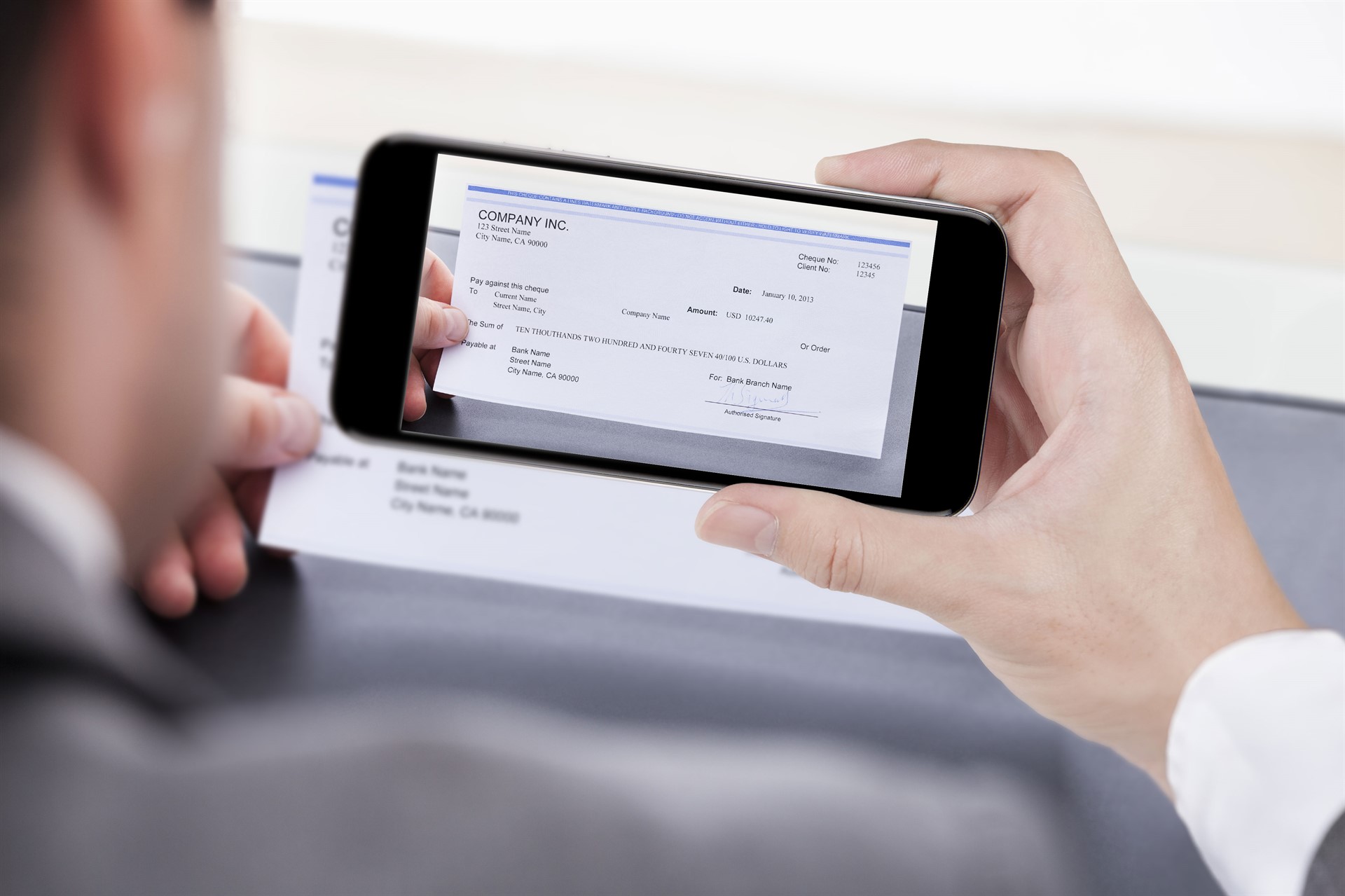
At its core, a remote deposit, often referred to as mobile deposit or remote deposit capture (RDC), is the process of depositing a paper check into a bank account without physically visiting a bank. It leverages technology, typically a smartphone camera or a specialized scanner, to capture an image of the check and electronically transmit it to the financial institution for processing. This method fundamentally transforms how individuals and businesses interact with their banks, offering unparalleled flexibility and significant time savings. Understanding its mechanics, benefits, potential pitfalls, and future trajectory is crucial for anyone navigating the contemporary financial landscape.

The Mechanics Behind Remote Deposit
The ability to deposit a check from your couch or office desk isn’t magic; it’s a sophisticated yet user-friendly process built on secure financial technology. Understanding how remote deposit works demystifies the convenience it offers and highlights the underlying security measures in place.
How Remote Deposit Works
The process for making a remote deposit is remarkably straightforward for the end-user, though it involves several intricate steps behind the scenes:
- Endorsement: Before anything else, the payee (the person or entity to whom the check is made out) must properly endorse the check. This typically involves signing the back of the check and often writing “For Mobile Deposit Only” or similar restrictive language as required by the bank. This endorsement is crucial for preventing fraudulent re-deposits.
- Image Capture: Using a mobile banking app on a smartphone or a dedicated desktop scanner (more common for businesses), the user takes clear images of both the front and back of the endorsed check. The app or software typically guides the user to ensure proper lighting, focus, and alignment, capturing all necessary information like the check amount, payee, payor, bank routing number, and account number.
- Data Transmission: Once the images are captured, the app or software encrypts the images and associated data (e.g., the deposit amount manually entered by the user) and securely transmits them to the user’s financial institution. This transmission occurs over secure, encrypted channels to protect sensitive financial information.
- Processing and Verification: Upon receipt, the bank’s automated systems perform several layers of verification. This includes checking for image clarity, data matching (e.g., the amount entered versus the amount on the check), duplicate deposit attempts, and validating the routing and account numbers. Fraud detection algorithms are also at play, scrutinizing the check for any anomalies.
- Confirmation: Once the deposit is accepted for processing, the user typically receives an immediate confirmation within the app or via email/text message. This confirmation usually includes a reference number and an estimated timeline for funds availability.
Essential Tools and Platforms
The primary tools enabling remote deposit are widely accessible, making the service available to a broad spectrum of users:
- Mobile Banking Apps: For individual consumers and small businesses, the most common platform is the mobile banking application provided by their financial institution. These apps are designed with intuitive interfaces that guide users through the image capture process, often featuring auto-focus, edge detection, and quality checks.
- Remote Deposit Capture (RDC) Scanners: Larger businesses, particularly those handling a high volume of checks, often utilize specialized desktop scanners. These dedicated RDC scanners are integrated with the bank’s business banking portal, allowing for efficient batch processing of multiple checks and robust reporting features. While more expensive than a smartphone camera, they offer superior image quality and speed for commercial applications.
Key Players and Their Roles
Remote deposit involves a collaborative effort between several key entities:
- Financial Institutions (Banks and Credit Unions): These are the primary providers of remote deposit services. They develop and maintain the mobile apps and RDC systems, process the deposits, manage risk, and ultimately make the funds available to the customer. They also set the policies, limits, and security protocols for remote deposits.
- Customers (Individuals and Businesses): The end-users who initiate the deposits. Their role involves properly endorsing checks, capturing clear images, accurately entering deposit details, and adhering to their bank’s terms and conditions.
- Technology Providers: Companies that develop the underlying software, image processing technology, and hardware (like RDC scanners) that financial institutions use to offer these services. These providers ensure the security, efficiency, and compliance of the remote deposit infrastructure.
Advantages of Embracing Remote Deposit
The widespread adoption of remote deposit is not merely a testament to technological progress but a clear indication of its tangible benefits for both individuals and businesses. These advantages extend beyond mere convenience, impacting efficiency, accessibility, and financial management.
Unparalleled Convenience and Time Savings
Perhaps the most obvious benefit of remote deposit is the sheer convenience it offers. No longer are banking hours or branch locations a constraint on depositing funds.
- 24/7 Availability: Deposits can be made anytime, anywhere, as long as an internet connection is available. This is particularly beneficial for those with irregular work hours or busy schedules.
- Elimination of Travel: There’s no need to drive to a bank branch or ATM, saving time, fuel costs, and reducing wear and tear on vehicles. For businesses, this translates to less employee time spent on banking errands.
- Reduced Waiting Times: Avoiding queues at the bank means more productive time spent on other activities, enhancing overall personal and operational efficiency.
Enhanced Accessibility and Reach
Remote deposit democratizes access to banking services, making them available to a broader demographic.
- Geographic Flexibility: Individuals in rural areas without easy access to physical bank branches, or those traveling, can manage their finances without interruption.
- Mobility Impaired Individuals: For persons with disabilities or mobility challenges, remote deposit removes a significant barrier to traditional banking, allowing them to deposit checks comfortably from home.
- Digital Nomads and Remote Workers: The ability to bank remotely is a cornerstone for individuals and businesses operating across different locations or entirely without a fixed physical presence.
Streamlined Business Operations
For businesses of all sizes, remote deposit capture (RDC) offers substantial operational advantages that can directly impact their bottom line and cash flow.
- Faster Funds Availability: By depositing checks as soon as they are received, businesses can accelerate their cash flow cycles. This can be critical for managing working capital and meeting financial obligations promptly.
- Improved Efficiency and Productivity: Employees who previously spent time traveling to the bank can now dedicate that time to core business activities. This reduces administrative overhead and increases overall productivity.
- Centralized Deposit Management: Businesses with multiple locations can centralize their deposit processing, with each branch scanning checks locally, leading to better oversight and reduced risk of lost checks.
- Reduced Bank Fees: Some banks may offer reduced fees or better terms for businesses that utilize RDC, recognizing the operational efficiencies it provides to the bank as well.
Environmental Benefits
While often overlooked, the reduction in physical trips to the bank contributes to a smaller carbon footprint, aligning with broader environmental sustainability goals. Fewer car journeys mean less fuel consumption and reduced emissions.
Navigating the Potential Pitfalls and Best Practices
While remote deposit offers unparalleled convenience, it’s not without its nuances and potential risks. Understanding these aspects and adopting best practices is essential for a secure and seamless experience, ensuring that the benefits are fully realized without incurring unforeseen financial challenges.

Security Considerations and Fraud Prevention
The electronic nature of remote deposit necessitates robust security protocols and user vigilance to prevent fraud.
- Secure Networks: Always use a secure, private Wi-Fi network or your mobile carrier’s data plan when making a remote deposit. Avoid public Wi-Fi networks, which can be vulnerable to eavesdropping.
- App Authenticity: Ensure you are using the official mobile banking app provided by your financial institution. Download apps only from official app stores (Apple App Store, Google Play Store) and be wary of suspicious links or unsolicited app downloads.
- Check Retention: Banks typically advise users to retain the physical check for a specified period (e.g., 5-14 days) after a successful remote deposit. This is a safeguard in case the electronic transmission fails or the bank requires verification. After the retention period, the check should be securely shredded to prevent “double-depositing” or other forms of fraud.
- Password and Device Security: Use strong, unique passwords for your banking app and enable biometric authentication (fingerprint, facial recognition) if available. Keep your mobile device secure with screen locks and up-to-date operating system software.
Understanding Funds Availability and Holds
Unlike depositing cash, check deposits, even remote ones, are subject to funds availability rules, which can vary.
- Bank Policies: Each financial institution has its own funds availability policy, which outlines when deposited funds will be made available for withdrawal. While some portion of the deposit might be available immediately, the full amount may be held for a few business days, depending on the check amount, the type of check, and the account holder’s history.
- Check Types and Amounts: Government checks, cashier’s checks, and on-us checks (checks drawn on the same bank) often clear faster. Larger deposits or checks from unknown sources may be subject to longer holds.
- Cut-off Times: Remote deposits made after a specific cut-off time (e.g., 5 PM EST) on a business day will typically be processed on the next business day, effectively delaying funds availability. Always be aware of your bank’s cut-off times.
Proper Check Handling and Retention
Careful handling of the physical check before and after deposit is crucial for both security and successful processing.
- Clear Images: Ensure the check is well-lit, placed on a dark background, and free of shadows or glare. The entire check, including all four corners, must be visible, and all information (MICR line, amount, signatures) must be legible.
- Correct Endorsement: As mentioned, proper endorsement, often including “For Mobile Deposit Only” and your signature, is non-negotiable. An improperly endorsed check can lead to rejection or delays.
- Secure Shredding: Once the retention period set by your bank has passed and you’ve verified the funds are fully available, shred the physical check. Do not simply tear it up or throw it away, as this could still pose a risk.
Transaction Limits and Fees
Most financial institutions impose daily and/or monthly limits on the dollar amount and/or number of checks that can be deposited remotely.
- Deposit Limits: These limits are in place as a fraud prevention measure. If you need to deposit a check exceeding these limits, you may still need to visit a branch or ATM.
- Potential Fees: While many banks offer remote deposit free of charge for personal accounts, some may charge fees, particularly for business accounts utilizing advanced RDC scanners or for exceeding certain transaction thresholds. Always review your bank’s fee schedule.
The Future Landscape of Remote Deposit and Digital Banking
Remote deposit has already transformed banking, but its evolution is far from complete. As technology continues to advance and consumer expectations shift, remote deposit will likely integrate more deeply into a broader, increasingly sophisticated digital financial ecosystem.
Evolution of Mobile Banking Technology
The core technology behind remote deposit, particularly mobile banking apps, is constantly improving.
- AI and Machine Learning: Artificial intelligence and machine learning algorithms are being integrated to enhance fraud detection, improve image recognition accuracy, and even automate more of the deposit process.
- Biometric Authentication: Further integration of biometric security features like advanced facial recognition and voice authentication will make remote deposits even more secure and seamless.
- User Interface Enhancements: Expect more intuitive, personalized, and proactive mobile banking interfaces that anticipate user needs and offer guidance, making the process even simpler for users of all tech proficiency levels.
Integration with Broader Financial Ecosystems
Remote deposit is not an isolated feature but a component of a larger digital transformation in finance.
- Unified Financial Dashboards: We’ll see tighter integration with personal finance management (PFM) tools, budgeting apps, and other financial platforms, allowing users to deposit funds and immediately categorize or allocate them within their broader financial plan.
- P2P and Business Payment Systems: As physical checks become less common, remote deposit acts as a bridge, gradually paving the way for more direct digital payment methods, like peer-to-peer (P2P) transfers and real-time payment systems for businesses.
- Cross-Platform Accessibility: Deposits may become possible from even more devices, including smartwatches or integrated smart home systems, further embedding financial management into daily life.
Regulatory Adaptations and Consumer Trust
As digital banking evolves, so too must the regulatory framework governing it.
- Evolving Compliance Standards: Regulators will continue to adapt rules to ensure consumer protection, data privacy, and financial stability in an increasingly digital environment. This includes guidelines for image quality, data retention, and fraud liability.
- Building Trust in Digital Channels: Financial institutions will invest further in transparency, clear communication about policies (like funds availability), and robust customer support to build and maintain consumer trust in remote and digital banking channels.
Potential Disruption and Innovation
The trajectory of remote deposit hints at a future where physical checks become increasingly obsolete.
- Decline of Physical Checks: While remote deposit makes physical checks manageable, the long-term trend is towards entirely digital payment methods. As real-time payments and electronic invoicing become standard, the reliance on checks will diminish.
- Innovation in Digital Payments: The technology that powers remote deposit could inform future innovations in digital currency management, fractional investing, or instant loan disbursements, all contributing to a more dynamic and responsive financial landscape. The very concept of “depositing” might shift from handling a physical item to simply receiving an instant digital transfer.
Remote deposit has moved from a novelty to a banking staple, fundamentally reshaping how individuals and businesses manage their cash flow. Its future will be defined by ongoing technological integration, regulatory adaptation, and a continuous push towards greater convenience and security in the ever-evolving digital financial world.
Conclusion
Remote deposit has undeniably revolutionized the banking experience, transforming what was once a time-consuming chore into a matter of mere seconds. For individuals, it offers unparalleled convenience and accessibility, freeing them from the constraints of banking hours and physical locations. For businesses, it delivers critical efficiencies, streamlining operations, accelerating cash flow, and enhancing productivity. This financial innovation has empowered millions to manage their money more effectively, anytime and anywhere.
However, as with any powerful financial tool, maximizing the benefits of remote deposit requires diligence. Understanding the mechanics, adhering to security best practices, and being aware of policies regarding funds availability and transaction limits are crucial for a secure and seamless experience. As we look ahead, remote deposit is poised to evolve further, integrating deeper into sophisticated digital banking ecosystems, underpinned by advancements in AI, biometrics, and broader payment system innovations. It stands not just as a convenience, but as a critical stepping stone in the ongoing journey toward a fully digital, highly efficient financial future. Embracing remote deposit is not just adopting a new technology; it’s engaging with the present and future of financial management.
aViewFromTheCave is a participant in the Amazon Services LLC Associates Program, an affiliate advertising program designed to provide a means for sites to earn advertising fees by advertising and linking to Amazon.com. Amazon, the Amazon logo, AmazonSupply, and the AmazonSupply logo are trademarks of Amazon.com, Inc. or its affiliates. As an Amazon Associate we earn affiliate commissions from qualifying purchases.