
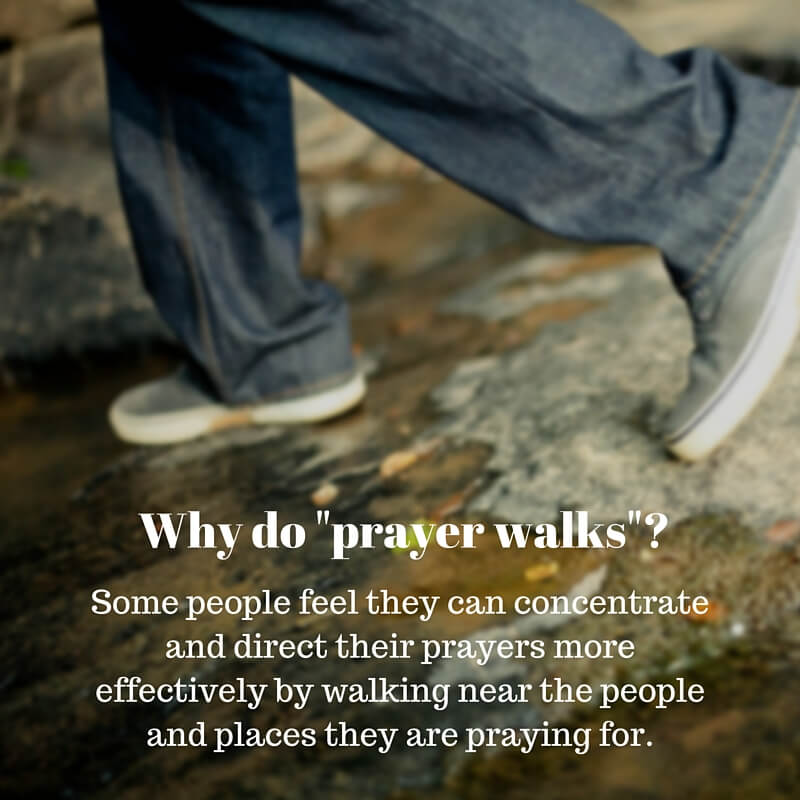
A prayer walk, at its essence, is a spiritual practice that combines physical movement with intentional prayer, meditation, or reflection. It’s an ancient discipline, often undertaken to connect more deeply with the divine, intercede for specific people or places, or cultivate personal spiritual growth. Traditionally, it involves walking through a neighborhood, park, or specific site, with one’s attention focused on spiritual purpose rather than just the physical act of walking. However, in an increasingly digital world, even such venerable practices are finding new expressions and enhancements through technology. This article delves into “what is a prayer walk” through the lens of modern tech, examining how digital tools can augment, facilitate, and even transform this profound spiritual journey.
The Core Practice: Understanding the Traditional Prayer Walk
Before we explore the digital dimensions, it’s crucial to grasp the foundational concept of a prayer walk. Its power lies in the intentional fusion of movement and spiritual focus.
Intentional Movement and Spiritual Focus
At its heart, a prayer walk transforms a simple stroll into a sacred pilgrimage. The act of walking becomes a moving meditation, a rhythmic cadence that can help clear the mind and open the spirit to deeper connection. Participants typically set an intention before they begin, whether it’s to pray for their community, offer gratitude, seek guidance, or intercede for personal needs. The physical act of moving through space can symbolize a spiritual journey, a step-by-step commitment to one’s faith or beliefs. The focus is not on speed or distance, but on presence and purpose.
Purpose and Setting
Prayer walks are incredibly versatile. They can be undertaken solo for personal reflection or as a group for communal intercession. The setting can range from a quiet nature trail, offering solitude and connection with creation, to bustling city streets, where prayers might be directed towards specific buildings, institutions, or the people encountered along the way. Some may walk a labyrinth, a symbolic path designed for contemplation, while others might embark on a historical pilgrimage route. Regardless of the specific purpose or chosen environment, the core intention remains: to engage in a walking prayer, making the physical journey a conduit for spiritual engagement.
Leveraging Tech for Enhanced Prayer Walk Experiences
While the essence of a prayer walk remains spiritual and personal, technology offers myriad tools to enrich, structure, and broaden its reach. These digital aids don’t replace the spiritual act but can act as powerful facilitators.
Guided Audio and Mindfulness Apps
One of the most immediate ways technology enhances a prayer walk is through guided audio. Numerous apps, ranging from general mindfulness platforms like Calm and Headspace to religiously specific ones (e.g., Hallow, Abide, Lectio 365), offer guided meditations, prayers, scripture readings, or reflective prompts. Users can choose sessions tailored to their time constraints, spiritual traditions, or specific intentions. These apps often feature customizable durations, soothing background music or ambient sounds, and diverse voices, helping participants maintain focus and deepen their contemplation during their walk. They can provide a structured framework for individuals who are new to prayer walking or those who desire a fresh perspective, ensuring a consistent and intentional spiritual practice.
GPS-Enabled Route Planning and Geolocation Prayer
Modern mapping and GPS technology offer sophisticated ways to plan and execute prayer walks. Users can pre-plan routes that encompass specific points of interest for prayer – perhaps a school, a hospital, a local government building, or even the homes of friends and family. Apps like Google Maps, Strava, or dedicated spiritual mapping tools allow individuals to design these routes, track their progress, and even receive location-based prompts. Imagine an app that triggers a specific prayer or scripture when you approach a pre-designated “prayer point” (a concept akin to geofencing). This transforms the physical landscape into a dynamic canvas for intercession, ensuring that prayers are specific, timely, and deeply connected to the environment being traversed. Furthermore, groups can share planned routes, allowing multiple individuals or congregations to participate in a coordinated prayer effort across different locations.
Wearable Technology for Mindful Movement
Wearable tech, such as smartwatches and fitness trackers, can subtly contribute to a more mindful prayer walk. While primarily associated with fitness, these devices monitor key metrics like steps, distance, heart rate, and even heart rate variability. For a prayer walker, this data can offer insights into their physical state, helping them to regulate their pace for optimal meditative flow or to be aware of how their body responds to the spiritual exercise. Some advanced wearables and companion apps offer biofeedback features, guiding users through breathing exercises to reduce stress or enhance focus, which can be invaluable during a period of concentrated prayer and reflection. By connecting physical well-being to spiritual practice, wearables can help foster a holistic approach to the prayer walk, encouraging a balanced and sustainable journey.
Building Community and Connection Through Digital Platforms
Beyond individual enhancement, technology plays a pivotal role in fostering collective spiritual experiences, particularly in a world where physical proximity isn’t always possible.
Virtual Prayer Walks and Online Gatherings
For individuals unable to participate physically due to health, distance, or other constraints, technology enables virtual prayer walks. Through video conferencing platforms like Zoom or Teams, groups can share a “walk” together. One member might livestream their physical walk, allowing others to participate vicariously, offering prayers and reflections in real-time through chat. Alternatively, a virtual walk might involve a shared screen showing images or videos of significant locations, prompting collective prayer and discussion. These virtual gatherings break down geographical barriers, fostering a sense of community and shared spiritual purpose among people who might otherwise be isolated.

Social Media and Shared Spiritual Journeys
Social media platforms have become powerful conduits for sharing spiritual experiences and building communities around practices like prayer walks. Dedicated Facebook groups, Instagram hashtags, or even platforms like Pinterest can be used to share photos, reflections, scriptures, or insights gained during a walk. This creates a virtual support network, allowing participants to encourage one another, share prayer requests, and extend the spiritual impact of their individual journeys. Churches and spiritual organizations can leverage these platforms to organize and promote community prayer walks, track participation, and gather collective prayers, transforming individual efforts into a broader, shared movement.
Dedicated Spiritual Community Apps
The burgeoning landscape of app development has led to platforms specifically designed for spiritual communities. These apps often integrate features like event calendars, messaging boards, resource libraries (including guided walks or prayer points), and member directories. For prayer walk initiatives, such apps can serve as central hubs for organizing group walks, sharing reflections post-walk, disseminating specific prayer requests, and providing ongoing spiritual nourishment. They facilitate deeper engagement and connection than general social media, creating a more private and focused environment for spiritual growth and collective action.
Navigating the Digital Landscape: Security and Ethical Considerations
While technology offers significant advantages, its integration into spiritual practices also necessitates a mindful approach to data security, privacy, and the potential for distraction.
Data Privacy and Personal Information
When using apps for guided prayer or tracking walks, users often share personal data, including location, activity levels, and even deeply personal reflections. It is crucial for individuals to understand the privacy policies of the apps they use and choose platforms with robust data protection measures. The line between sharing for community support and over-exposing personal spiritual journeys needs careful consideration. Anonymity features or private groups can offer safer spaces for sharing sensitive information, while users should be cautious about location sharing in public forums.
The Balance: Digital Augmentation vs. Distraction
The very tools designed to enhance a prayer walk can also become sources of distraction. Constant notifications, the urge to check social media, or even the cognitive load of navigating an app can pull an individual away from the present moment and their spiritual focus. The challenge lies in finding the right balance: using technology as an intentional augmentation rather than allowing it to become a primary point of engagement. Encouraging periods of “digital detox” during a walk, where technology is used only for specific purposes and then set aside, can help maintain the integrity of the spiritual practice. The goal is presence, not endless screen time.
Accessibility and Digital Divide
The benefits of tech-augmented prayer walks are not universally accessible. Not everyone has access to smartphones, wearable tech, reliable internet, or the digital literacy required to fully utilize these tools. It is important for communities and organizations promoting digitally-enhanced spiritual practices to acknowledge this digital divide and ensure that traditional, tech-free options remain available and equally valued. Inclusivity means recognizing that technology is a tool, not a prerequisite, for a meaningful prayer walk.
The Future Horizon: AI and Immersive Tech in Prayer Walks
Looking ahead, emerging technologies like Artificial Intelligence (AI) and immersive realities (AR/VR) promise to further revolutionize the landscape of spiritual practices, including prayer walks.
AI-Powered Personalization and Guidance
Imagine an AI-powered spiritual companion that could personalize your prayer walk experience. Based on your past interactions, stated intentions, mood analysis (perhaps via biometric data from wearables), or even the current news cycle, AI could curate bespoke guided prayers, scripture passages, meditative music, or reflective questions. This AI could learn your spiritual preferences, suggest routes based on your energy levels, or even offer real-time insights during your walk, acting as a highly personalized spiritual mentor. The potential for deeply customized and responsive spiritual guidance is immense, making prayer walks uniquely resonant for each individual.
Augmented and Virtual Reality for Immersive Experiences
Augmented Reality (AR) could transform the visual landscape of a prayer walk. Imagine an AR app that overlays historical information, spiritual symbols, or even visual representations of prayers onto real-world locations as you walk. You could “see” ancient holy sites superimposed on your local park, or visualize the impact of your prayers on the very street you’re traversing. Virtual Reality (VR), on the other hand, could offer completely immersive spiritual journeys for those unable to travel. Users could undertake a VR prayer walk through Jerusalem, the Camino de Santiago, or even imagined sacred spaces, engaging with these environments through sight, sound, and potentially haptic feedback, creating a powerful, multi-sensory spiritual experience from anywhere in the world.

Conclusion
“What is a prayer walk?” is a question that now invites a multifaceted answer, embracing both ancient tradition and cutting-edge innovation. At its core, it remains a profound spiritual discipline of walking with intentional prayer. However, technology has emerged as a powerful ally, offering tools to enhance focus, deepen understanding, connect communities, and broaden accessibility. From guided audio apps and GPS-enabled routes to the future potential of AI and immersive realities, digital innovations can enrich, extend, and personalize the prayer walk experience.
Yet, as we integrate technology into such a sacred practice, mindfulness is key. The digital must serve the spiritual, not overshadow it. By carefully considering data privacy, avoiding digital distractions, and ensuring inclusivity, we can leverage technology to foster a more vibrant, connected, and deeply personal approach to this ancient and transformative spiritual journey. The future of the prayer walk lies in a harmonious blend of the physical and the digital, the inner spirit and the outward stride, guided by purpose and amplified by thoughtful innovation.
aViewFromTheCave is a participant in the Amazon Services LLC Associates Program, an affiliate advertising program designed to provide a means for sites to earn advertising fees by advertising and linking to Amazon.com. Amazon, the Amazon logo, AmazonSupply, and the AmazonSupply logo are trademarks of Amazon.com, Inc. or its affiliates. As an Amazon Associate we earn affiliate commissions from qualifying purchases.