
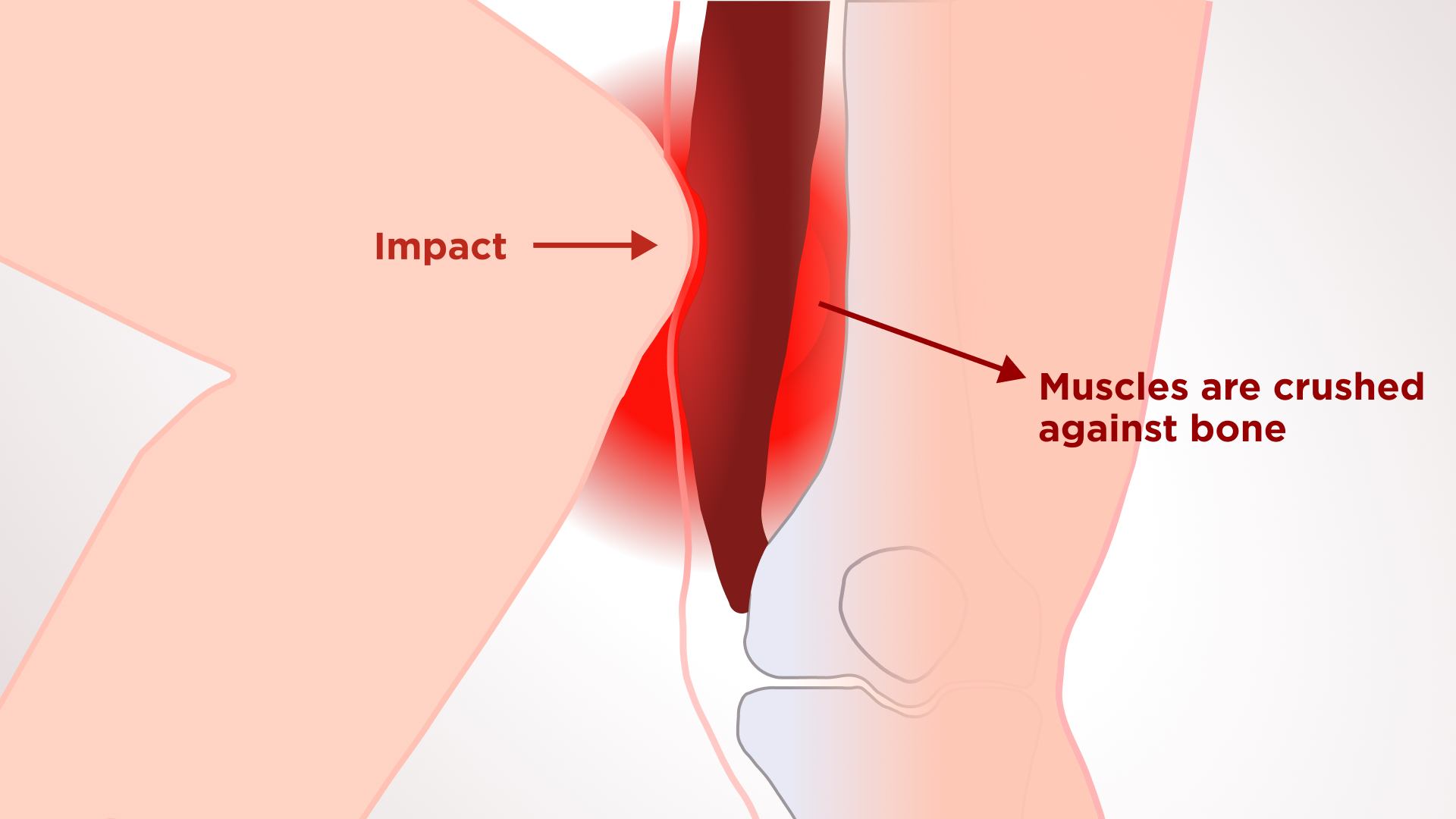
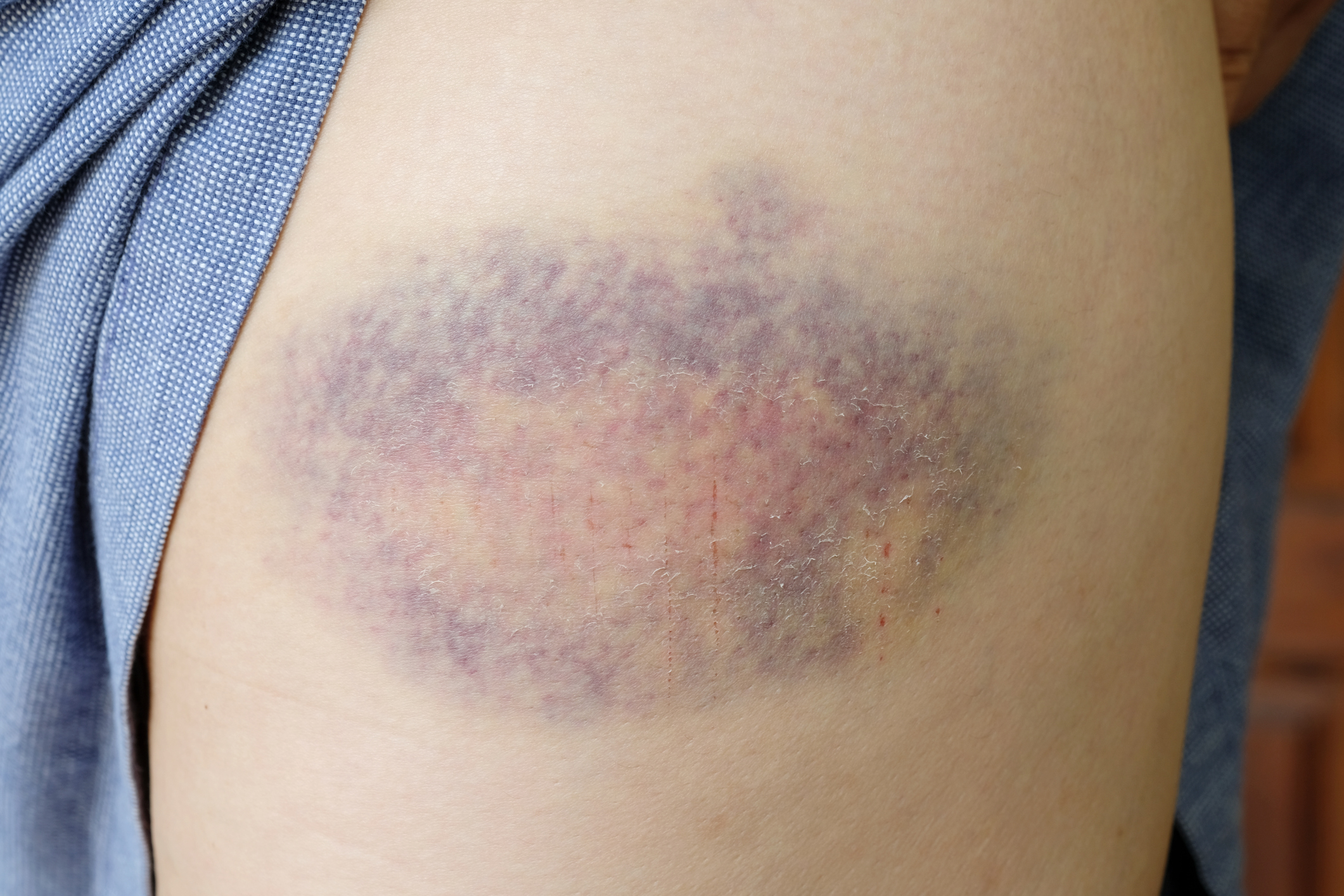
A muscle contusion, commonly known as a bruise, occurs when direct trauma crushes muscle fibers and connective tissue without breaking the skin. This impact causes small blood vessels to rupture, leading to internal bleeding, swelling, pain, and discoloration. From a physiological standpoint, it’s a localized trauma that disrupts cellular integrity and initiates an inflammatory response. However, to truly understand, manage, and recover from a muscle contusion in the modern era, we must turn to technology. The digital age has revolutionized how we perceive and interact with such injuries, moving beyond traditional methods to embrace precision diagnostics, proactive prevention, and highly personalized rehabilitation. This article delves into the technological frameworks that not only define a muscle contusion but also empower us to overcome its challenges with unprecedented efficacy.
Understanding Muscle Contusions Through Diagnostic Technology
The accurate diagnosis and precise assessment of a muscle contusion are paramount for effective treatment. In the past, diagnosis relied heavily on palpation and patient history. Today, cutting-edge diagnostic technologies provide an unparalleled look into the soft tissues, revealing the extent and nature of the injury with remarkable clarity.
Advanced Imaging Techniques
Modern medical imaging technologies are at the forefront of understanding muscle contusions. They allow clinicians to visualize the internal damage in detail, distinguishing contusions from more severe injuries like muscle strains or tears, and identifying potential complications such such as hematoma formation or compartment syndrome.
-
Magnetic Resonance Imaging (MRI): MRI remains the gold standard for soft tissue imaging. Its ability to produce high-resolution images of muscles, tendons, ligaments, and blood vessels makes it invaluable for assessing the exact location, size, and depth of a muscle contusion. MRI scans can differentiate between edema (swelling), hemorrhage (bleeding), and muscle fiber disruption, providing critical information for grading the severity of the injury. Furthermore, advanced MRI sequences can even detect subtle physiological changes that might precede or accompany more obvious structural damage, offering deeper insights into the injury’s biomechanics. The non-invasive nature and superior soft tissue contrast of MRI make it an indispensable tool in both acute diagnosis and monitoring the healing process.
-
Diagnostic Ultrasound: Portable and real-time, diagnostic ultrasound offers a dynamic view of muscle tissue. It’s particularly useful for quickly assessing superficial contusions, identifying fluid collections (hematomas), and guiding aspirations or injections. Unlike MRI, ultrasound can be performed at the point of care, making it a valuable tool in sports medicine clinics or emergency settings. Its ability to show muscle movement and contractility in real-time also helps clinicians evaluate the functional impact of the contusion and rule out other dynamic pathologies. Recent advancements in AI-powered ultrasound systems further enhance image quality and interpretation, even enabling automated measurements and characterizations of tissue damage.
AI-Enhanced Diagnostics and Predictive Analytics
Beyond static imaging, artificial intelligence (AI) is transforming how we interpret diagnostic data and predict injury outcomes. Machine learning algorithms are being trained on vast datasets of medical images and patient outcomes to provide faster, more accurate diagnoses and prognostic insights.
-
Automated Image Analysis: AI algorithms can analyze MRI and ultrasound images to detect subtle signs of contusion that might be missed by the human eye. They can quantify lesion size, track changes over time, and even predict healing trajectories. This not only improves diagnostic accuracy but also standardizes assessment, reducing inter-observer variability. For instance, AI can automatically segment muscle groups and identify areas of hemorrhage or edema, providing objective metrics for injury severity.
-
Predictive Modeling for Complications: By integrating patient demographics, injury mechanisms, imaging findings, and historical data, AI models can predict the likelihood of complications such as myositis ossificans (bone formation within the muscle) or prolonged recovery. These predictive analytics empower clinicians to implement proactive management strategies, tailoring interventions to individual patient risk profiles. This paradigm shift from reactive treatment to proactive, personalized care is a hallmark of modern technological integration in medicine.
Wearable Technology for Prevention and Early Detection
Preventing muscle contusions, especially in high-impact sports or physically demanding professions, is as important as treating them. Wearable technology plays a crucial role in monitoring biomechanical loads, physiological responses, and identifying risk factors before an injury occurs.
Biometric Sensors and Performance Monitoring
The proliferation of smart wearables has brought sophisticated physiological monitoring capabilities from the lab to the field, offering real-time data on an athlete’s physical state.
-
Integrated Sensor Systems: Wearable devices—ranging from smart compression garments to advanced insoles and chest straps—incorporate accelerometers, gyroscopes, force plates, and heart rate monitors. These sensors track impact forces, movement patterns, gait symmetry, muscle activity (EMG), and cardiovascular stress. By continuously collecting these biometric data points, coaches and medical staff can gain a comprehensive understanding of an individual’s physical output and potential fatigue levels. For example, sensors embedded in helmets or mouthguards can measure the magnitude and direction of impacts, helping to identify sub-concussive hits that might also contribute to muscle trauma elsewhere in the body through secondary forces.
-
Load Management and Fatigue Tracking: Overuse and excessive training loads significantly increase the risk of muscle contusions and other musculoskeletal injuries. Wearable tech provides objective metrics for internal and external loads. External load sensors (GPS, accelerometers) track distance, speed, and impacts, while internal load sensors (heart rate variability, core body temperature) reflect physiological stress. AI algorithms process this data to create personalized fatigue profiles, alerting users or their trainers when they are at increased risk due to cumulative stress or insufficient recovery, thus enabling timely intervention to reduce training intensity or incorporate rest days.
Real-time Feedback and Injury Risk Assessment
Beyond data collection, modern wearables offer actionable insights and real-time feedback, empowering individuals to make informed decisions about their activity levels.
- Biofeedback and Proprioceptive Training: Some advanced wearables provide haptic feedback or visual cues to correct improper biomechanics during movement. For athletes, this might mean an alert when landing awkwardly or exhibiting unbalanced force distribution, helping to refine technique and reduce impact forces that could lead to contusions. This immediate feedback loop facilitates proprioceptive training, enhancing body awareness and control, which are critical for injury prevention.
- Personalized Risk Scoring: By combining data from wearables with historical injury data and machine learning, platforms can generate personalized injury risk scores. These scores consider factors like recent training intensity, sleep quality, recovery metrics, and even psychological stress indicators. When a risk score exceeds a certain threshold, the system can recommend preventative measures, such as specific stretching routines, modified training plans, or consultations with a physical therapist, effectively turning data into preventative action against injuries like muscle contusions.
Digital Solutions for Recovery and Rehabilitation
Once a muscle contusion occurs, technology becomes an invaluable partner in the recovery and rehabilitation process, ensuring optimal healing and a safe return to activity. Digital tools offer personalized, accessible, and trackable pathways to recovery.
Telemedicine and Virtual Physiotherapy Platforms
The COVID-19 pandemic accelerated the adoption of telemedicine, which has proven particularly beneficial for managing musculoskeletal injuries, including muscle contusions.
-
Remote Consultation and Monitoring: Telemedicine platforms allow patients to consult with physiotherapists and doctors from the comfort of their homes. Through video calls, clinicians can assess range of motion, observe gait, and provide real-time guidance on exercises. For muscle contusions, this means timely expert advice on RICE (Rest, Ice, Compression, Elevation) protocols, pain management, and progression of rehabilitative exercises, especially in the early stages when mobility might be limited. High-definition cameras and integrated assessment tools can even allow for detailed visual inspections of the injury site.
-
Virtual Rehabilitation Programs: Dedicated virtual physiotherapy platforms offer structured exercise programs tailored to the individual’s contusion severity and recovery stage. These platforms often include video demonstrations, progress tracking, and gamified elements to enhance patient engagement and adherence. Some even utilize motion-sensing technology (e.g., from smartphone cameras or external sensors) to provide feedback on exercise form, ensuring patients perform movements correctly and safely, thereby accelerating recovery and preventing re-injury. This democratizes access to specialized care, particularly for individuals in remote areas or those with mobility challenges.
Smart Devices and Apps for Guided Recovery
Beyond professional oversight, smart devices and mobile applications empower individuals to actively participate in their recovery journey, providing tools for self-management and progress tracking.
-
Connected Recovery Devices: Innovating beyond traditional ice packs and compression bandages, smart recovery devices integrate technology for optimized healing. Examples include intelligent compression sleeves that provide dynamic compression and cooling/heating cycles, controlled by a smartphone app. These devices can deliver precise, therapeutic interventions based on the specific needs of a healing contusion, promoting blood flow, reducing swelling, and managing pain more effectively than manual methods. Electrotherapy devices (like TENS or EMS units) are also becoming smarter, with app-controlled settings and personalized programs.
-
Rehabilitation Tracking Apps: Mobile applications dedicated to physical rehabilitation serve as personal recovery coaches. They allow users to log pain levels, track adherence to exercise routines, monitor swelling, and record functional improvements. Many apps integrate with wearable devices to pull in activity data, offering a holistic view of the recovery process. They can provide reminders for medication, exercise, and rest, ensuring consistency. Some advanced apps even incorporate augmented reality (AR) to overlay exercise instructions onto the real world, making rehabilitation engaging and intuitive, helping individuals regain strength and flexibility in the affected muscle.
The Future of Contusion Management: AI and Robotics
The trajectory of technological advancement suggests an even more integrated and personalized approach to muscle contusion management in the near future, driven by artificial intelligence and robotics.
Personalized Rehabilitation via Machine Learning
Machine learning (ML) is poised to revolutionize personalized rehabilitation, moving beyond generic protocols to truly individualized treatment plans.
-
Adaptive Exercise Prescriptions: ML algorithms will analyze a patient’s unique biological data (genetics, injury history, physiological responses), real-time recovery metrics from wearables, and even psychological factors to dynamically adjust rehabilitation programs. This means an exercise might be made harder or easier, or a rest day recommended, based on the patient’s immediate progress and predicted response, optimizing the healing timeline and minimizing the risk of over-training or under-training the injured muscle. This adaptive learning system will continuously refine the rehabilitation path, making it hyper-personalized.
-
Virtual Coach Integration: Future AI-powered virtual coaches will not only guide exercises but also provide empathetic support and motivation. Utilizing natural language processing and computer vision, these coaches could analyze a patient’s emotional state and physical performance, offering encouragement or flagging concerns to human therapists. This blend of intelligent guidance and emotional intelligence will make rehabilitation more engaging and effective, addressing both the physical and mental aspects of recovery from a muscle contusion.

Robotic-Assisted Therapy and Prevention Systems
Robotics, currently making inroads in surgical and industrial applications, is increasingly being explored for its potential in physical therapy and injury prevention.
-
Automated Therapeutic Interventions: Robotic systems could be designed to deliver highly precise and repetitive therapeutic exercises, especially for early-stage rehabilitation where controlled movement is critical. These robots could provide passive range of motion, gentle resistance training, or targeted massage, all with a level of consistency and precision unmatched by human hands. For severe muscle contusions, this could significantly aid in scar tissue remodeling and restoring muscle elasticity. Exoskeletons and robotic suits could also assist patients with limited mobility, allowing them to perform movements that would otherwise be impossible, thereby facilitating muscle re-education and strengthening.
-
Advanced Protective Gear with Robotic Elements: The next generation of protective gear might incorporate intelligent robotic elements. Imagine athletic wear that can detect an impending impact and, in milliseconds, stiffen or deploy cushioning in the targeted area to dissipate force, actively preventing or minimizing muscle contusions. Such active protection systems, powered by embedded sensors and micro-actuators, would represent a significant leap from passive padding, offering dynamic defense against traumatic injuries.
In conclusion, “what is a muscle contusion” is no longer a question answered solely by anatomy and pathology. It has evolved into a query that demands a multidisciplinary response, heavily reliant on technological innovation. From advanced imaging and AI diagnostics to wearable prevention tools and robotic rehabilitation, technology is not just augmenting our understanding and treatment of muscle contusions—it is fundamentally redefining them, ushering in an era of more precise, personalized, and proactive injury management. The future promises even deeper integration, making muscle contusions increasingly manageable and preventable in our technologically advanced world.
aViewFromTheCave is a participant in the Amazon Services LLC Associates Program, an affiliate advertising program designed to provide a means for sites to earn advertising fees by advertising and linking to Amazon.com. Amazon, the Amazon logo, AmazonSupply, and the AmazonSupply logo are trademarks of Amazon.com, Inc. or its affiliates. As an Amazon Associate we earn affiliate commissions from qualifying purchases.