
In the intricate world of modern healthcare, technology isn’t just about gleaming machines and complex algorithms; it’s also about the subtle yet profound innovations embedded in seemingly simple medical devices. Among these, the Intravenous (IV) line stands as a cornerstone of patient care, facilitating the delivery of essential fluids, medications, and nutrients directly into the bloodstream. While peripheral IVs are common for short-term access, and central lines are reserved for critical, long-term interventions, a sophisticated solution known as the midline IV line occupies an important middle ground. Far from a basic tube, the midline IV line represents a distinct advancement in vascular access technology, engineered to provide intermediate-term venous access with reduced risks compared to central lines and greater longevity than standard peripheral IVs.

From a technological perspective, understanding a midline IV line involves delving into its specialized design, material science, insertion techniques, and its strategic positioning within the broader landscape of healthcare technology. It’s a testament to continuous innovation in medical engineering, aiming to optimize patient outcomes by balancing efficacy, safety, and convenience. This article will deconstruct the midline IV line through a technological lens, exploring its design principles, its role within the evolving tech ecosystem of healthcare, and the innovations driving its future.
The Engineering Marvel: Deconstructing the Midline IV Line
The midline IV line is not merely a longer version of a peripheral IV. It is a purpose-built catheter system designed with specific anatomical and physiological considerations in mind. Its engineering focuses on achieving reliable, intermediate-duration venous access while mitigating common complications associated with other IV technologies. This involves meticulous design choices, advanced material selection, and sophisticated manufacturing processes.
Precision in Catheter Design
At its core, a midline IV line is a peripherally inserted catheter, typically ranging from 3 to 10 inches (7.5 to 25 cm) in length. This specific length is a critical design parameter. Unlike a peripheral IV, which terminates in a superficial vein, a midline catheter is designed to extend into the larger, deeper veins of the upper arm, such as the basilic, cephalic, or brachial veins, but crucially, its tip does not reach the central circulation (i.e., the superior vena cava or right atrium). This deliberate placement is a key technological differentiator. The catheter’s diameter is optimized to allow for adequate flow rates while minimizing trauma to the vessel wall. Multi-lumen designs are also available, representing a further technological refinement that allows for simultaneous, incompatible infusions through a single access point, enhancing functionality without requiring multiple venipunctures. The hub and connection systems are also engineered for secure, leak-proof attachment to infusion sets, often incorporating Luer lock mechanisms and needle-free connectors to enhance safety and prevent infection.
Biocompatible Materials and Sterilization Tech
The material science behind midline IV lines is paramount for patient safety and device longevity. Catheters are predominantly made from advanced polymers such as polyurethane or silicone. These materials are chosen for their excellent biocompatibility, meaning they are designed to minimize adverse reactions with biological tissues and fluids, reducing the risk of inflammation, thrombosis, and infection. Polyurethane offers a balance of flexibility and rigidity, allowing for easier insertion and then softening within the body to conform to the vessel, reducing irritation. Silicone, known for its superior flexibility and inertness, is often preferred for very sensitive patients or longer dwell times.
The manufacturing process involves stringent quality control and state-of-the-art sterilization techniques. Catheters are typically sterilized using ethylene oxide gas or radiation, ensuring they are free from microorganisms before packaging. The packaging itself is also a technological marvel, designed to maintain sterility, protect the catheter from damage, and provide an aseptic presentation during insertion. The goal is to provide a sterile field for a sterile device, reducing the significant risk of healthcare-associated infections.
Insertion Mechanisms and Safety Features
The technological advancements extend to the tools and techniques for insertion. While older methods relied solely on palpation, modern midline insertions often leverage ultrasound guidance. This imaging technology provides real-time visualization of the target vein, surrounding tissues, and the advancing catheter tip, significantly improving insertion success rates, reducing complications like arterial punctures or nerve damage, and enhancing patient safety. The insertion kits themselves are comprehensive, often including guidewires, dilators, and specialized needles, all engineered to facilitate a smooth, atraumatic insertion process. Integrated safety features, such as retractable needles or shielded cannulas, are common, protecting healthcare workers from needlestick injuries and further enhancing the overall safety profile of the procedure. These features underscore a holistic engineering approach that considers both patient and clinician well-being.
Midline IV Lines in the Broader Healthcare Technology Landscape
The development and adoption of midline IV lines are not isolated events but rather integral components of the ongoing evolution of vascular access technology. They represent a strategic solution in the continuum of care, fitting into a complex technological ecosystem designed to deliver efficient and safe patient treatment.
Evolution of Vascular Access Technology
The history of vascular access technology is one of continuous innovation driven by clinical need. From early crude cannulas to modern sophisticated catheters, each iteration has aimed to improve safety, longevity, and versatility. Peripheral IVs revolutionized short-term drug delivery, but their limited dwell time and vein irritation led to frequent replacements. Central venous catheters (CVCs), including PICC lines (Peripherally Inserted Central Catheters), provided long-term access but came with higher risks of serious complications like central line-associated bloodstream infections (CLABSIs) and pneumothorax.
The midline IV line emerged as a technological bridge, filling a critical gap for patients requiring IV therapy for more than a few days but less than a month, and for medications that do not necessitate central venous access (e.g., non-vesicants, non-irritants with pH between 5 and 9, and osmolarity less than 600 mOsm/L). Its design and placement technology allow it to overcome the limitations of peripheral IVs (e.g., small vein size, risk of phlebitis, short dwell time) without incurring the higher risks and complexities of central lines. This strategic placement in the technological hierarchy optimizes resource utilization and patient comfort.
Data Integration and Smart IV Concepts
While current midline IV lines are passive devices in terms of data generation, the future of vascular access technology points towards greater integration with digital health systems. Concepts of “smart IVs” envision catheters equipped with micro-sensors that can monitor various parameters in real-time, such as catheter patency, local inflammation, or even subtle changes in blood chemistry around the catheter tip. This data could then be wirelessly transmitted to electronic health records (EHRs) or monitoring dashboards, triggering alerts for potential complications like occlusion or infection early on.
For midline IV lines, this could mean sensors embedded in the catheter material detecting early signs of thrombus formation or changes in local tissue impedance indicative of extravasation. Such technological enhancements would transform passive devices into active data points within a patient’s digital health profile, enabling predictive analytics for complication prevention and more personalized IV management protocols. While still largely conceptual for midlines, the underlying sensor and data transmission technologies are rapidly advancing, making such integration a plausible future for these devices.
Enhancing Patient Care Through Design Innovation
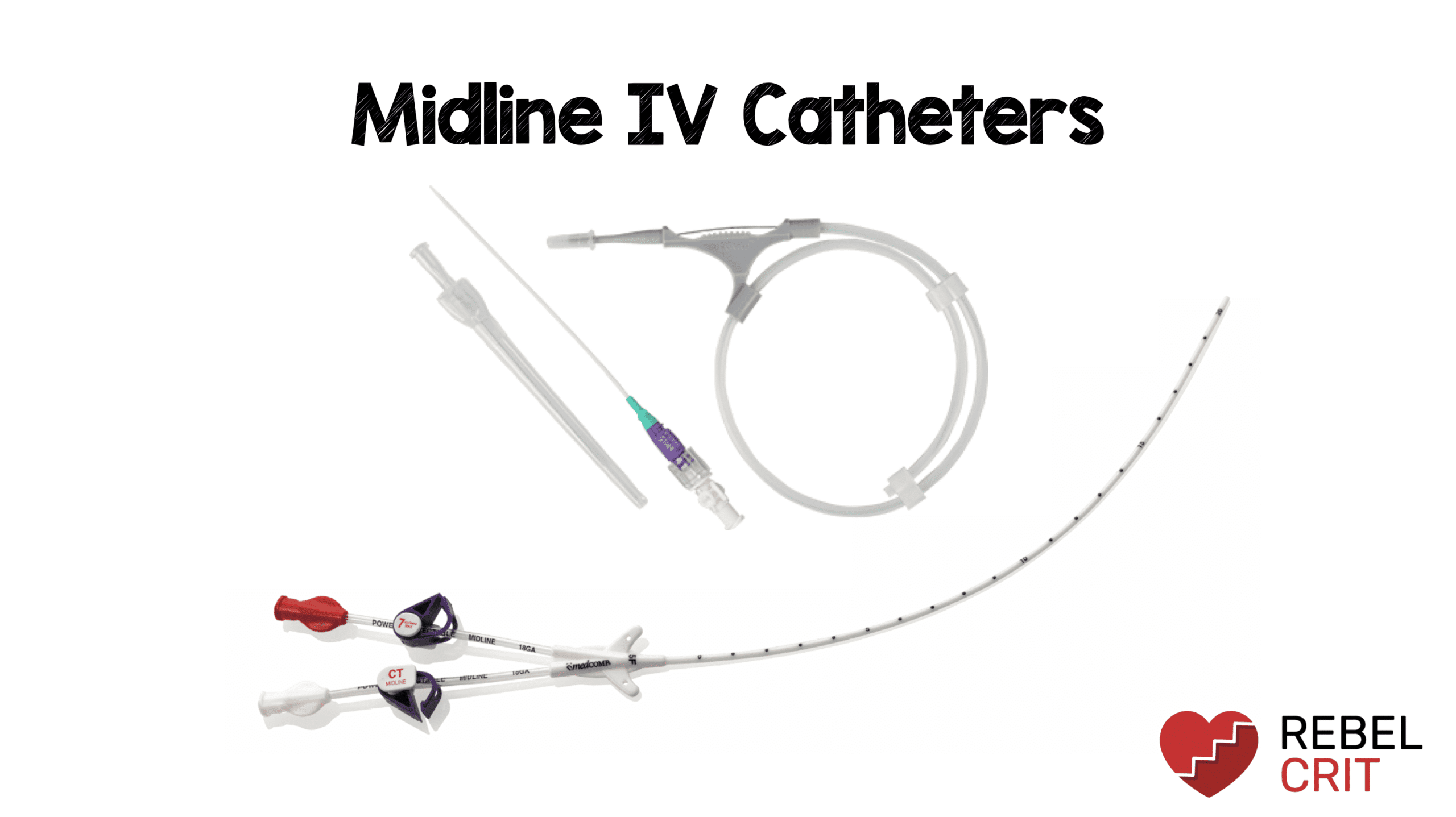
Ultimately, the technological design of midline IV lines is driven by the overarching goal of enhancing patient care. By providing a stable, reliable, and lower-risk venous access option, midlines contribute to improved treatment adherence, reduced pain and anxiety from repeated venipunctures, and a decrease in the incidence of more severe complications associated with central lines. This innovation allows healthcare providers to deliver therapies efficiently and safely, leading to better clinical outcomes and a more positive patient experience. The focus on patient comfort, reduced infection risk, and prolonged dwell times exemplifies how engineering principles can directly translate into tangible benefits for those receiving care.
Deployment and Maintenance: A Technological Perspective
The effective deployment and ongoing maintenance of midline IV lines rely heavily on specialized technologies and protocols. From advanced imaging during insertion to sophisticated monitoring systems, technology plays a crucial role in ensuring the safe and effective functioning of these devices throughout their lifespan.
Advanced Imaging for Placement Accuracy
As mentioned, ultrasound technology is a cornerstone of modern midline IV line insertion. High-resolution ultrasound transducers allow clinicians to visualize superficial and deep veins, identify optimal insertion sites, assess vein patency, and guide the catheter in real-time. This precision is a significant technological leap from blind insertions, which carried higher risks of complications and lower success rates. Beyond simple visualization, some advanced ultrasound systems offer features like color Doppler to assess blood flow, ensuring appropriate vein selection and confirming catheter placement. This technology transforms a potentially complex procedure into a more controlled and predictable one, minimizing patient discomfort and reducing the likelihood of complications arising from misplaced catheters.
Monitoring Systems and Alarms
Once a midline IV line is in place, technology continues to play a role in its management. While direct sensor integration is a future concept, current monitoring systems focus on the infusion process itself. Smart infusion pumps are programmable devices that deliver fluids and medications at precise rates, often with built-in dose error reduction systems (DERS) that alert clinicians to potential medication errors based on pre-set parameters. These pumps can also monitor infusion pressure, detecting occlusions or kinks in the line and triggering alarms.
Furthermore, many hospitals utilize electronic documentation systems that track the insertion date, type of catheter, and any complications. This digital data aggregation allows for trend analysis and quality improvement initiatives, helping institutions refine their protocols for midline IV line management and identify areas for technological or procedural enhancement.
Challenges and Future Innovations in Device Longevity
Despite their advantages, midline IV lines still face technological challenges, primarily related to longevity and prevention of complications. Catheter occlusions (often due to fibrin sheath formation or thrombus) and phlebitis remain common issues. Future innovations are exploring surface modifications of catheter materials, such as antimicrobial coatings or heparin-bonded surfaces, to reduce the incidence of infection and thrombosis. Drug-eluting catheters, which slowly release anti-thrombotic agents, are also an area of active research.
Another area of innovation involves smart flushing technologies. Automated or semi-automated flushing systems could ensure consistent and appropriate flushing protocols, a critical factor in maintaining catheter patency. Miniaturization of imaging tools, perhaps integrating micro-cameras or optical sensors directly into the catheter tip, could also provide real-time visual confirmation of internal lumen conditions, preventing complications before they escalate. These ongoing technological pursuits underscore the continuous effort to refine and perfect vascular access devices for optimal patient care.
Impact and Future Trends in Midline IV Line Technology
The midline IV line, as a product of advanced medical technology, has already had a significant impact on healthcare delivery. Its continued evolution promises even greater benefits, driven by trends in automation, artificial intelligence, and personalized medicine.
Reducing Complications Through Technological Advancement
The primary impact of midline IV lines has been the reduction in serious complications associated with central lines while offering a more stable alternative to peripheral IVs. By avoiding central venous access, midlines significantly lower the risk of CLABSIs, which are a major cause of morbidity and mortality in hospitalized patients and represent a substantial economic burden on healthcare systems. The use of ultrasound guidance for insertion has also dramatically reduced mechanical complications like arterial punctures and nerve injuries. Continued technological refinements in materials, design, and insertion techniques are aimed at further driving down rates of all complications, making IV therapy safer and more reliable.
The Role of AI and Robotics in IV Management
Looking ahead, artificial intelligence (AI) and robotics are poised to revolutionize IV management. AI algorithms could analyze vast datasets of patient characteristics, treatment plans, and past IV outcomes to predict the most suitable vascular access device for an individual patient, including whether a midline is the optimal choice. AI could also assist in real-time monitoring, identifying subtle patterns in sensor data that indicate impending complications, alerting clinicians even before alarms are triggered by traditional systems.
Robotics could play a role in automating elements of the insertion process. Robotic systems, guided by AI and advanced imaging, could potentially perform highly precise insertions, minimizing human error and standardizing the procedure across different practitioners. While fully autonomous IV insertion is still some way off, robotic assistance could enhance consistency and safety, particularly in challenging cases.

Personalization and Miniaturization of Access Devices
The future of midline IV line technology also points towards greater personalization. This could involve catheters tailored to individual patient anatomies, perhaps through 3D printing technologies that allow for customized lengths, diameters, and tip configurations. Personalized materials, based on a patient’s allergy profile or risk factors for thrombosis, could also become a reality.
Miniaturization is another key trend. As medical technology advances, devices tend to become smaller and less invasive. Future midline IV lines could be even finer, more flexible, and potentially integrated with micro-sensor arrays or drug delivery micro-pumps, allowing for highly localized and controlled therapy delivery. These trends reflect a broader move in healthcare technology towards more patient-centric, minimally invasive, and highly intelligent medical devices, with the midline IV line continuing to evolve as a vital component in this transformation.
aViewFromTheCave is a participant in the Amazon Services LLC Associates Program, an affiliate advertising program designed to provide a means for sites to earn advertising fees by advertising and linking to Amazon.com. Amazon, the Amazon logo, AmazonSupply, and the AmazonSupply logo are trademarks of Amazon.com, Inc. or its affiliates. As an Amazon Associate we earn affiliate commissions from qualifying purchases.