
In the highly competitive landscape of consumer goods, particularly within apparel and home textiles, brands constantly seek avenues to differentiate themselves, convey quality, and build lasting consumer trust. While marketing narratives and design aesthetics play crucial roles, the inherent quality of the materials used often forms the bedrock of a brand’s reputation. Among these materials, mercerized cotton stands out as a prime example of a textile treatment that, when leveraged strategically, can significantly elevate a brand’s perceived value and product offering. More than just a fabric, mercerized cotton represents a commitment to excellence that discerning brands skillfully weave into their corporate identity, marketing, and overall brand strategy.
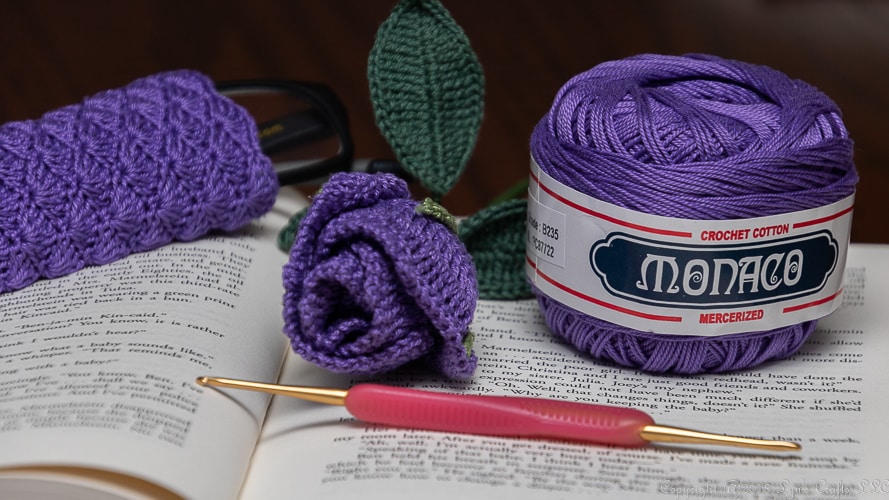
At its heart, mercerized cotton is a type of cotton fabric or yarn that has undergone a specialized process to enhance its physical properties. This transformation is not merely technical; it’s a strategic choice for brands aiming to signify superior quality, durability, and aesthetic appeal. Understanding what mercerized cotton is – and, more importantly, what it means for a brand – is key to appreciating its enduring relevance in a market saturated with options. This article delves into the essence of mercerized cotton, exploring how its unique characteristics translate into powerful brand advantages and how brands effectively integrate this material into their identity to resonate with a quality-conscious consumer base.
The Core of Quality: Understanding Mercerization for Brand Advantage
For brands that pride themselves on quality, understanding the materials that form their products is paramount. Mercerized cotton is not a different species of cotton; rather, it’s conventional cotton that has been treated to unlock a superior set of characteristics. This process, named after its inventor John Mercer in 1844, involves immersing cotton fibers in a caustic soda (sodium hydroxide) solution, typically under tension, followed by neutralization. While the chemical details might seem purely scientific, their implications for brand quality and consumer perception are profound.
A Legacy of Textile Innovation Shaping Brand Perception
The mercerization process, initially discovered by accident, quickly became a cornerstone of textile innovation. For brands, this historical context provides an inherent narrative of sophisticated manufacturing and a commitment to refining natural materials. When a brand advertises “100% mercerized cotton,” it tacitly communicates a dedication to utilizing advanced, proven textile treatments to deliver a superior product. This isn’t just about technical specifications; it’s about signaling a brand’s heritage of quality and its pursuit of perfection in craftsmanship. It implies that the brand goes the extra mile, investing in processes that yield a distinctly better outcome, thereby establishing a benchmark for product excellence within its category.
Distinguishing Characteristics for Brand Differentiation
The tangible benefits of mercerization are what truly empower brands to stand apart. These enhanced properties become powerful talking points in marketing and manifest as undeniable attributes in the finished product:
- Enhanced Luster and Sheen: Perhaps the most immediately noticeable characteristic of mercerized cotton is its increased luster. The treatment causes the cotton fibers to swell, straightening out their natural twists and creating a smoother, more reflective surface. For brands, this translates into a product that looks more luxurious, silkier, and visually appealing. This natural sheen, without the need for synthetic additives, lends an air of sophistication that can elevate the perceived value of everything from high-thread-count bed linens to premium polo shirts. It allows brands to convey elegance and a refined aesthetic without compromising on the comfort and breathability inherent to cotton.
- Increased Strength and Durability: Mercerization significantly improves the tensile strength of cotton fibers. The structural changes make the fabric more resilient to tearing and abrasion, resulting in products that last longer and withstand repeated washing and wear. For brands, durability is a cornerstone of trust and value. Marketing products made with mercerized cotton allows them to promise longevity, reducing the need for frequent replacements and aligning with consumer desires for sustainable and worthwhile purchases. This increased lifespan contributes directly to customer satisfaction and reinforces a brand’s reputation for enduring quality.
- Improved Dye Uptake and Color Vibrancy: The process also makes cotton fibers more receptive to dyes, leading to deeper, more vivid, and longer-lasting colors. Colors appear richer and do not fade as quickly over time. This is a significant advantage for brands whose identity relies on a specific color palette or who wish to offer products in a broad spectrum of vibrant hues. It allows for greater creative freedom in design and ensures that the product maintains its intended aesthetic appeal throughout its lifecycle, further strengthening the brand’s visual integrity and appeal.
- Reduced Shrinkage: Mercerization helps stabilize the cotton fibers, reducing their propensity to shrink when washed. For consumers, this means garments maintain their size and shape, and home textiles fit as intended over time. For brands, it’s a critical quality control point, minimizing customer complaints related to fit and ensuring a consistent product experience that builds confidence and loyalty.
These characteristics collectively enable brands to position their products distinctly within the market, moving beyond generic “cotton” offerings to a narrative of superior material science and refined production.
Mercerized Cotton as a Brand Strategy Cornerstone
Beyond its technical attributes, mercerized cotton serves as a powerful strategic tool for brands. It’s not just an ingredient; it’s an integral part of how a brand communicates its values, target audience, and overall market positioning.
Elevating Product Perception and Luxury Appeal
In the world of branding, perception is often reality. By utilizing mercerized cotton, brands can instantly elevate the perceived quality and luxury status of their products. The inherent luster and smooth hand-feel of the fabric mimic more expensive materials like silk, yet retain the comfort and breathability of cotton. This allows brands to craft product lines that feel premium without necessarily entering the ultra-luxury price segment, making sophisticated aesthetics accessible. Apparel brands can position their T-shirts, knitwear, and dress shirts as refined wardrobe staples, while home textile brands can market their sheets and towels as indulgence and everyday luxury. This strategic material choice helps brands justify a higher price point by offering tangible improvements in feel, look, and durability that consumers are willing to pay for.
Communicating Durability and Investment Value
In an era of fast fashion and disposable goods, consumers are increasingly seeking products that offer longevity and represent a worthwhile investment. Mercerized cotton, with its enhanced strength and colorfastness, perfectly aligns with this consumer sentiment. Brands can craft compelling marketing messages centered around the “investment piece” narrative, emphasizing how their products are designed to last, resisting wear and maintaining their aesthetic appeal over time. This not only resonates with environmentally conscious consumers looking to reduce waste but also appeals to budget-conscious buyers who understand the long-term savings of purchasing durable goods. A brand committed to mercerized cotton signals a pledge against planned obsolescence, fostering a sense of reliability and trust that is invaluable for customer loyalty.
Sustainability and Ethical Sourcing Narratives
While the mercerization process itself is a chemical treatment, brands can integrate it into a broader sustainability narrative by focusing on the underlying cotton’s origin and the extended lifecycle of the finished product. Brands can highlight their commitment to ethically sourced cotton, organic certifications, or fair trade practices, and then showcase how mercerization further enhances the longevity and intrinsic value of these responsibly produced fibers. By offering products that last longer, brands implicitly contribute to reduced consumption and waste. This allows them to tell a story that blends material innovation with responsible practices, appealing to a growing segment of consumers who prioritize both quality and ethics in their purchasing decisions. For brands building a conscious identity, mercerized cotton can be a piece of a larger puzzle demonstrating a holistic approach to responsible business.
Design and Marketing: Integrating Mercerized Cotton into Brand Identity

The tactical application of mercerized cotton extends directly into product design and marketing communications, becoming a tangible element of a brand’s identity and its dialogue with consumers.
Visual Appeal and Aesthetic Branding
The distinctive visual properties of mercerized cotton—its sheen, smooth drape, and vibrant color retention—are invaluable to designers. These attributes allow brands to create products that possess an inherent elegance and visual richness. For fashion brands, mercerized cotton ensures that garments hang beautifully, resist pilling, and maintain a sharp appearance, which is crucial for collections aiming for a sophisticated aesthetic. In home goods, the material helps craft luxurious textures and deep, consistent hues for bedding, towels, and upholstery that directly contribute to the brand’s interior design vision. This material allows designers to push boundaries in color and texture, confident that the finished product will reflect the brand’s aesthetic standards accurately and lastingly.
Crafting Compelling Product Stories
“What is a mercerized cotton?” becomes the starting point for a rich product story. Brands can move beyond mere descriptions to elaborate on the craftsmanship, the innovation, and the superior experience offered by their products. Marketing copy, website content, and in-store displays can educate consumers about the benefits of mercerized cotton, explaining how it contributes to the garment’s comfort, the towel’s absorbency, or the sheet’s luxurious feel. This educational approach not only informs but also engages consumers, inviting them into the brand’s world of quality and expertise. Testimonials highlighting product durability and lasting vibrancy further reinforce these narratives, building a persuasive case for choosing mercerized cotton goods.
Targeting Discerning Consumers
Brands using mercerized cotton often target a specific demographic: the discerning consumer who values quality over quantity, understands the difference that superior materials make, and is willing to invest in products that offer a better experience and longer lifespan. By explicitly mentioning mercerized cotton, brands immediately signal their appeal to this segment, establishing a connection based on shared values of quality, durability, and refined taste. This clear targeting allows for more focused marketing efforts, tailoring messaging to resonate deeply with consumers who prioritize longevity, aesthetic appeal, and tangible value in their purchases. It helps brands cultivate a loyal customer base that appreciates the thoughtful material choices and the superior performance they deliver.
Case Studies and Market Impact
While specific brand case studies would require external data, we can observe the general market impact and sectors where mercerized cotton plays a significant role in brand positioning.
Premium Apparel and Home Goods Brands
Across the globe, numerous premium apparel brands utilize mercerized cotton for their core offerings. High-end shirtmakers, for example, frequently specify mercerized cotton for their dress shirts, knowing the material’s luster, crispness, and resistance to creasing align with the demands of professional and formal wear. Similarly, brands specializing in luxurious activewear or knitwear often choose mercerized cotton for its enhanced comfort, durability, and ability to hold vibrant colors through intense use and washing cycles. In the home goods sector, brands known for their luxurious bedding and bath linens prominently feature mercerized cotton, emphasizing its smooth feel, strength, and vibrant dyes as key differentiators against standard cotton products. These brands understand that the term “mercerized” serves as a shorthand for superior quality and a commitment to customer satisfaction.
The Consumer’s Perspective: Trust and Loyalty
For the consumer, encountering “mercerized cotton” in product descriptions often signals a step up in quality. Over time, consumers learn to associate this term with products that feel better, look better, and last longer. This positive experience directly translates into increased trust in the brand and fosters loyalty. When a customer repeatedly finds that a brand’s mercerized cotton products meet or exceed their expectations for comfort, durability, and aesthetic retention, they are more likely to return for future purchases and recommend the brand to others. This organic word-of-mouth marketing, driven by genuine product satisfaction, is arguably the most powerful form of brand building.
The Future of Branded Textiles: Innovation and Mercerized Cotton
As markets evolve and consumer expectations shift, the role of materials like mercerized cotton continues to be vital for brands striving for relevance and leadership.
Evolving Consumer Expectations
Today’s consumers are more informed and demanding than ever before. They seek transparency, sustainability, and genuine value in their purchases. Brands that can clearly articulate the benefits of their materials, like mercerized cotton, and connect those benefits to consumer values, will thrive. The demand for products that are both high-quality and long-lasting is a perfect fit for the attributes of mercerized cotton, positioning it as a material of choice for forward-thinking brands.

Staying Ahead: The Role of Material Science in Branding
In a world increasingly focused on innovation, material science is not just for R&D labs; it’s a critical component of brand strategy. Brands that invest in understanding and utilizing advanced textile treatments like mercerization demonstrate a commitment to pushing boundaries and delivering superior products. As new technologies emerge, they will likely complement or refine existing processes, and brands that stay attuned to these developments will continue to differentiate themselves. Mercerized cotton, a testament to enduring textile innovation, underscores that sometimes the best way to innovate is to perfect what already works, framing it within a modern brand narrative that resonates deeply with discerning consumers.
In conclusion, “what is a mercerized cotton” is a question that, for brands, transcends a simple material definition. It is about embracing a process that transforms good cotton into great cotton, providing a foundation for superior product design, compelling marketing narratives, and a strong, trusted brand identity. By strategically leveraging the luster, strength, and color vibrancy of mercerized cotton, brands can not only meet but exceed consumer expectations, crafting products that stand the test of time and build lasting loyalty.
aViewFromTheCave is a participant in the Amazon Services LLC Associates Program, an affiliate advertising program designed to provide a means for sites to earn advertising fees by advertising and linking to Amazon.com. Amazon, the Amazon logo, AmazonSupply, and the AmazonSupply logo are trademarks of Amazon.com, Inc. or its affiliates. As an Amazon Associate we earn affiliate commissions from qualifying purchases.