
In the vast landscape of numismatics and collectible art, certain items defy conventional categorization, blending historical significance with artistic ingenuity to forge a unique investment niche. Among these captivating curiosities, the “hobo nickel” stands out as a testament to human creativity and economic resourcefulness. Far more than mere defaced currency, these hand-engraved coins represent a fascinating intersection of folk art, personal expression, and an often-overlooked segment of the alternative assets market. For the discerning investor, art collector, or simply the financially curious, understanding the hobo nickel reveals layers of value — not just artistic, but historical, cultural, and profoundly monetary. This article delves into what constitutes a hobo nickel, exploring its journey from a humble coin to a coveted collectible asset, and analyzing its place within the broader financial and investment landscape.

Beyond Currency: The Hobo Nickel as a Collectible Asset
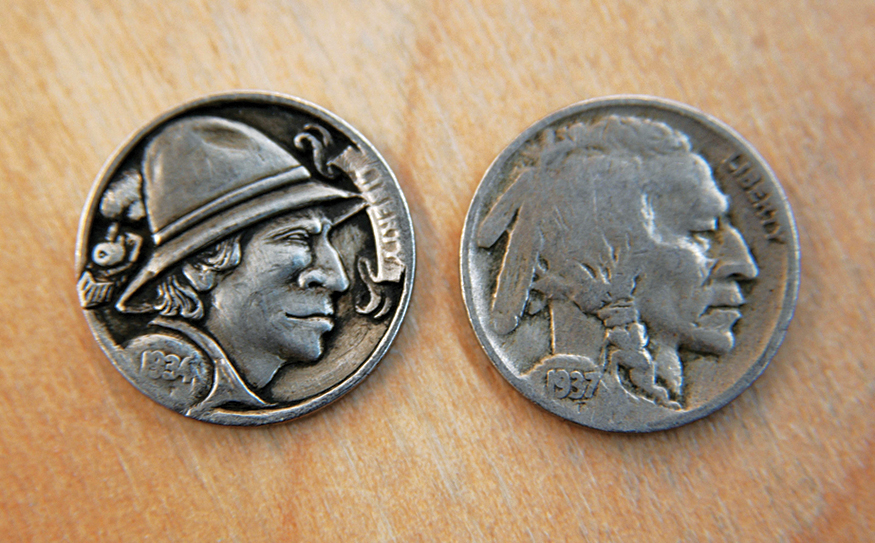
At its core, a hobo nickel is a sculptural art form created by modifying a coin, most commonly the U.S. Buffalo nickel (or Indian Head nickel) issued from 1913 to 1938. The original design, featuring a Native American profile on the obverse and a buffalo on the reverse, provided a rich canvas for artists to transform the existing imagery into entirely new scenes, portraits, or caricatures. What began as a pastime or a means of trade among itinerant workers during the Great Depression and earlier eras has evolved into a recognized art form, commanding significant prices in today’s collector markets. From a financial perspective, the hobo nickel exemplifies how an object’s intrinsic material value can be dramatically augmented by the application of skill, creativity, and historical context, transforming it from legal tender into a valuable, non-traditional asset.
The Humble Origins of a Unique Art Form
The term “hobo nickel” itself points to the origins of this unique craft. During the late 19th and early 20th centuries, “hobos” — itinerant workers and travelers who rode the rails seeking work — often possessed artistic talents. With few resources and ample time, they would use simple tools like nails, files, and chisels to meticulously carve designs onto the soft metal of circulating coinage. The Buffalo nickel, with its relatively large size, soft metal composition (75% copper, 25% nickel), and prominent relief, proved to be an ideal medium. These early carvings often depicted caricatures of people, animals, or elaborate designs, reflecting the carver’s experiences, humor, or political commentary. Initially, these altered coins were not seen as high art but rather as tokens for bartering for food or services, small gifts, or simply a way to pass the time. Their economic utility was transformed from direct purchasing power to a more abstract value based on the labor and artistry embedded within them.
Repurposing Value: From Spendable Coin to Sought-After Treasure
The transformation of a standard five-cent piece into a hobo nickel is a profound act of repurposing value. A brand new Buffalo nickel had a fixed monetary value. Once carved, its value as circulating currency diminished to zero in the eyes of the government, yet its potential as a collectible item began. This shift is crucial for understanding its financial allure. The artistry involved adds a layer of intellectual and aesthetic capital. A skilled carver could transform a five-cent coin into something worth hundreds or even thousands of dollars today. This dramatic appreciation is not tied to inflation or the price of nickel, but rather to the intangible qualities of artistic expression, historical narrative, and scarcity. For investors and collectors, this represents an opportunity to acquire assets whose value is detached from traditional market forces, driven instead by collector demand, artistic merit, and the provenance of the piece. The hobo nickel market demonstrates how an item’s economic standing can be completely recontextualized by human intervention and cultural appreciation.
The Art and Economics of Transformation: Valuing a Hobo Nickel
Understanding the financial value of a hobo nickel requires a nuanced appreciation for both the artistic skill involved and the specific market dynamics that govern these unique collectibles. Unlike mass-produced items, each hobo nickel is a singular creation, meaning its valuation is often subjective, influenced by a blend of objective criteria and collector preference. For those considering these pieces as an investment or contemplating their sale, dissecting the factors that drive their market price is paramount.
Factors Driving Financial Value: Artistry, Rarity, and Condition
Several key attributes converge to determine the financial worth of a hobo nickel. Artistry is arguably the most significant. The quality of the carving—its detail, depth, imagination, and overall aesthetic appeal—plays a massive role. Coins carved by highly skilled artists, especially those with a distinctive style or intricate designs, will naturally command higher prices. The precision of the lines, the smoothness of the fields, and the creativity in transforming the original coin’s features are all scrutinized. Rarity is another critical factor. This can refer to the scarcity of pieces by a particular renowned carver (known as “hobos”) or coins depicting unusual or unique subject matter. Early hobo nickels from the golden age of carving (roughly 1913-1930s) are generally more sought after due to their historical significance and the relative scarcity of surviving examples. Lastly, condition is vital, much like with any other collectible. A hobo nickel free from excessive wear, scratches, corrosion, or further damage since its original carving will be more valuable. The integrity of the carving itself must be well-preserved, without any areas rubbed smooth or details lost over time.
The Provenance Premium: Historical Significance and Carvers’ Legacy
Beyond the physical attributes, the “provenance premium” significantly impacts a hobo nickel’s value. Provenance refers to the history of ownership and the origin of the piece. A hobo nickel with a documented history, especially if it can be attributed to a specific, historically important carver, will fetch a premium. Legends like George Washington “Bo” Hughes (considered the master carver), Bert Wicke, or Frank Brazzell are revered in the hobo nickel community. Pieces attributed to these known “Old Masters” are exceedingly rare and highly prized, essentially being numismatic antiques. This historical significance connects the physical object to a human story, often one of struggle, resilience, and ingenuity during challenging economic times. Investors are not just buying a piece of metal; they are acquiring a tangible link to a specific period of American history and the creative output of individuals who, despite their transient lives, left an enduring artistic legacy. This narrative depth adds an invaluable layer to the asset, making it more than just a piece of art but a historical artifact, further bolstering its financial appeal.
Investing in Miniature Masterpieces: Hobo Nickels as an Alternative Asset
In an increasingly diversified investment landscape, alternative assets have gained prominence as investors seek to hedge against market volatility, capitalize on unique growth opportunities, and explore passions beyond traditional stocks and bonds. Hobo nickels, with their blend of art, history, and finite supply, fit squarely into this category, offering a distinctive avenue for portfolio diversification and potential capital appreciation.
Diversifying Your Portfolio with Numismatic Art
For sophisticated investors, hobo nickels represent a compelling option for diversifying a portfolio. Unlike equities, bonds, or real estate, their value is not directly tied to corporate earnings, interest rates, or housing market trends. Instead, it is driven by collector demand, historical importance, and artistic merit – factors that often operate independently of broader economic cycles. As finite, hand-crafted objects, they offer a tangible asset that can appreciate in value, providing a potential hedge against inflation and a store of wealth during periods of economic uncertainty. Investing in numismatic art requires specialized knowledge, but for those willing to do their research or work with reputable experts, hobo nickels can offer a high-return potential, especially for rare and high-quality examples. They appeal to both art collectors and numismatists, broadening their potential market and reinforcing their position as a unique alternative asset.
Market Trends and Growth Potential
The market for hobo nickels has seen consistent growth over recent decades, moving from a niche hobby to a recognized segment of the collectibles market. This growth is fueled by several factors: increasing awareness through online platforms, a growing appreciation for folk art, and the dedicated efforts of organizations like the Original Hobo Nickel Society (OHNS) that promote the art form and educate collectors. While not as liquid as publicly traded stocks, the market benefits from a passionate collector base and a steady supply of new “modern hobo nickels” being created by contemporary carvers, which helps maintain interest and attract new participants. The value of premier “Old Master” carvings has steadily climbed, with some pieces selling for tens of thousands of dollars, demonstrating robust demand at the high end. For newer collectors, there are also more affordable entry points, allowing for gradual accumulation and learning. Like any investment, thorough due diligence and an understanding of market cycles are crucial. However, the unique cultural narrative and artistic appeal suggest a resilient and potentially appreciating market for these miniature masterpieces.
From Pastime to Profit: The Side Hustle of Hobo Nickel Carving
While many hobo nickels are historical artifacts, the art form is far from dead. A vibrant community of modern carvers continues the tradition, transforming ordinary coins into extraordinary works of art. For these contemporary artists, hobo nickel carving can be more than a hobby; it represents a viable side hustle or even a full-time profession, demonstrating another facet of the art form’s economic impact.
The Craft as a Source of Income
For modern hobo nickel artists, the intricate craft of carving can be a significant source of income. Utilizing specialized tools—ranging from sophisticated micro-motors with tiny engraving bits to traditional hand tools—these artisans meticulously transform coins, typically modern Buffalo nickels (which have no numismatic value in their uncarved state beyond face value), or sometimes even larger coins like quarters or half-dollars. The time invested in a single piece can range from a few hours for simpler designs to dozens of hours for highly detailed, multi-faceted carvings. These contemporary pieces cater to a growing market of collectors who appreciate modern artistry and are often more accessible than historical “Old Master” pieces. The internet, particularly social media platforms and specialized online marketplaces, has opened up global markets for these carvers, allowing them to connect directly with buyers and build their personal brand within the carving community.
Pricing Your Art: Strategies for Emerging Carvers
For emerging hobo nickel carvers looking to turn their passion into profit, effective pricing strategies are crucial. Factors to consider include the complexity and time invested in the carving, the carver’s skill level and reputation, the materials used (e.g., the base coin), and current market demand. Initially, new carvers might price their work conservatively to build a client base and gather testimonials. As their skill improves and their reputation grows, they can gradually increase their prices. Establishing a recognizable style, participating in carving challenges, and engaging with the collector community are all ways to build recognition and justify higher price points. Offering different tiers of carvings—from more affordable, simpler designs to elaborate, high-end custom pieces—can also help diversify income streams and cater to a wider range of collectors. Ultimately, understanding the market, valuing one’s own time and skill, and building a strong artistic portfolio are essential for successful monetization of this unique craft.
Navigating the Hobo Nickel Market: Acquisition and Authentication
For collectors and investors keen on acquiring hobo nickels, understanding the marketplace and the critical importance of authentication is paramount. The market, while specialized, offers various avenues for purchase, but due diligence is key to safeguarding one’s investment.
Where to Buy and Sell: Platforms and Dealers
The hobo nickel market is accessible through several channels. Online auction sites like eBay are a popular starting point, offering a wide range of pieces from various carvers, both historical and modern. However, buyers must be cautious and vigilant against fakes. Specialized numismatic auction houses frequently feature hobo nickels, especially higher-value and historically significant pieces, often with detailed descriptions and provenance. Reputable coin dealers and art galleries that specialize in folk art or numismatic collectibles are another excellent resource, offering expertise, curated selections, and a higher degree of trust. Furthermore, the Original Hobo Nickel Society (OHNS) website and its community forums are invaluable for connecting with carvers, collectors, and experts, often leading to private sales or recommendations for reliable sources. For sellers, these same platforms provide avenues to reach interested buyers, though understanding market values and presentation for sale is important to maximize return.

Safeguarding Your Investment: Authentication and Grading
Given the existence of fakes and modern reproductions passed off as older pieces, authentication is perhaps the most critical aspect of investing in hobo nickels. For historical pieces, expert verification is essential. This often involves consulting recognized authorities, examining known examples by specific carvers, and looking for tell-tale signs of aging and carving techniques consistent with the period. The OHNS provides resources and often lists known “Old Master” carvers and their styles. For modern pieces, verifying the artist’s identity and provenance is usually simpler, often directly from the carver. Grading, while less formalized than for uncarved coins, also plays a role. Experts will assess the quality of the carving, the condition of the coin, and overall aesthetic appeal, which collectively impact the perceived value and marketability of the piece. Investing in hobo nickels requires patience, education, and often, the guidance of experienced collectors or professional authenticators to ensure the authenticity and long-term value of your unique financial acquisition.
aViewFromTheCave is a participant in the Amazon Services LLC Associates Program, an affiliate advertising program designed to provide a means for sites to earn advertising fees by advertising and linking to Amazon.com. Amazon, the Amazon logo, AmazonSupply, and the AmazonSupply logo are trademarks of Amazon.com, Inc. or its affiliates. As an Amazon Associate we earn affiliate commissions from qualifying purchases.