
In an age defined by technological advancement and personal empowerment, the selection of a concealed carry pistol has evolved beyond mere firepower. It is now a highly informed decision, akin to choosing a critical piece of personal tech – a sophisticated mechanical device engineered for reliability, performance, and ergonomic precision in the context of personal security. For those seeking an optimal personal defense system, understanding the intricate design, engineering, and user interface of these devices is paramount. This guide approaches the concealed carry pistol not just as a firearm, but as a crucial gadget, deserving of thorough technical evaluation and review.

The Engineering of Personal Security: Form Factor and Ergonomics
The primary technical challenge in designing an effective concealed carry pistol lies in balancing discreet portability with functional performance. This delicate equilibrium dictates much of the device’s utility and user experience, positioning it squarely within the realm of compact, high-performance gadgets.
Size and Weight: The Portability Paradox
The physical dimensions and mass of a concealed carry device are critical specifications. A larger, heavier system might offer superior recoil management and higher magazine capacity, leading to enhanced shootability and sustained performance. However, these benefits come at the cost of concealment and comfort. Conversely, ultra-compact and lightweight devices excel in discretion and ease of carry, making them ideal for scenarios where minimal bulk is essential. The trade-off often manifests in reduced sight radius, a shorter grip, and increased felt recoil, requiring more advanced user proficiency to manage effectively.
Modern engineering leverages advanced polymers and lightweight alloys to reduce the overall mass without compromising structural integrity or durability. The choice between a subcompact, compact, or even a smaller full-size device depends on the user’s body type, preferred carrying method, and daily activities, making this a highly personalized technical specification. Users often experiment with various “form factors” to find the optimal balance for their individual “user case.”
Grip Dynamics and User Interface
The ergonomic design of the pistol’s grip is arguably its most direct “user interface” component, profoundly impacting control, comfort, and safety. A well-designed grip allows for a high, firm hold, mitigating muzzle flip and ensuring consistent shot placement. Key design elements include:
- Texturing: Aggressive stippling or molded patterns enhance friction, ensuring a secure grip even with sweaty hands or under stress.
- Backstraps and Side Panels: Many modern devices offer interchangeable backstraps and grip panels, allowing users to customize the grip circumference and palm swell to their hand size. This modularity is a significant ergonomic innovation, tailoring the device to a wider range of users.
- Undercut Trigger Guard: A deeper undercut beneath the trigger guard permits a higher grip on the frame, positioning the hand closer to the bore axis, which is crucial for recoil control and rapid follow-up shots.
The trigger guard itself, the slide release, and the magazine release button are all interactive elements designed for intuitive and ambidextrous operation. The placement and tactile feedback of these controls are technical considerations that directly impact the device’s usability under duress.
Performance Metrics and System Reliability
Just as with any advanced piece of technology, a concealed carry pistol’s value is intrinsically linked to its performance metrics and its unwavering reliability under diverse operational conditions. These are the core engineering tenets that define a “good” device in this category.
Caliber Selection: Power vs. Control
The choice of ammunition caliber represents a fundamental performance parameter, dictating both the device’s terminal ballistics and its user-manageability. Common calibers for concealed carry include .380 ACP, 9mm Luger, .40 S&W, and .45 ACP.
- 9mm Luger: Has become the dominant choice, offering an excellent balance of manageable recoil, good magazine capacity, and effective terminal performance with modern projectile designs. Its widespread availability and affordability also make it a practical option for consistent training.
- .380 ACP: Often found in the smallest, lightest devices, providing easier concealment but with less kinetic energy and generally lighter recoil.
- .40 S&W and .45 ACP: Offer greater “stopping power” but come with increased recoil and often reduced magazine capacity, making them more challenging for some users to master and carry discreetly.
The selection should align with the user’s ability to control the device accurately and efficiently during rapid firing sequences, emphasizing the importance of matching “power output” to “system control capability.”
Trigger Mechanics and Firing System Design
The trigger system is the primary interface between the user’s intent and the device’s mechanical function. Its characteristics are paramount to accuracy and speed. Key trigger types include:
- Striker-Fired Systems: Prevalent in many modern designs, these offer a consistent trigger pull weight and reset for every shot. The absence of an external hammer simplifies the design and reduces snag points for concealed carry.
- Single-Action/Double-Action (SA/DA) Systems: Provide a heavier, longer first pull (DA) followed by lighter, shorter subsequent pulls (SA). This can offer an additional layer of perceived safety for the first shot but requires mastery of two distinct trigger phases.
- Double-Action Only (DAO) Systems: Offer a consistent but generally heavy trigger pull for every shot, prioritizing simplicity and safety.
A “good” trigger is characterized by a smooth take-up, a crisp break, and a short, tactile reset. These attributes allow for faster and more accurate follow-up shots, critical for effective self-defense. Advanced trigger designs utilize optimized leverage ratios and precision-machined components to achieve these performance benchmarks.
Material Science and Durability
The longevity and resilience of a concealed carry pistol are directly attributable to the materials and manufacturing processes employed. Frames are commonly constructed from high-strength polymers (e.g., Glock, Springfield Armory, Smith & Wesson M&P series) or aerospace-grade aluminum alloys (e.g., Sig Sauer, CZ), offering an optimal strength-to-weight ratio. Slides and barrels are typically machined from robust stainless steel or carbon steel, often treated with advanced surface coatings like Tenifer, Nitride, or Cerakote. These coatings enhance corrosion resistance, reduce friction, and improve wear properties, extending the operational lifespan of critical components. The meticulous selection and treatment of materials ensure that the device can withstand the rigors of daily carry, environmental exposure, and consistent training, maintaining its functionality and reliability as a high-performance personal security tool.
Advanced Safety Features and Digital Integration (Conceptual)
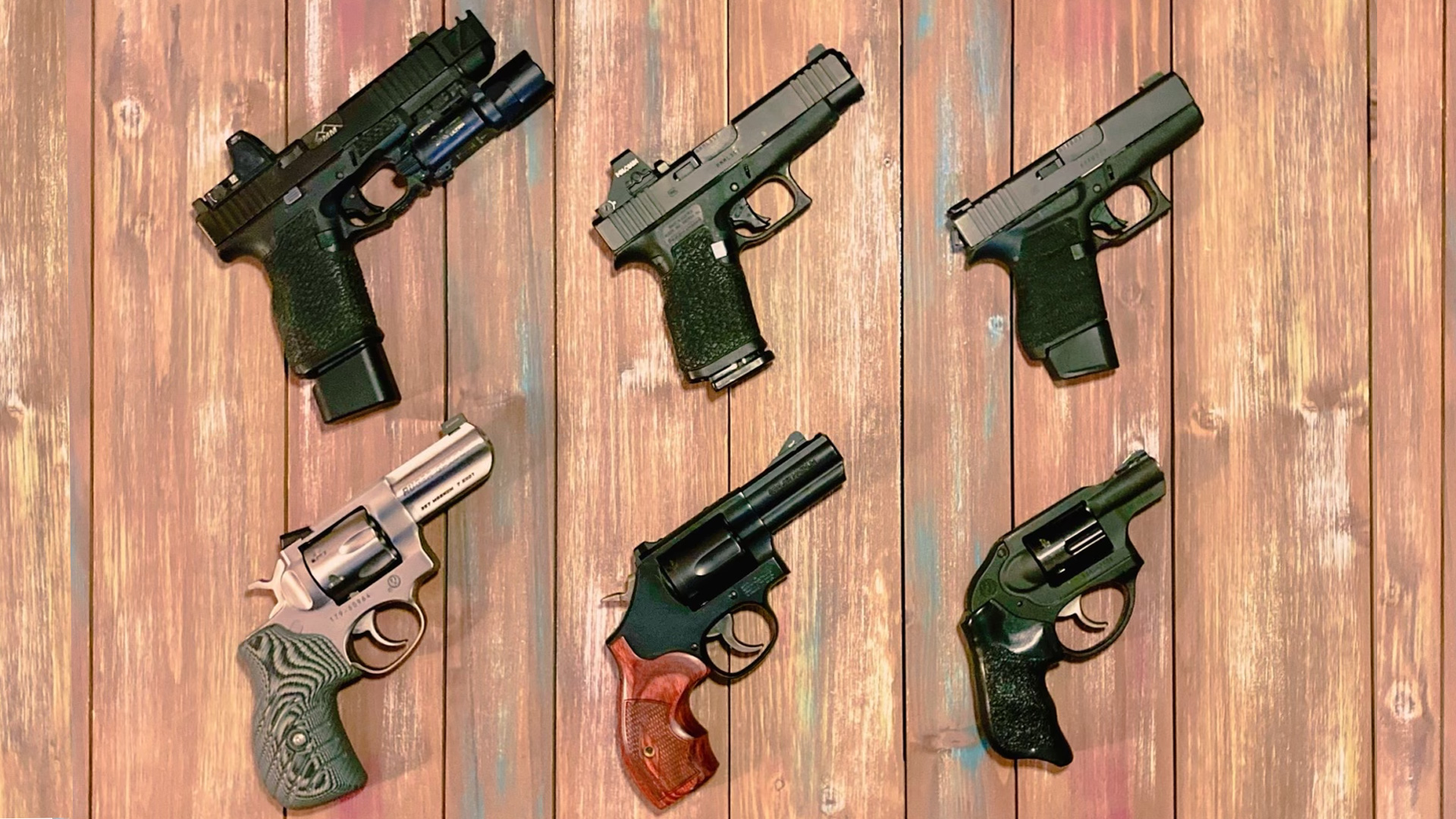
While traditional firearm safety has primarily relied on mechanical engineering, the convergence with modern technology is beginning to introduce novel approaches, placing concealed carry devices on the cusp of digital integration.
Mechanical Safety Systems: Design for Secure Operation
Current concealed carry pistols incorporate a range of mechanical safety features designed to prevent unintentional discharge and ensure secure handling. These are integral to the device’s technical specifications:
- Internal Firing Pin Blocks: Prevent the firing pin from moving forward unless the trigger is fully depressed, mitigating discharge from drops.
- Trigger Safeties: A small lever integrated into the trigger shoe must be depressed along with the main trigger to initiate the firing sequence.
- Manual External Safeties: Levers that physically block the firing mechanism, requiring deliberate disengagement by the user. While some prefer these for an added layer of control, others find they add complexity under stress.
- Loaded Chamber Indicators: Visual or tactile indicators that alert the user to the presence of a round in the chamber.
- Magazine Disconnect Safeties: Prevent the pistol from firing if the magazine is removed.
These systems reflect sophisticated mechanical engineering, designed to offer layered protection without impeding the device’s rapid deployment in an emergency.
Exploring Future Tech: Smart Firearm Concepts and Biometrics
The concept of “smart firearms” represents a nascent but potentially transformative area within personal defense technology. While not widely adopted in currently available concealed carry pistols, these technologies aim to integrate digital security features.
- Biometric Authentication: Systems that would only allow the authorized user to fire the device, often through fingerprint recognition or grip pressure sensors. This could prevent unauthorized use, accidental discharge by children, or use by an assailant if the device is wrestled away.
- RFID/NFC Proximity-Based Activation: A personal tag or ring could wirelessly enable the firearm only when in close proximity to the authorized user.
- Integrated Tracking and Diagnostics: Future devices might incorporate GPS tracking for recovery if stolen, or internal sensors to monitor component wear and performance metrics.
While these innovations hold immense promise for enhancing safety and accountability, their current implementation faces challenges related to reliability, battery life, cost, and the critical need for instantaneous, flawless operation in a life-or-death situation. However, the ongoing research and development signify an exciting future where concealed carry devices could incorporate advanced digital security protocols.
The Ecosystem of Concealed Carry: Peripherals and Customization
A concealed carry pistol is rarely a standalone device. It operates within an ecosystem of essential peripherals and customization options, all designed to optimize its function and integration into the user’s daily life, much like accessories enhance any high-tech gadget.
Holster Technology: Secure and Accessible Carrying Solutions
The holster is a critical component of the concealed carry system, acting as the primary interface between the user and the device during carry and deployment. Modern holster technology focuses on security, retention, comfort, and rapid access.
- Materials: Kydex, a thermoplastic, is popular for its rigid structure, precise molding, and durability. Leather offers comfort and a classic aesthetic. Hybrid designs combine both for optimal properties.
- Retention Mechanisms: Passive retention relies on friction and precise molding. Active retention involves mechanical locking mechanisms (e.g., thumb breaks, push-button releases) that require deliberate disengagement.
- Carry Positions: Holsters are engineered for various carry positions (inside-the-waistband (IWB), outside-the-waistband (OWB), appendix carry (AIWB), shoulder, ankle), each impacting concealment, comfort, and draw speed.
- Adjustability: Many holsters offer adjustable cant (angle), ride height, and retention pressure, allowing users to fine-tune the device’s presentation and comfort.
The selection of a holster is a highly technical decision, demanding compatibility with the pistol’s form factor and the user’s biomechanics and lifestyle. It is, in essence, the “carrying case” and “quick-access mount” for this specialized gadget.
Accessory Integration: Lights, Lasers, and Optics
Modern concealed carry pistols are increasingly designed with integrated accessory rails (e.g., Picatinny or Weaver rails) allowing for the attachment of various tactical enhancements.
- Weapon-Mounted Lights (WMLs): Crucial for target identification in low-light conditions, WMLs are compact, high-lumen LED devices that integrate seamlessly with the pistol’s frame. Their design considers battery life, beam intensity, and ergonomic activation.
- Laser Sights: Project a visible or infrared laser dot onto the target, offering an alternative aiming solution, particularly useful for unconventional shooting positions or rapid target acquisition.
- Micro Red Dot Sights (MRDS): Miniaturized electronic optics that project an illuminated reticle onto a small glass screen. When mounted on a pistol’s slide (often requiring an optics-ready slide or specialized mounting plates), they significantly enhance aiming speed and precision, especially at longer distances or for users with vision challenges. The integration of MRDS on concealed carry pistols represents a significant technological leap in personal defense optics.
These accessories transform the basic pistol into a more versatile and capable system, reflecting the ongoing trend of modularity and enhancement seen across various tech products.
Selecting Your Optimal Device: A Tech Reviewer’s Approach
Choosing a concealed carry pistol is akin to selecting a high-performance gadget where personal fit and intended use are paramount. A systematic, objective approach, much like a tech reviewer evaluating a new product, is essential.
Balancing Specifications with Personal Requirements
The “best” concealed carry pistol is not a universal truth but an individualized selection based on a careful balance of technical specifications, ergonomic fit, and personal proficiency.
- Ergonomic Fit: The device must feel natural and secure in your hand. Grip angle, trigger reach, and the placement of controls should be comfortable and intuitive. This is the “user experience” test.
- Shootability: While size and weight impact concealment, they also affect how well you can control the device during recoil and accurately place follow-up shots. A lighter pistol may be easier to carry but harder to shoot well.
- Reliability: This is non-negotiable. The chosen device must function flawlessly with a variety of ammunition types. Researching common failure points and manufacturer reputation is crucial.
- Concealability: Consider your typical attire and lifestyle. Will the chosen form factor integrate discreetly without “printing” (the outline of the device being visible through clothing)?
- Budget: While not a technical specification, cost influences access to certain features and brands. However, never compromise reliability for price.

Testing Protocols and User Feedback
Before committing to a particular model, hands-on testing is invaluable.
- Range Testing: Utilize rental programs at local firing ranges to experience different models firsthand. Pay attention to how the device feels and handles under live-fire conditions. Assess recoil, trigger feel, accuracy potential, and the ease of operating controls.
- Dry-Fire Practice: Practicing with an unloaded device at home allows you to become familiar with its ergonomics, trigger pull, and presentation from a holster without the cost or noise of live fire. This is where muscle memory for safe handling and deployment is built.
- Seek Expert Opinion and User Reviews: Consult with certified instructors, experienced concealed carriers, and reputable online communities. Their insights, often derived from extensive “field testing,” can highlight practical considerations and potential quirks not apparent from spec sheets alone.
In conclusion, selecting a good concealed carry pistol is a profound exercise in technical evaluation, personal assessment, and a commitment to proficiency. By treating this crucial personal security tool as the advanced gadget it is, discerning users can make an informed choice that integrates seamlessly into their lives, offering both peace of mind and the assurance of a highly reliable, well-engineered device.
aViewFromTheCave is a participant in the Amazon Services LLC Associates Program, an affiliate advertising program designed to provide a means for sites to earn advertising fees by advertising and linking to Amazon.com. Amazon, the Amazon logo, AmazonSupply, and the AmazonSupply logo are trademarks of Amazon.com, Inc. or its affiliates. As an Amazon Associate we earn affiliate commissions from qualifying purchases.