
In the vast lexicon of cultural icons and commercial symbols, some images manage to transcend their initial purpose, evolving from fleeting trends into enduring emblems. The Billiken, with its distinctive smiling face and pointed ears, is one such phenomenon. Far from being a mere historical curio, the Billiken offers a rich tapestry through which to explore fundamental principles of branding, from the creation of a compelling identity to the strategies of market penetration and the establishment of lasting corporate mascots. To understand “what is a Billiken” is not just to recount its origin story, but to delve into a fascinating case study of how an abstract concept can be meticulously crafted into a potent brand asset, influencing consumer behavior and cementing an identity across diverse sectors.
The Genesis of an Icon: From Sketchpad to Cultural Phenomenon
Every successful brand begins with an idea, a spark that ignites its journey. The Billiken’s origins are rooted in the imaginative spirit of an artist and the burgeoning consumer culture of the early 20th century, making its birth a foundational lesson in brand conceptualization and market introduction.
Florence Pretz and the Birth of the “God of Things As They Ought to Be”
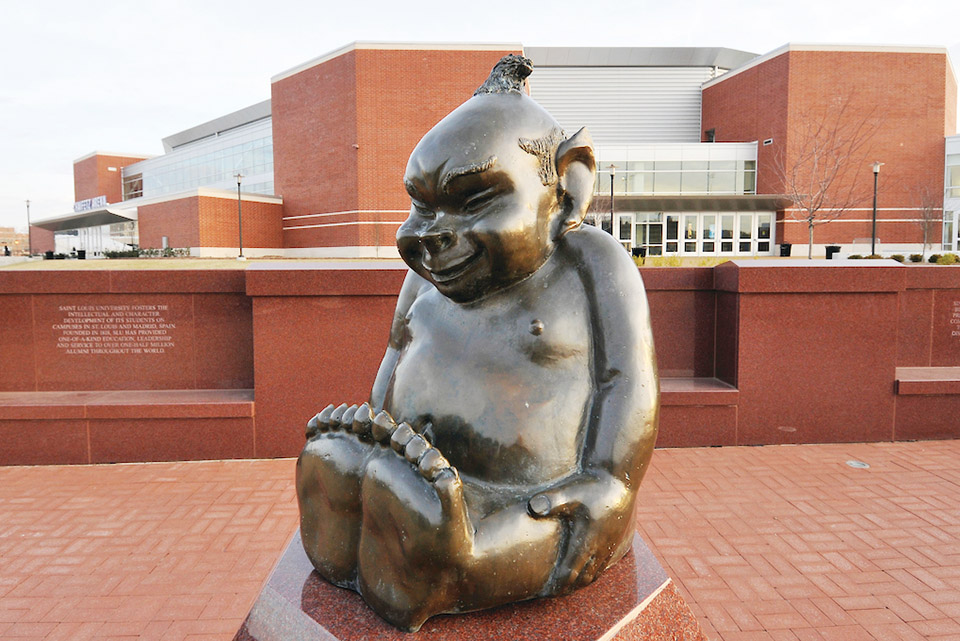
The Billiken was conceived in 1908 by Florence Pretz, an art teacher and illustrator from Kansas City, Missouri. Her vision was to create a figure that embodied universal happiness and good fortune, a distinct departure from the often severe or melancholic imagery prevalent in art at the time. Pretz reportedly patented the Billiken in December 1908, initially presenting it as a whimsical, impish figure with a broad, knowing smile, pointed ears, and a tuft of hair on its head. She famously described it as the “God of Things As They Ought to Be,” imbuing the character with an immediate, aspirational brand promise: optimism, serenity, and the promise of a positive outcome. This philosophical underpinning was crucial; it gave the Billiken not just a face, but a deeply resonant meaning that consumers could connect with, laying the groundwork for strong emotional branding. The concept of an ideal state of being, personified by a jovial figure, tapped into a universal human desire for contentment and success, providing a powerful, implicit message that distinguished it from other contemporary fads.
Early Marketing and Rapid Proliferation
The simplicity and inherent positivity of the Billiken’s concept were masterstrokes in early 20th-century marketing. Instead of complex narratives or extensive advertising campaigns, the Billiken’s brand relied heavily on its intrinsic charm and the viral nature of a good luck symbol. Shortly after its creation, Pretz sold the rights to the Billiken to the Independent Doll Company of St. Louis. This pivotal moment transformed a creative concept into a commercial product, initiating an unprecedented wave of brand proliferation.
The company recognized the immediate market potential, manufacturing small Billiken dolls and figurines designed to be passed around and displayed. The appeal was instantaneous: people were encouraged to rub the Billiken’s feet for good luck, or to receive one as a gift, ensuring its benevolent power. This form of “word-of-mouth” marketing, coupled with the tangible product, fueled a craze. Within a year, Billiken merchandise flooded the market. Licenses were granted for Billiken-themed jewelry, belt buckles, postal cards, car mascots, and even marshmallows and cereals. The sheer ubiquity of the Billiken demonstrated a highly effective, albeit rudimentary by today’s standards, strategy for brand extension and saturation. The ease with which its distinct image could be replicated and applied to a myriad of products underscored its versatility as a brand identifier, allowing it to permeate various aspects of daily life and solidify its place in popular culture.
The Billiken as a Branding Powerhouse: Symbolism and Market Penetration
The meteoric rise of the Billiken was not merely a stroke of luck; it was a testament to the power of a well-defined brand identity, strategic market penetration, and the clever leveraging of emotional connections. The Billiken’s journey offers valuable insights into how a seemingly simple symbol can achieve profound brand recognition and lasting impact.
The Allure of Good Luck: Emotional Branding and Consumer Connection
At the heart of the Billiken’s success lay its core brand promise: good luck and happiness. In an era before sophisticated market research, Florence Pretz intuitively tapped into a universal human desire. The Billiken wasn’t just a doll; it was a talisman, a tangible representation of hope and optimism. This focus on “good vibes” constituted an early, highly effective form of emotional branding. Consumers weren’t just buying a product; they were buying into a feeling, a belief system. Owning a Billiken was thought to bring good fortune, and its constant, cheerful smile served as a psychological anchor for positivity. This emotional connection transcended demographics, appealing to people from all walks of life who sought a little extra luck or a cheerful daily reminder. The Billiken’s brand effectively sold an intangible benefit packaged in an accessible, endearing form, a strategy that remains paramount in contemporary branding for forging deep customer loyalty.
Diversification and Licensing: A Masterclass in Brand Extension
The widespread adoption of the Billiken was a direct result of an aggressive and intelligent brand extension strategy. The Independent Doll Company and its licensees understood that the Billiken’s brand equity lay in its recognizable image and its association with good luck. This led to an explosion of Billiken-branded products, demonstrating remarkable foresight in product diversification. From small statues and charms that could be carried in pockets to larger figurines for homes, the Billiken became a ubiquitous presence.
Beyond dolls, the Billiken’s image adorned everything from jewelry, pins, and tie clips to household items, children’s books, and even food products like Billiken candy. Each product served as a miniature advertisement, reinforcing the brand’s presence and ensuring its constant visibility. This extensive licensing model created multiple revenue streams and solidified the Billiken as a recognizable trademark across diverse product categories. It illustrated how a distinct visual identity, when consistently applied and strategically licensed, can achieve deep market penetration and build significant brand recall, transforming a single concept into a sprawling commercial empire.
From Commercial Craze to Enduring Mascots
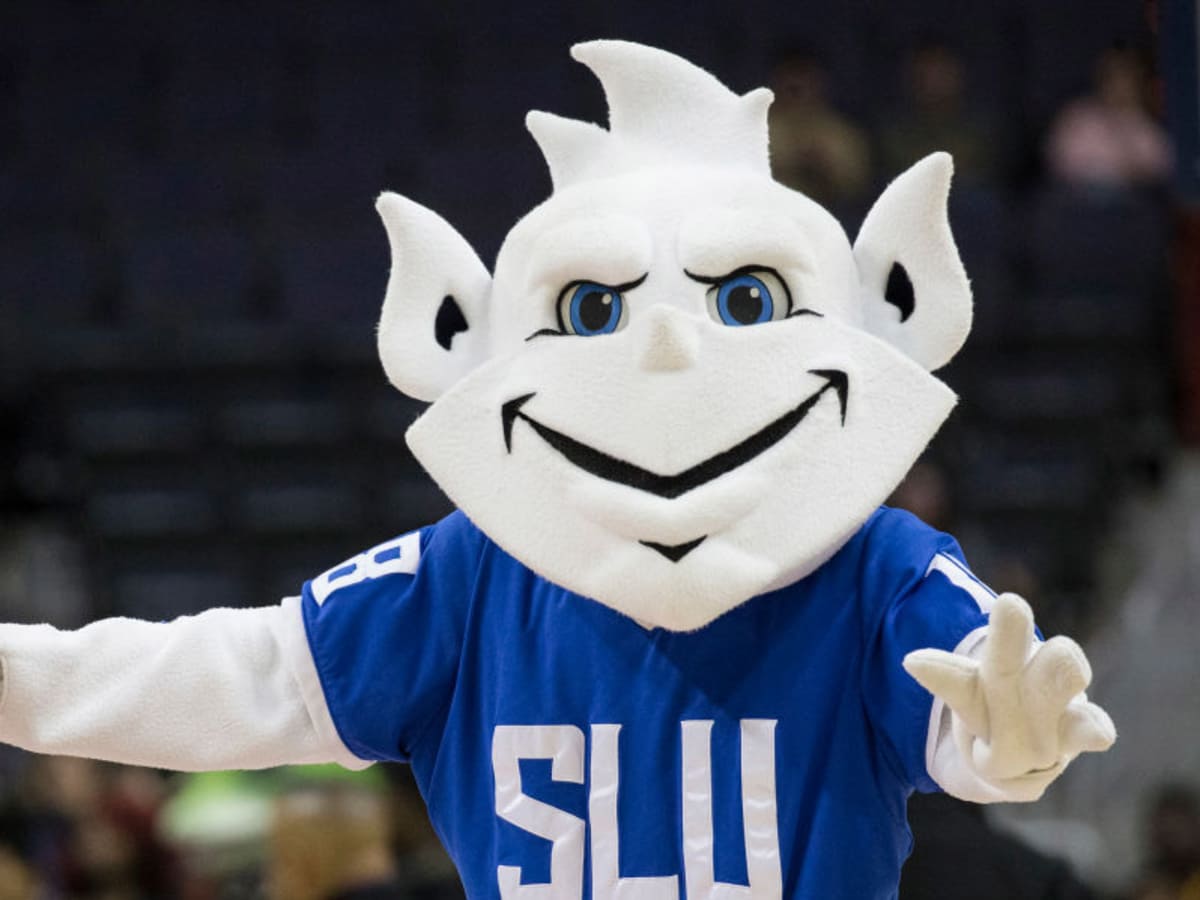
While the initial Billiken craze eventually subsided, the brand’s resilience and adaptability ensured its longevity. Crucially, the Billiken found new life and cemented its corporate identity role through its adoption as a mascot. The most famous example is Saint Louis University (SLU), which adopted the Billiken as its official mascot in 1911. The story goes that a local sportswriter commented that basketball coach John Bender resembled the popular Billiken figure, and the name stuck. This organic adoption proved to be a powerful branding decision.

For SLU, the Billiken transformed from a transient commercial trend into a permanent symbol of its institutional identity. It provided the university with a unique, memorable, and positive brand ambassador. The Billiken mascot instilled a sense of unity, school spirit, and recognition, becoming synonymous with SLU’s athletic teams and academic reputation. This move demonstrated how a universal symbol could be recontextualized to represent a specific organization, leveraging existing brand equity to build a new, distinct corporate identity. The Billiken’s cheerful demeanor perfectly aligned with the spirit of sportsmanship and the aspiration for success, making it an ideal choice for representing the university.
The Billiken’s Enduring Legacy in Branding and Culture
More than a century after its inception, the Billiken continues to hold a place in cultural memory and offers pertinent lessons for contemporary brand strategists. Its journey from a fleeting fad to an enduring symbol highlights the timeless principles that underpin successful brand building.
Resurgence and Nostalgia Marketing
The Billiken, like many cultural artifacts, experiences periodic resurgences, often fueled by nostalgia. Collectors actively seek original Billiken figurines and memorabilia, driving a niche market that appreciates its historical and cultural significance. These intermittent revivals are prime examples of nostalgia marketing, a powerful branding strategy that taps into consumers’ fondness for the past. Brands that can evoke pleasant memories and associations from previous eras often find a receptive audience among older demographics, while simultaneously introducing younger generations to their unique heritage. The Billiken’s distinct visual identity and its association with a simpler, more optimistic time make it an ideal candidate for such revivals, allowing its brand to periodically re-enter the public consciousness without losing its core identity.
Case Study: Saint Louis University’s Billiken – A Timeless Brand Identity
The most compelling testament to the Billiken’s branding prowess is its steadfast role as the mascot for Saint Louis University. For over a century, the Billiken has been far more than just a character; it is the cornerstone of SLU’s institutional brand identity. Its presence on university merchandise, athletic uniforms, and official communications consistently reinforces SLU’s unique character.
The SLU Billiken embodies values such as optimism, good sportsmanship, and community spirit. It serves as a visual shorthand for the university, instantly recognizable to alumni, students, and prospective applicants. This long-term commitment to a single mascot illustrates the immense value of a consistent and well-integrated brand identity. In an increasingly competitive educational landscape, the Billiken provides SLU with a distinctive differentiator, a powerful tool for building tradition, fostering loyalty, and projecting a unique image to the world. It proves that a well-chosen symbol can evolve beyond mere representation to become an intrinsic part of an organization’s very essence.
Lessons from the Billiken: Ageless Principles for Modern Branding
The story of the Billiken, while rooted in the early 20th century, offers remarkably relevant insights for today’s branding professionals:
- The Power of Simplicity and Positive Association: A clear, unambiguous, and positive core message (good luck, happiness) makes a brand instantly accessible and universally appealing.
- Emotional Connection as a Cornerstone: Brands that evoke genuine emotion and fulfill psychological needs (hope, optimism) build deeper, more resilient connections with their audience.
- Strategic Brand Extension and Licensing: Judiciously applying a brand’s identity across multiple product categories can achieve market saturation and reinforce recognition without diluting the core message.
- Consistency in Visual Identity: The Billiken’s distinct, unchanging features allowed for immediate recognition, regardless of the product it adorned. Consistency builds trust and familiarity.
- The Enduring Value of a Unique Mascot/Symbol: A distinctive mascot can become a powerful, long-term asset for corporate identity, fostering community, loyalty, and differentiation.
- Adaptability and Relevancy: While its initial craze faded, the Billiken’s ability to transition into a permanent mascot role showcases the importance of adapting a brand to new contexts while retaining its core essence.
Beyond the Smile: The Cultural and Business Impact of a Simple Charm
The Billiken’s journey is a microcosm of branding evolution, demonstrating how a simple charm can wield significant cultural and business influence, transcending its original commercial intent to become a cultural touchstone.
Cultural Pervasiveness and Brand Recognition
The sheer scale of the Billiken’s initial popularity meant it achieved a level of brand recognition that few modern products, even with vast advertising budgets, can match. It was a true cultural phenomenon, embedded in daily life through its myriad forms. This ubiquity, driven by novelty and positive association, created a powerful feedback loop: the more people encountered the Billiken, the more its image became ingrained in the collective consciousness. This early example of “viral marketing” highlights how a compelling and accessible brand identity can achieve widespread recognition by tapping into cultural trends and offering a universally appealing concept. The Billiken’s smiling face became instantly identifiable, fostering a sense of familiarity and positive sentiment that is the hallmark of strong brand equity.
The Power of Story in Brand Building
Florence Pretz’s description of the Billiken as the “God of Things As They Ought to Be” wasn’t just a tagline; it was the brand’s foundational story. This narrative gave the Billiken meaning beyond its physical form, providing context and purpose. It transformed a whimsical figure into a hopeful symbol, allowing consumers to project their own desires for good fortune onto it. Modern branding emphasizes storytelling as a crucial element in creating emotional resonance and differentiation. The Billiken’s success proves that a simple, compelling origin story, imbued with positive values, can be a potent tool for engaging audiences and building a memorable brand identity that transcends transient product features.
Adaptability and Longevity: The Key to an Ever-Green Brand
The Billiken’s ability to maintain relevance for over a century, transitioning from a commercial craze to an institutional mascot, speaks volumes about its inherent adaptability. Its core message of good luck is timeless, allowing its image to be reinterpreted and recontextualized across different eras and purposes. This longevity is a testament to the power of an “ever-green” brand — one whose core appeal remains potent despite changing consumer preferences and market dynamics. Brands that possess this adaptability, characterized by a flexible visual identity and a universal message, are better positioned to weather fads and maintain their appeal for generations. The Billiken stands as a powerful reminder that while products may come and go, a well-conceived brand, built on enduring principles and capable of adaptation, can achieve immortality.
aViewFromTheCave is a participant in the Amazon Services LLC Associates Program, an affiliate advertising program designed to provide a means for sites to earn advertising fees by advertising and linking to Amazon.com. Amazon, the Amazon logo, AmazonSupply, and the AmazonSupply logo are trademarks of Amazon.com, Inc. or its affiliates. As an Amazon Associate we earn affiliate commissions from qualifying purchases.